




19th Century Tea Chest
When you search for a 19th century tea chest, you are looking at tactile timber caddies and lidded boxes made to store valuable dry leaves.
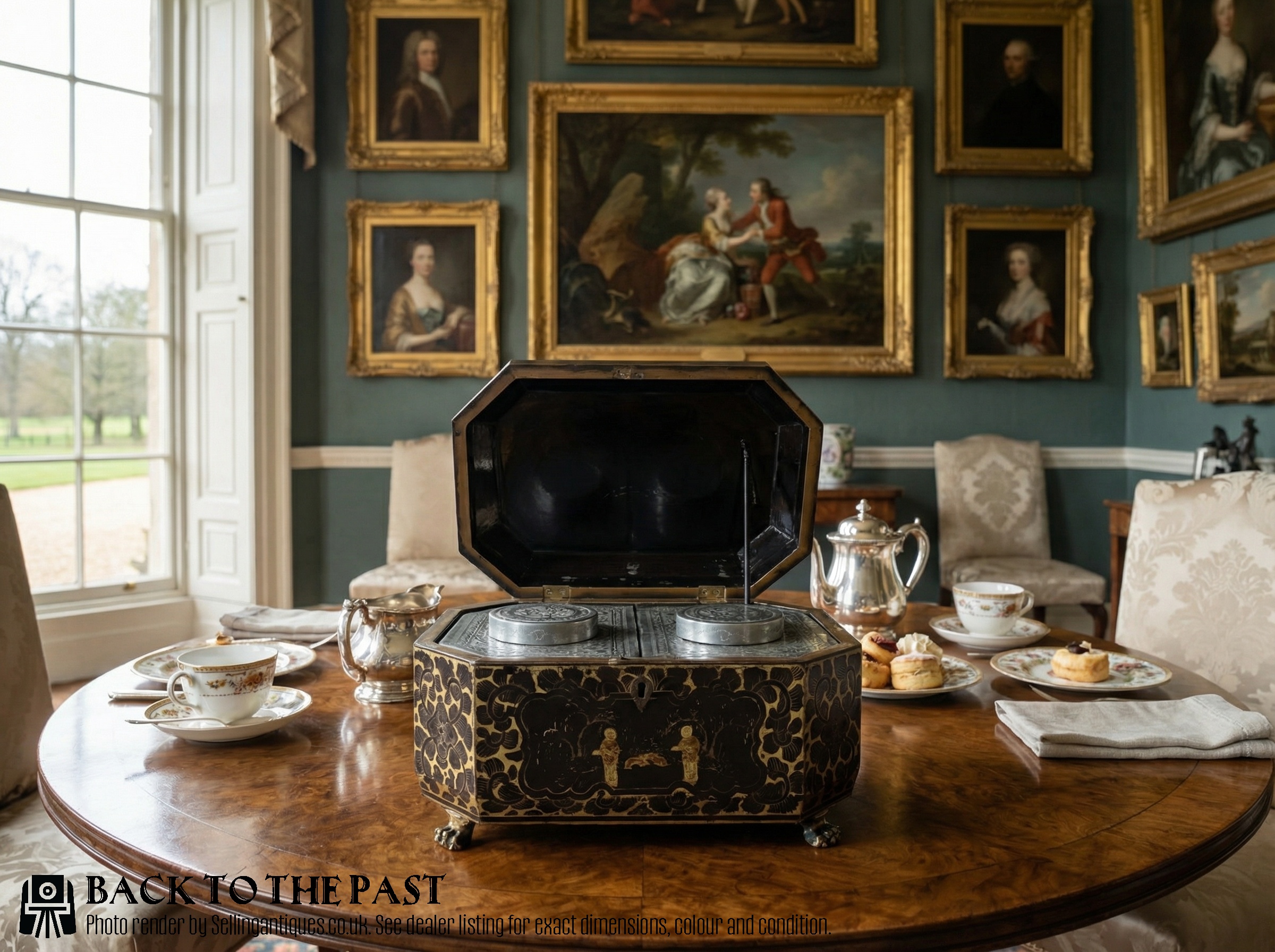
19th Century Tea Chest
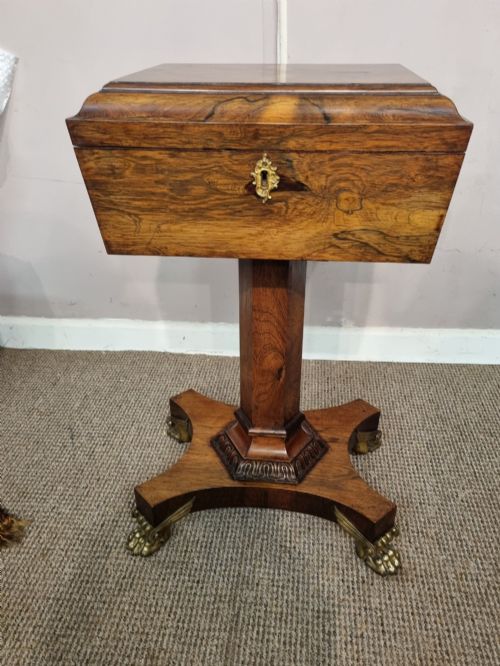
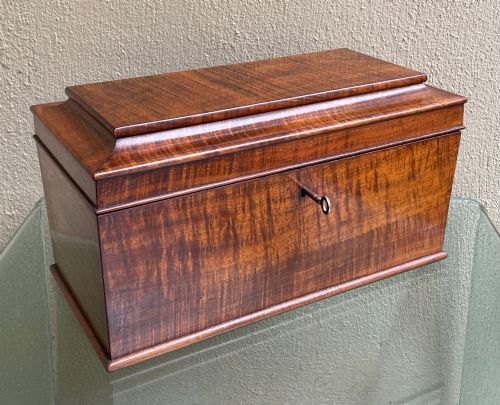
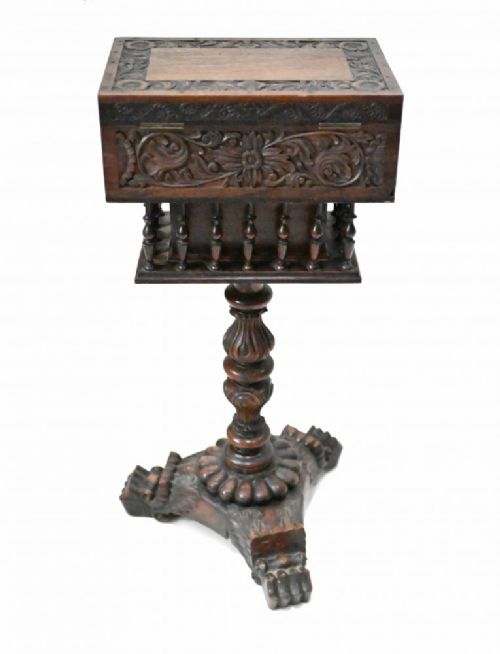
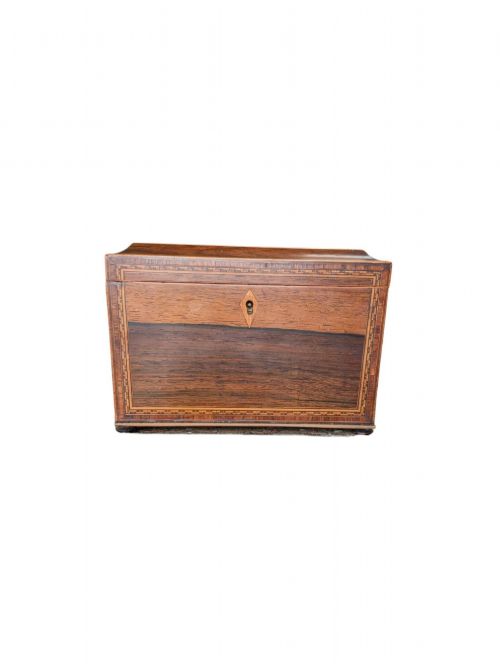
A 19th century tea chest encompasses timber caddies, tabletop tea boxes, and taller freestanding teapoys designed to hold imported leaves securely. The items listed span Regency, Georgian, and Victorian periods, reflecting shifting domestic habits around social entertaining and the tea ritual.
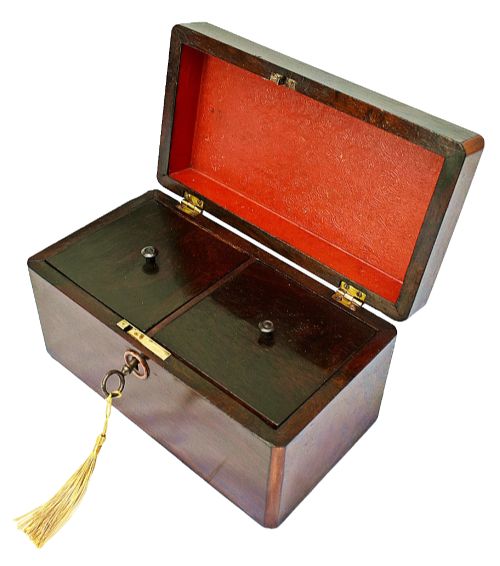
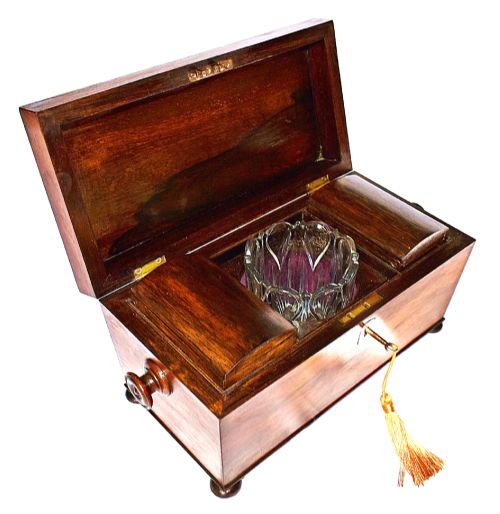
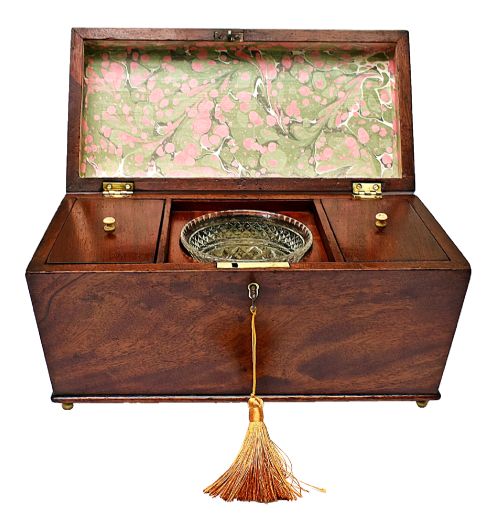
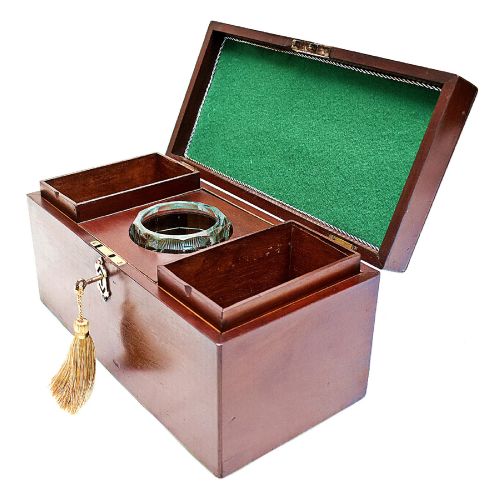
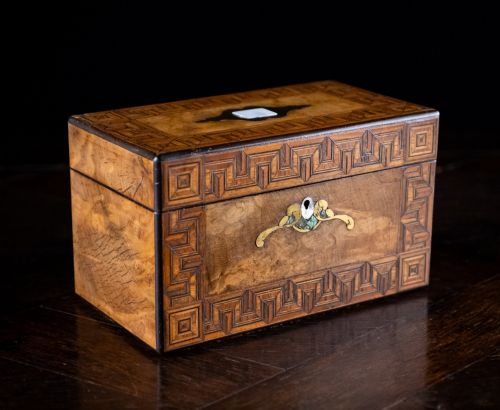
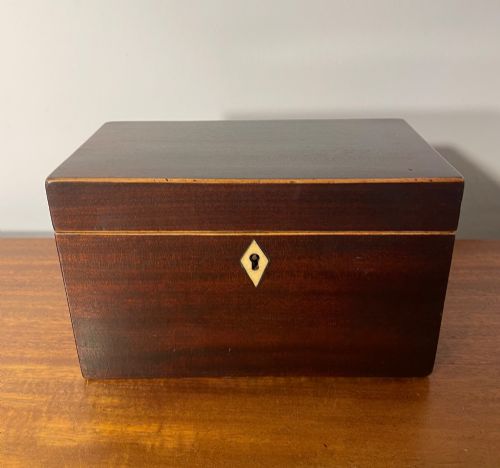
Most examples take the form of lidded caddies with internal compartments for different tea varieties and sometimes a central glass bowl. Cabinetmakers constructed these receptacles in varied geometric silhouettes, including rectangular and sarcophagus forms resting on bun feet or bracket bases.
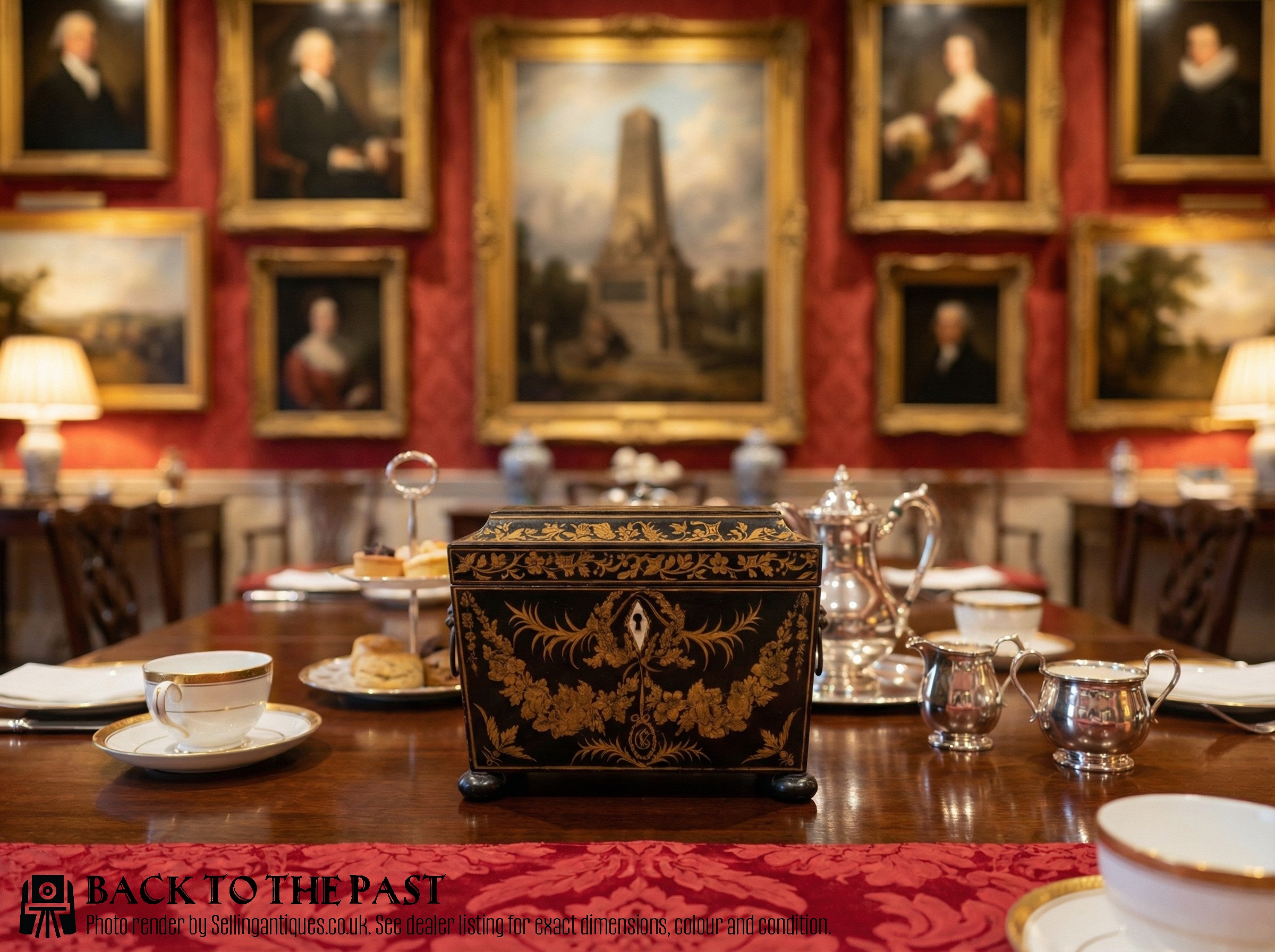
Evaluating Craftsmanship
The standard of a piece depends heavily on the precision of its marquetry and the choice of timber figure, with book-matched veneers commanding higher regard. Finely executed brass inlay and intact internal canisters indicate a superior original commission from skilled cabinetmakers.
Proportion and structural integrity separate standard utility boxes from elaborate parlour pieces designed to display wealth. The survival of original working keys and well-fitted interior lids preserves the integrity of the design.
19th Century Tea Chest Retail Price Guide 2026
Typical asking prices for 19th century tea chest among the pieces listed under this phrase on Sellingantiques today, from the lower quarter to the upper quarter. They describe what is for sale here now, not the wider market.
Many nineteenth-century caddies included working brass locks because tea was once so valuable that families kept the leaves under strict household surveillance.
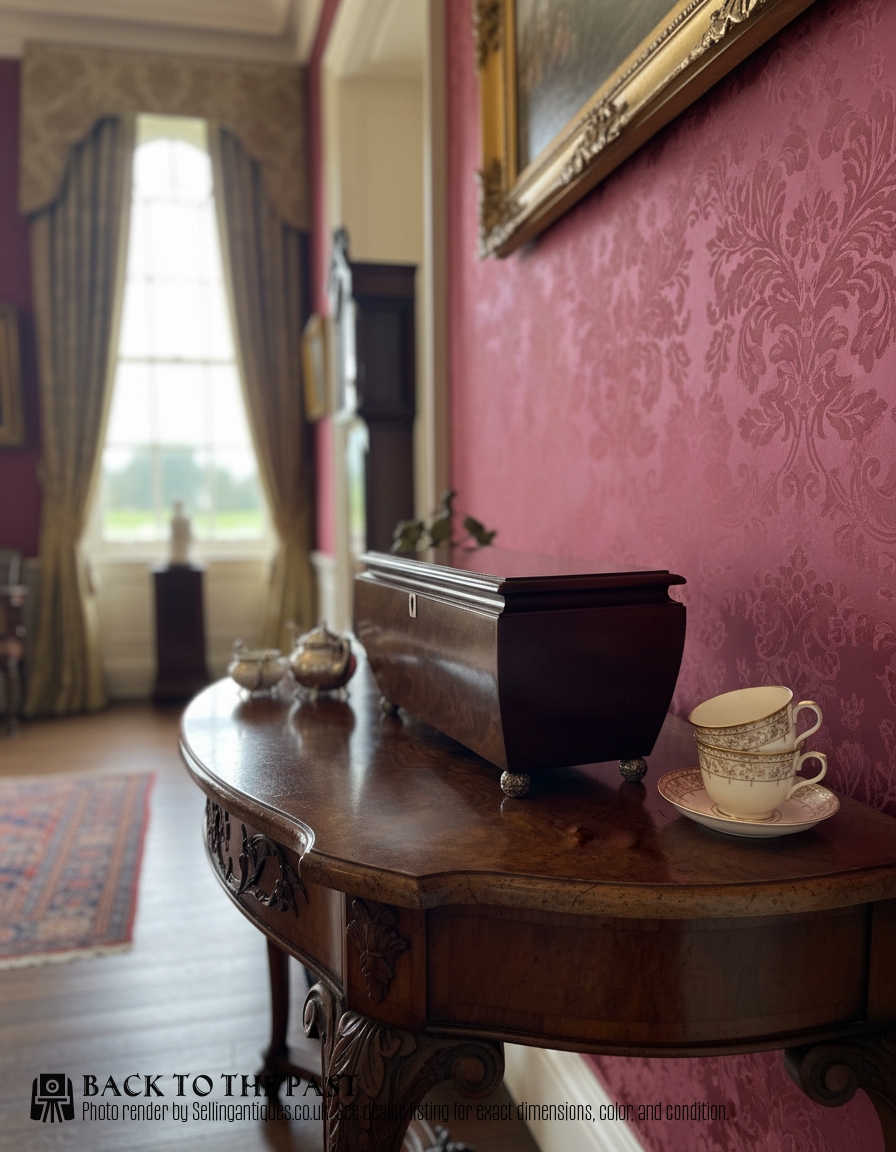
Henry Hollamby·Tahan of Paris·Strahan of Dublin
The 19th Century Tea Chest Glossary
- Teapoy
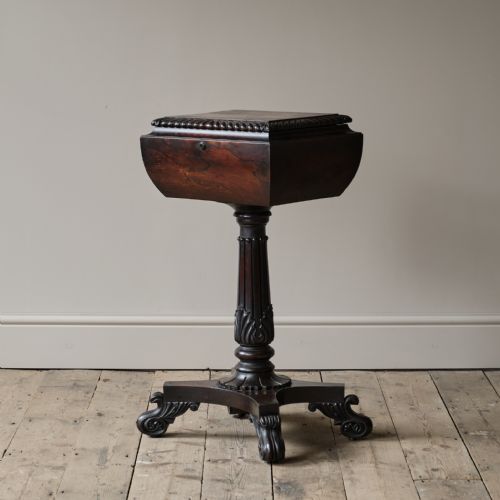
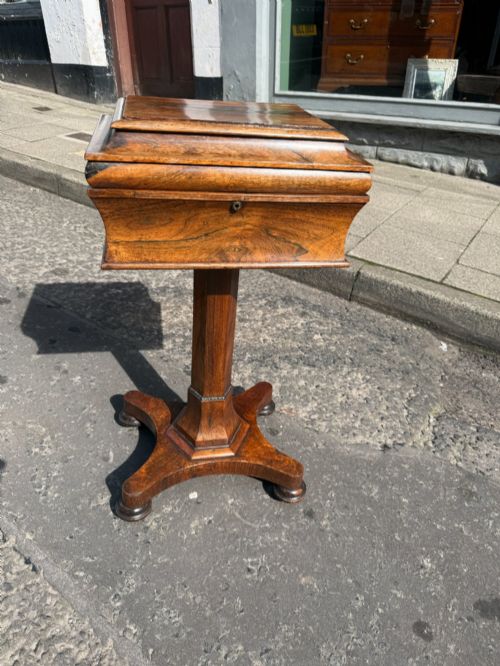
- A freestanding table or pedestal stand equipped with a lidded storage box for tea, popular during the Regency era. These items often feature pillar supports resting on platform bases with carved feet.
- Sarcophagus form
- A burial-vault architectural profile adapted by furniture makers to create flared, waisted tea boxes with stepped lids. This silhouette appeared frequently during the Regency and William IV periods.
- Boulle
- A method of marquetry using brass inlaid into tortoiseshell, named after a royal French cabinetmaker. Examples demonstrate precise metal cutting set into dark organic shell backgrounds.
19th Century Tea Chest: Frequently Asked Questions
What were tea chests used for?
These boxes stored precious tea leaves securely under lock and key when tea was an expensive imported commodity. Servants typically brought the caddy to the parlour so the host could dispense the leaves directly into the pot.
Internal compartments separated green tea from black tea, protecting delicate flavours from dampness and culinary odours in the dining room or drawing room.
How do I date a tea chest?
Cabinet shapes, timber choices, and inlay styles offer the clearest chronological markers for these receptacles. Regency examples often display brass inlay and rosewood veneers, while later Victorian versions frequently utilise heavier proportions and varied tunbridge decoration.
Examining the construction methods inside the secondary timbers and looking at the lock mechanism also helps narrow down the period of manufacture.
Can I still use these for storing tea?
While original foil linings and wooden compartments survive, modern storage standards differ significantly from nineteenth-century requirements. Storing dry leaf directly in antique compartments risks damaging vulnerable timber and deteriorated internal linings.
Collectors generally display these objects as decorative items or utilise them to store small modern dry goods rather than loose leaf tea.
What is the difference between a caddy and a teapoy?
A tea caddy is a portable box designed to sit on a tabletop, sideboard, or tea table during service. A teapoy is a larger, freestanding piece of furniture featuring its own dedicated support pedestal or legs.
Teapoys often incorporate interior mixing bowls and multiple storage bins, functioning as independent furniture items rather than tabletop accessories.