

Antique Table Box
When searching for an antique table box, collectors encounter small portable caskets, dressing table containers and tabletop display pieces crafted for storage.
Antique Table Box
An antique table box encompasses a wide variety of small storage containers designed to sit upon furniture surfaces, including trinket boxes, snuff boxes, tea caddies and dressing table jars.
The material selection ranges from solid sterling silver and German Hanau silver to burr walnut, mahogany, oak and Japanese lacquer, spanning periods from the Georgian and Victorian eras through to Edwardian and Art Deco designs.
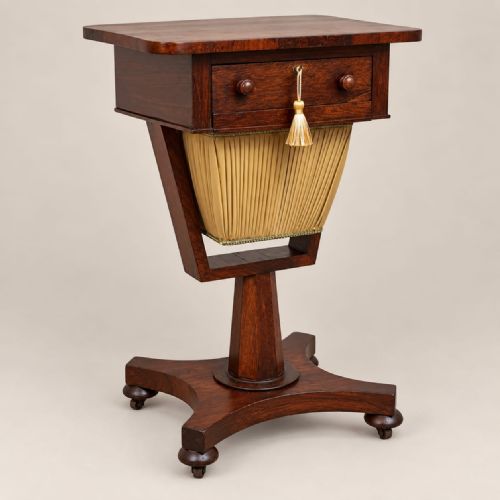
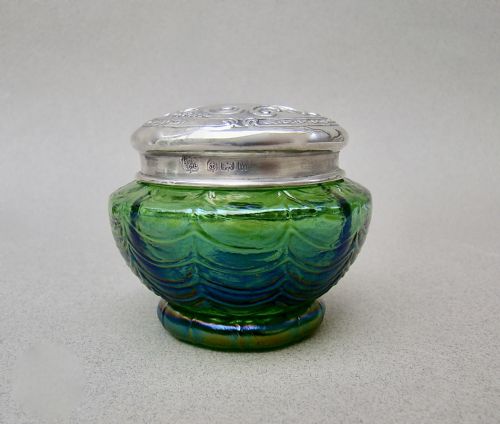
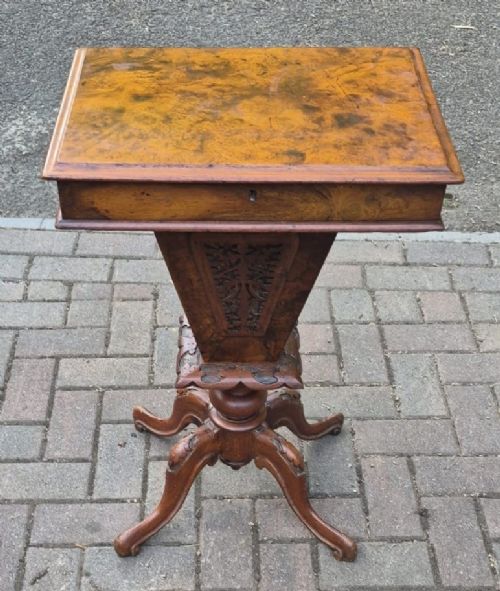
Buyers frequently find hinged caskets, glass trinket boxes with silver lids, and compartmented work tables housing interior storage compartments for sewing or jewellery.
How they were made
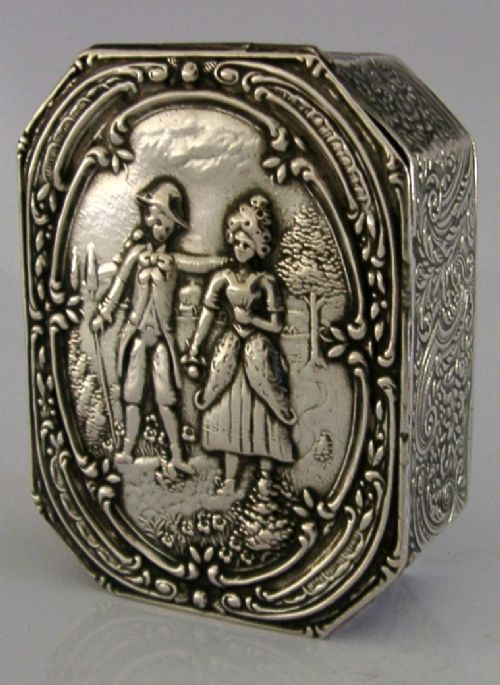
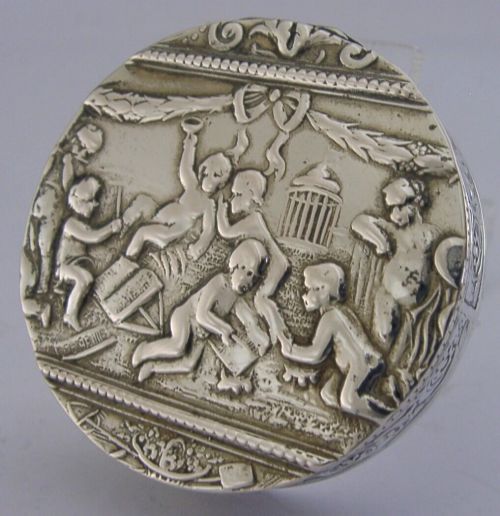
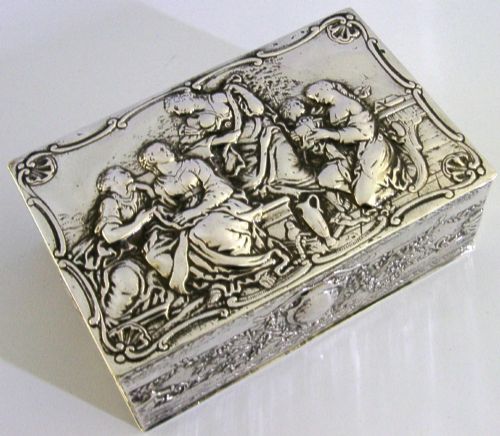
Silversmiths formed metal boxes through casting, hammering and repousse work, often creating detailed figural scenes of cherubs, battle scenes or pastoral views on German Hanau and sterling silver pieces.
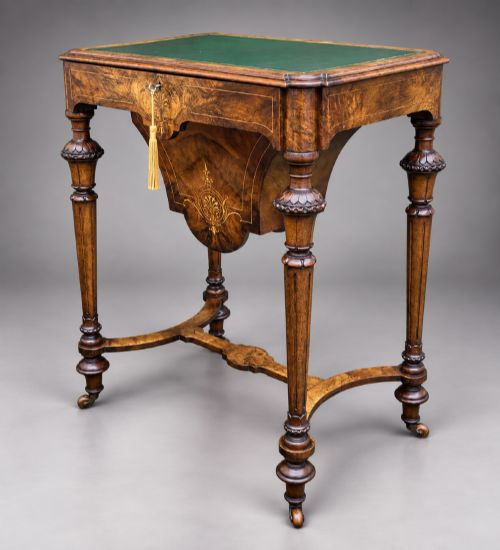
Cabinetmakers utilised dense hardwoods such as mahogany, walnut and burr walnut, applying techniques like marquetry, brass-bounding and dovetailing to construct sturdy table boxes and miniature cabinets.
Form variations range from miniature Hanau silver caskets with cherub scenes to Japanese gilt lacquer jewellery boxes.
What varies in quality
Quality rests upon the crispness of the hand-chased metalwork or the depth of the timber grain, distinguishing heavy, solid silver caskets and figured burr walnut from simpler plated or plain wooden items.
The integrity of interior fittings, including original velvet or silk linings, fitted glass inserts, working locks with keys, and clear hallmarks from makers such as Nathaniel Mills or Ollivant & Botsford, elevates a piece.
A. J. Pepper & Co·Henry Clifford Davis·Ollivant & Botsford·Edward Smith·Nathaniel Mills·Goldsmiths & Silversmiths·Gill & Reigate
The Antique Table Box Glossary
- Bijouterie table
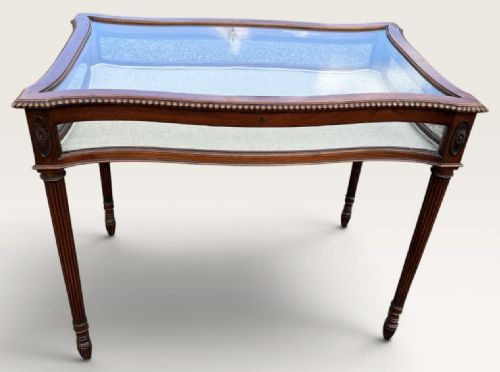
- A glass-topped display table designed specifically for showcasing small precious objects, medals and trinkets. These tables typically feature hinged or lift-off glazed lids.
- Tea caddy
- A specialised container designed to store loose tea leaves securely. Examples from the period often incorporate lockable lids and internal dividing compartments.
- Repousse
- A metalworking technique where the artisan hammers the metal from the reverse side to form a raised design in relief. This method defines the ornamented panels of many continental table boxes.
- Snuff box
- A small pocket or table-sized container engineered to hold dry powdered tobacco. These items frequently feature gilt interiors to protect the metal from tobacco corrosion.
- Guilloche enamel
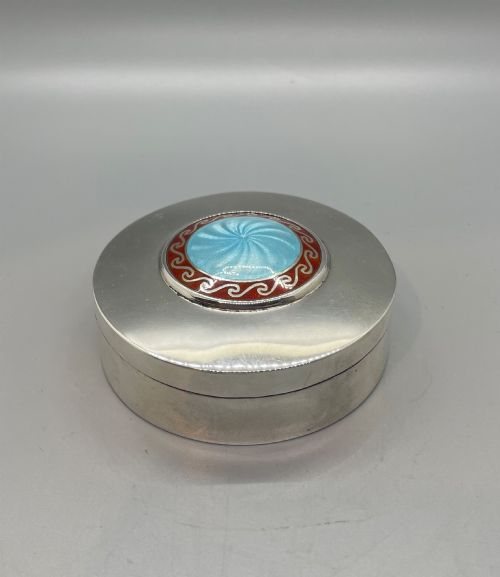
- A decorative mechanical engraving technique covered with translucent enamel layers. It frequently appears on early twentieth-century dressing table boxes and jars.
Antique Table Box: Frequently Asked Questions
What is an antique table box used for?
These boxes served functional roles in period homes to hold personal valuables, letters, sewing paraphernalia, tobacco or tea.
Today they sit on sideboards, desks and dressing tables to store modern jewellery, keepsakes and desktop accessories.
How can I date an antique silver box?
Silver pieces usually carry hallmarking stamps indicating the assay office, standard mark and a specific date letter.
Matching these stamps against registry records reveals the exact year of manufacture and the silversmith responsible.
What is the difference between a trinket box and a table casket?
Trinket boxes are generally smaller receptacles intended for dressing tables to hold rings and pins.
Table caskets are larger, heavier decorative boxes constructed from silver, wood or lacquer to sit prominently on tabletops.
How do I care for wooden and silver table boxes?
Wooden boxes benefit from occasional wax polishing to nourish the grain and prevent the timber from drying out.
Silver boxes require gentle cleaning with a soft cloth to preserve crisp repousse details without damaging any interior velvet linings.