

Regency Cut Crystal
Regency cut crystal brings weight and brilliance to a room, formed in heavy lead glass and shaped by deep wheel-cutting.
Regency Cut Crystal
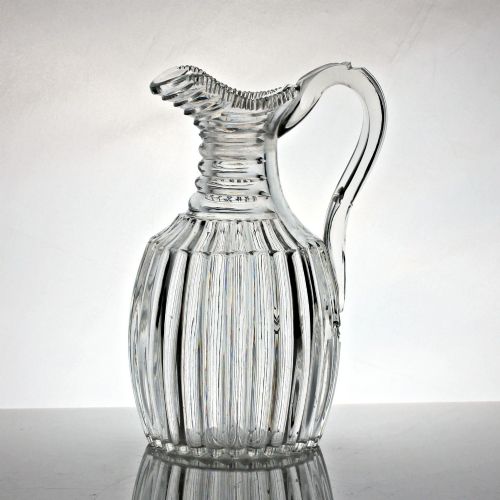
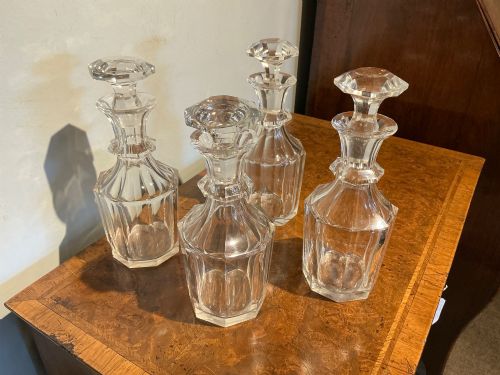
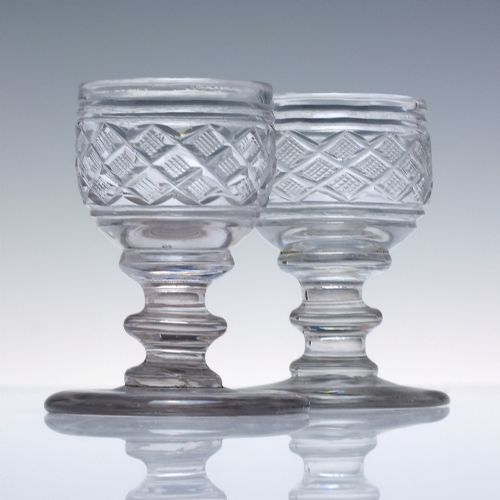
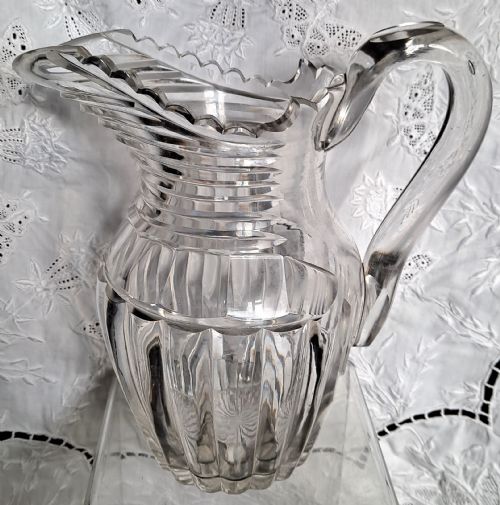
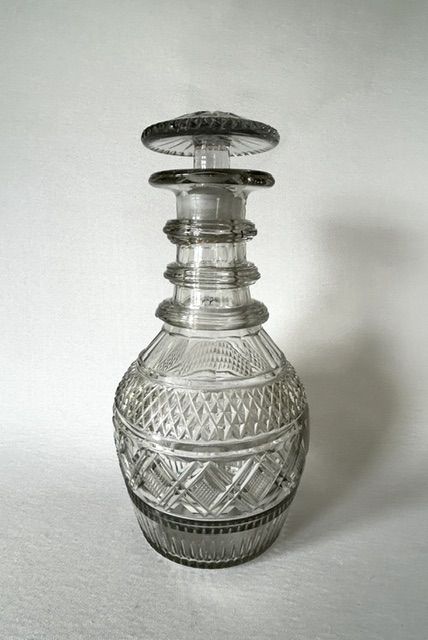
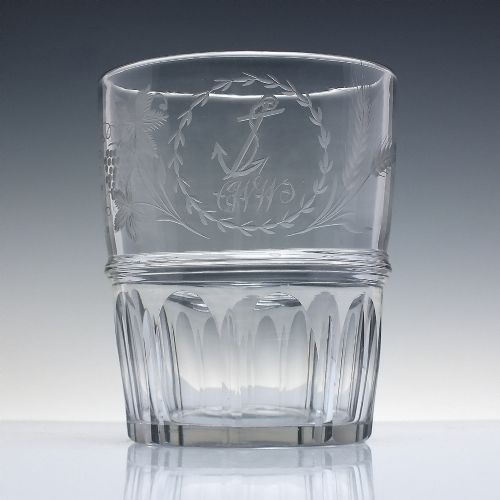
When you search for regency cut crystal, you encounter heavy tablewares and lighting fixtures from the Georgian and Regency periods, alongside later revivals. Decanters, rummers, water jugs, and salts dominate the domestic vessels, often featuring thick bases and sharp facets designed to catch candlelight.
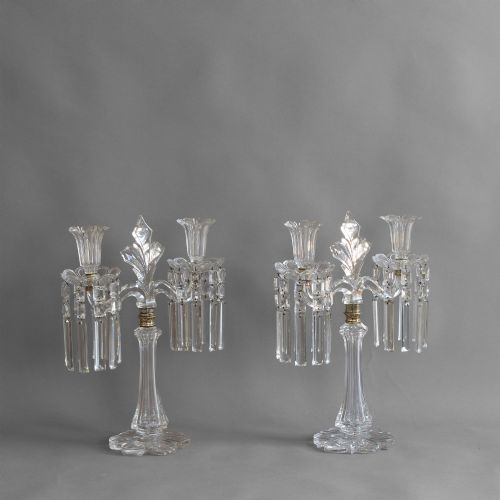
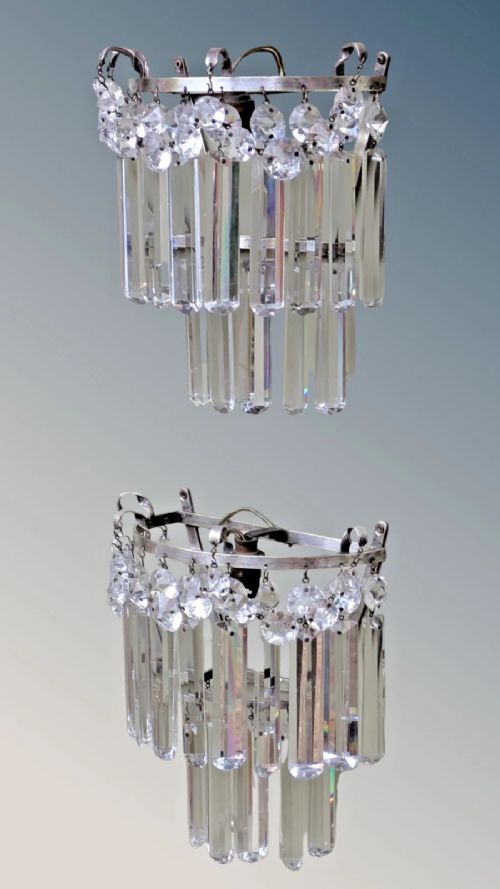
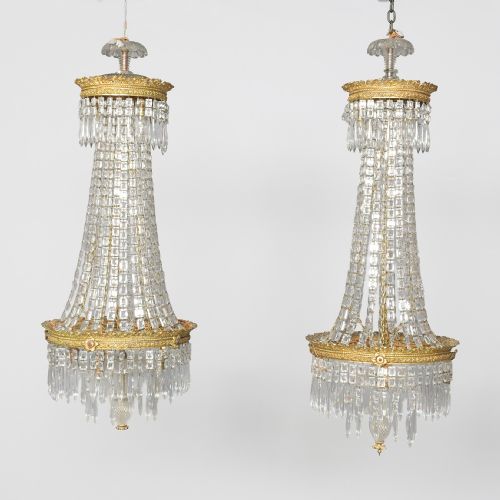
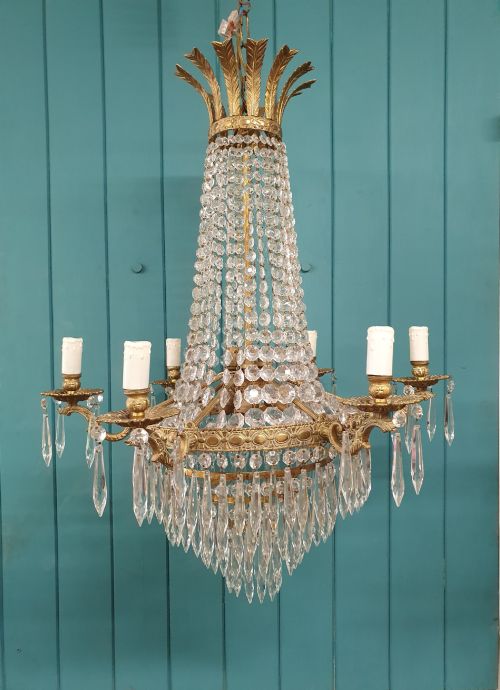
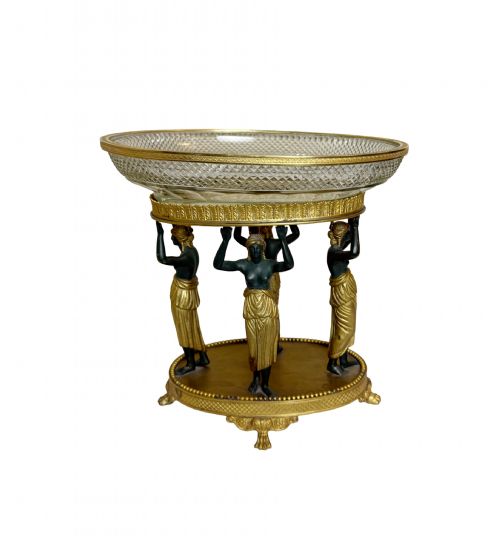
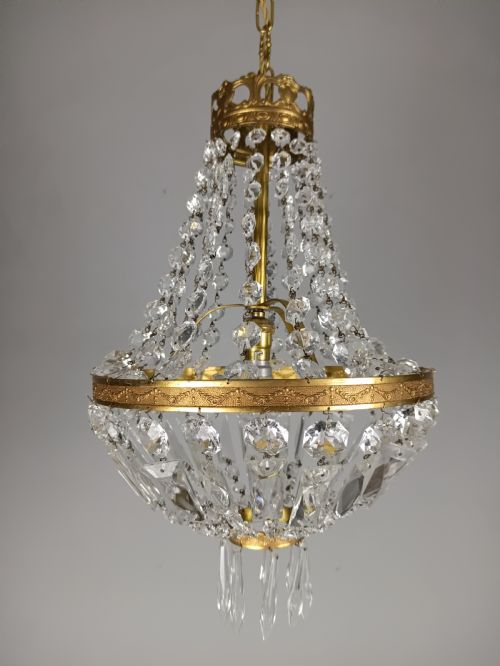
Lighting forms are equally prominent, ranging from tent and bag chandeliers mounted in brass to wall lights and grand centrepieces. You are most likely to meet pieces spanning the late eighteenth century through the nineteenth century, with occasional twentieth-century interpretations in French Empire and Regency styles.
The selection encompasses both English and Irish origin, with Irish glass often displaying a greyer tone and heavier weight. Forms extend from practical celery vases and champagne coolers to decorative lustres and novelty biscuit barrels.
Materials and working methods
These pieces rely on lead crystal and cut glass, manipulated while hot and subsequently cold-worked using iron and stone wheels. The addition of lead oxide to the metal increases softness for cutting while heightening refractive index and overall weight.
Mounts and structural frames incorporate brass, gilt bronze, and bronze detailing, particularly on chandeliers, wall lights, and centrepieces. Metal components are cast and turned to secure glass drops, prisms, and bowls without obscuring the transmission of light.
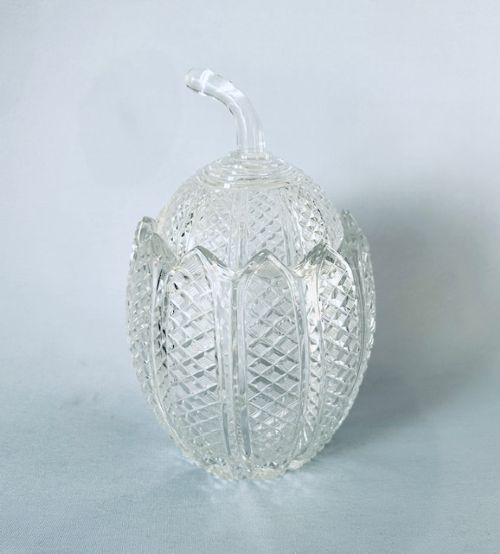
Melon biscuit barrels let you store dry treats inside a convincing glass fruit.
Judging quality and execution
Quality rests upon the crispness of the cutting and the clarity of the metal itself. Superior examples display sharp, well-defined facets that terminate cleanly without blurring, whereas lesser pieces show rounded edges and minor surface ripples.
The weight and resonance of the vessel indicate the lead content and thickness of the glass. Finer lighting fixtures integrate balanced brass or gilt bronze mounts that hold glass drops securely without awkward proportions.
William Rudkins London
The Regency Cut Crystal Glossary
- Hobnail cut
- A raised geometric pattern resembling the head of a hobnail, formed by intersecting shallow grooves. This texture provides a secure grip on heavy drinking vessels.
- Lemon squeezer base
- A square, moulded foot with a stepped, pyramid profile mimicking the shape of a lemon squeezer. It appears on rummers and decanters from the turn of the nineteenth century.
- Rummer
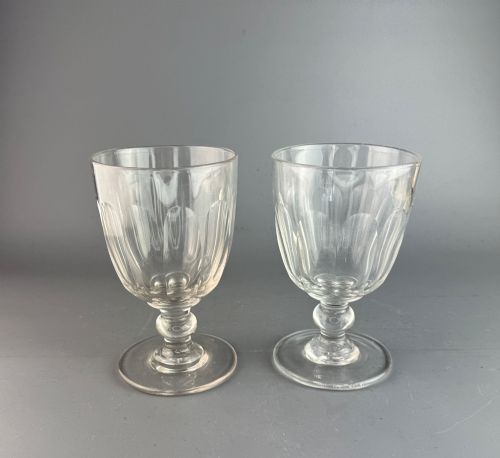
- A large, heavy goblet used for serving wine or punch. These sturdy glasses typically feature short stems and deep cut bowls.
- Celery vase
- An upright pedestal vessel designed to hold stalks of celery on the dining table. The deep glass body protects the vegetable and showcases the surrounding facet cutting.
- Tent and bag chandelier
- A lighting fixture featuring an upper conical canopy of strung glass beads leading down to a gathered bag of drops. Brass rings and internal arms support the glass elements.
- Pillar and prism cut
- A decorative scheme utilising vertical flutes alongside sharp prismatic cuts. This technique maximises the refraction of light across decanters and jugs.
Regency Cut Crystal: Frequently Asked Questions
Were ship's decanters used at sea?
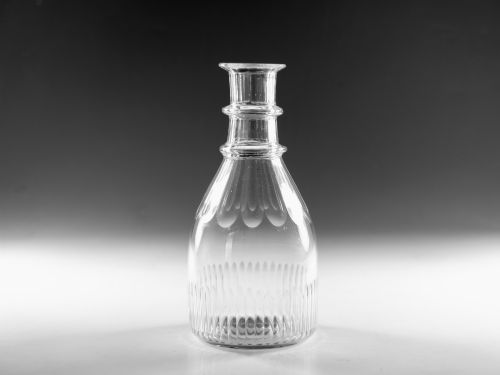
Ship's decanters feature a wide, flat base and a conical body designed to prevent tipping during rolling movement on board a vessel. Their shape kept the contents stable on dining tables both afloat and ashore.
While originally practical for maritime travel, these heavy vessels became popular in mainland homes for their stability and distinct profile.
How can I date a piece?
Dating relies on form, cutting style, and the colour of the metal, with earlier Georgian pieces often showing a darker tone and deeper, sharper facets. Pontil marks on the base provide clues regarding manufacturing date and technique.
Compare the mounting hardware, such as brass or bronze fittings, against known period styles like Regency or French Empire to confirm the era of production.
Why are Irish pieces heavier?
Irish glasshouses during the late eighteenth and early nineteenth centuries utilised higher proportions of lead oxide and thick-walled moulds. This increased the density and weight of items like bowls, decanters, and salts.
The resulting metal produced a deeper, clearer ring when struck and allowed for exceptionally deep wheel-cutting without compromising structural integrity.