
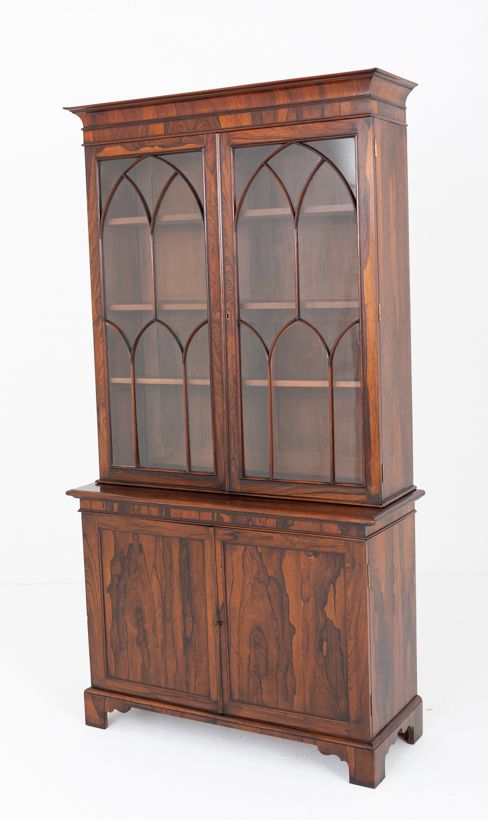
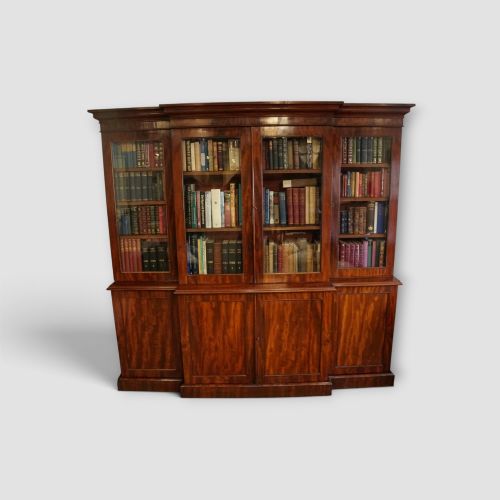
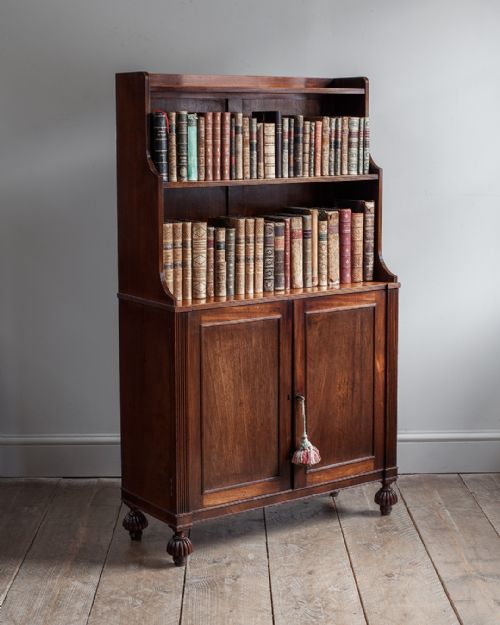
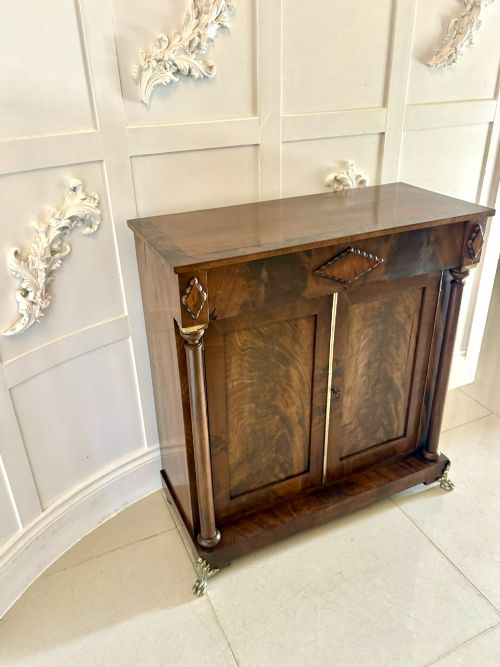
Regency Cupboard Cabinet
A regency cupboard cabinet combines architectural proportion with enclosed storage, offering disciplined timber grain and understated brass fittings to anchor a formal interior.
Regency Cupboard Cabinet
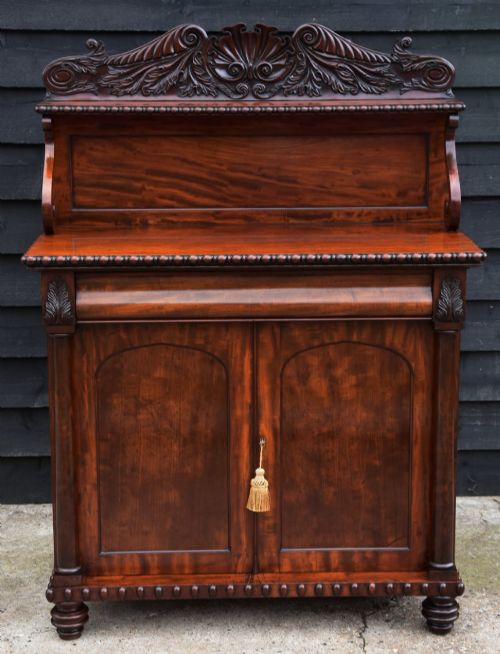
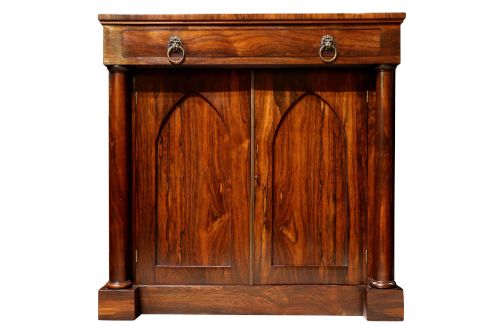
When searching for a regency cupboard cabinet, collectors encounter a diverse group of case furniture spanning bookcases, side cabinets, chiffoniers, and linen presses. These forms originate primarily from the early nineteenth century, alongside later revivals reflecting Georgian and William IV design principles.
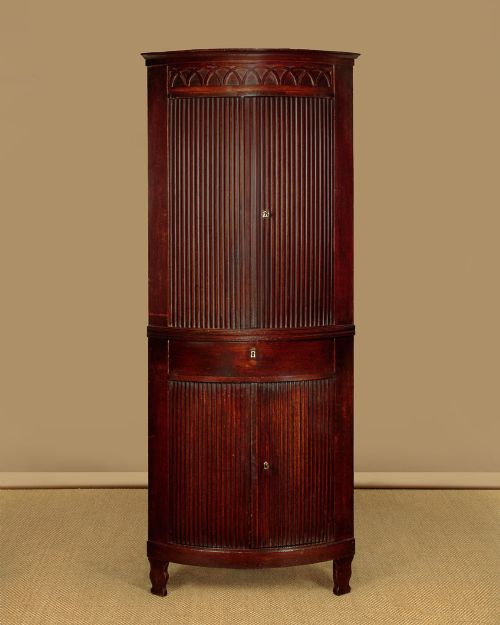
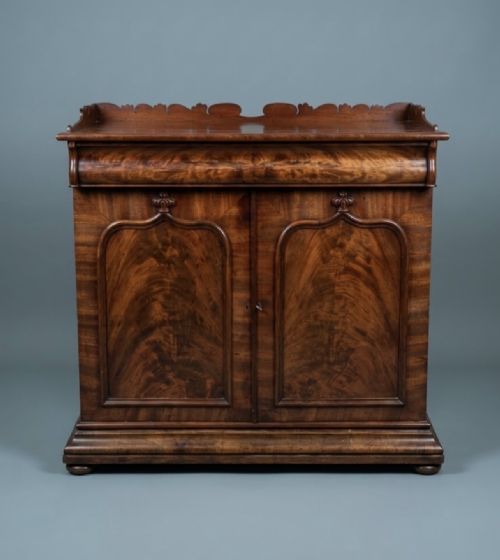
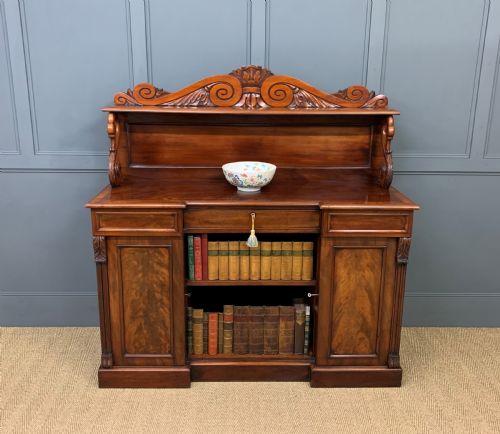
The most common version met on this page is the mahogany side cabinet or chiffonier, often fitted with enclosed doors beneath a surface tier or shelf. Corner cupboards and bedside cabinets also appear frequently, utilising compact footprints for functional domestic storage.
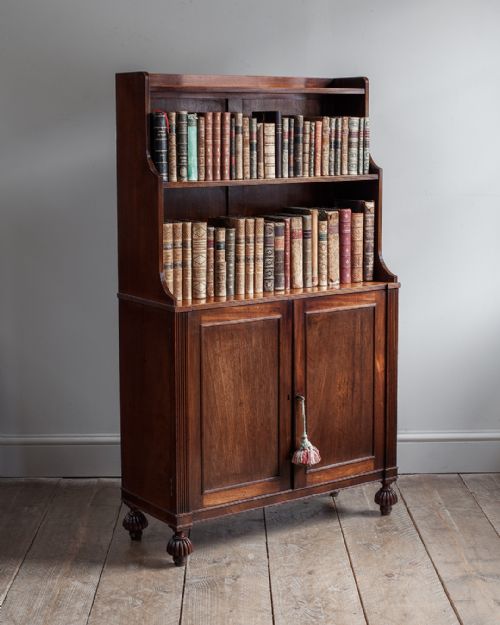
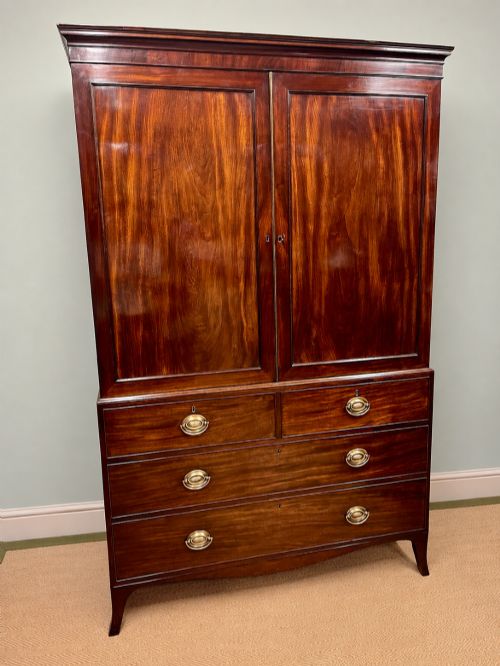
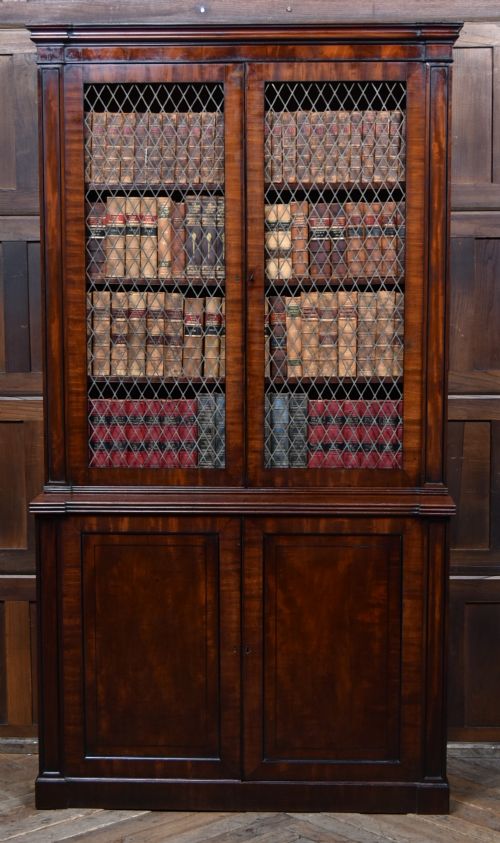
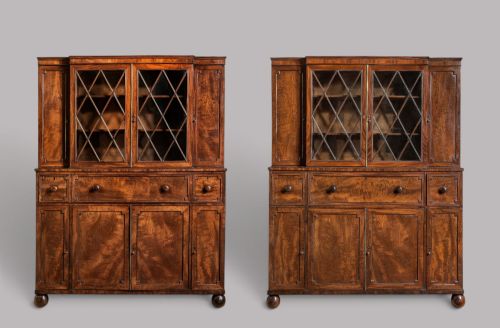
Examples range from dwarf cabinets and library bookcases to double-height corner units and wardrobe presses. Construction dates cluster heavily around the Regency period and the wider nineteenth century, drawing on established vernacular and cabinet-making traditions.
How they were made
Cabinet makers relied predominantly on solid mahogany and flame mahogany veneer applied to secondary pine or oak carcases, complemented by exotic timbers such as rosewood and satinwood for fine decorative effect. Surfaces were polished to highlight natural grain patterns, while brass inlay, handles, and grilles provided structural contrast.
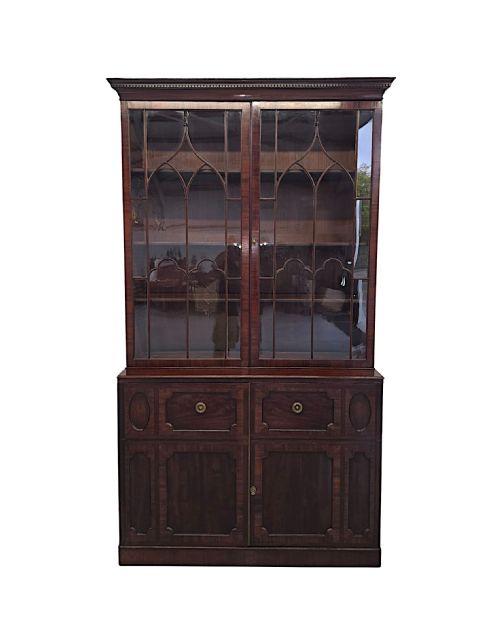
Joinery techniques combined traditional frame-and-panel construction with dovetailed drawer boxes and fitted shelving. Glazed doors utilised slender wooden bars to hold individual glass panes, and specialised pieces incorporated fabric linings behind brass mesh or glass.
Listings feature diverse materials including brass, glass, fabric, and flame mahogany veneer across the 19th century.
What varies in quality
The distinction between standard utility furniture and superior examples lies in the selection of timber veneers and the precision of cabinet construction. Figured flame mahogany or matched rosewood grain denotes higher workshop output, whereas plain timber indicates utilitarian production.
Carved detailing, such as blind fretwork cornices, reeded pilasters, or finely chased brass mounts, separates ambitious cabinet work from plain vernacular pieces. The integration of functional elements like original locking mechanisms, keys, and secretaire drawers further defines the standing of an individual cabinet.
Gillows
The Regency Cupboard Cabinet Glossary
- Chiffonier
- A low sideboard or cabinet featuring enclosed cupboards below, sometimes surmounted by a shelf or mirrored superstructure. These pieces gained popularity during the Regency period for dining and drawing rooms.
- Linen Press
- A tall case piece comprising upper sliding trays or shelves enclosed by doors, positioned above a chest of drawers at the base. They were traditionally built to store household linens and clothing.
- Flame Mahogany
- A veneer cut from timber where the branch meets the trunk, producing a distinctive flickering flame pattern. Cabinet makers utilised this figure on prominent drawer fronts and doors.
- Waterfall Bookcase
- A set of open shelves diminishing in depth from bottom to top, often terminating in a small cupboard base. This style emerged during the Regency era.
- Secretaire
- A cabinet or chest incorporating a pull-down writing flap that conceals small drawers and pigeonholes. It merges desk functionality with enclosed storage.
Regency Cupboard Cabinet: Frequently Asked Questions
What is a regency cupboard cabinet used for?
These cabinets served multiple domestic functions, from storing household linens and books to displaying porcelain and glassware in principal rooms.
Today, they adapt readily to modern interiors as media units, sideboards, or bedside storage while retaining their historical character.
How do I distinguish Regency from Victorian pieces?
Regency pieces generally exhibit cleaner architectural lines, restrained brass mounts, and classical proportions influenced by Greek and Roman revival styles. Victorian variants often introduce heavier carving, darker finishes, and more elaborate structural ornamentation.
Examining secondary timbers and construction methods helps clarify the precise manufacturing period.
Are these cabinets made of solid wood?
Most examples combine solid timber frames with high-grade veneers applied to stable secondary woods like oak or pine. This technique prevented warping while permitting the use of richly figured mahogany or rosewood on external surfaces.
Interior components and drawer linings were typically fashioned from secondary softwoods or hardwoods.
How should I care for a antique mahogany cabinet?
Maintain stable humidity levels away from direct heat sources and strong sunlight to protect aged wood and delicate veneer surfaces. Occasional application of traditional beeswax helps nourish the polish without building up residue.
Avoid placing damp items directly on unprotected timber tops.