

Antique Chiffonier with Shelves
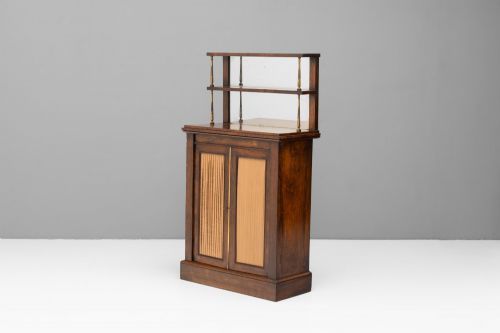
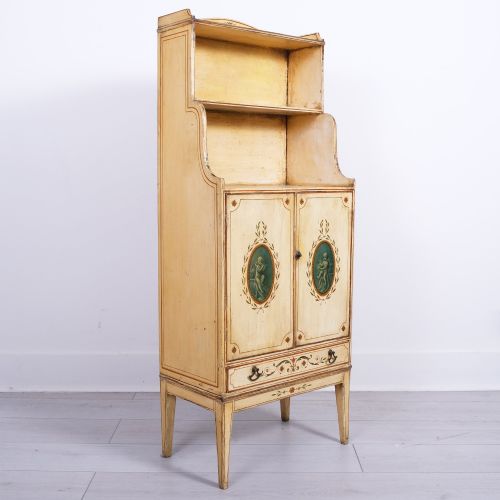
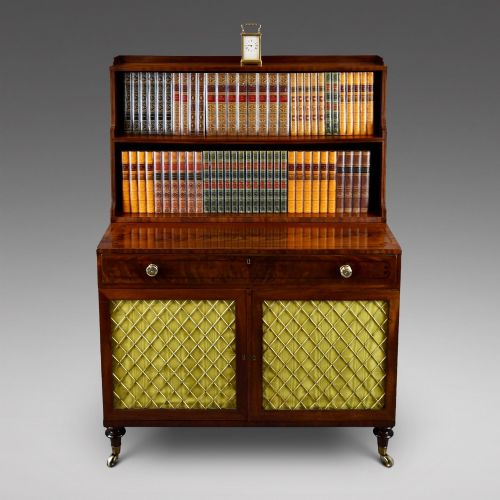
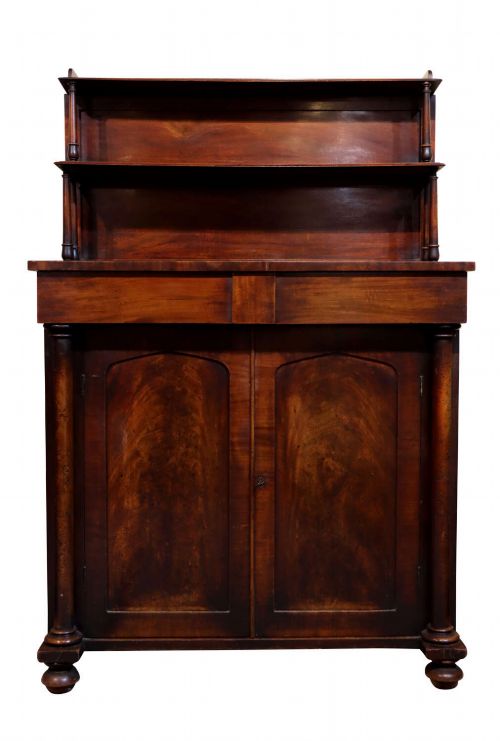
An antique chiffonier with shelves is a timber cabinet combining lower cupboards with an open upper tier, designed for display and storage.
Antique Chiffonier with Shelves
An antique chiffonier with shelves stands as a versatile piece of nineteenth-century and Georgian furniture, uniting enclosed lower storage with open upper display tiers. Buyers exploring this category encounter side cabinets, bookcases, and sideboards designed to hold books and display decorative objects in principal rooms.
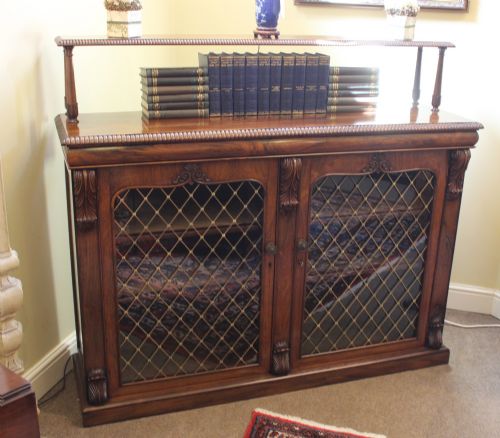
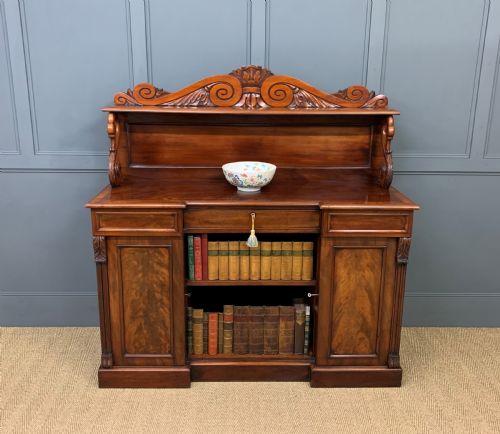
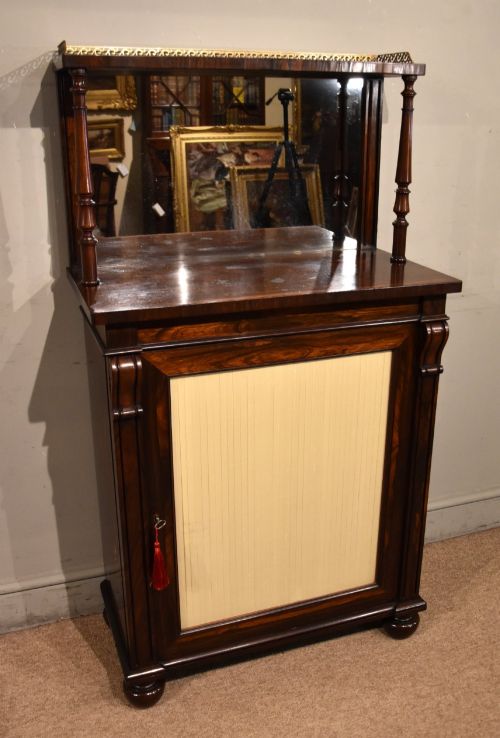
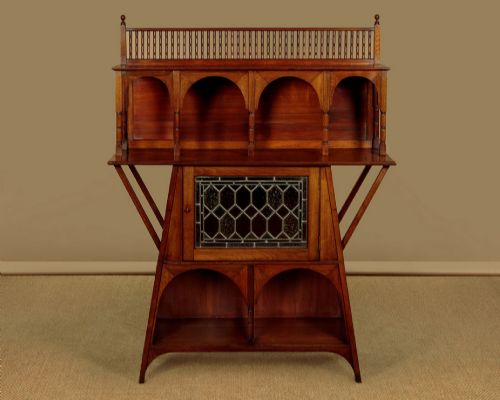
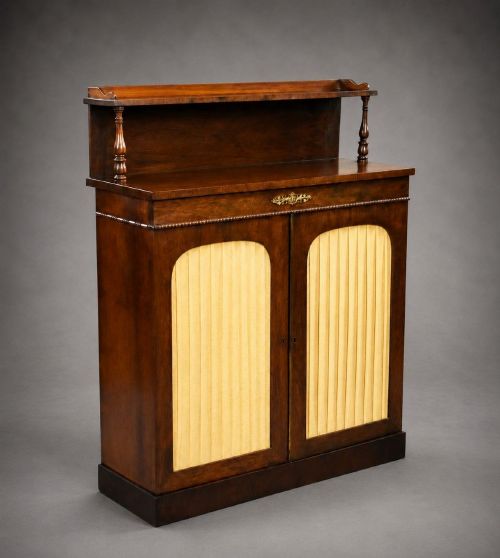
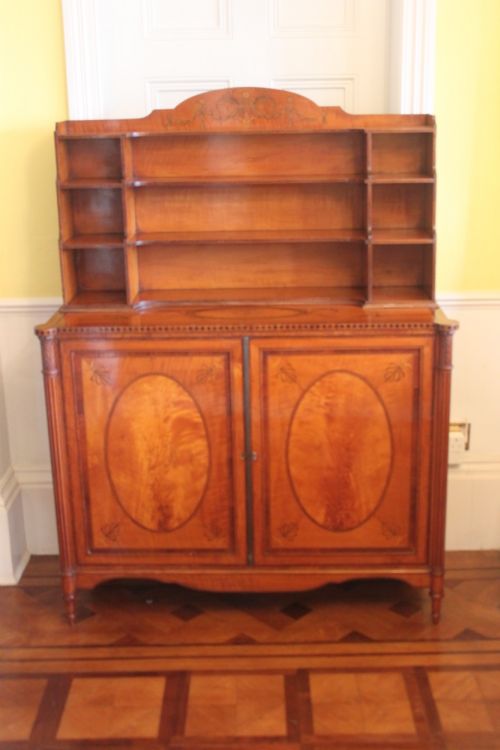
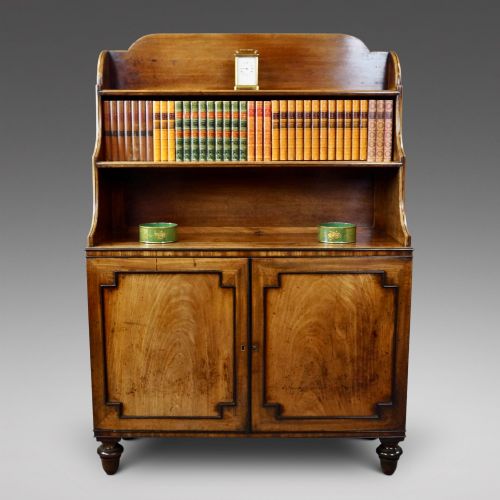
The pieces appearing on this page span the Regency, William IV, and Victorian periods, alongside earlier examples from the eighteenth century. Mahogany, rosewood, and walnut form the primary carcasses, frequently paired with glazed doors or tiered superstructures for displaying porcelain and volumes.
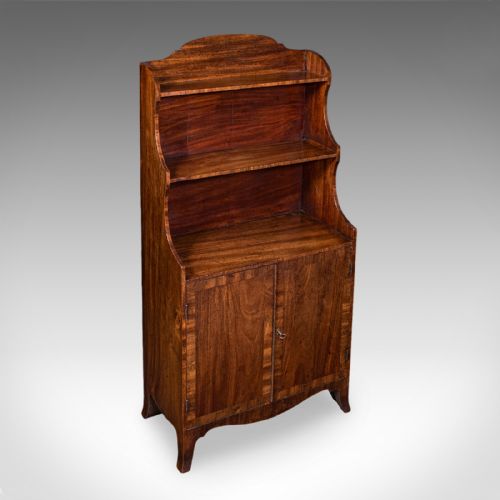
Smaller proportions appear frequently among these listings, offering compact footprints suited to modern interiors without sacrificing period character. Makers and cabinetmakers of the Georgian and Victorian eras constructed these forms to serve dining rooms and libraries alike.
Materials and Construction Methods
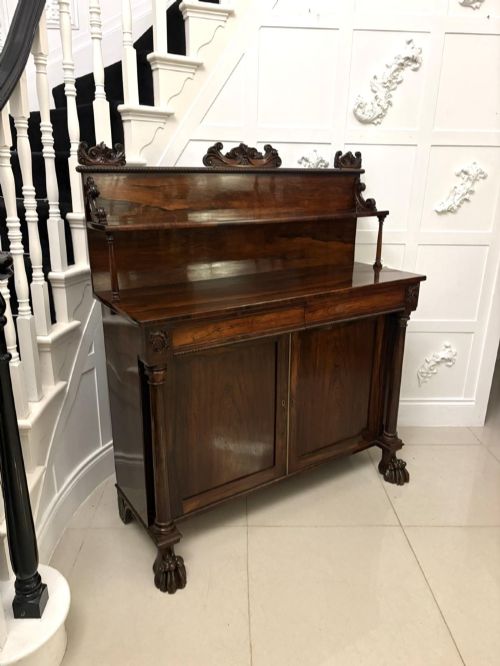
Cabinetmakers utilised solid mahogany, rosewood, and burr walnut, often applying flame mahogany veneer to primary surfaces to create dramatic grain patterns. Satinwood and oak also appear among the selections, providing lighter or more robust structural alternatives.
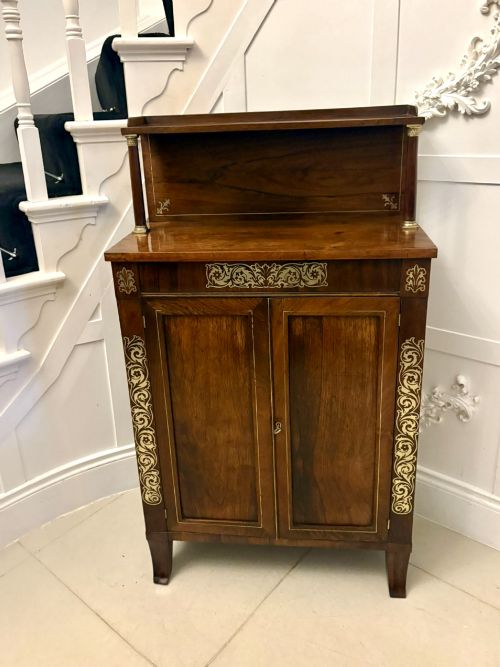
Brass inlay, delicate painting, and simulated rosewood finishes frequently decorate the exterior surfaces, reflecting the stylistic shifts from George III restraint to Victorian elaboration. Glass panels and brass castors complete the construction of finer examples.
Several pieces arrive equipped with original brass castors, ready to roll across the floor just as they did two centuries ago.
Distinctions in Quality and Execution
Quality rests upon the selection of timber figures, such as matched flame mahogany veneers and richly grained rosewood. Superior examples exhibit precise brass inlay and finely turned supports for their upper shelves.
Construction details differentiate standard workshop output from exceptional cabinet work, particularly in the dovetailing of drawers and the seamless integration of superstructure shelves. The handling of secondary timbers and the crispness of carved mouldings further separate the tiers.
Robert Strahan
The Antique Chiffonier with Shelves Glossary
- Chiffonier
- A low cabinet derived from sideboard forms, typically featuring enclosed lower cupboards beneath one or more upper display shelves.
- Waterfall Bookcase
- A tiered piece of furniture with open shelves decreasing in depth from bottom to top, often incorporating a lower cupboard section.
- Flame Mahogany Veneer
- Thin slices of mahogany cut from timber fork joints to create a distinctive flickering flame pattern across cabinet doors and drawer fronts.
- Simulated Rosewood
- A painted surface finish imitating the dark grain and warm tones of genuine rosewood using alternative timber bases.
- Castors
- Small wheel attachments fixed to the base of cabinets to allow easier movement across floor surfaces during cleaning or rearrangement.
Antique Chiffonier with Shelves: Frequently Asked Questions
What is an antique chiffonier with shelves used for?
These cabinets served primarily to store table linen, silver, or books in dining rooms and parlours while providing upper display space for ceramics and decorative objects.
Today, they function effectively as living room display units or hallway storage pieces that accommodate modern books and ornaments.
How do I distinguish a Regency chiffonier from a Victorian one?
Regency and George IV examples typically display restrained classical lines, architectural brass inlay, and lighter mahogany or rosewood grains influenced by neoclassical tastes.
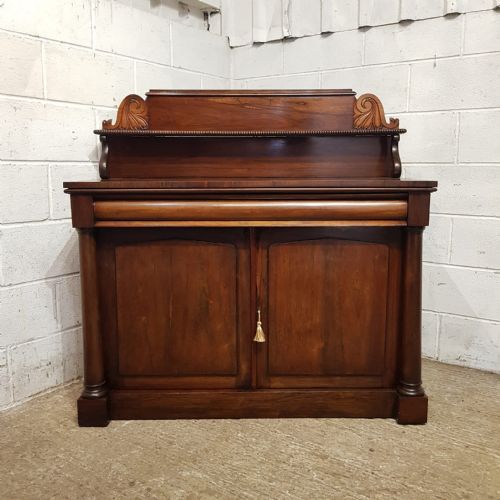
Victorian pieces generally present heavier proportions, darker woods like burr walnut, and more elaborate carved ornamentation or glazed door panels.
Are these cabinets suitable for smaller rooms?
Many surviving examples feature neat proportions and shallow depths specifically designed for compact spaces without overwhelming a room.
Their combined storage and shelving configuration verticalises display space, making them practical for modern apartments.
What timbers should I expect to find?
Mahogany and rosewood dominate the surviving pieces, often utilised either as solid timber or as flame veneer over secondary woods.
Burr walnut, satinwood, and oak also appear in specific regional or period interpretations.