





Regency Cupboard with Drawers
A regency cupboard with drawers combines enclosed storage and drawer space, offering functional elegance for any interior.
Regency Cupboard with Drawers
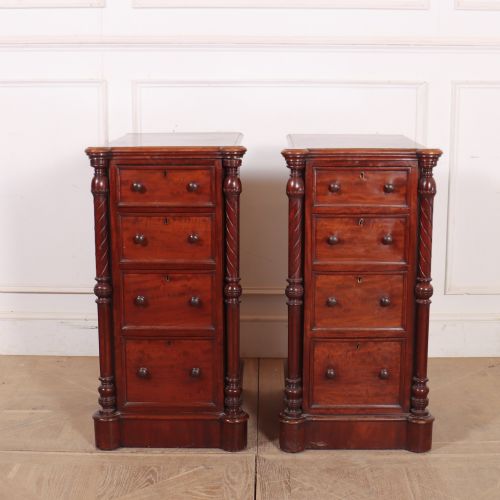
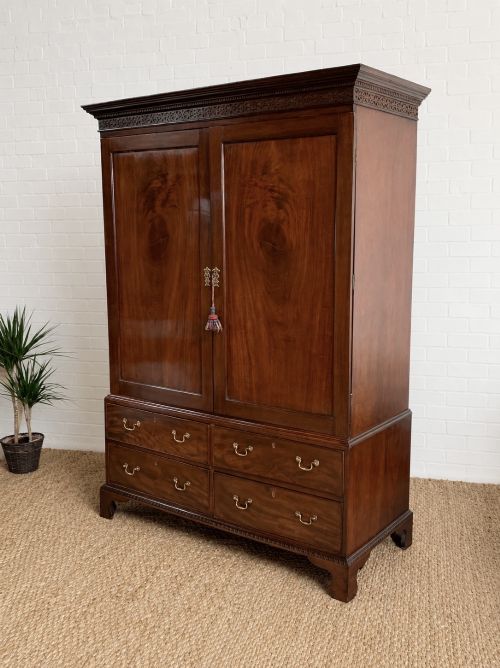
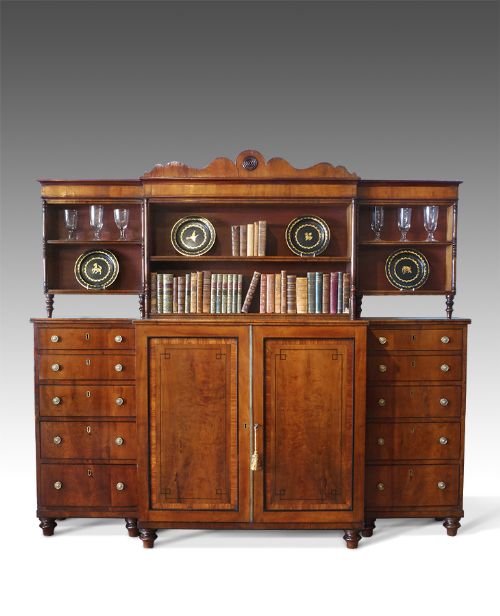
A regency cupboard with drawers brings together enclosed shelving and practical sliding compartments in timber forms. These pieces bridge the gap between display and storage, often appearing as bedside cabinets, chiffoniers, side cabinets, and linen presses across the selection.
The objects span periods from the Georgian era through to the Victorian period, with core examples dated directly to the Regency era around eighteen hundred to eighteen twenty. Makers utilised diverse formats, ranging from full-height linen presses down to miniature furniture and bedside tables.
Mahogany remains the dominant wood across the listings, frequently enhanced by flame veneers, rosewood, satinwood, and oak. Brass hardware, brass inlay, and pull-out steps add distinctive utility to these functional storage items.
How they were made
Cabinet makers constructed these pieces using solid timbers and decorative wood veneers, particularly mahogany and rosewood. Flame mahogany and satinwood provided striking grain patterns for prominent exterior surfaces.
Craftsmen integrated brass handles, delicate stringing, and brass inlay to accent the dark timber surfaces. Structural elements also included functional additions such as blind fretwork cornices, tiered shelf backs, and integrated writing drawers.
Regency Cupboard with Drawers Retail Price Guide 2026
Typical asking prices for regency cupboard with drawers among the pieces listed under this phrase on Sellingantiques today, from the lower quarter to the upper quarter. They describe what is for sale here now, not the wider market.
At least one bedside cabinet comes equipped with a pull-out step, ready for climbing into high Regency beds.
What varies in quality
The choice of primary timber and secondary veneer dictates the visual depth of each piece, with figured flame mahogany and matched satinwood sitting at the upper end. Finer examples display meticulous attention to grain alignment across the drawer fronts and cupboard doors.
Gillows
The Regency Cupboard with Drawers Glossary
- Chiffonier
- A low cupboard or sideboard, often featuring a shelf back and small drawers, popular during the Regency period. This form served both display and storage purposes in principal rooms.
- Linen Press
- A tall piece of furniture featuring upper cupboard doors enclosing sliding trays, positioned above a chest of base drawers. These items were designed originally for storing household linens flat.
- Flame Mahogany
- A timber veneer cut from the branch junction of the mahogany tree, creating a distinctive flickering flame pattern. Cabinet makers reserved this expensive material for prominent drawer fronts and door panels.
- Blind Fretwork
- Carved ornamentation applied to a solid background so that the design appears pierced without actually cutting through to the timber beneath. This decorative technique appears on cornices and friezes.
- Night Cabinet
- A small bedside cupboard, sometimes fitted with a pull-out step or enclosed compartment for a chamber pot. These practical items sat beside sleeping quarters during the Georgian and Regency eras.
Regency Cupboard with Drawers: Frequently Asked Questions
What is a regency cupboard with drawers?
A regency cupboard with drawers is a storage piece combining enclosed cabinet space with integrated sliding compartments. These items include bedside cabinets, chiffoniers, and linen presses.
They date primarily from the early nineteenth century and showcase the refined proportions characteristic of the period style.
How were linen presses used?
Linen presses provided storage for household textiles, with upper sliding trays keeping garments flat and uncreased. The lower chest of drawers accommodated smaller items and accessories.
Over time, many of these presses have been adapted internally to serve as general wardrobes or linen storage.
What woods were used?
Mahogany is the predominant timber found in these pieces, often utilised as solid wood or as figured flame mahogany veneer. Rosewood, satinwood, and oak also appear across the selection.
Cabinet makers contrasted these dark timbers with lighter wood inlays and brass hardware.
How do I identify a Regency piece?
Regency furniture typically exhibits classical restraint, clean architectural lines, and contrasting timber veneers. Details such as brass inlay, gilt mounts, and waterfall bookcases are common indicators.
Hardware, construction methods, and secondary woods help distinguish authentic early nineteenth-century work from later nineteenth-century revival styles.