


Regency Collectors Cabinet
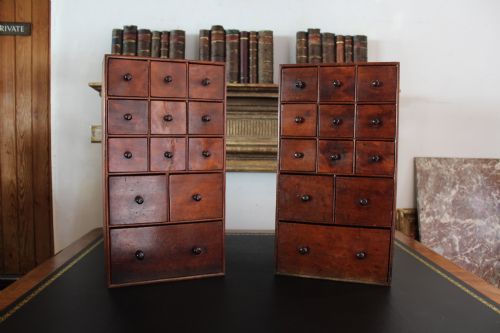
A regency collectors cabinet is a small, purpose-built piece designed for specimens and curiosities, combining fine cabinet-making with compact storage.
Regency Collectors Cabinet
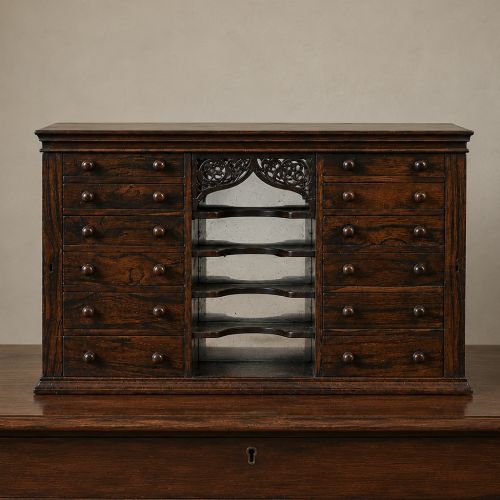
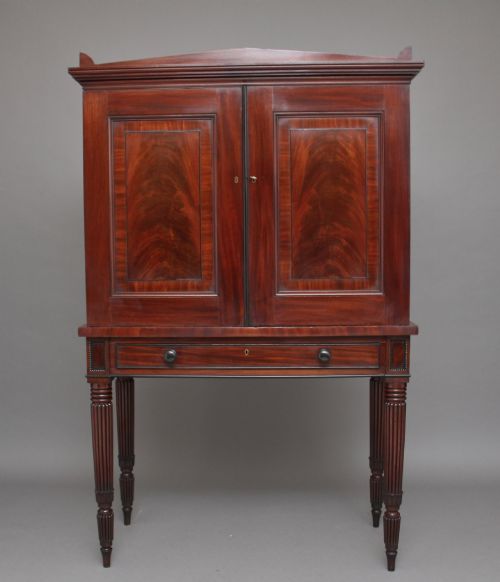
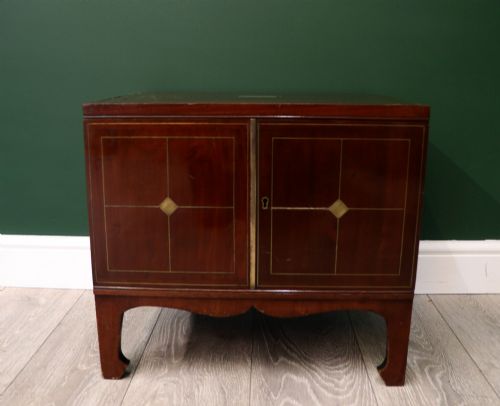
When searching for a regency collectors cabinet, you encounter forms ranging from miniature chests of drawers and table cabinets to cabinets on stands and pedestal designs. These pieces often feature numerous internal drawers tailored for coins, minerals, shells, or small artefacts, alongside tabletop display variants and campaign styles.
The pieces on this page originate predominantly from the Regency and Georgian periods, with occasional nineteenth-century interpretations and later revivals. Mahogany and rosewood form the core of the selection, frequently enhanced by specialised formats like Wellington chests, folio cabinets, and penwork Chinoiserie.
Most examples prioritize functional organisation on a miniature scale, presenting multiple graduated drawers within compact proportions. You will find items intended for desktop use alongside larger standing formats designed for drawing rooms and libraries.
Materials and construction
Makers utilised dense timbers such as mahogany, rosewood, amboyna, and gonçalo-alvez for carcass construction, often selecting figured veneers for visual depth. Secondary woods provided stable internal framing for the numerous small drawers required to house collections.
Surface ornament relied on contrasting details including brass inlay, ebony and boxwood stringing, mother of pearl, and intricate penwork. Campaign versions integrated brass corner brackets and flush carrying handles for durability and transport.
Glass panels appeared in display variants and library pieces, allowing contents to be viewed while protected from dust. Internal drawer construction employed traditional dovetail joints to withstand frequent handling of small specimens.
Mahogany and rosewood dominate the material record for these pieces, supplemented by exotic timbers like amboyna and gonçalo-alvez.
Distinctions in quality
Quality rests upon the precision of the internal drawer fit and the selection of timber veneers on external surfaces. Superior pieces exhibit book-matched grain patterns and tight, hand-cut dovetails on every small drawer.
The refinement of decorative elements sets individual examples apart, distinguishing simple storage boxes from high-status cabinet-making. Fine brass inlay, detailed penwork, and well-executed stylistic motifs like Chinoiserie or Gothic tracery indicate superior workshop execution.
Proportion and structural integrity define the standing and desktop variants alike. Better examples maintain balanced dimensions and retain original hardware, locks, and keys that match the period of manufacture.
Gillows·Charles William Schofield·William John Burchall·J.C. Dale·Barr Flight Barr Worcester
The Regency Collectors Cabinet Glossary
- Collectors cabinet
- A specialised piece of furniture containing multiple small drawers or compartments designed to organise and display natural history specimens, coins, or small artefacts. These cabinets prioritize secure, dust-free interior storage within a decorative exterior.
- Wellington chest
- A tall, narrow chest of drawers secured by a hinged vertical locking bar on one side that fastens with a key. This design prevented unauthorized access to valuable contents in smaller cabinet formats.
- Penwork
- A decorative technique utilising India ink on a prepared surface to draw intricate motifs, commonly associated with Regency Chinoiserie decoration. The detailed lines simulate lacquer work at a fraction of the cost.
- Campaign style
- Furniture constructed for portability, typically featuring recessed brass handles, reinforced corners, and removable stands. These pieces were built for travel during military campaigns and colonial service.
- Folio cabinet
- A low cabinet or chest designed specifically to store large flat papers, prints, and drawings. The internal divisions provide shallow, wide spaces to keep paper collections flat.
Regency Collectors Cabinet: Frequently Asked Questions
What were regency collectors cabinets originally used for?
These cabinets housed specialised collections including shells, minerals, coins, insects, and small botanical specimens gathered by gentleman naturalists and collectors. The numerous shallow drawers kept delicate items sorted and protected from light and dust.
Over time, owners also used them for stationery, jewellery, and personal valuables. Their compact sizes allowed them to sit on desks, tables, or dedicated stands within libraries and drawing rooms.
How do I distinguish a regency piece from later copies?
Examine the secondary timbers inside the drawers and the construction methods used on the joints. Regency pieces typically feature hand-cut dovetails and timber choices consistent with early nineteenth-century workshop practices.
Look closely at the hardware, locks, and patination on the wood surfaces. Original backboards, drawer linings, and period brass fittings provide reliable indicators of authentic manufacture.
Where should I place a table cabinet in a modern room?
Table cabinets suit surfaces that allow close inspection of their fine details, such as sideboards, desks, or low console tables. Their compact footprints enable them to fit easily into smaller spaces without dominating a room.
Ensure the piece sits away from direct sunlight and heat sources to protect sensitive veneers and rosewood or mahogany finishes. Placing them at eye level or slightly lower lets you appreciate the craftsmanship of the drawers and inlay.