


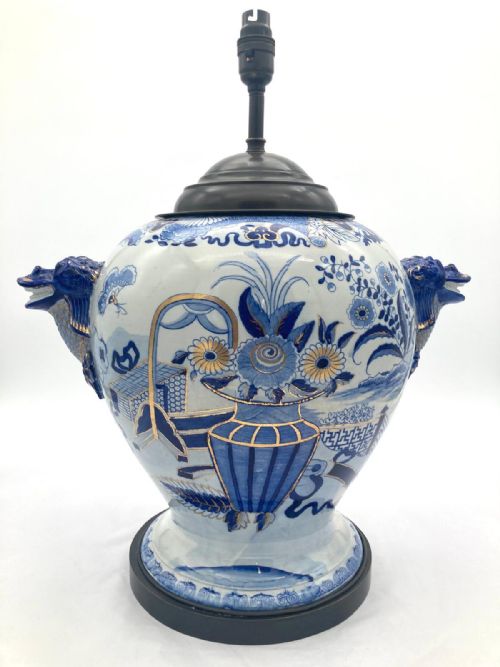

Regency Ceramic Urn
A regency ceramic urn brings classical elegance to a room, offering striking form and hand-painted detail from the Georgian and Regency periods.
Regency Ceramic Urn
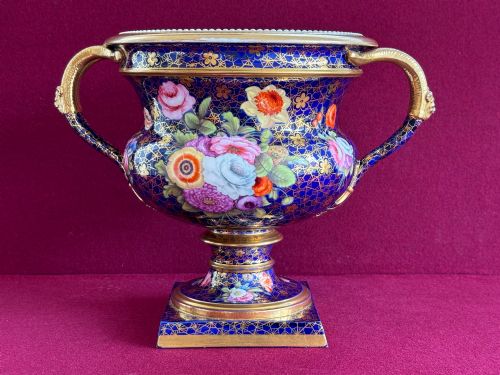
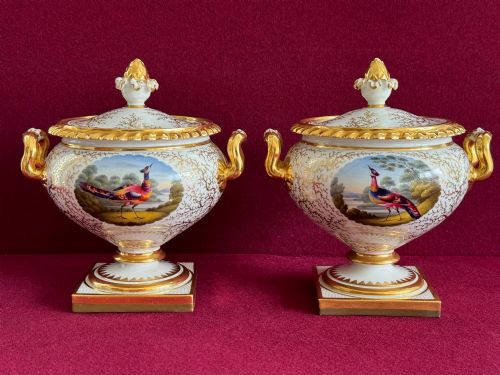
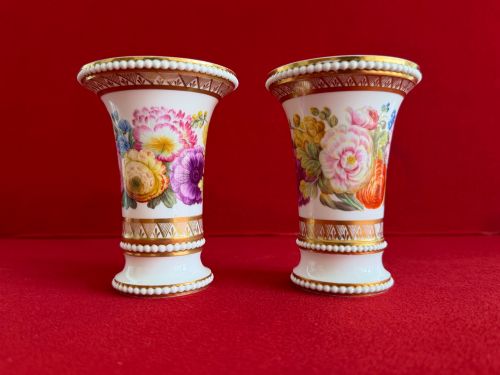
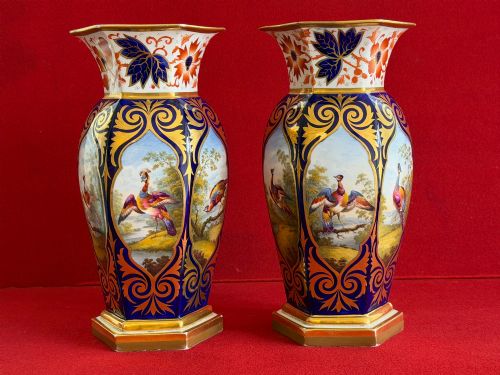
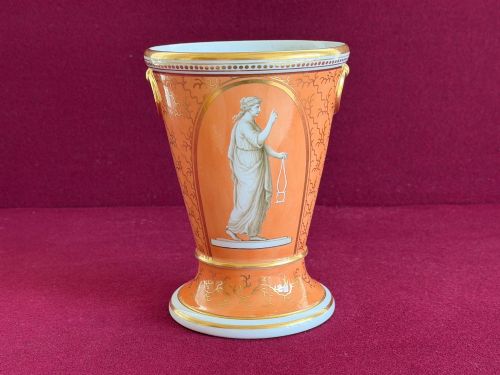
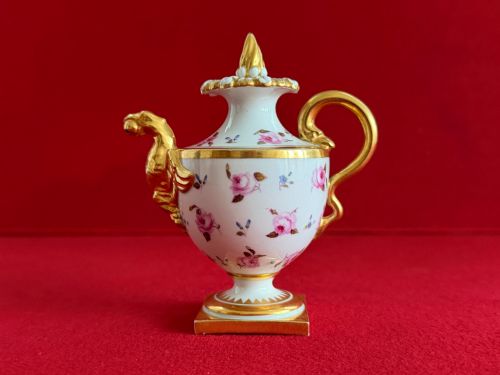
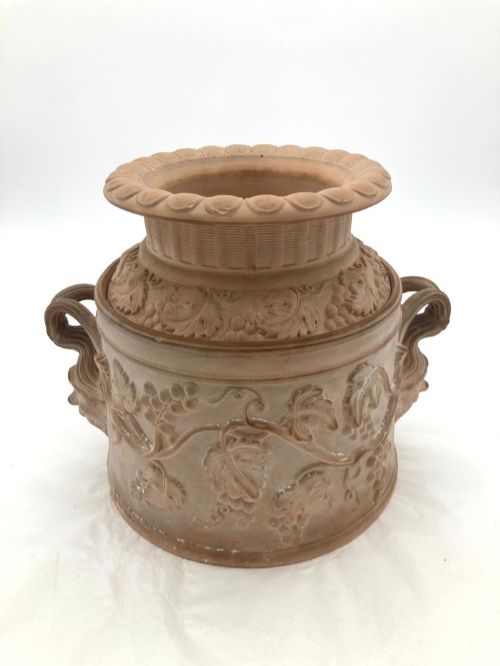
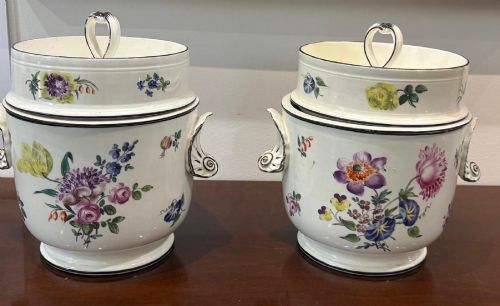
When searching for a regency ceramic urn, collectors encounter a variety of vessel forms created during the Georgian, Regency, and wider nineteenth-century eras. The selection on this page centres on decorative vases, ice pails, jardinieres, and wine coolers produced by prominent English factories.
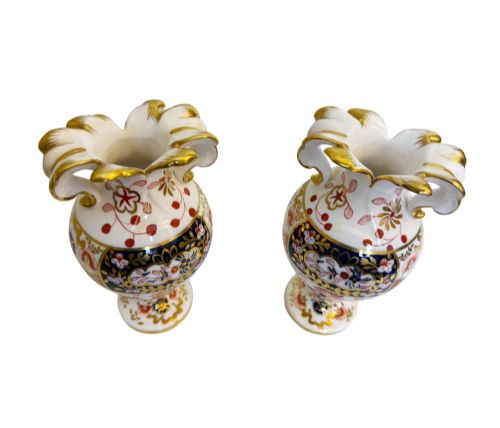
The most frequent examples originate from renowned Worcester manufactories alongside establishments like Spode and Mason's. These pieces manifest in distinct stylistic expressions, ranging from severe neoclassical lines to elaborate Regency Chinoiserie.
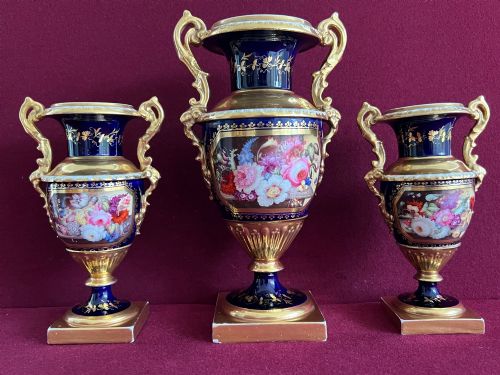
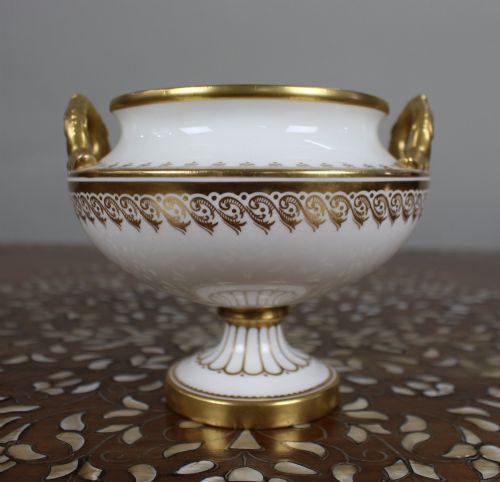
Beyond traditional vases, the category encompasses specialised serving vessels and garnitures designed for grand domestic interiors. Porcelain and ironstone dominate the selection, often shaped into classical campagna profiles or handled urns.
How they were made
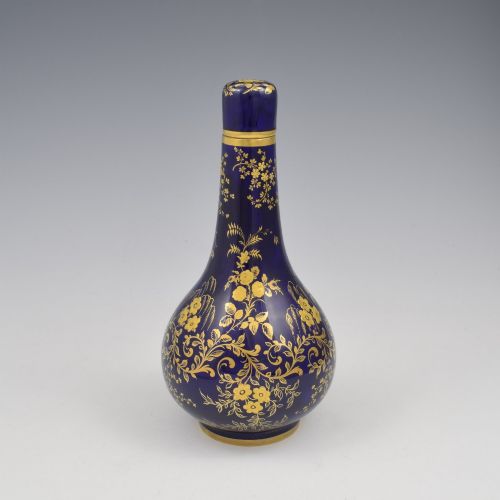
Potters utilised fine porcelain, earthenware, and heavy-duty ironstone to form these vessels, often applying moulded details before firing. Skilled artisans then embellished the surfaces by hand using vibrant enamel colours and intricate gold leaf gilding.
Factories employed sophisticated ceramic pastes to achieve thin, translucent porcelain walls in high-status pieces, while ironstone provided robust durability for large hall vases and coolers. Hand-painting remained essential for floral motifs, landscape panels, and exotic Chinoiserie patterns.
Listings span the Regency, Georgian, and wider nineteenth-century periods, utilising materials such as porcelain, ironstone, and gold leaf gilding.
What varies in quality
Quality in a regency ceramic urn rests upon the crispness of the moulding and the precision of the hand-painted decoration. Superior pieces display finely articulated handles, perfectly balanced gilding, and carefully controlled enamel firing without blurring.
The reputation of the maker heavily dictates distinction, with works from established Worcester partnerships or documented Spode and Mason's production holding superior artistic merit. Furthermore, completeness - such as retaining original matching covers or existing as an intact pair or garniture - elevates the standing of an object.
Flight Barr And Barr·Chamberlain Worcester·Spode·Masons Ironstone·Hicks And Meigh·H And R Daniel·Davenport
The Regency Ceramic Urn Glossary
- Campagna urn
- A bell-shaped vessel with a footed base and flared rim, heavily influenced by classical Roman archaeology.
- Ironstone
- A dense, durable ceramic body patented in the early nineteenth century to rival imported Chinese porcelain.
- Garniture
- A set of three or more matching vases or decorative objects designed to be displayed together on a mantelpiece.
- Chinoiserie
- A European artistic style reflecting Chinese motifs and decorative techniques, popular during the Regency period.
- Ice pail
- A specialised vessel equipped with liners and handles, utilised in grand dining settings to chill wine or ice.
Regency Ceramic Urn: Frequently Asked Questions
What is a campagna urn?
A campagna urn is a classical vessel shape characterised by a wide, flaring mouth, a deep bowl, and a pedestal foot.
Potters during the Regency period frequently utilised this antique silhouette for decorative porcelain and ironstone vases.
How were ironstone vases used?
Mason's and other factories produced heavy ironstone vessels to serve as decorative centrepieces, potpourri holders, or large hall vases.
Their robust ceramic body allowed for substantial forms that anchored grand nineteenth-century interior displays.
Are these urns made of porcelain?
Many listings feature fine porcelain from Worcester and Derby, prized for its smooth white surface and translucency.
Other examples utilise ironstone or earthenware, offering heavier substance and durability for functional cooling vessels.
What distinguishes Regency Chinoiserie?
Regency Chinoiserie combines European ceramic forms with stylized Eastern motifs, exotic landscapes, and vibrant enamel palettes.
This aesthetic reflected a widespread fascination with oriental design during the early nineteenth century.