

Hand Painted Spode Porcelain
Hand painted spode porcelain brings vibrant enamel work and meticulous detail into domestic spaces, prized for its exceptional artistry and rich ceramic heritage.
Hand Painted Spode Porcelain
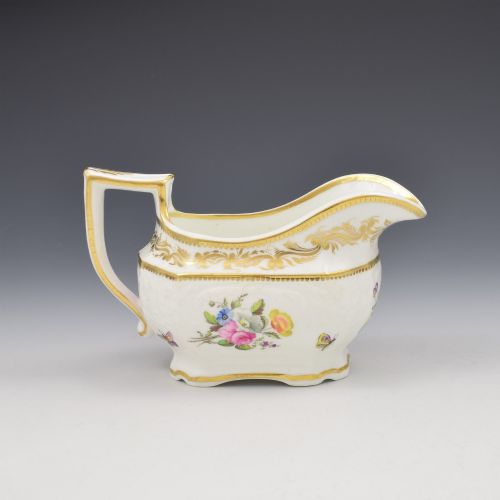
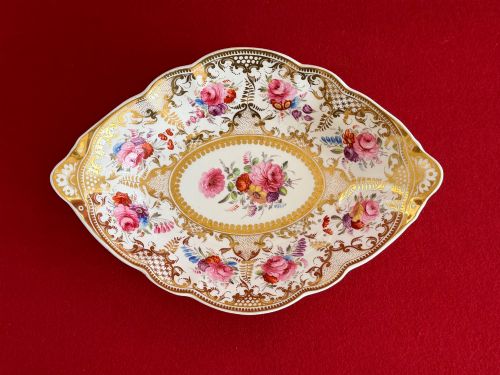
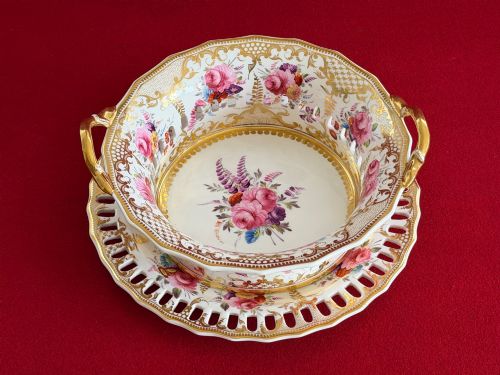
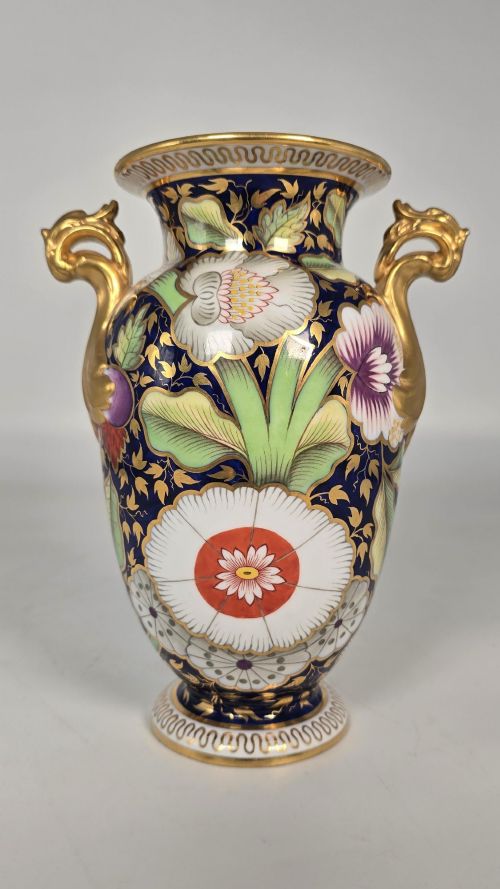
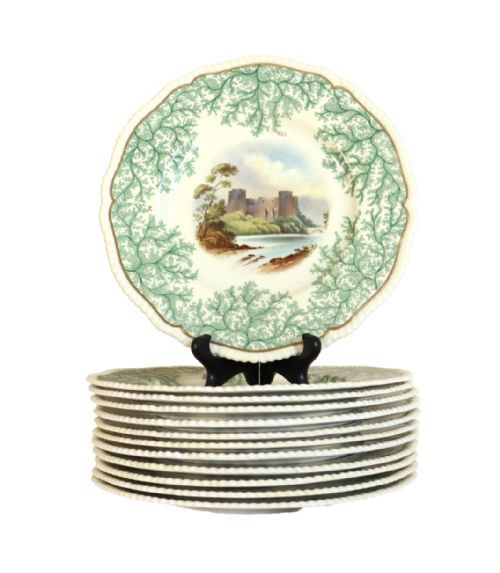
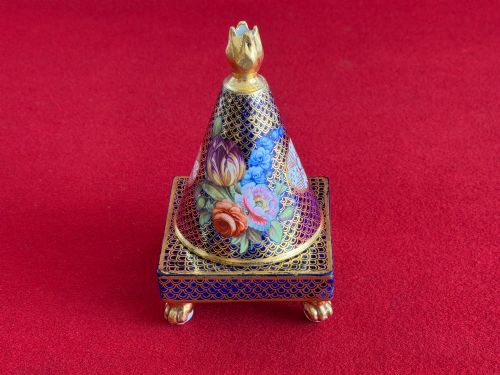
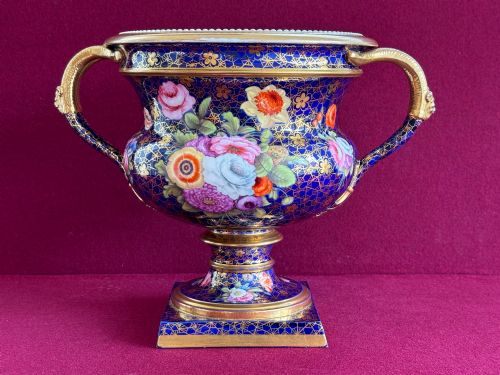
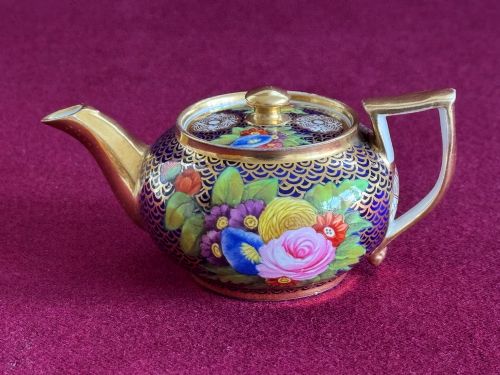
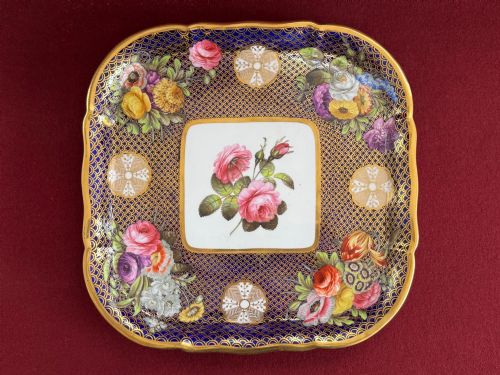
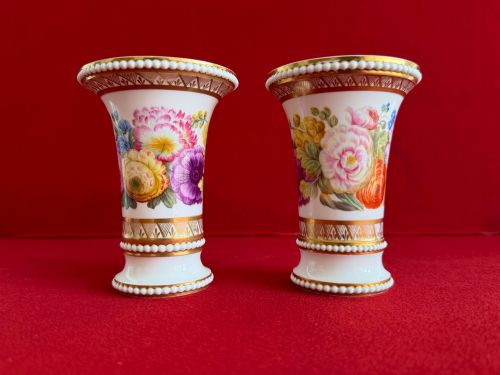
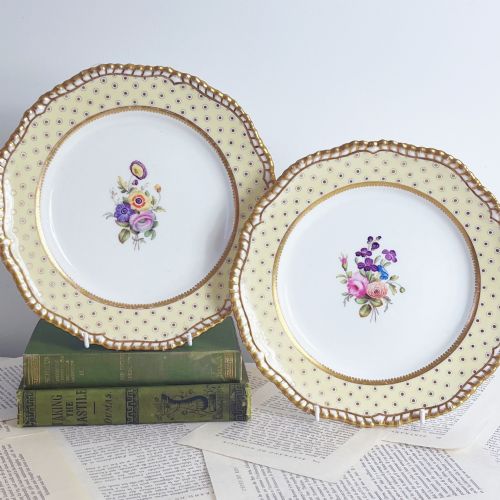
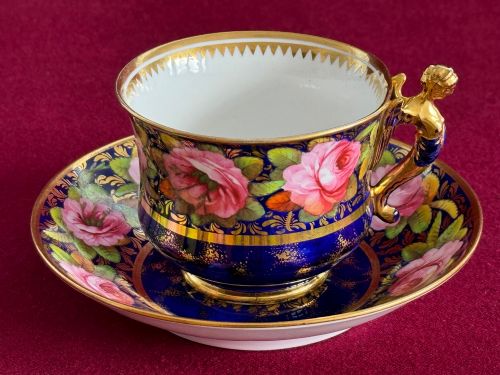
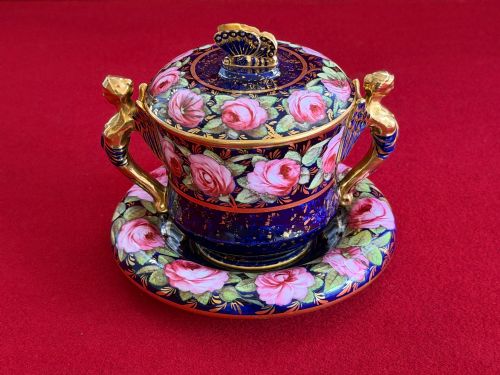
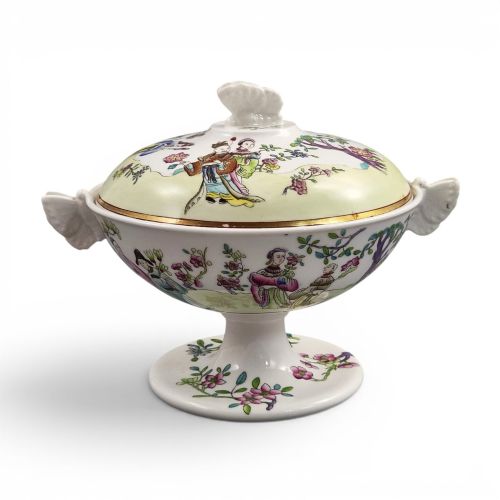
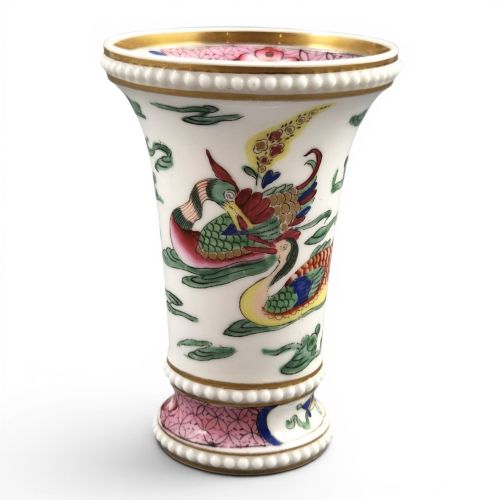
Hand painted spode porcelain encompasses a variety of decorative and utilitarian forms, including teacups, vases, dinner plates, and pastille burners. These objects reflect the sophisticated tastes of the Regency and Victorian periods, showcasing meticulous brushwork and vibrant enamel palettes.
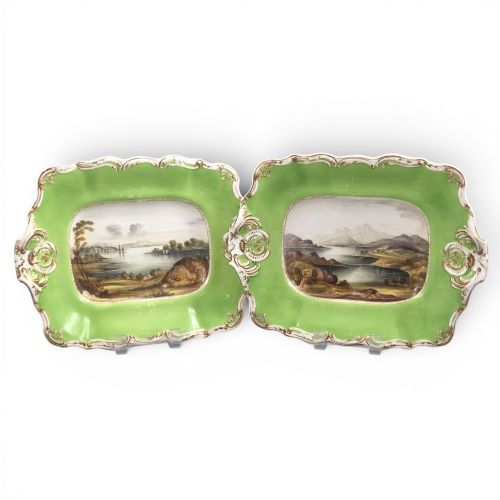
Buyers encountering this selection will frequently find items dating from the early nineteenth century, particularly pieces produced during the Regency era. Common forms range from cabinet plates and spill vases to more unusual items like toy teapots and image handle cups.
The assortment spans utilitarian dining wares and purely decorative objects, often marked by specific pattern numbers. This diversity allows collectors to acquire both grand service pieces and intimate cabinet items from the same historic tradition.
What varies in quality
The sophistication of the painted scene and the precision of the enamel work distinguish finer examples from standard production. Superior pieces display intricate brushwork, well-defined landscape or floral motifs, and lavish application of gold leaf.
The complexity of the ceramic form also influences the standing of an object, with moulded elements like cornucopia handles or sculptural cornucopia shapes demanding greater skill from the maker. Preservation of the original gilding and the crispness of pattern numbers further separate cabinet-grade pieces from everyday wares.
Hand Painted Spode Porcelain Retail Price Guide 2026
Typical asking prices for hand painted spode porcelain among the pieces listed under this phrase on Sellingantiques today, from the lower quarter to the upper quarter. They describe what is for sale here now, not the wider market.
Listings feature items spanning the Regency, Georgian, and Victorian periods, executed in porcelain, bone china, and felspar porcelain.
Spode·Copeland and Garrett·Copeland
The Hand Painted Spode Porcelain Glossary
- Felspar porcelain
- A durable body introduced in the nineteenth century containing feldspathic rock, which allowed for whiter and more robust forms. This composition became a staple for many decorative dishes and table wares.
- Pastille burner
- A small decorative vessel designed to burn scented pastilles, releasing fragrance through pierced covers. These objects often mirror architectural or classical forms.
- Spill vase
- A slender container intended to hold tapers used for lighting candles or fires. They were placed on mantelpieces and frequently decorated with painted views or botanical motifs.
- Sucrier
- A covered sugar basin designed to match tea and coffee services. They typically feature handled bodies and matching lids.
- Gilding
- The application of gold leaf or gold powder to ceramic surfaces for decorative emphasis. This technique highlights rims, handles, and painted borders.
Hand Painted Spode Porcelain: Frequently Asked Questions
How do I date spode porcelain?
Dating relies on recorded pattern numbers, material types such as felspar porcelain, and stylistic markers typical of the Regency and Victorian eras.
Changes in factory partnerships and backstamps also help narrow the production window for individual pieces.
Were these pieces meant for daily use?
Many items like dinner plates and teacups served practical dining functions in nineteenth-century households. Finer cabinet plates and decorative vases, however, were primarily intended for display.
Over time, utilitarian items transitioned into decorative collections due to their delicate enamel work.
How should I clean my porcelain?
Dust items gently with a soft, dry brush and avoid submerging pieces with delicate gilding in water. Hand washing in lukewarm water with mild soap is suitable only when necessary.
Harsh detergents and abrasive cloths will damage the hand-painted enamel and gold leaf.
What is pattern number spode?
Spode catalogued its painted designs using specific numbers written onto the base of each piece. These numbers correspond to factory pattern books detailing the specific palette and motif.
Matching pattern numbers help identify the exact production period and decorator style.