



Cobalt Gold Vessel
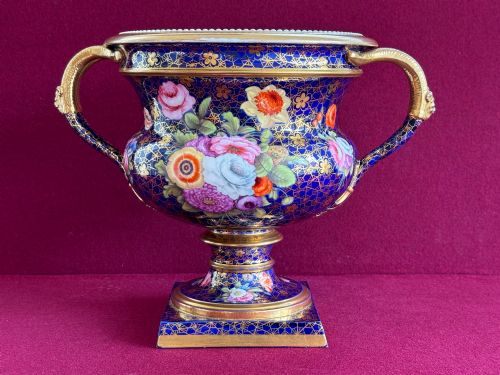
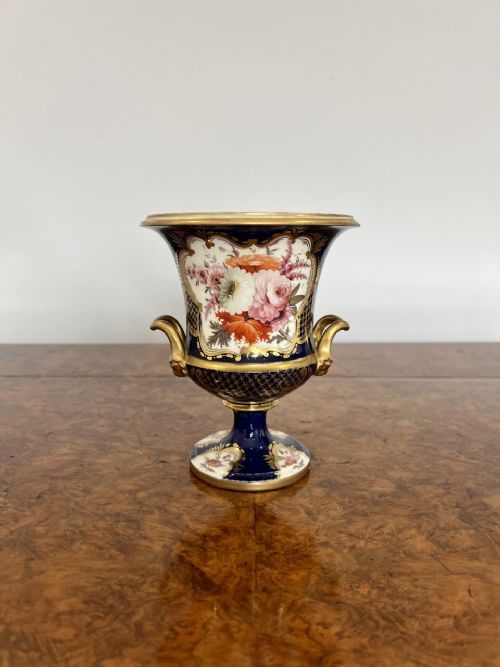
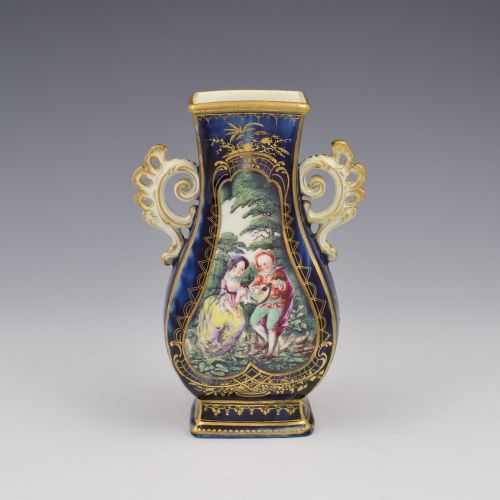
These cobalt gold vessel examples combine deep blue ceramic grounds with rich gilding, offering a striking display of historic craftsmanship that elevates any interior scheme.
Cobalt Gold Vessel
A cobalt gold vessel unites deep blue ceramic grounds with rich metallic embellishment, creating a striking decorative form. When you search for this phrase, you encounter diverse decorative ceramics ranging from campagna urns to lidded vases and jardiniere pots.
The pieces appearing on this page span several centuries and stylistic movements, with nineteenth century items and early twentieth century productions predominating. Makers utilised porcelain, soft-paste porcelain, and glazed earthenware as the foundational bodies for these rich colour combinations.
Forms vary from monumental Satsuma bowls to classical Vienna porcelain urns and delicate chocolate cups with covers. Each object demonstrates how historic potteries applied dark blue pigments alongside heavy gilding to achieve formal visual balance.
Materials and construction
Potters shaped these objects using porcelain, soft-paste porcelain, and earthenware bodies before applying deep cobalt blue grounds and firing the pieces. Enamel decoration and hand-painted scenes were often added over the glaze to introduce narrative panels and allegorical motifs.
Gilding techniques involved applying gold leaf, gold gilt, and liquid gold highlights across handles, rims, and borders. Artisans then fired the pieces again to bond the metallic decoration permanently to the ceramic surface.
Cobalt Gold Vessel Retail Price Guide 2026
Typical asking prices for cobalt gold vessel among the pieces listed under this phrase on Sellingantiques today, from the lower quarter to the upper quarter. They describe what is for sale here now, not the wider market.
Listings feature 19th Century, 1900, 1800, 18th Century, 1920, Regency, and 1880 periods across porcelain, earthenware, and soft-paste porcelain.
Assessing quality and execution
Quality reveals itself in the precision of the hand-painted details, such as figurative scenes and landscape panels executed by skilled artists. Superior examples display meticulous brushwork and intricate moriage relief work rather than mechanical transfer printing.
The application of gold leaf and gilding dictates the visual weight and refinement of each piece. Heavier, more burnished gold ornamentation denotes superior workshop standards compared to thinner, flat metallic applications.
Spode·Chelsea Porcelain·Coalport·Carlton Ware·Flight Barr and Barr Worcester·Royal Doulton·Royal Vienna·Royal Worcester
The Cobalt Gold Vessel Glossary
- Cobalt blue
- A deep blue metallic oxide pigment used under the glaze to create intense background colour on ceramic bodies. This pigment withstands high firing temperatures without losing its chromatic density.
- Gilding
- The application of gold leaf, gold gilt, or powdered gold onto the surface of porcelain and earthenware. It highlights handles, rims, and decorative borders.
- Campagna urn
- A bell-shaped classical vessel form with a flared rim, standing on a pedestal base. Originating in antiquity, this shape became popular during the Regency period and nineteenth century.
- Soft-paste porcelain
- A ceramic composition made from white clay mixed with ground glass and other materials, fired at lower temperatures than hard-paste. It possesses a warm tone and a slightly softer glaze texture.
- Moriage
- A decorative technique using slip trailing to build up raised patterns of dots and lines on Japanese ceramics. Artisans frequently highlight these textured designs with heavy gilding.
Cobalt Gold Vessel: Frequently Asked Questions
How do I clean a cobalt gold vessel?
Dust these decorative ceramics gently with a soft, dry cloth to remove surface particles.
Avoid using liquid cleaners, abrasive pads, or immersion in water, as moisture can damage delicate gilding and overglaze enamel work.
Can I use these vessels for fresh flowers?
Most antique porcelain and earthenware vessels are intended for decorative display rather than holding water.
Introducing moisture into older soft-paste bodies or through hairline cracks can cause staining or structural deterioration over time.
How do I date a piece with cobalt and gold?
Examine the base for factory marks, pattern numbers, and signatures that correspond to specific historic periods.
Stylistic indicators such as Regency campagna shapes, Victorian classical motifs, or Meiji period moriage provide additional chronological context.
What is the difference between porcelain and earthenware?
Porcelain is fired at extremely high temperatures to create a vitrified, non-porous body that rings when struck.
Earthenware uses a more porous clay body that requires an opaque or translucent glaze to seal the surface.
Where were these decorative vessels displayed historically?
Owners placed these items on mantelpieces, sideboards, and occasional tables as focal points in formal reception rooms.
Their rich cobalt grounds and gold leaf ornamentation were designed to catch candle or gas light during evening gatherings.