
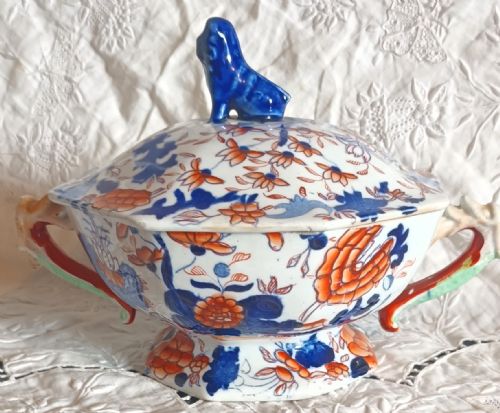


Regency Ceramic Serving Dish
A regency ceramic serving dish brings the bold transfer prints and rich porcelain of the early nineteenth century straight to the dining table.
Regency Ceramic Serving Dish
A regency ceramic serving dish covers a broad range of domestic dining wares produced during the Georgian, Regency, and early Victorian periods. These functional vessels include large meat platters, vegetable tureens with covers, draining dishes, and low comports designed for formal dining.
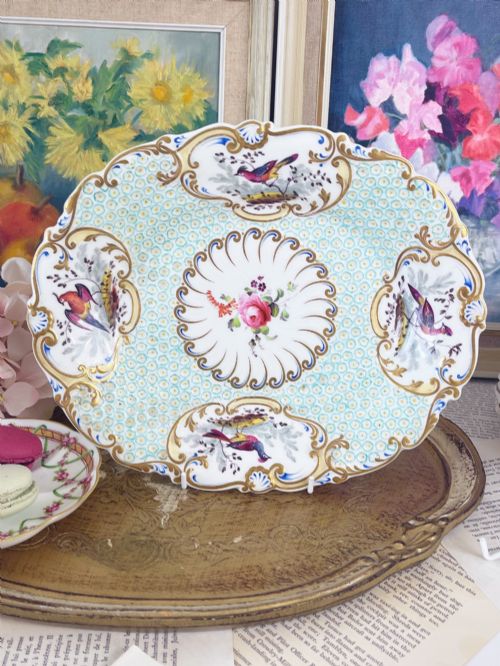
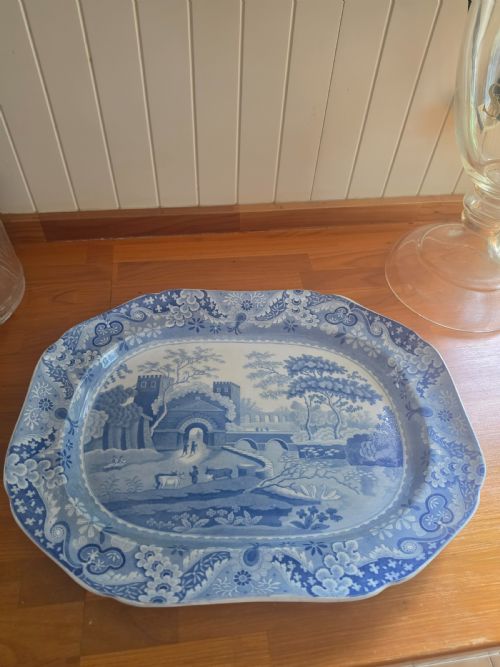
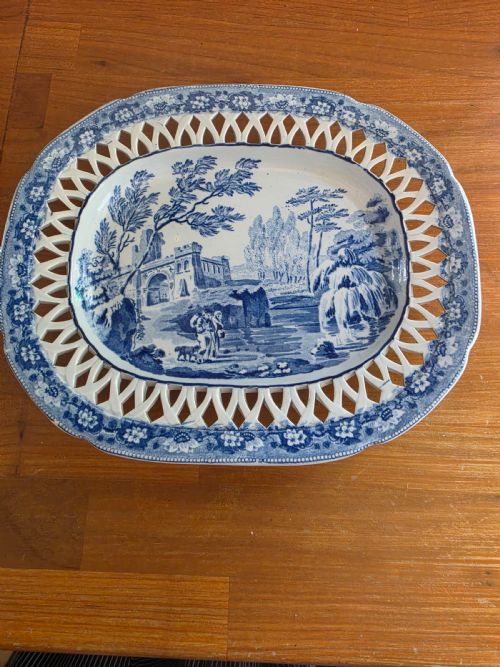
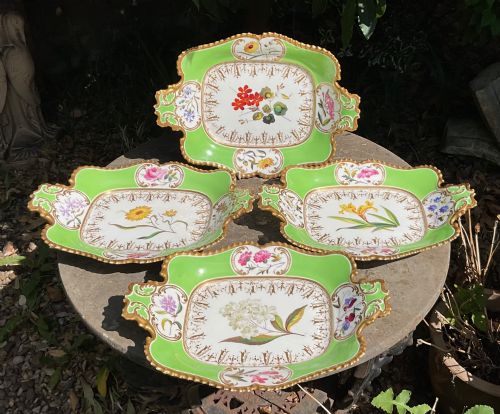
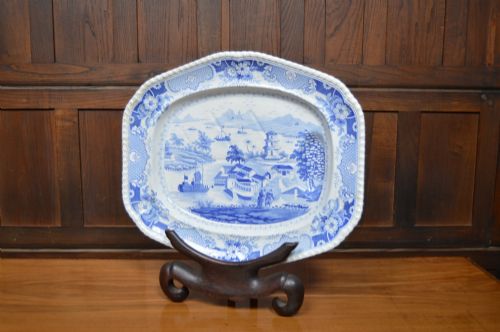
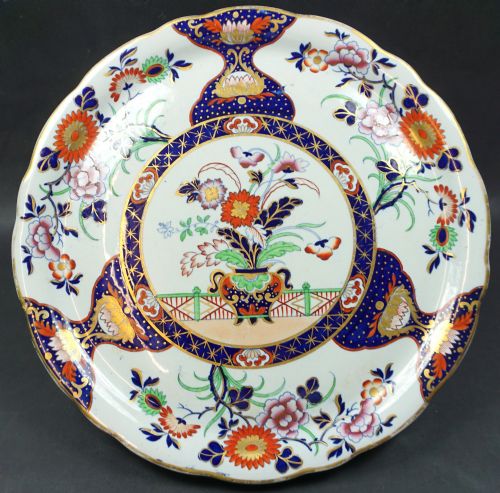
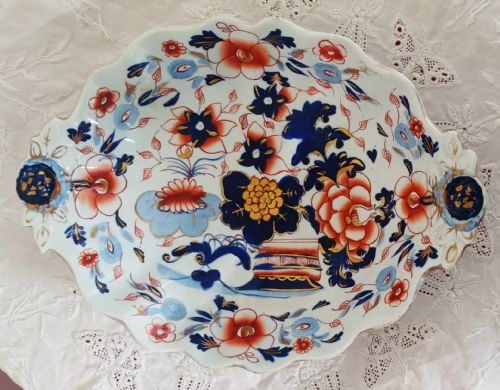
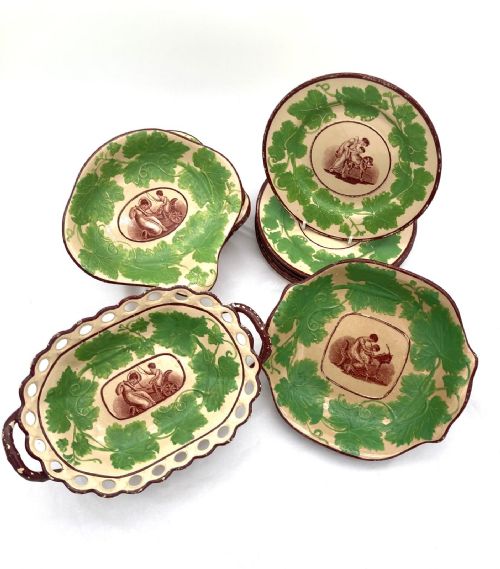
The pieces appearing on this page span earthenware, ironstone, and porcelain, frequently decorated with blue and white transfer prints, botanical studies, or hand-painted Chinoiserie motifs. Makers utilised shapes from simple oval platters to twin-handled entrée dishes and complex supper sets.
Buyers encounter items originating from prominent factories such as Spode, Mason's, and Chamberlain's Worcester. These utilitarian yet decorative items reflect the shifting tastes of the early 1800s, moving from classical botanical themes to expansive landscape scenes.
How they were made
Potters shaped these vessels using earthenware, dense ironstone, and refined porcelain pastes, often incorporating felspar for added durability. Ironstone bodies allowed factories to produce heavy, robust meat platters capable of withstanding the demands of large country house dining.
Decoration relied heavily on copperplate transfer printing in deep blue, supplemented by hand-applied enamel colours, gold leaf accents, and underglaze washes. Manufacturers subjected these ceramics to multiple kiln firings to fuse the glaze and fix intricate patterns like India Temple and Tower.
Listings feature earthenware, ironstone, and porcelain across Georgian, Regency, and Victorian periods.
What varies in quality
Quality reveals itself in the crispness of the transfer print and the delicacy of the porcelain body. Early examples exhibit fine, unblemished glazes and precise hand-painting over printed outlines, while lesser pieces show blurring or pooling in the blue transfer.
The presence of factory marks, impressed ciphers, and named patterns separates standard utility wares from exhibition pieces. Superior items feature complex moulding, crisp gadroon borders, and intact gilding that survived decades of use.
H & R Daniel·Spode·Davenport·Chamberlains Worcester·Hicks & Meigh·Mason's Ironstone·Flight Barr & Barr·Coalport·Ridgway·Minton·Copeland & Garrett·Bloor Derby
The Regency Ceramic Serving Dish Glossary
- Ironstone
- A dense, heavy ceramic body patented in the nineteenth century to rival imported Chinese porcelain. It resists chipping and forms the base of many durable meat platters.
- Transferware
- Pottery decorated by applying a paper impression from an inked copperplate onto the ceramic surface. This technique allowed factories to produce detailed pictorial scenes efficiently.
- Comport
- A raised dish or bowl used for serving fruit or sweets during dessert courses. These pieces often feature low foot rings or pedestals.
- Tureen
- A deep covered vessel designed for serving soups, vegetables, or sauces at the table. Matching stands and drainers frequently accompanied larger meat tureens.
- Imari
- A decorative style inspired by Japanese export porcelain, utilising iron red, cobalt blue, and gold leaf. Regency potters adapted these vibrant palettes for British dining services.
Regency Ceramic Serving Dish: Frequently Asked Questions
How do I date a transferware platter?
Dating relies on factory marks, registry diamonds, and the specific style of the blue and white transfer print. Early nineteenth-century pieces often feature distinct cobalt shades and specific landscape series names.
Examining the base for impressed maker ciphers helps narrow the production window further. Unmarked items require comparison of potting weight, glaze characteristics, and edge moulding.
Were these dishes meant for daily use?
Many heavy ironstone and earthenware platters served heavy dining duties in country houses during the Georgian era. Large meat dishes handled substantial joints, while dedicated drainers managed the juices.
Finer porcelain dishes and comports were reserved for dessert courses and formal entertaining. Their survival depends heavily on how carefully past households handled them.
What is the difference between ironstone and porcelain?
Ironstone is an opaque, highly durable earthenware developed to withstand rigorous dining use. It offers weight and strength while mimicking the utility of true porcelain.
Porcelain is a finer, translucent ceramic body fired at higher temperatures. Wears made of porcelain display greater delicacy and were prized for fine dessert services.
How should I clean antique ceramic dishes?
Gentle washing in warm water with mild soap preserves the delicate enamel and gold leaf on early nineteenth-century pieces. Harsh detergents and modern dishwashers damage soft glazes and transfer prints.
Allowing items to air dry on a soft towel prevents accidental chipping against modern sink basins. Careful handling protects vulnerable handles and moulded rims.