


Antique Spode Transferware
Antique spode transferware brings blue and white scenery to the table through durable earthenware bodies made for daily use.
Antique Spode Transferware
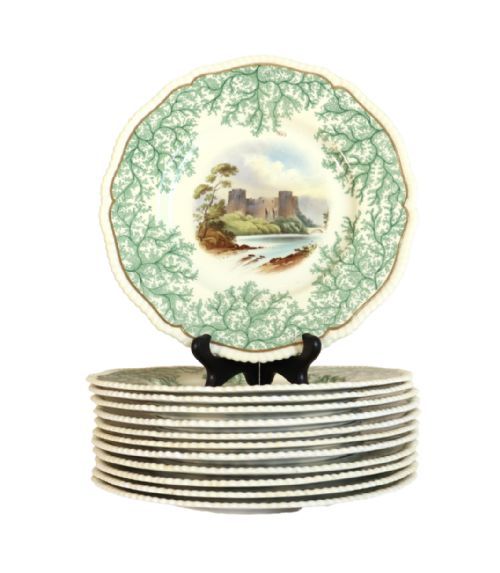
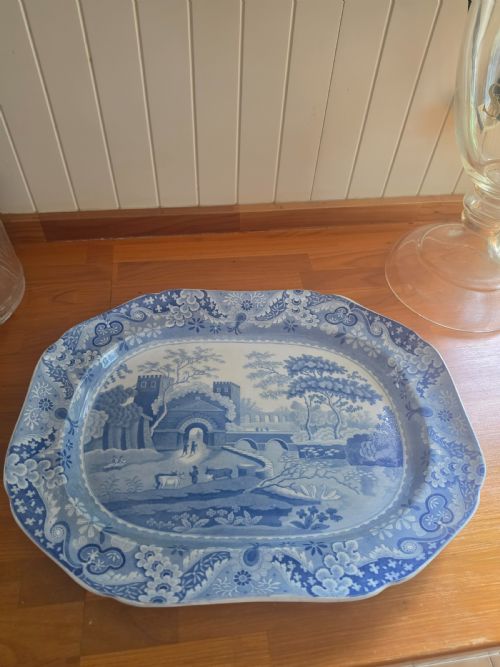
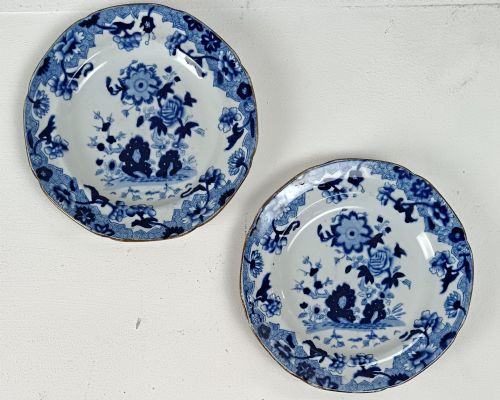
Buyers seeking antique spode transferware encounter a variety of serving platters, dinner plates, and tea services decorated with blue print designs. The selections span the nineteenth century, including Georgian, Regency, and Victorian periods.
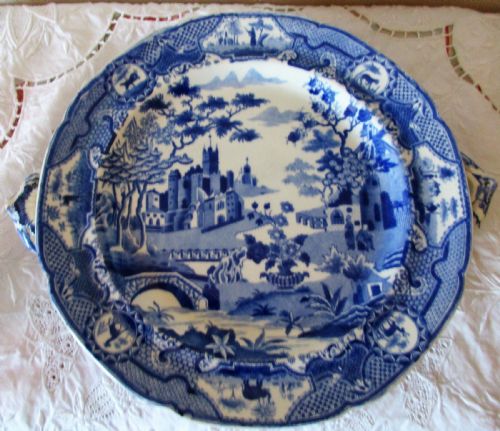
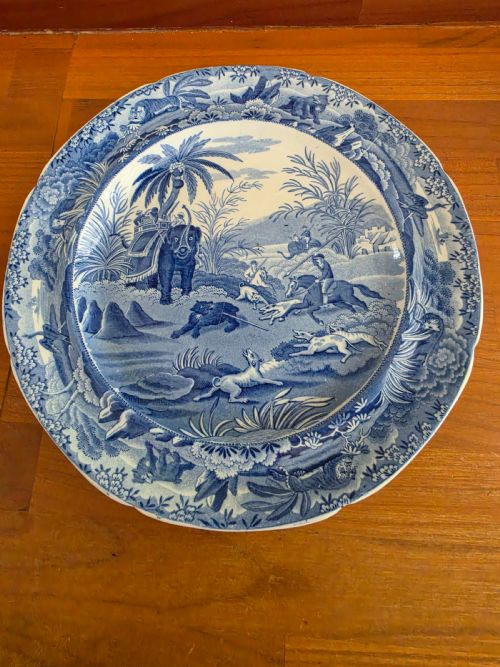
Scenic patterns such as Italian, Tower, and landscape views dominate the available forms. Plates, meat platters, and footbaths show transfer printing applied under the glaze.
Earlier pieces incorporate pearlware and New Stone bodies alongside standard earthenware. Later examples extend into the mid-nineteenth century under Copeland and Garrett management.
Materials and production methods
Potters formed earthenware, pearlware, and ironstone bodies before applying copper-plate transfer prints. Cobalt blue pigment carried the designs onto the ceramic surface.
A transparent glaze sealed the transfer print during kiln firing to protect the decoration. Gilding and enamel highlights occasionally appear on select patterns.
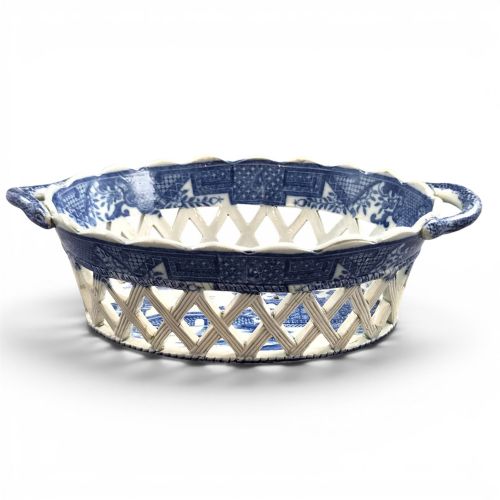
Reticulated pieces such as chestnut baskets required careful piercing of the wet clay body prior to firing. Glazed ceramic surfaces provided the smooth ground necessary for detailed landscape transfers.
Listings feature nineteenth-century items spanning Georgian, Regency, Victorian, and Edwardian styles on earthenware, pearlware, and ironstone.
Distinctions in quality and execution
Clarity of the transfer print determines visual success across different examples. Sharp lines in complex scenes separate superior items from blurred impressions.
The weight and refinement of the ceramic body differ between standard earthenware and dense ironstone or New Stone. Surface preservation and glaze uniformity also influence the character of each piece.
Spode·Copeland·Copeland and Garrett
The Antique Spode Transferware Glossary
- Transferware
- Pottery decorated by transferring a printed design from an engraved copper plate onto tissue paper and then onto the unglazed or biscuit ceramic surface.
- Pearlware
- A refined earthenware developed with a bluish-tinted glaze that pooled slightly in crevices to mimic Chinese porcelain.
- Ironstone
- A heavy, durable type of earthenware patented to resist chipping and heavy kitchen use.
- Reticulated
- Decorated with an openwork pierced lattice pattern formed in the clay before firing.
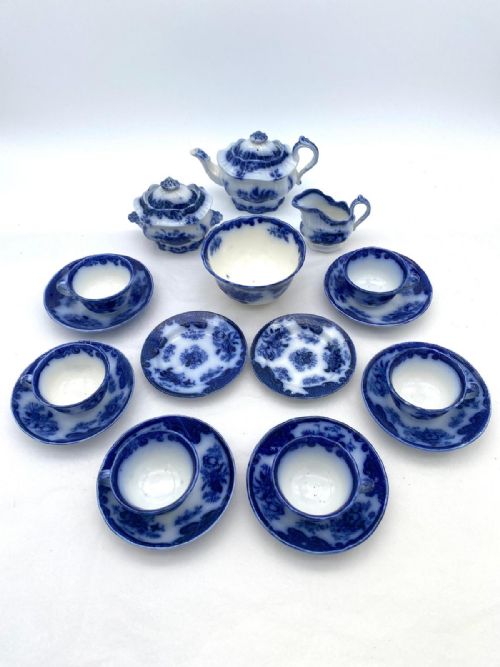
- Flow blue
- A style of transfer printing where the cobalt pigment intentionally blurred into the surrounding glaze during the kiln firing.
Antique Spode Transferware: Frequently Asked Questions
How do I date antique spode transferware?
Dating relies on ceramic bodies such as pearlware or ironstone, alongside pattern names and maker marks. Reference books help match specific landscape titles to production decades.
Changes in backstamps across the nineteenth century provide further chronological markers for individual plates and platters.
Can I use these plates for dining?
Many buyers prefer to display serving platters and dinner plates on walls or dressers rather than risking daily wear. Earthenware bodies can be sensitive to modern dishwashers.
Gentle hand washing preserves the underlying glaze and delicate blue transfer printing on older pieces.
Why do some patterns appear blurry?
Flow blue transferware purposely allowed the cobalt pigment to bleed into the glaze during firing. This created a hazy, atmospheric effect valued by collectors.
Standard patterns maintained crisp lines to clearly define architectural and landscape details.