


Regency Brass Grille Cabinet
A regency brass grille cabinet brings architectural refinement to a room through fine timber and woven metalwork.
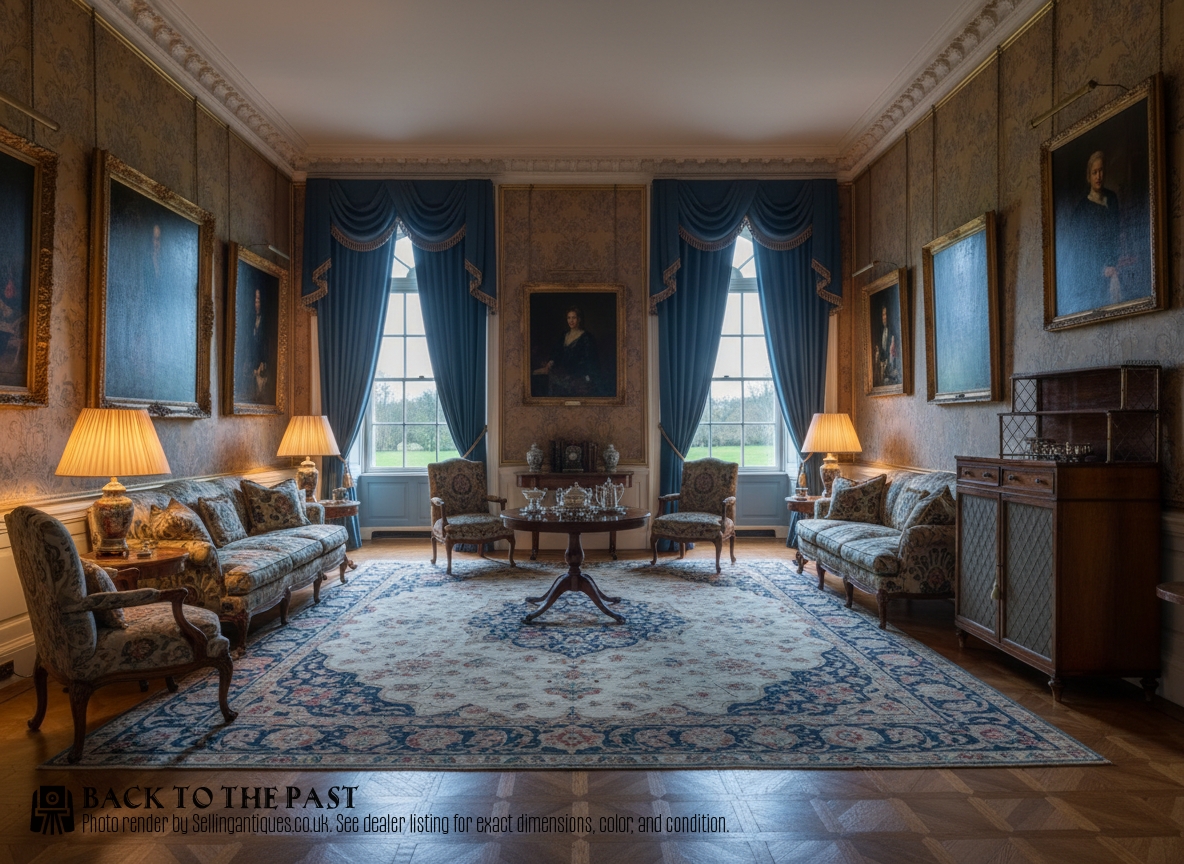
Regency Brass Grille Cabinet
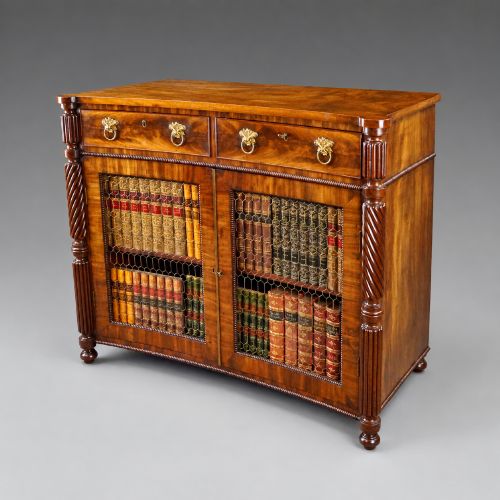
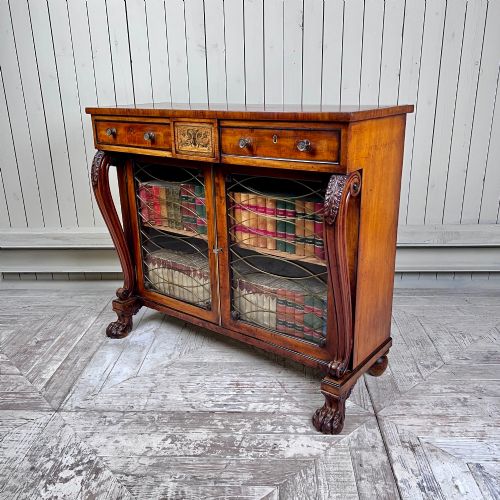
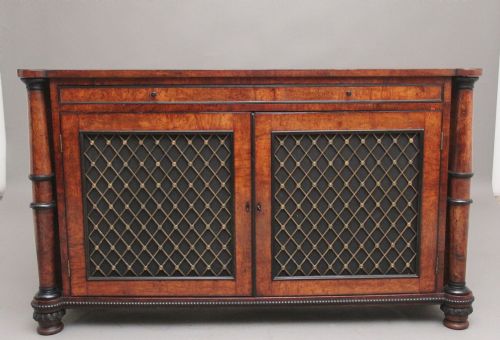
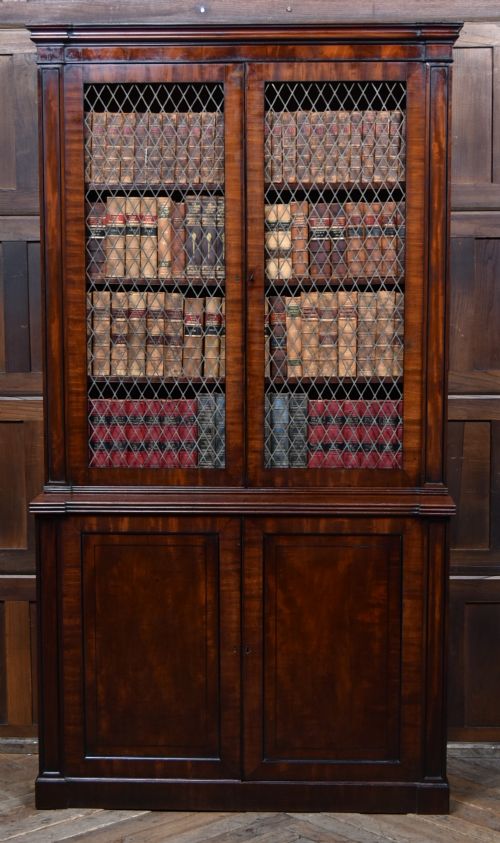
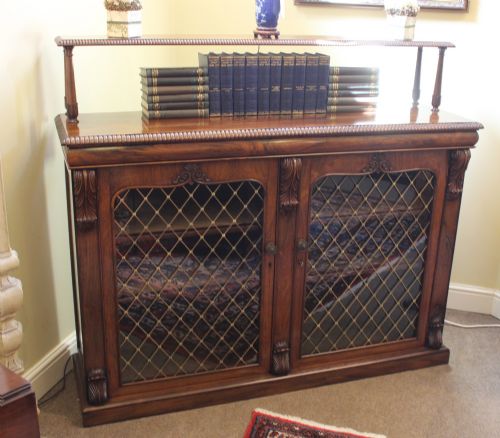
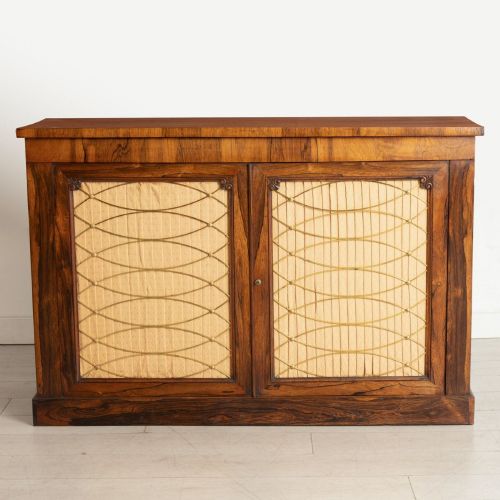
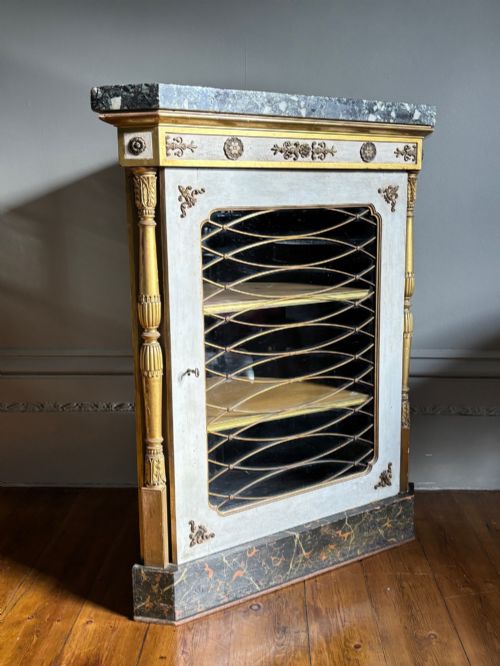
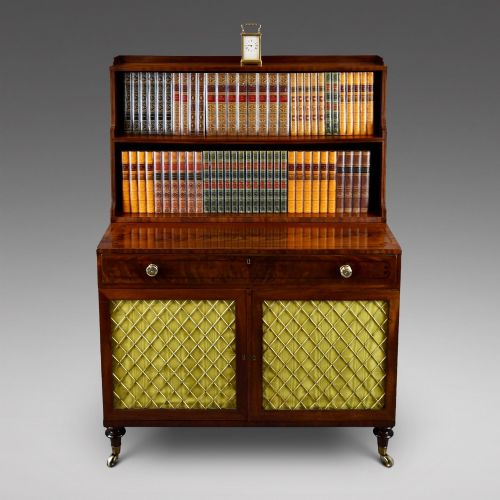
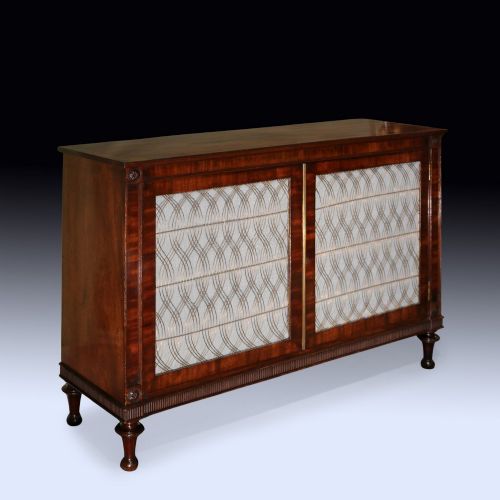
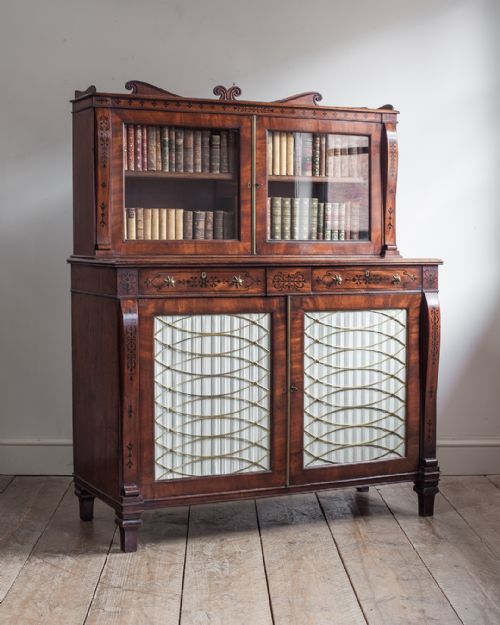
A regency brass grille cabinet combines timber construction with wire mesh door panels designed to display and protect contents. These pieces appear primarily as side cabinets, chiffoniers, and bookcases spanning the Regency period through the nineteenth century.
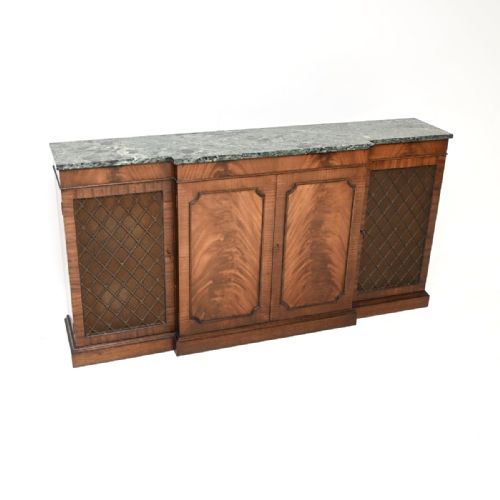
The materials recorded in these pieces include mahogany, rosewood, walnut, and pollard oak, often accented with brass inlay and fabric linings behind the wire mesh. Forms range from compact corner cupboards and pier cabinets to larger breakfront side cabinets and four-door bookcase cabinets.
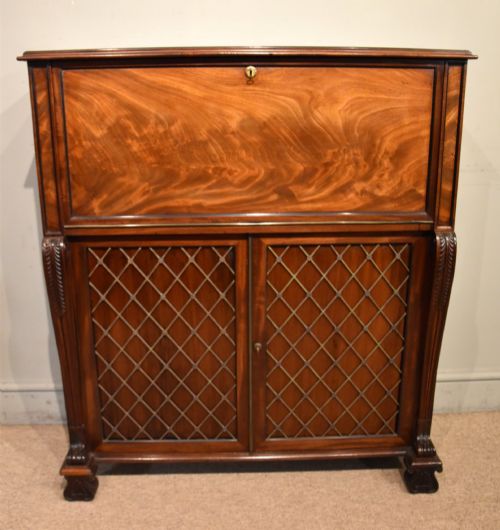
Makers such as Gillows contributed to this form, producing side cabinets and chiffoniers with secretaire drawers and mahogany linings. Buyers encounter both authentic period examples and later nineteenth-century interpretations sharing similar proportions and decorative details.
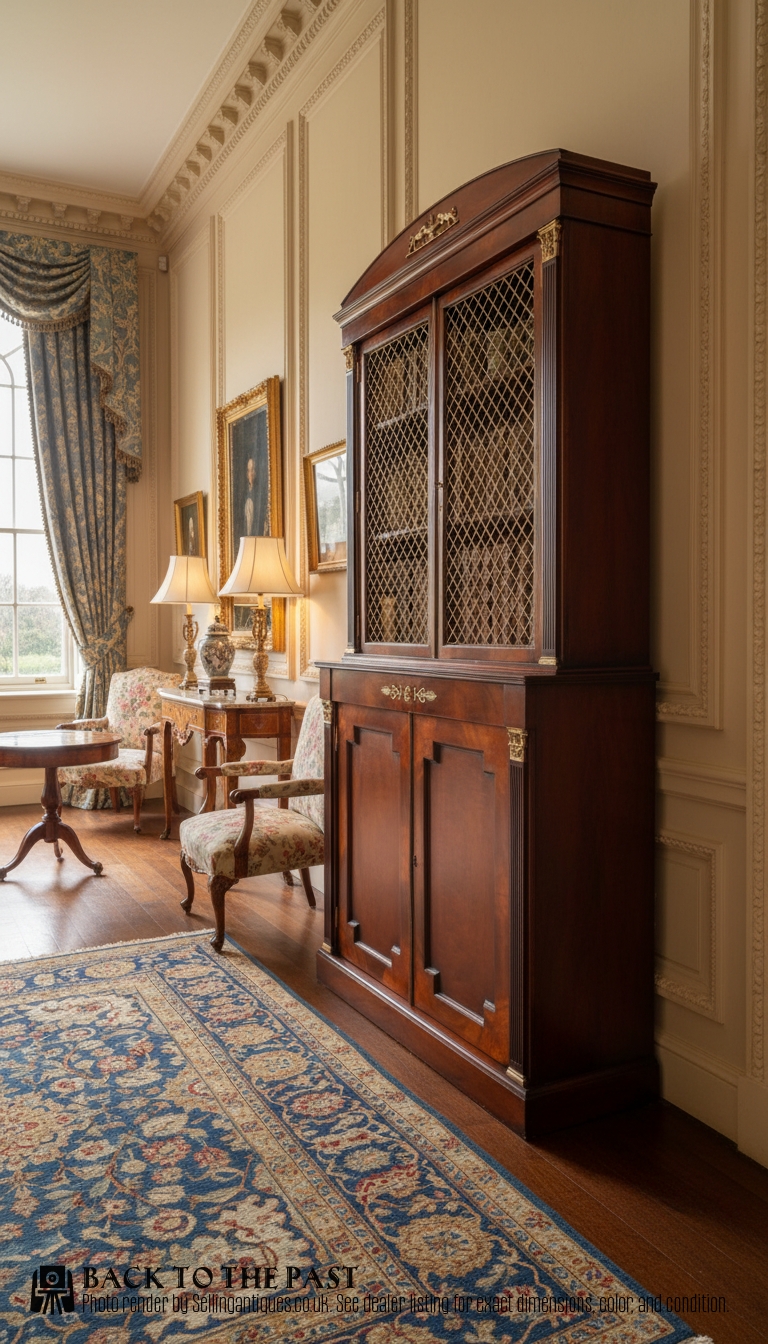
Materials and construction
Cabinetmakers utilised dense timbers such as mahogany and rosewood as the primary carcase materials, occasionally incorporating ebony, satinwood, and pollard oak for contrast. These woods were selected for stability and figured grain patterns that suited formal interiors.
The distinctive brass grilles were woven or pierced into geometric patterns and fitted into wooden door frames, frequently backed with pleated fabric to conceal shelf contents. Brass inlay and stringing further articulated the architectural lines of the furniture.
Regency Brass Grille Cabinet Retail Price Guide 2026
Typical asking prices for regency brass grille cabinet among the pieces listed under this phrase on Sellingantiques today, from the lower quarter to the upper quarter. They describe what is for sale here now, not the wider market.
Materials recorded across the inventory include mahogany, rosewood, walnut, pollard oak, satinwood, ebony, marble, and brass.
Evaluating quality and execution
The refinement of the brass grille work and the precision of its integration into the door frames distinguish finer examples. Superior pieces display crisp casting or drawing in the metalwork and meticulous matching of timber veneers across the facade.
Secondary woods and internal linings indicate the standard of workshop production, with mahogany linings and fitted secretaire drawers marking higher status furniture. The balance of proportions between the timber frame and the glazed or grilled sections determines the visual success of the piece.
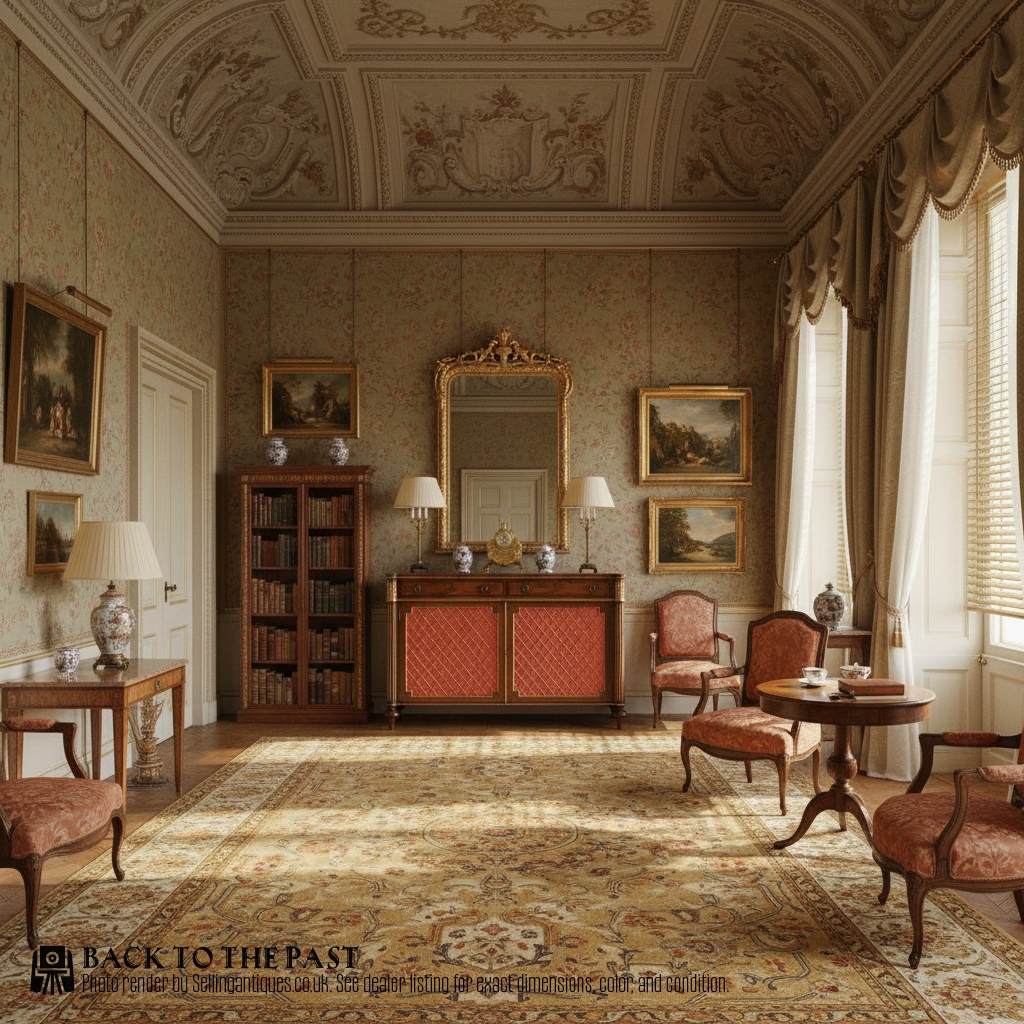
Gillows
The Regency Brass Grille Cabinet Glossary
- Brass grille
- A woven or pierced metal mesh fitted into cabinet doors instead of plain glass. This allowed ventilation for books and linen while maintaining a decorative facade.
- Chiffonier
- A low cabinet developed in the early nineteenth century, typically featuring shelves or a superstructure above enclosed cupboards. They frequently incorporated brass grilles and fabric backings.
- Breakfront
- A piece of furniture where the central section projects forward from the flanking wings. This plan created depth and variation in large bookcases and side cabinets.
- Secretaire
- A writing drawer containing a drop-front panel and small internal pigeonholes and drawers. It provided a compact desk surface within a larger cabinet carcase.
- Pier cabinet
- A narrow cabinet designed to fit the wall space between windows. They often utilised mirrored backs or brass grilles to reflect light in formal rooms.
Regency Brass Grille Cabinet: Frequently Asked Questions
What are brass grille cabinets?
Brass grille cabinets are storage furniture featuring wire mesh door panels instead of plain wood or glass. They were designed for libraries, drawing rooms, and dining spaces to store books and display valued objects.
The metal mesh allowed air circulation while keeping contents secure. Cabinetmakers paired these grilles with rich timbers like mahogany and rosewood to suit formal interiors.
How were these cabinets used?
Original owners utilised these cabinets to store delicate volumes, porcelain, and linens. The enclosed lower sections hid utilitarian items while upper shelves displayed decorative collections.
Some examples included integrated writing drawers or display tiers. This made them versatile furniture for sitting rooms and libraries.
How do I date a cabinet?
Dating relies on timber choices, construction methods, and stylistic details. Regency and Georgian pieces often feature solid mahogany or rosewood veneers over pine or oak secondary woods.
Later nineteenth-century examples incorporate similar forms with variations in hardware and internal linings. Examining drawer construction and backboards helps determine the period of manufacture.
How do I style one at home?
These cabinets suit living rooms, dining spaces, and hallways as focal storage pieces. The warm tones of mahogany and rosewood anchor a room while the brass grille adds metallic texture.
Behind the grille, neutral pleated fabric or simple glass reflections can be adjusted to suit modern interiors. They provide practical display space without overwhelming surrounding furniture.