


Regency Armchair
A regency armchair brings distinct architectural form and library comfort to an interior, shaped by early nineteenth-century design.
Regency Armchair
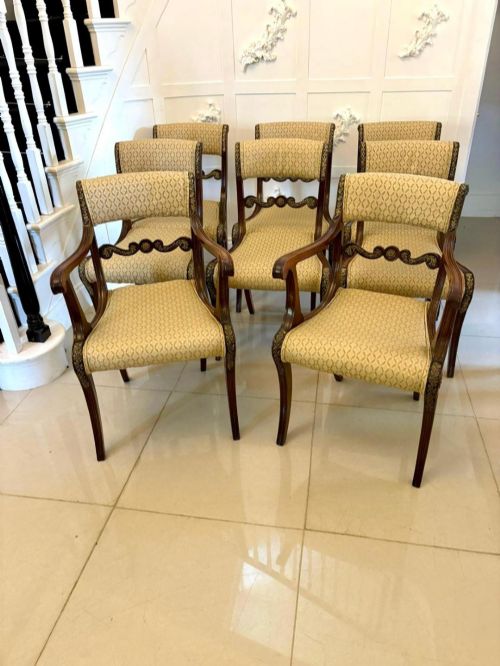
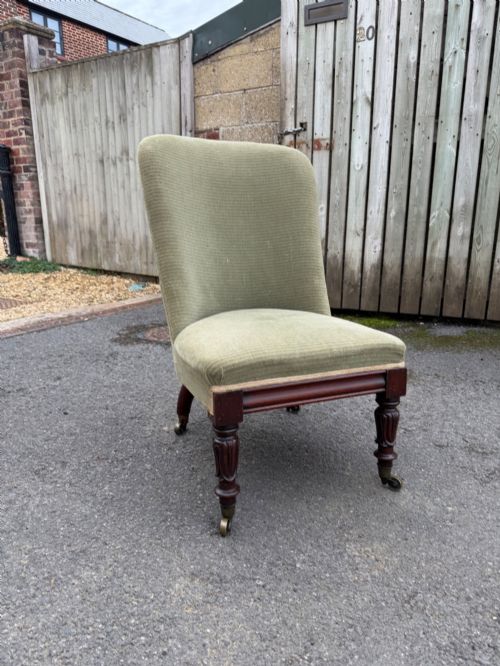
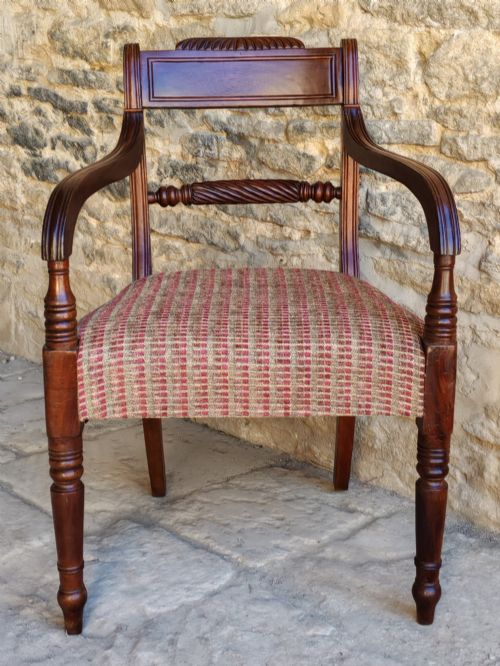
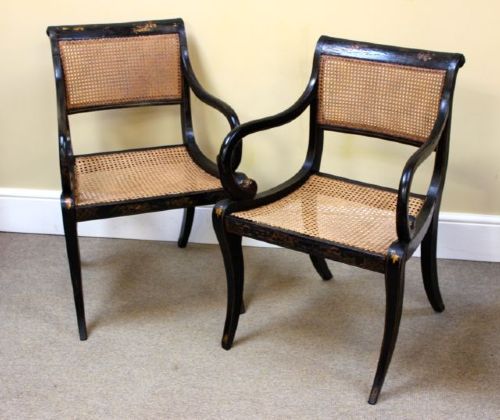
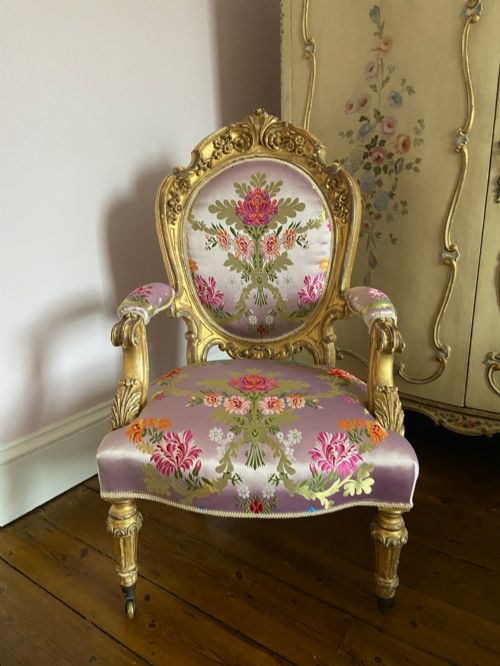
A regency armchair encompasses seating forms spanning library chairs, dining carvers, and low tub seats created during the early nineteenth century and later revival periods.
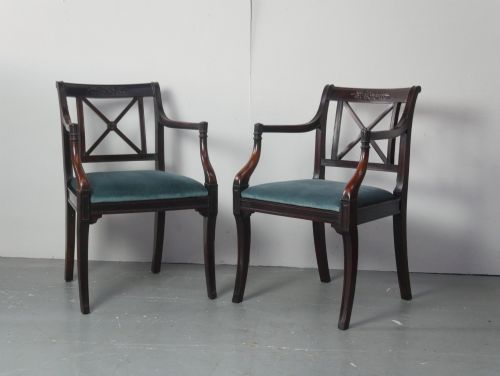
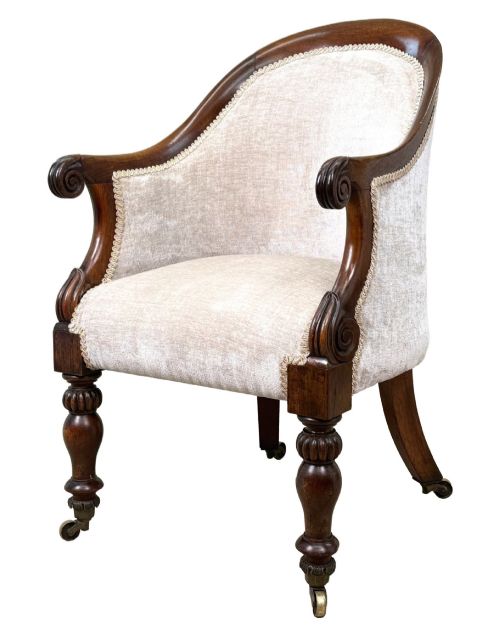
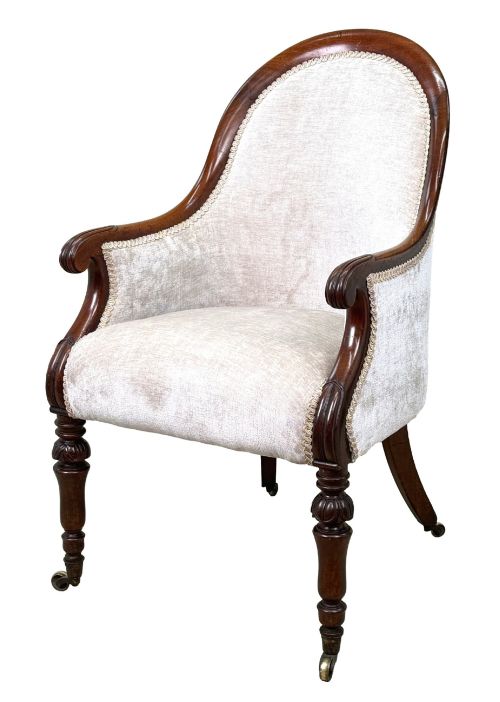
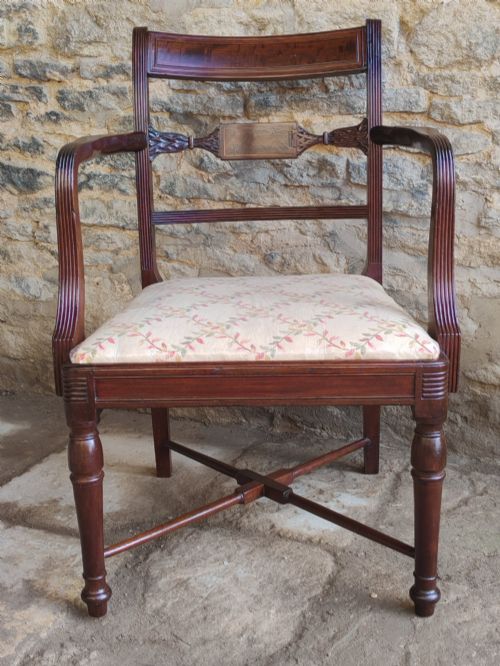
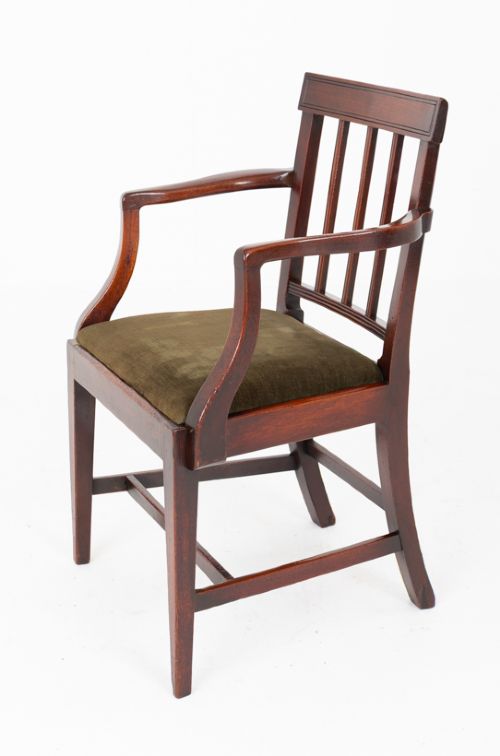
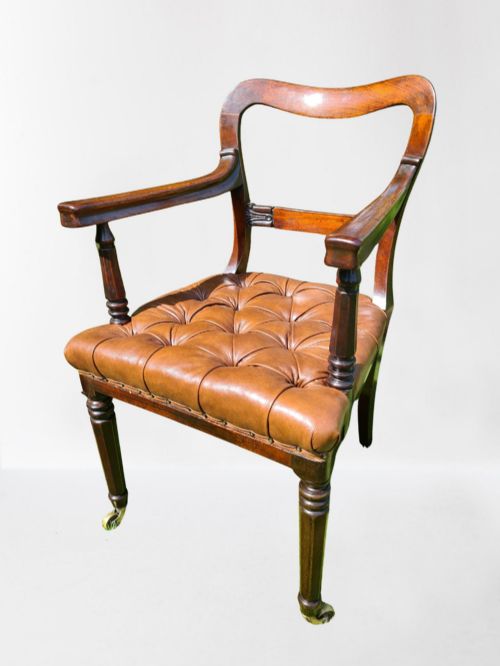
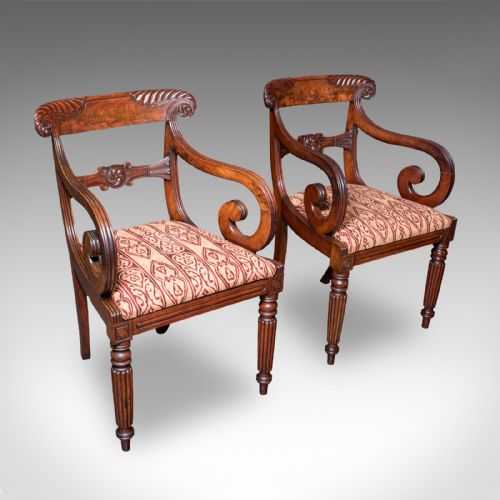
The version most commonly encountered on this page is the mahogany library chair or dining carver, often featuring curved scroll arms and sabre legs.
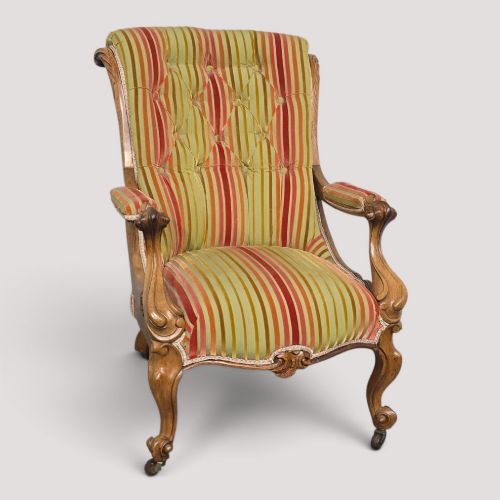
Pieces range from formal rosewood and brass-inlaid examples to country fruitwood and elm variants originating from East Anglia.
Materials and construction
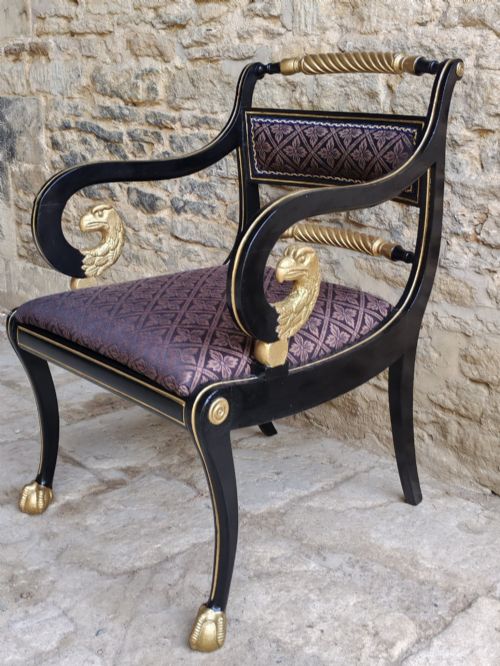
Cabinetmakers predominantly utilised solid mahogany and exotic rosewood, frequently incorporating decorative elements such as brass inlay, gilding, and parcel gilt highlights on faux woods.
Seating portions rely on traditional upholstery techniques using leather, fabric, cane panels, or horsehair stuffing secured within turned or carved wooden frames.
Regency Armchair Retail Price Guide 2026
Typical asking prices for regency armchair among the pieces listed under this phrase on Sellingantiques today, from the lower quarter to the upper quarter. They describe what is for sale here now, not the wider market.
The inventory records pieces from the Georgian, Regency, William IV, and later revival periods.
Judging execution and integrity
Quality rests upon the crispness of carved details like acanthus leaves or lion monopodia, alongside the proportional balance of the frame and legs.
Higher tier examples display dense timber grains, original upholstery methods, and signed maker stamps, whereas lesser pieces show simpler regional turning or later revival modifications.
Minter·Gillows·John Gee·Holland and Sons
The Regency Armchair Glossary
- Carver
- An armchair designed to match a set of dining chairs, typically featuring open arms to accommodate wide garments.
- Bergère
- An enclosed upholstered armchair with cane or stuffed sides, popular for sitting rooms and libraries.
- Sabre leg
- A concave curving leg that tapers toward the foot, characteristic of classical revival seating forms.
- Tub chair
- A rounded armchair where the back rail curves continuously into the arms to form a sheltered seat.
- Monopodia
- Carved animal foot supports, often lion paws, used at the base of legs to denote classical influence.
Regency Armchair: Frequently Asked Questions
How do I identify a true period piece?
Examine the timber shrinkage, joinery methods, and wear patterns consistent with early nineteenth-century hand tools.
Period pieces display structural framing methods distinct from later nineteenth-century revival manufacturing processes.
Were these chairs used at desks?
Many sturdy mahogany and rosewood examples function effectively as desk or library chairs due to their supportive arms and compact footprints.
Shorter carvers fit easily beneath writing tables while offering back support during long periods of work.
What is a cane seat armchair?
Cane seat armchairs feature woven rattan panels set into the wooden frame of the seat or back for lightweight resilience.
This technique provided cool seating in warmer rooms and introduced subtle geometric texture to the furniture.
How do library chairs differ from dining carvers?
Library chairs prioritize deep padding, leather upholstery, and enveloping tub backs intended for relaxed reading.
Dining carvers remain lighter, with lower arms designed to slide neatly beneath a dining table after a meal.