





Red Porcelain Plate
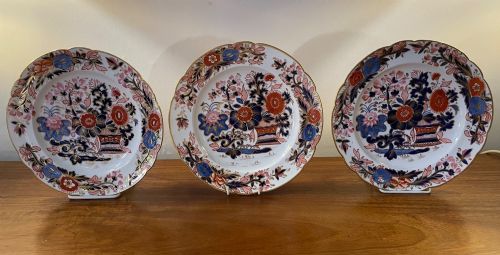
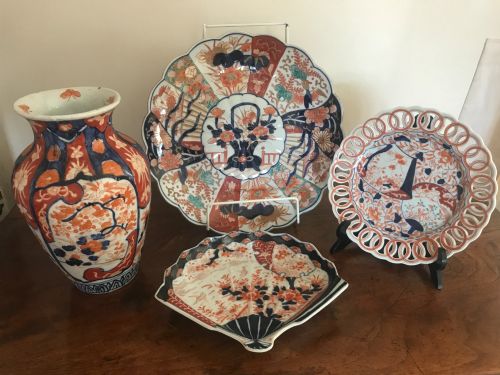
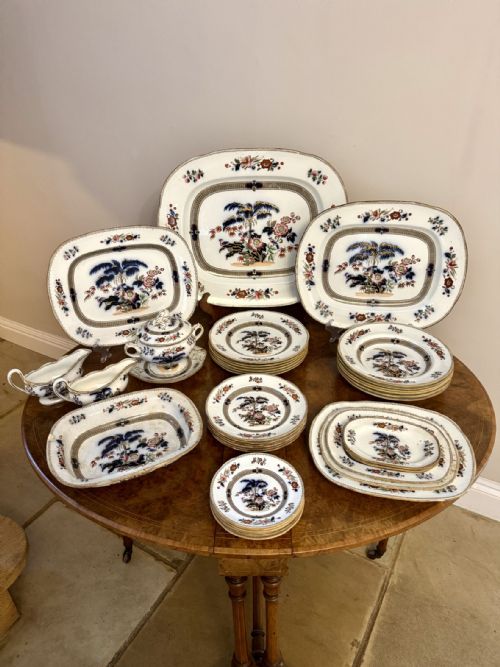
When you handle a red porcelain plate, you touch centuries of kiln craft spanning Japanese Imari, Chinese export, and English earthenware.
Red Porcelain Plate
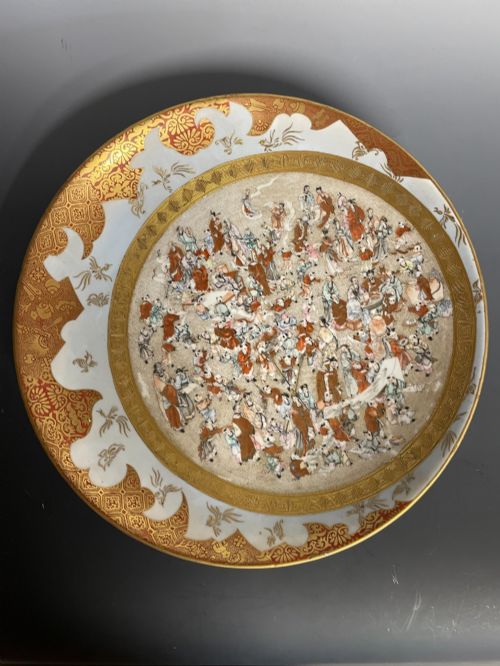
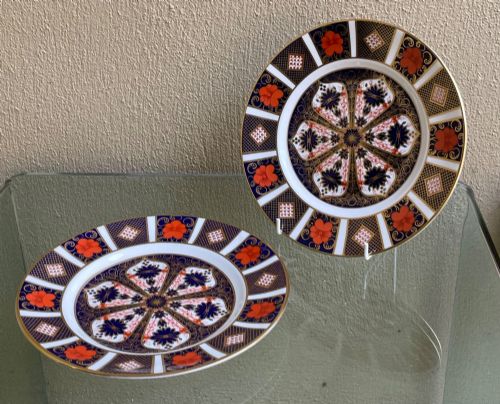
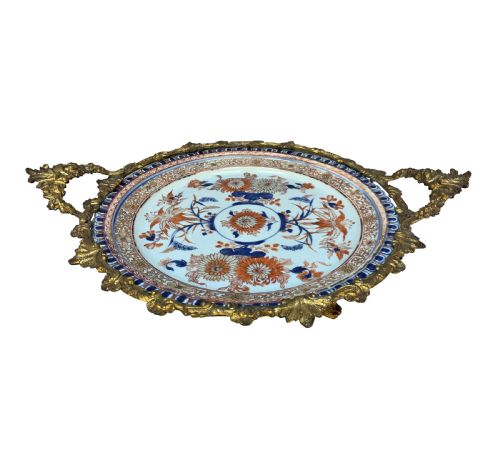
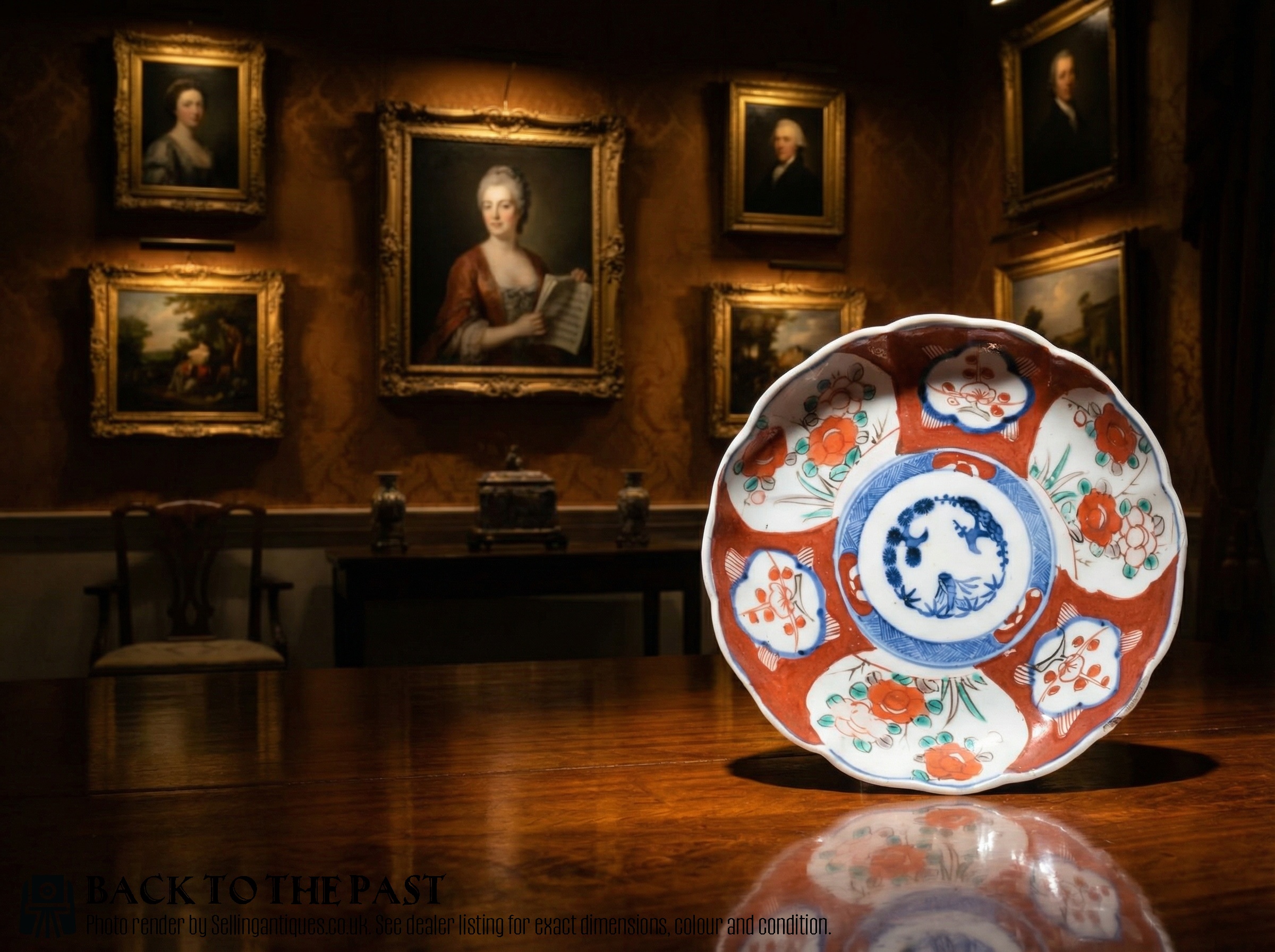
A red porcelain plate brings together decorative chargers, dishes, and dinnerware produced across the eighteenth, nineteenth, and twentieth centuries. These objects served both functional dining roles and pure decorative display in domestic interiors.
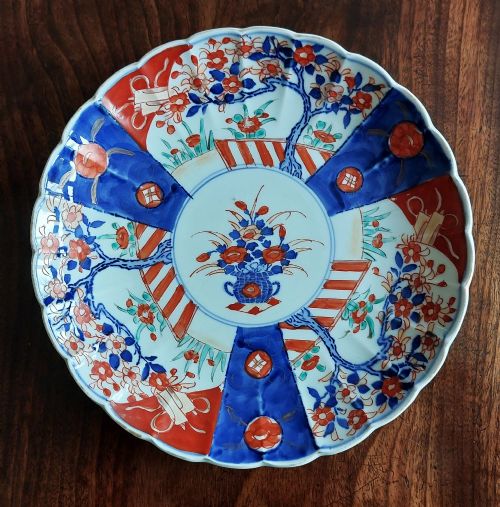
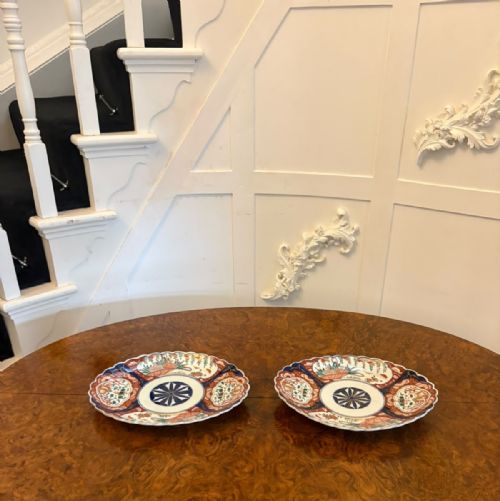
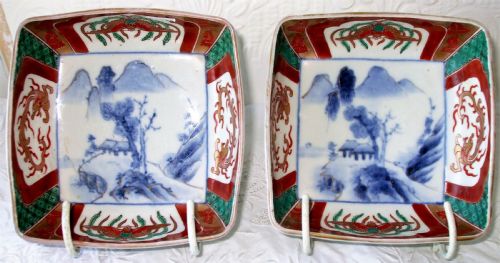
The most common examples encountered here are Japanese Imari plates and chargers from the Meiji period and late nineteenth century, alongside Chinese export wares from the Qing dynasty and eighteenth-century English porcelain.
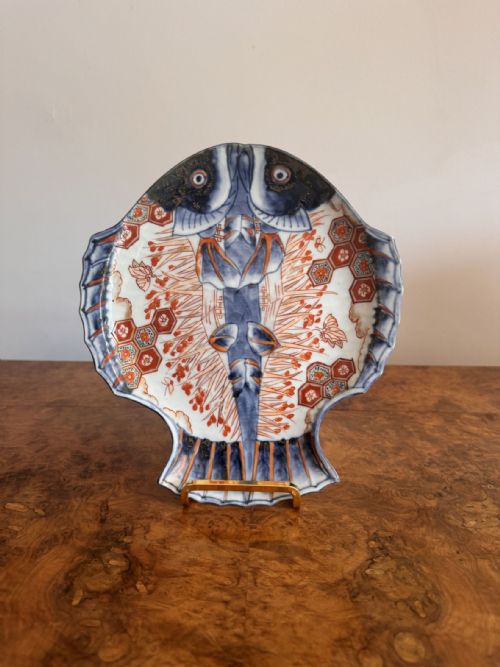
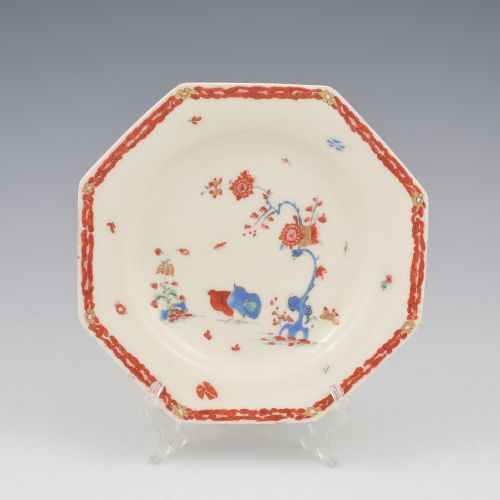
Forms range from standard circular dinner plates to scalloped edges, octagonal shapes, fish forms, and large decorative wall chargers.
How they were made
Potters shaped porcelain, ceramic, and earthenware bodies before applying complex glazes and hand-painted pigments. Iron-rich red pigments formed a primary base for the distinctive palette seen across Japanese and Chinese wares.
Many items incorporate gold leaf, gilding, and gilt accents applied over the glaze and fired again to fix the metallic sheen. Enamel colours were layered alongside underglaze blue to create dense floral, bird, and geometric compositions.
Specialised workshops utilised moulding, throwing, and hand-cutting techniques to produce unconventional shapes such as hexagonal, square, and fish-form dishes.
Materials recorded across current items include porcelain, earthenware, enamel, gold leaf, and glaze.
What varies in quality
The finesse of the hand-painted brushwork dictates much of the distinction between standard production and exceptional studio output. Crisp lines in the red enamel and precise placement of gold leaf signal superior control at the kiln stage.
The clarity and purity of the porcelain body itself separate everyday service items from top-tier display chargers. Heavier potting contrasts with delicate, translucent walls achieved by skilled ceramists.
Completeness of a matched pair or set and the preservation of the original gilt and enamel over centuries alter the standing of a piece within the market.
Royal Crown Derby·Wedgwood·Chelsea Porcelain
The Red Porcelain Plate Glossary
- Imari Style
- A decorative scheme originating in Japan, characterised by a palette of underglaze blue, iron red, and gilt highlights. This aesthetic was widely copied by European and Chinese kilns.
- Meiji Period
- The era of Japanese history running from 1868 to 1912, known for prolific ceramic production aimed at both domestic use and Western export markets.
- Charger
- A large decorative plate utilised primarily for display on a sideboard or wall rather than for serving food at the table.
- Qing Dynasty
- The final imperial dynasty of China, lasting from 1644 to 1912, responsible for extensive porcelain manufacturing including export wares.
- Red Anchor Period
- A specific phase of eighteenth-century English porcelain production identified by a small red anchor mark painted on the base.
Red Porcelain Plate: Frequently Asked Questions
How do I date an imari plate?
Dating relies on body weight, potting style, pigment brightness, and base markings. Late nineteenth-century Japanese pieces often exhibit dense, bright iron red and intricate gilding.
Earlier eighteenth-century export examples display heavier bodies and slightly muted enamel tones applied by hand.
Can I use these plates for dining?
Most antique decorative plates and chargers are best reserved for display rather than daily meals. The delicate nature of overglaze enamels and gold leaf makes them vulnerable to cutlery scratching.
Hand washing in lukewarm water is essential if they are used occasionally for light service.
What is the difference between a plate and a charger?
Chargers are significantly larger than standard dinner plates, traditionally measuring well over twelve inches across. They were designed to sit beneath smaller course plates or to stand upright on display.
Plates are smaller and proportioned for food service or individual dessert courses.
How should I display a wall charger safely?
Wall display requires a properly sized spring hanger with rubber or vinyl tips to protect the porcelain rim. The hook must be secured firmly into a wall stud or solid anchor.
Avoid hanging pieces in areas prone to direct sunlight or sudden temperature fluctuations.