


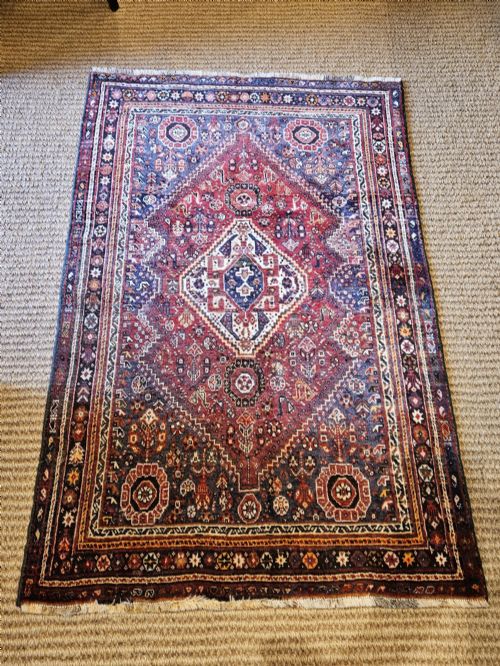
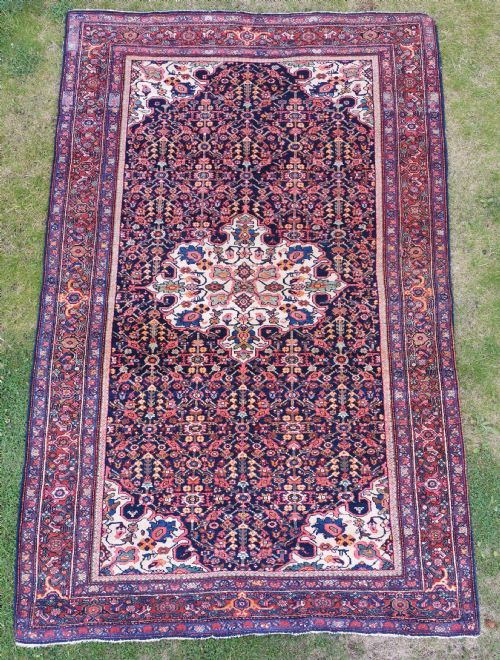
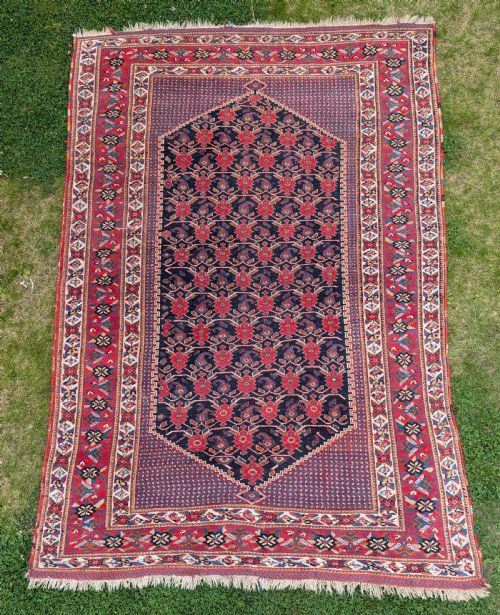
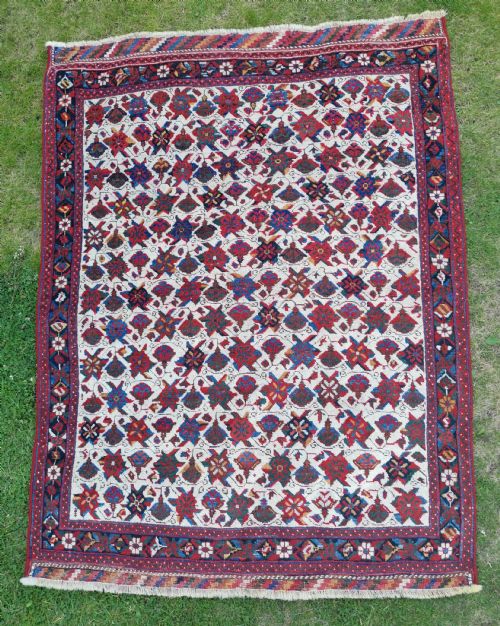
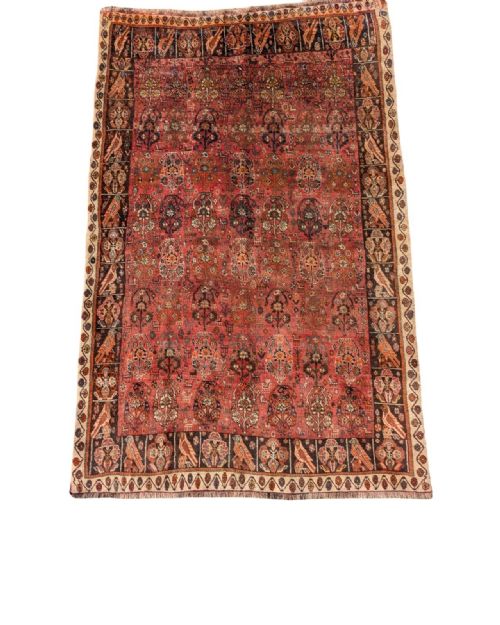
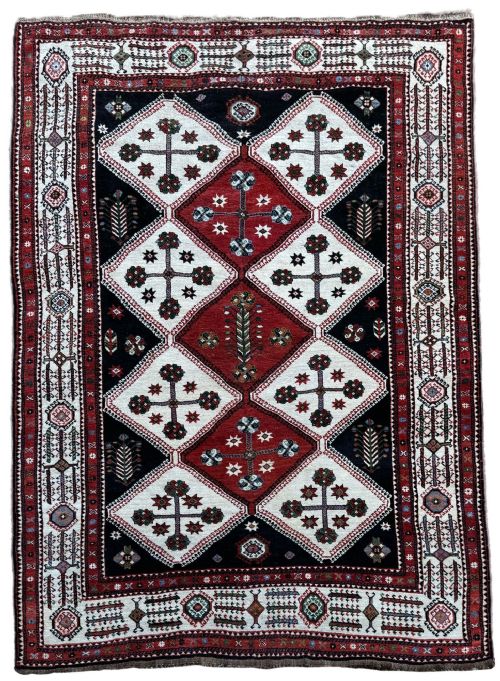
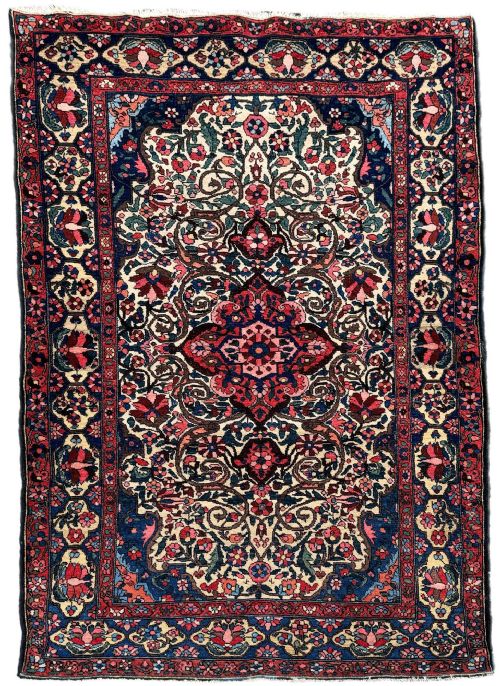
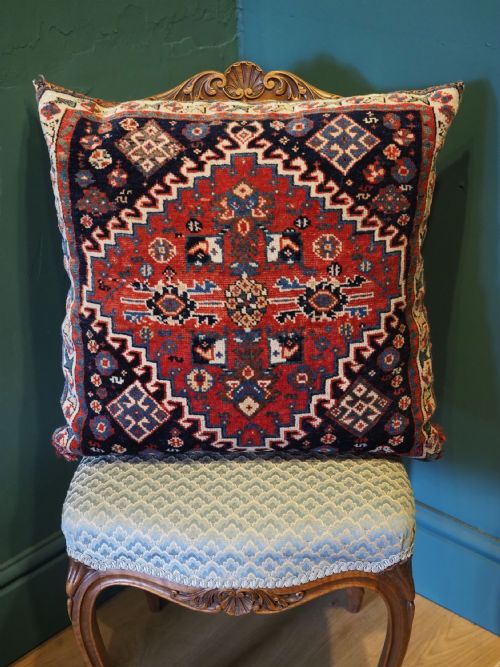
Red Navy Persian Carpet
These hand-knotted woven floor coverings bring rich madder reds and deep indigos into a room through enduring traditional craftsmanship.
Red Navy Persian Carpet
A red navy persian carpet unites centuries of weaving tradition with robust materials suited for daily domestic use. Buyers seeking this particular combination find floor coverings that ground a room with deep contrasting tones.
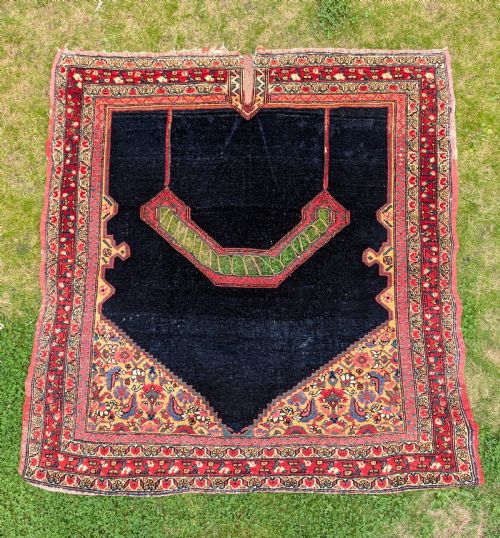
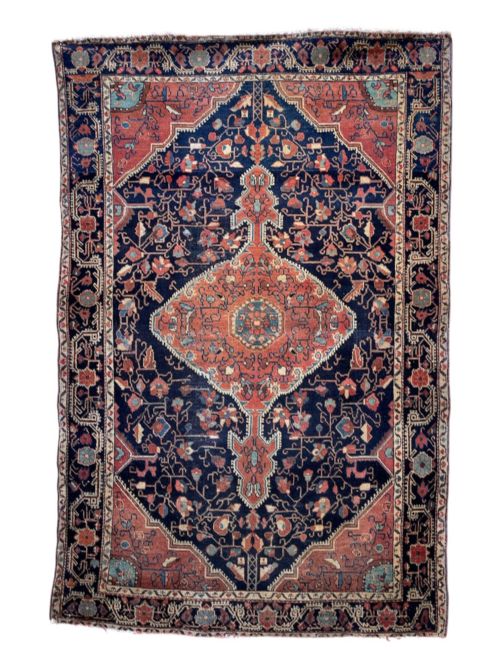
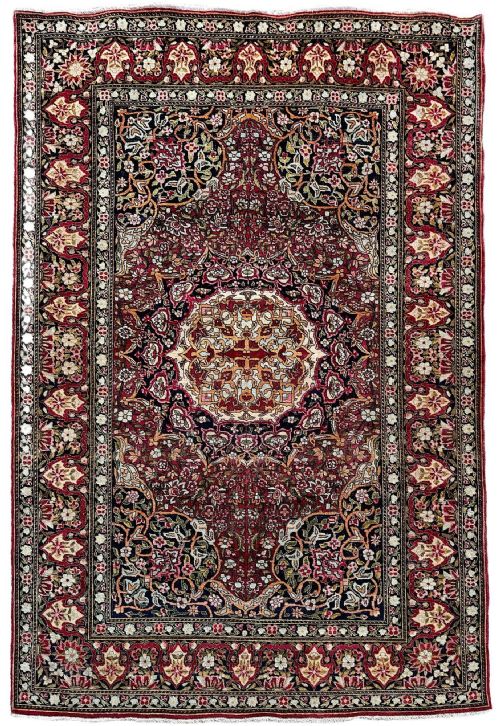
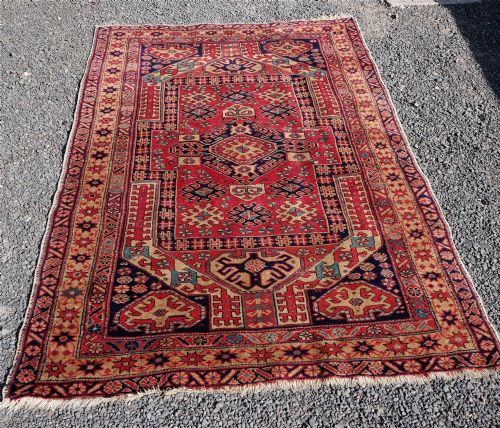
The selections available span multiple styles including Persian Heriz, Kurdish Tribal, and traditional village weaves. These pieces arrive from distinct regional traditions across Persia, each displaying specific local motifs and knotting structures.
Forms vary from large carpets and area rugs down to long runners and smaller saddle covers. Most examples date from the late nineteenth century through to the early decades of the twentieth century.
Materials and construction
Weavers constructed these pieces predominantly using durable wool for the pile, often set upon cotton foundations. Silk also appears in select examples, providing finer detail and a subtle sheen.
Dyers utilised natural materials to achieve the characteristic red and navy palettes, employing plant and insect sources for rich hues. Hand-knotting techniques ensured the pile remained secure within the foundation warp and weft threads.
Regional weaving traditions represented include Heriz, Saroukh, Kashgai, Afshar, and Hamadan.
Assessing quality and execution
Knot density and structural tightness determine the crispness of geometric and floral motifs across the surface. Finer knotting allows intricate patterns to render with clarity and precision.
The consistency of natural dye colours and the resilience of the wool pile dictate long-term durability. Even wear across the surface indicates balanced usage and sound underlying foundations.
The Red Navy Persian Carpet Glossary
- Warp
- The vertical foundation threads stretched tightly on the loom before knotting begins. These parallel strings form the structural skeleton of the rug.
- Weft
- Horizontal threads passed between rows of knots to bind the structure together. They stabilise the tension across the entire width of the textile.
- Pile
- The cut ends of the knotted yarn that form the usable surface of the carpet. The height and density of this layer affect texture and durability.
- Medallion
- A large central ornamental design motif placed in the middle of the field. This focal element often anchors the surrounding patterns.
- Runner
- A long, narrow carpet format designed specifically for hallways and corridors. These pieces direct movement while covering specific floor dimensions.
Red Navy Persian Carpet: Frequently Asked Questions
Where should I place a large carpet?
These large floor coverings suit principal reception spaces or dining rooms where furniture rests partially on the pile. They anchor room layouts effectively while protecting timber flooring.
Ensure adequate clearance around the edges so the geometric or medallion designs remain visible rather than hidden beneath heavy cabinetry.
How do I clean an antique wool rug?
Regular gentle vacuuming without a rotating brush prevents dust accumulation within the wool pile. Professional specialist cleaning remains essential for addressing deep soil.
Avoid excessive moisture and harsh chemical detergents, which can destabilise natural dyes and damage the cotton or wool foundations.
How do I identify a tribal weave?
Village and nomadic pieces often display spontaneous geometric patterns, asymmetrical layouts, and thicker, robust wool piles. These characteristics reflect the maker's reliance on memory rather than rigid cartoon templates.
Palette choices in these works tend towards saturated primary shades derived from local plant and insect dye baths.
Will these rugs work with modern interiors?
The contrasting red and navy palettes complement contemporary minimalist or neutral interiors by adding warmth and texture. The historical depth of these textiles introduces visual interest without overwhelming surrounding furnishings.
Allow the rug to serve as a grounding element by pairing it with simple, clean-lined modern furniture.