




Persian Tribal Area Carpet
A persian tribal area carpet brings geometry, history, and warmth into a room through hand-knotted wool and natural dyes.
Persian Tribal Area Carpet
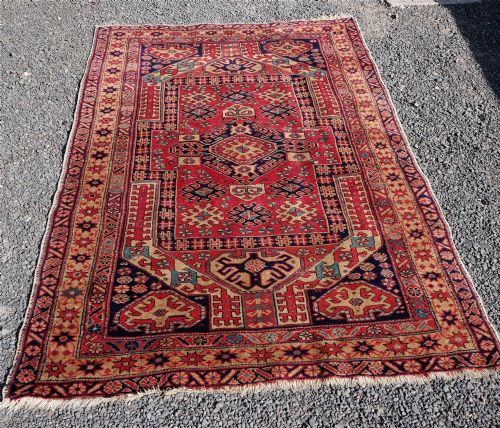
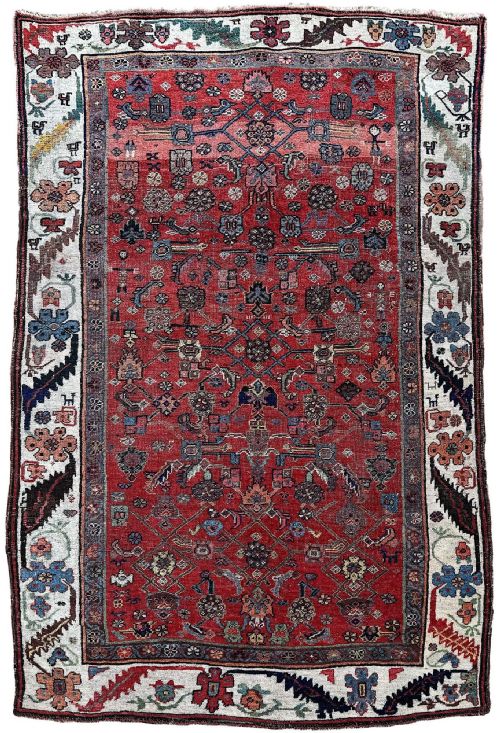
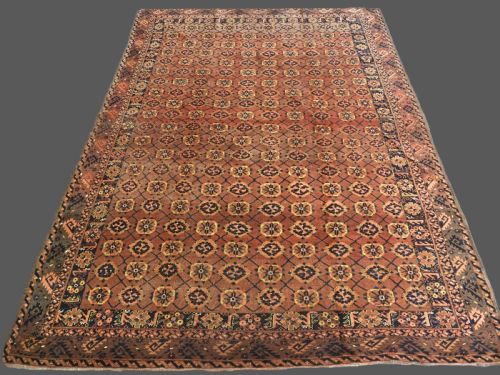
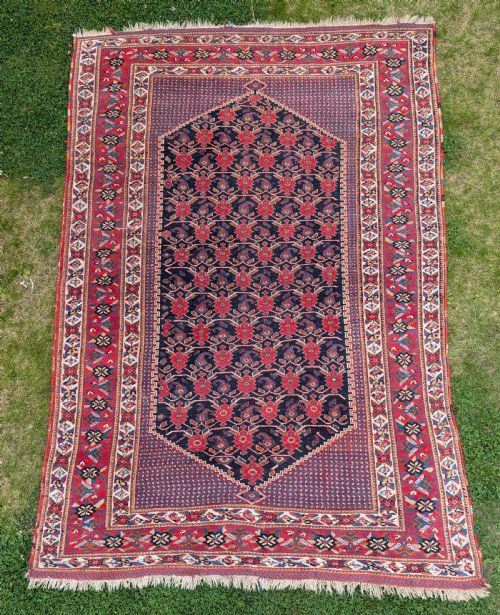
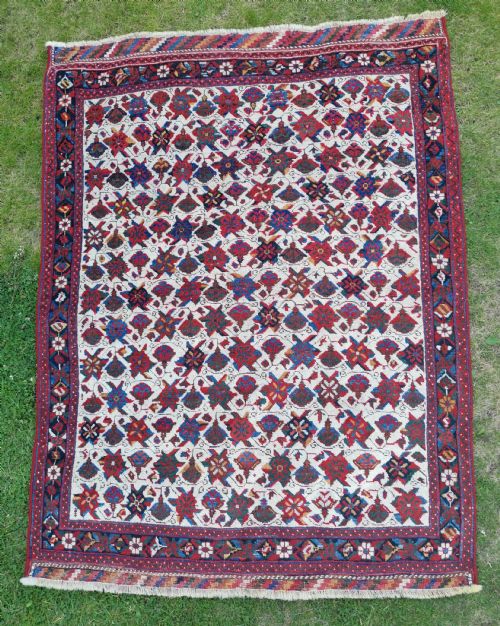
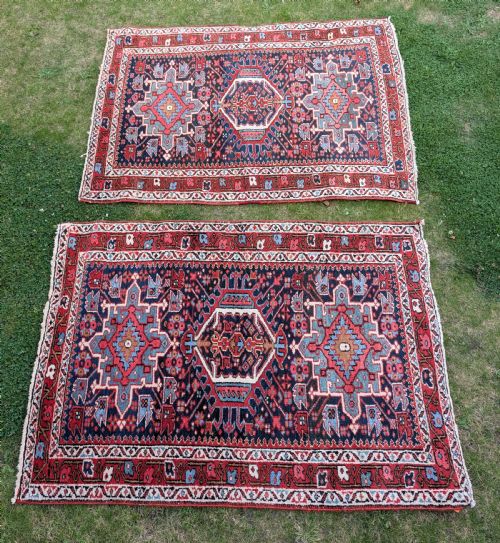
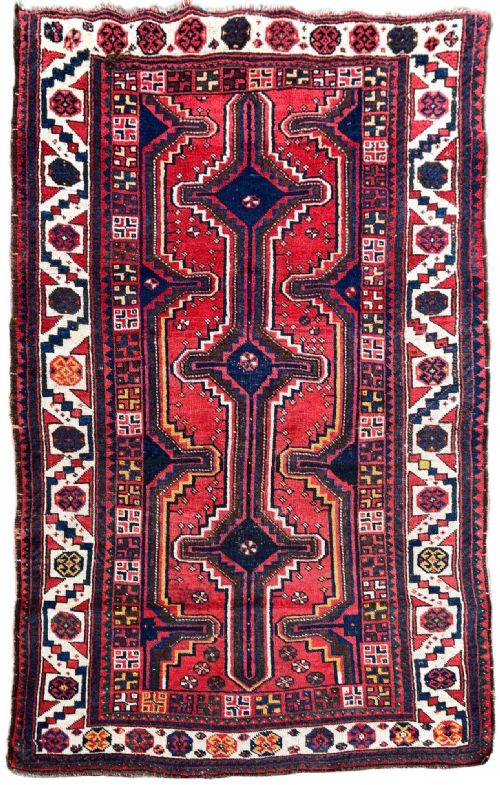
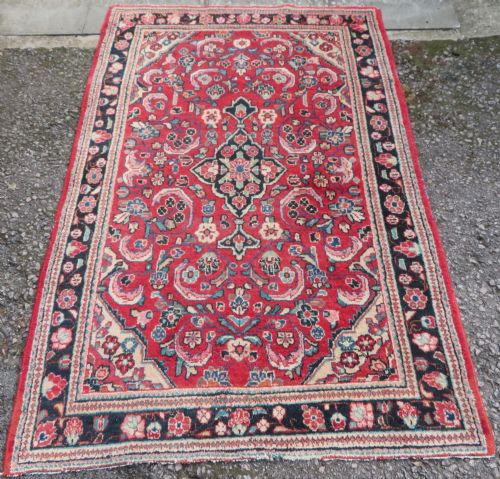
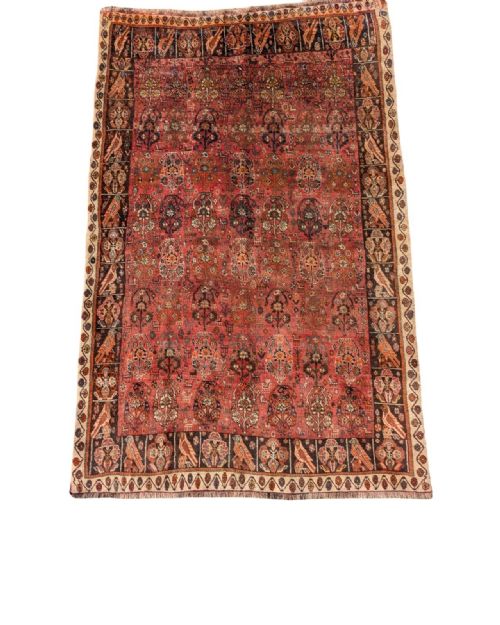
When you search for a persian tribal area carpet, you encounter floor coverings woven by nomadic groups and village weavers across regions such as Fars, Kerman, and north-west Persia. These pieces reflect the traditional motifs and cultural patterns passed down through generations of weavers.
The most common examples on this page date from the late nineteenth century up to the mid-twentieth century, including periods like 1900, 1910, 1920, and 1930. They typically take the form of manageable area rugs, carpets, and runners suited for everyday placement in a home.
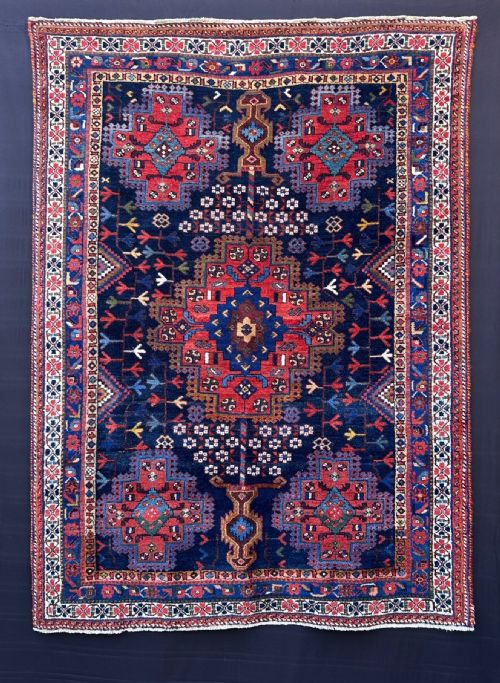
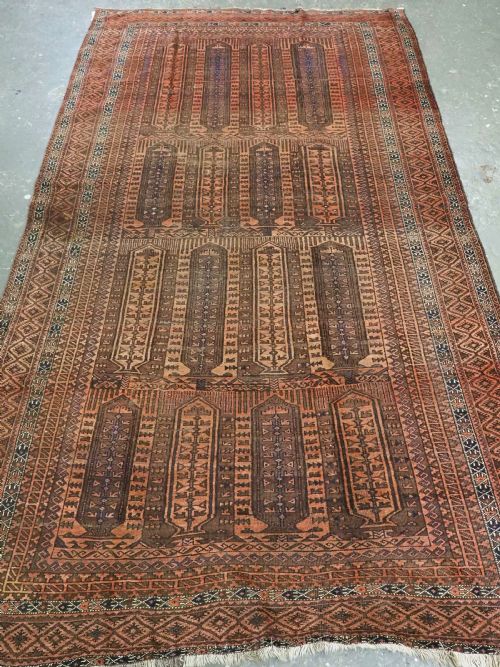
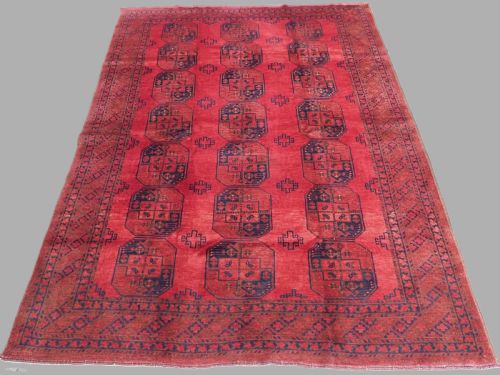
Specific tribal groups such as the Afshar, Bakhtiar, Khamseh, and Baluch produce distinct styles that define the category. Their designs range from bold geometric medallions to repeating guls and intricate field patterns.
How they were made
Makers constructed these textiles primarily using wool and cotton foundations, often employing hand-spun wool for the pile to achieve texture and durability. Certain pieces incorporate camel hair within the weave for natural tones and varied pile resilience.
Weavers utilised natural dyes to colour the wool, creating rich reds, blues, and earth tones that mellow gracefully over time. Each rug was hand-knotted on upright looms, embedding regional weaving techniques into the structure of every carpet.
Listings feature works from the nineteenth and twentieth centuries, spanning wool, cotton, and camel hair materials.
What varies in quality
The fineness of the knotting and the tightness of the weave dictate the structural integrity and longevity of the carpet. Denser knots allow for sharper definition in intricate geometric and medallion designs.
The depth and vibrancy of the natural dyes used in the wool influence the visual appeal and character of the piece as it ages. Well-sourced materials and skilful execution result in a harmonious balance of colour and pattern across the field.
The Persian Tribal Area Carpet Glossary
- Gul
- A repeating medallion or octagonal motif often found in tribal carpets, particularly those associated with Turkmen and Baluch weavers. This design element acts as a clan identifier or traditional decorative anchor.
- Medallion
- A central ornamental design motif placed in the middle of the carpet field, common in Persian weaving traditions. It serves as the visual focal point around which secondary patterns and borders revolve.
- Hand-Knotted
- A technique where individual strands of wool are tied by hand to the warp threads of the foundation. This laborious method ensures the pile remains secure and durable for generations of use.
- Natural Dyes
- Colourants derived from plants, insects, and minerals rather than synthetic chemicals. They yield subtle variations in tone that develop a desirable patina with age and light exposure.
- Warp
- The vertical threads stretched tightly on the loom that form the structural skeleton of the carpet. The horizontal weft threads and knotted pile are built upon this foundation.
Persian Tribal Area Carpet: Frequently Asked Questions
How do I clean a tribal wool carpet?
Regular gentle vacuuming without a rotating brush helps remove surface dirt and protects the delicate hand-knotted pile.
For deeper cleaning, professional specialist care is recommended to preserve the integrity of the natural dyes and wool fibres.
Where should I place an area rug?
These carpets work well in living rooms, studies, and bedrooms where foot traffic allows the wool to age gracefully while adding warmth to wooden floors.
Placing them away from direct, harsh sunlight prevents the natural dyes from fading unevenly over the years.
How can I tell different tribal designs apart?
Study the primary motifs, such as repeating guls for Baluch pieces or geometric medallions for Afshar and Bakhtiar rugs. Regional palettes and border structures also provide strong clues to the specific group of origin.
Comparing knot density and foundation materials helps distinguish village productions from nomadic pieces.
Why do some antique rugs look distressed?
Age, natural wear from decades of use, and minor wool loss contribute to a faded or distressed appearance in older pieces. Many collectors prize this aged character for the authentic history it brings to an interior.
Even with visible wear, sound construction keeps the remaining pile stable for continued domestic use.