




Red Japanese Porcelain
Red Japanese porcelain brings together intricate patterns and robust ceramic forms that collectors use to anchor traditional interior displays.
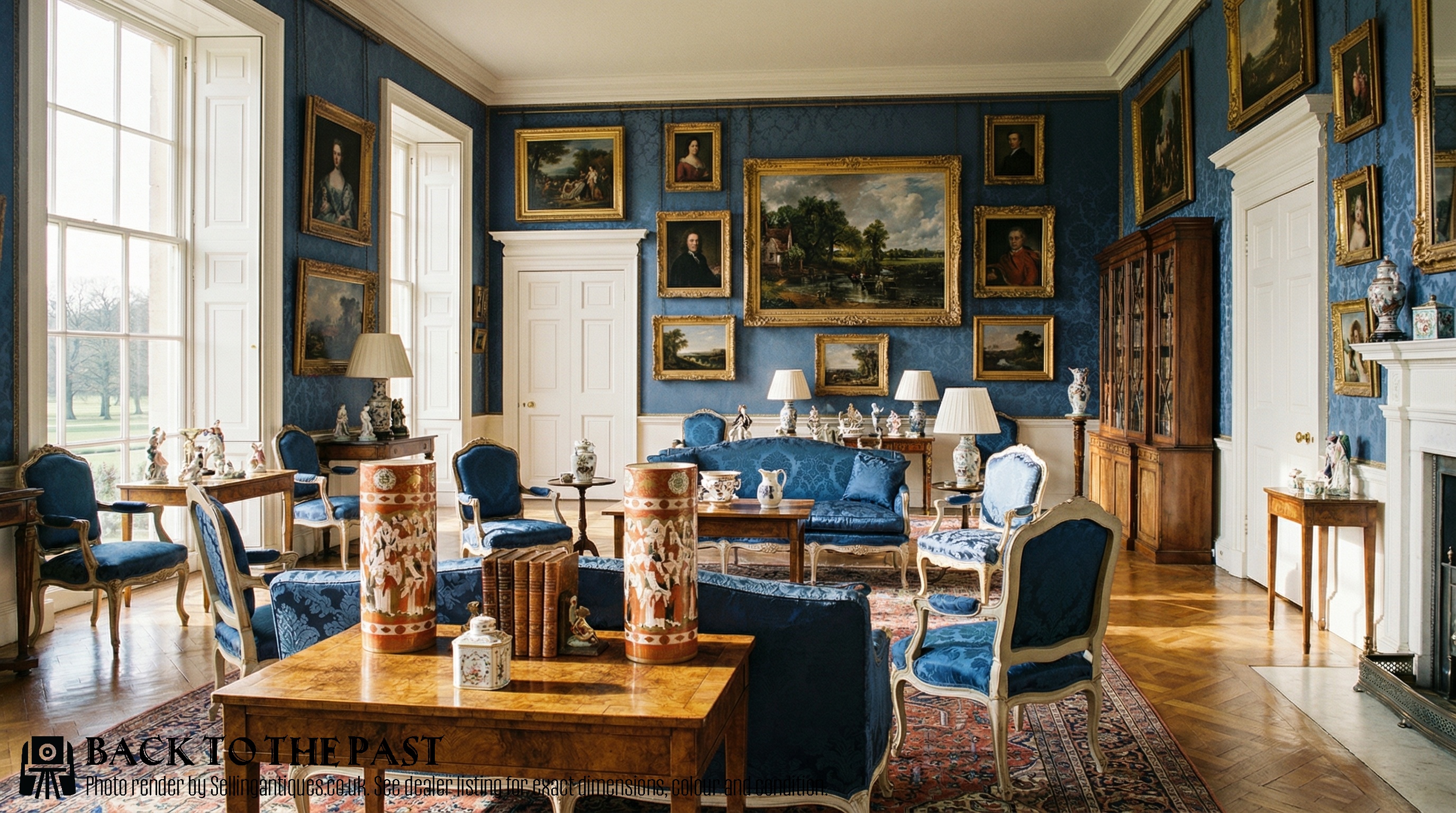
Red Japanese Porcelain
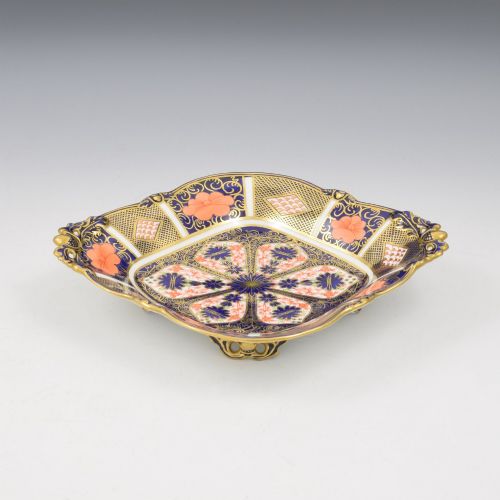
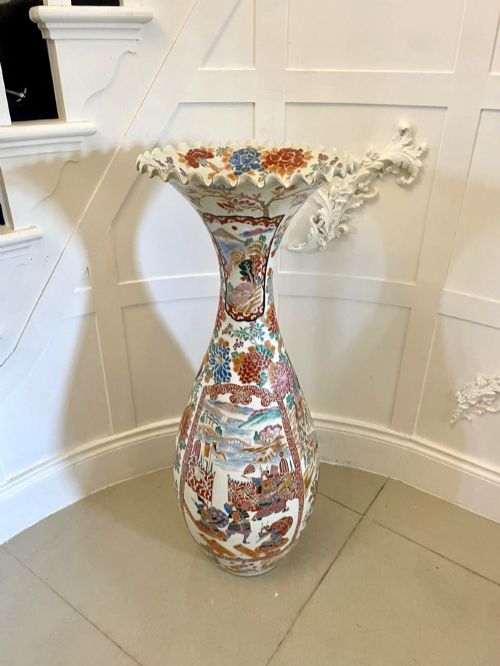
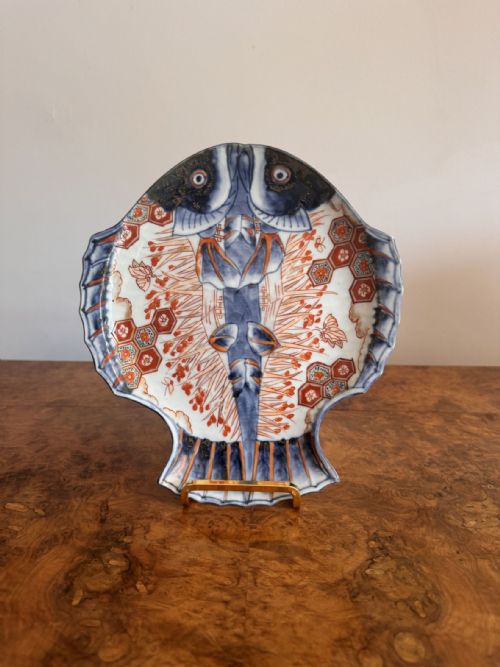
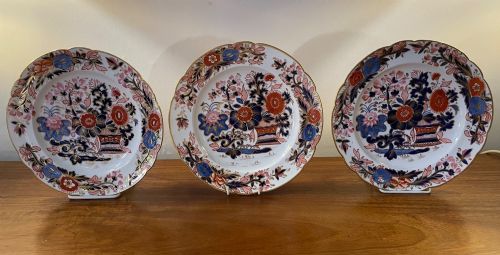
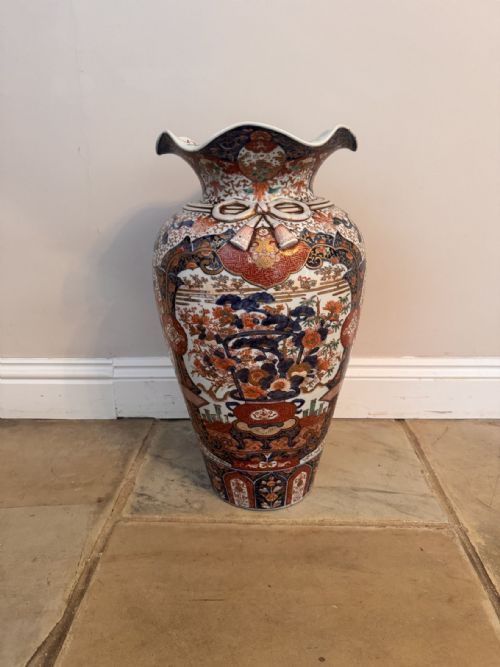
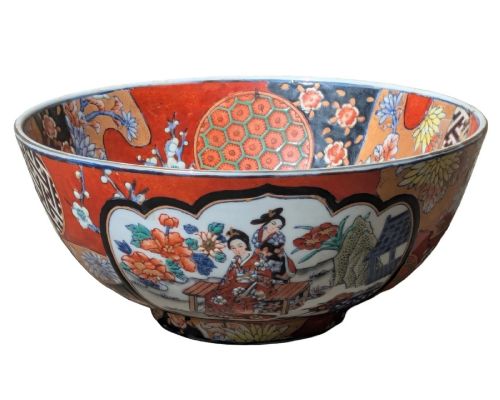
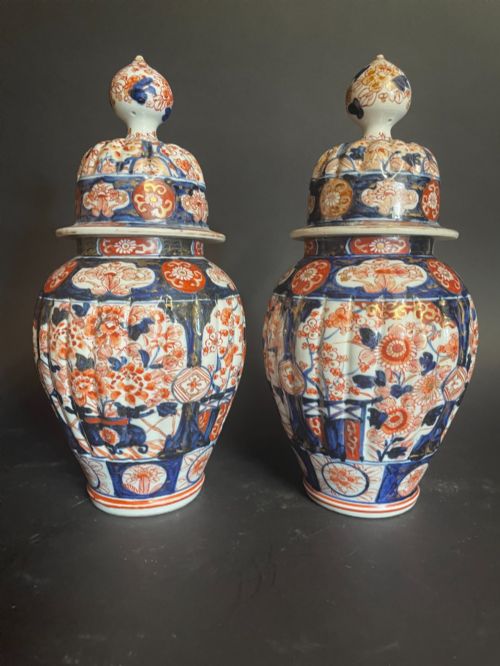
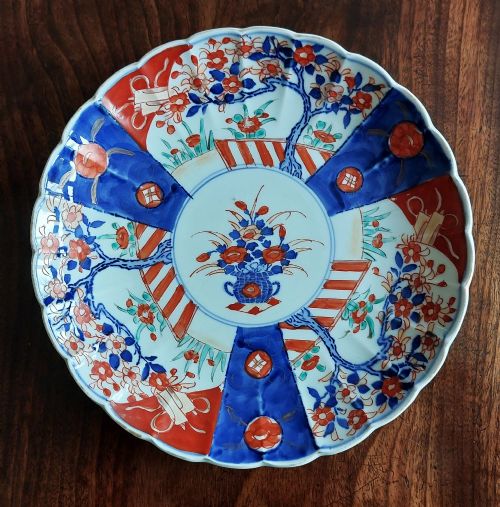
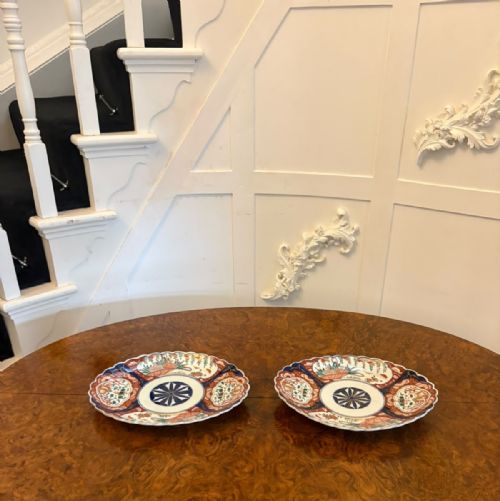
Red Japanese porcelain encompasses various decorative objects encountered on this page, dominated by Japanese Imari plates, bowls, chargers, and floor-standing vases from the nineteenth century and the Meiji period. Pieces range from scalloped dishes and fish-shaped plates to large jars and covers, reflecting established ceramic traditions.
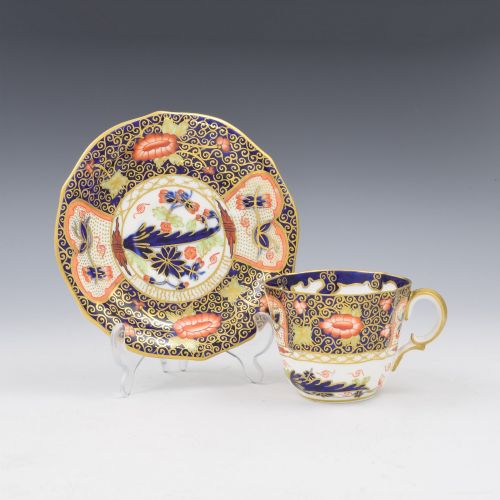
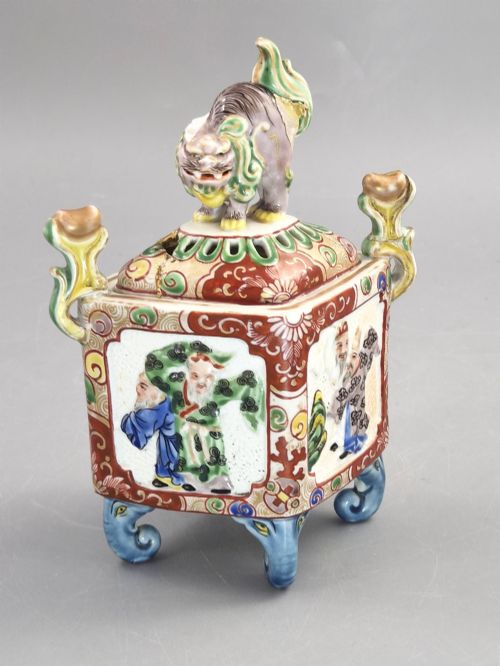
The selection also includes Kutani porcelain works such as incense burners, teapots, and figures alongside related items like Edwardian bone china utilising an Imari palette. These forms demonstrate both everyday utility in domestic settings and grander decorative functions for interior display.
Materials and construction
Potters shaped these objects from fine porcelain and bone china, applying mineral glazes and enamel pigments before firing. Cobalt blue and iron red dominate the palette, often supplemented by gold leaf and gilding to highlight intricate surface patterns.
Makers utilised specialised techniques for forming complex shapes, including hand-scalloped edges, moulded animal figures like elephant head feet, and detailed surface painting. The combination of underglaze blue and overglaze enamel work required multiple kiln firings to achieve durable, vibrant results.
Listings feature items from the 1800s, Victorian eras, and Edwardian periods, utilising porcelain, enamel, and gold leaf.
Variations in quality
Quality separates objects by the precision of the hand-painted enamel work and the crispness of the porcelain moulding. Superior examples display balanced compositions with clean lines on scalloped edges and well-defined motifs of birds, flowers, or figural subjects.
The application of gilding and gold leaf distinguishes finer pieces, where metallic highlights remain bright and even across the surface. Heavier throwing and careful finishing on large chargers and floor vases indicate higher standards of production.
Royal Crown Derby·Ginshōtei Gyokushi
The Red Japanese Porcelain Glossary
- Imari
- A traditional style of Japanese porcelain originating from Arita, characterised by a distinct palette of underglaze blue, iron red, and gold. This style became widely exported to Europe during the Edo and Meiji periods.
- Kutani
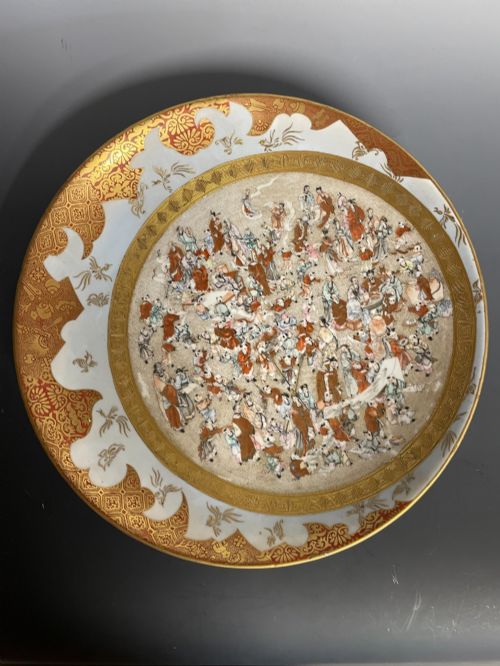
- A style of Japanese porcelain noted for bold polychrome designs, frequently featuring rich red enamels and gilt work. Items range from small vessels to large decorative figures.
- Meiji Period
- The era in Japanese history spanning from 1868 to 1912, marked by significant international trade and the production of highly detailed decorative ceramics for export.
- Charger
- A large ornamental plate intended for display on a wall or sideboard rather than for dining use. These pieces often showcase the most elaborate painted compositions.
- Koro
- A traditional Japanese incense burner typically supported on feet and fitted with a pierced cover. These vessels frequently incorporate sculptural elements such as guardian lion finials.
Red Japanese Porcelain: Frequently Asked Questions
How do I date red japanese porcelain?
Dating relies on stylistic markers, reign periods, and manufacturing traits recorded in the piece descriptions. Nineteenth-century and Meiji period items typically exhibit hand-painted polychrome enamel work distinct from later reproductions.
Examining the base clay, glaze characteristics, and any associated factory marks helps narrow the decade of production. Comparative study of standard motifs provides further chronological context for unsigned items.
Were these porcelain pieces used daily?
Many smaller forms such as tea cups, saucers, and small dishes served functional roles in daily dining or tea preparation. Their durable porcelain bodies accommodated regular handling.
Larger chargers, vases, and floor-standing pieces functioned primarily as ornamental displays within the home. These decorative items were positioned on tables, mantels, or stands to showcase intricate artistry.
What is the difference between imari and kutani?
Imari porcelain relies on a strict palette combining underglaze cobalt blue with iron red and gold details, often featuring symmetrical panel designs. The aesthetic emphasises structured geometric and floral borders.
Kutani porcelain leans toward bolder pictorial scenes rendered in rich reds, greens, and golds with less reliance on blue underglaze. The focus rests heavily on narrative painting and dense surface decoration.