





Red Ceramic Vase Pair
A red ceramic vase pair brings balanced symmetry and striking colour to a room, drawing the eye instantly through matching forms.
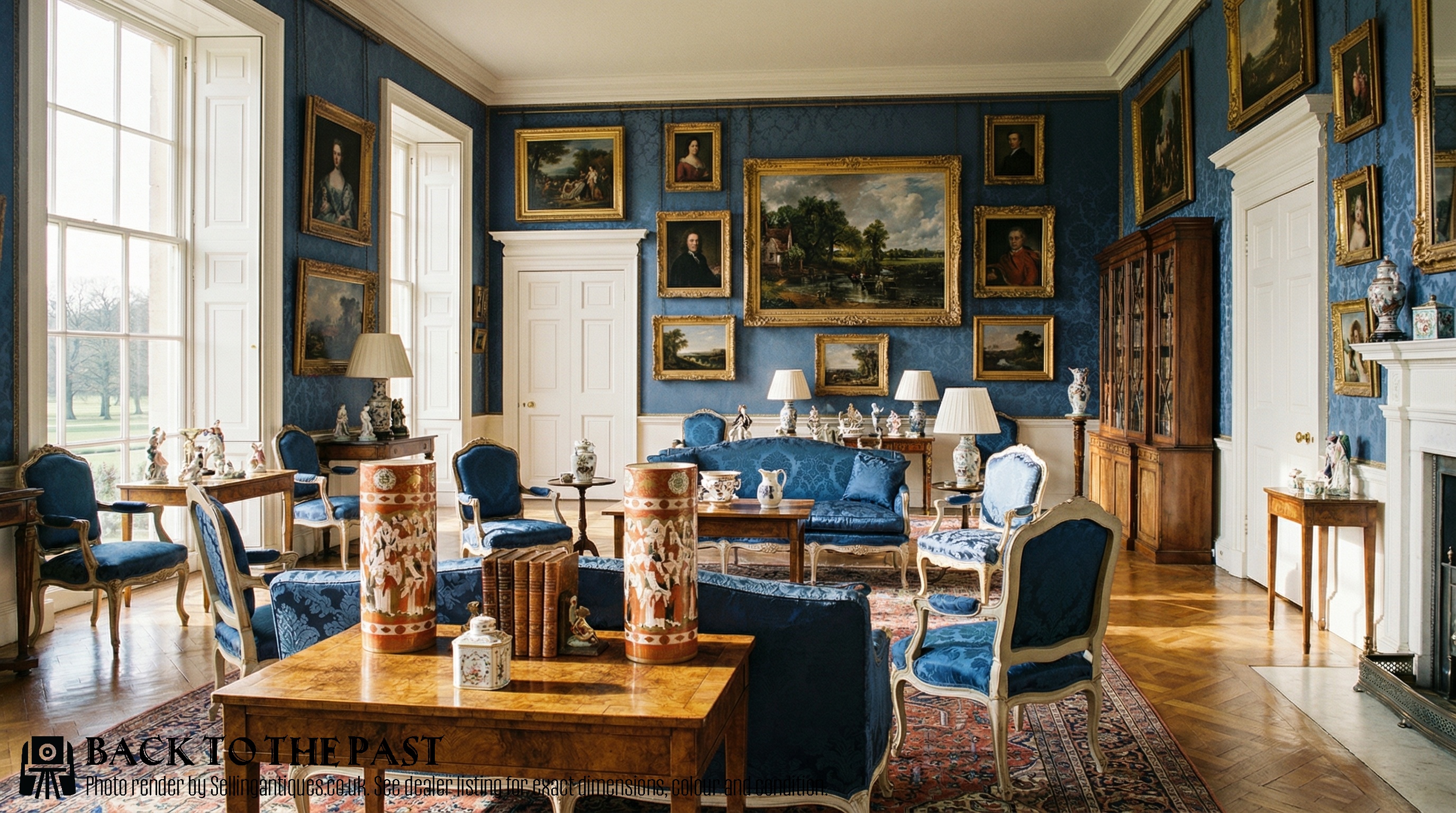
Red Ceramic Vase Pair
A red ceramic vase pair consists of matching decorative vessels created from clay, earthenware, or porcelain. When searching for a red ceramic vase pair, collectors encounter numerous examples originating from Japan, alongside English and continental European works.
The selections span the nineteenth century, Edwardian era, and the Meiji period. Forms include standard vases, lidded jars, ewers, and table lamps, often decorated in traditional palettes that incorporate rich red tones alongside gilt and enamel.
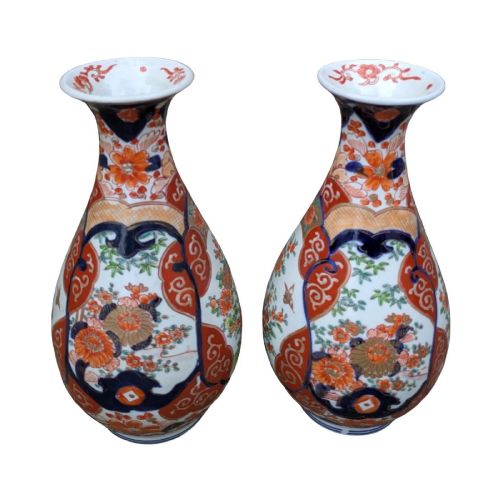
Japanese Imari and Kutani pieces dominate the available examples, showcasing intricate hand-painted designs. Buyers also find Chinese pottery and European porcelain works produced in imitation of Eastern styles.
Materials and production methods
Potters shaped these vessels from local clays, earthenware, or refined porcelain bodies before firing them in kilns. Surface decoration frequently combined hand-painted enamels with gold leaf and gilding to create contrasting metallic highlights against the ceramic background.
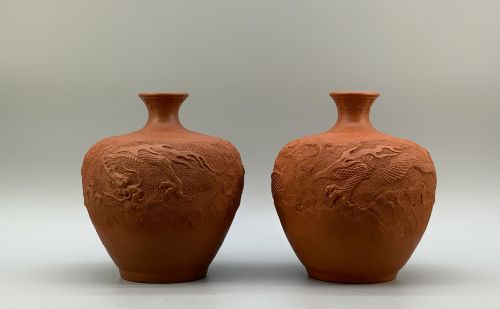
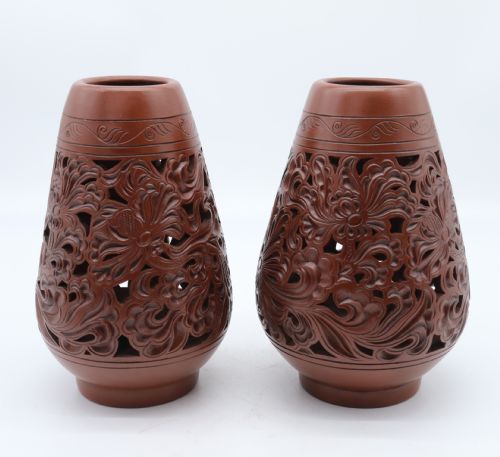
Many items utilised specialised glazing techniques, such as the deep red sang de bœuf copper-oxide glazes seen on Chinese pottery. Other workshops employed reticulated carving or moulded relief elements, including dragons and phoenixes, before applying the final coloured finishes.
Listings feature porcelain, earthenware, and enamel materials spanning the nineteenth century and the Meiji period.
Assessing quality in matching vessels
Quality rests upon the precision of the hand-painting and the clarity of the enamel work. Superior pairs demonstrate steady brushwork, vibrant pigments, and meticulously applied gilding that remains crisp across both matching bodies.
The symmetry of the thrown or moulded forms dictates the balance of the pair. Finer examples retain their original covers, intact bases, and well-preserved surface detailing without excessive rubbing to the gold leaf or enamel.
Royal Worcester·Samson
The Red Ceramic Vase Pair Glossary
- Imari
- A style of Japanese export porcelain originating from the town of Arita, traditionally decorated in underglaze blue, iron red, and gold. These pieces were heavily exported to Europe from the seventeenth century onward.
- Kutani
- Japanese porcelain and pottery characterised by bold pictorial designs, often incorporating rich iron reds and gold overglaze. The style flourished during the Meiji period.
- Earthenware
- Porous pottery fired at lower temperatures than stoneware or porcelain. It requires a glazed surface to become completely impermeable to liquids.
- Gilding
- The application of gold leaf or powdered gold paint to the surface of ceramics. This technique accentuates relief details and adds metallic sheen to the finished design.
- Ewer
- A large jug with a flared spout and a handled body, designed for holding water or serving as an ornamental vessel.
Red Ceramic Vase Pair: Frequently Asked Questions
What is an Imari vase pair?
An Imari vase pair consists of two matching decorative vessels created in Japan using a distinct palette of iron red, cobalt blue, and gold.
These pieces were produced for both domestic use and international export, becoming popular additions to European interiors during the nineteenth century.
How do I display a vase pair?
Matching vessels work effectively when placed symmetrically on a mantelpiece, sideboard, or dedicated console table. Keeping both pieces together maintains the visual balance intended by the maker.
Positioning them away from direct sunlight protects hand-painted enamels and delicate gilding from fading over time.
Are these vases waterproof?
Many antique ceramic and porcelain vessels are porous or contain delicate interior glazes that can be sensitive to moisture. Using them for dry floral displays or as standalone decorative objects preserves the interior material.
Lined inserts can protect historical earthenware if fresh stems and water are desired.
How do I identify Meiji period pieces?
Meiji period ceramics date from the late nineteenth and early twentieth centuries, corresponding to the reign of Emperor Meiji in Japan. These items frequently display meticulous hand-painted detail, vibrant Kutani red glazes, and intricate gold leaf accents.
Many bear bottom marks or signatures identifying the specific studio or artisan responsible for the decoration.