




Japanese Kutani Ware
Japanese kutani ware brings together intricate enamel painting and porcelain, offering collectors bold figures, vessels, and dishes from the Meiji and Taisho periods.
Japanese Kutani Ware
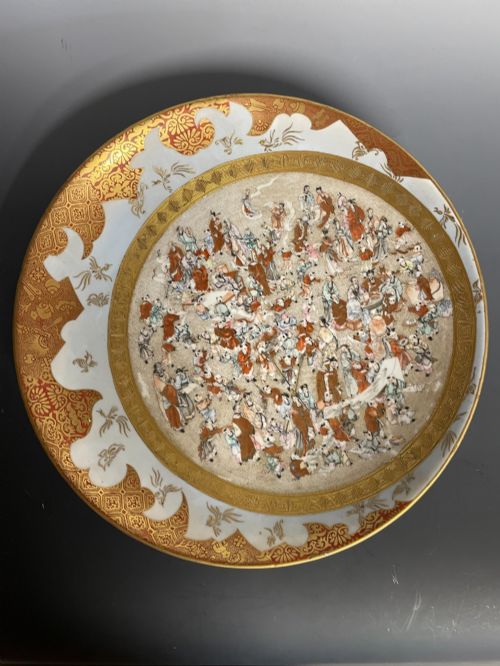
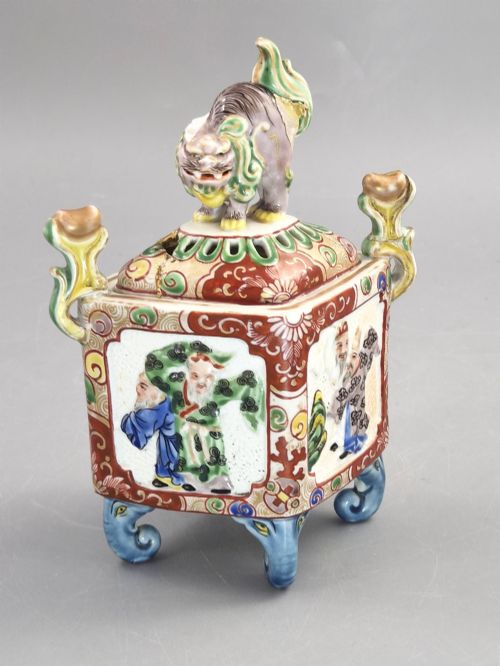
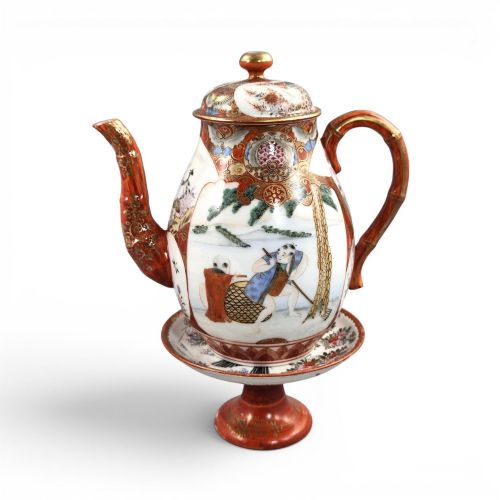
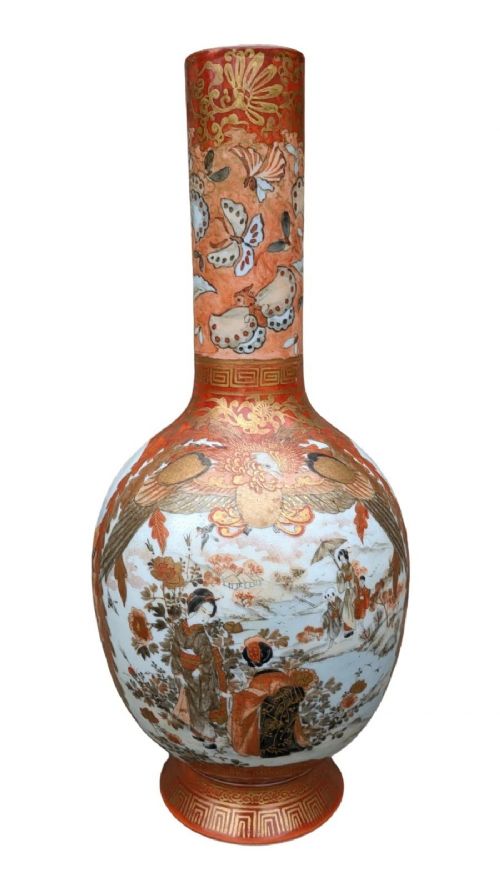
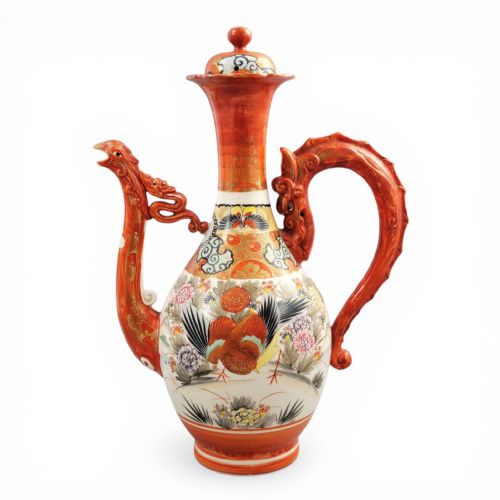
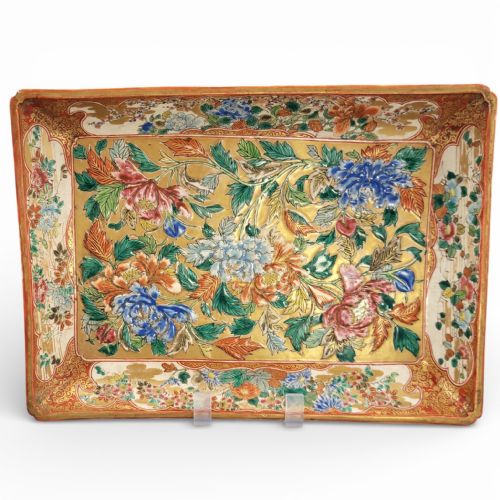
When you search for Japanese kutani ware, you encounter a distinct tradition of ceramics spanning the nineteenth and early twentieth centuries. The items available include vases, decorative dishes, teapots, ewers, and incense burners alongside sculpted figures of deities and mythical animals.
Most examples date from the Meiji period, reflecting the rapid artistic production and export growth of that era. Pieces range from miniature bowls and ginger jars to large cylindrical vases and platters designed for display.
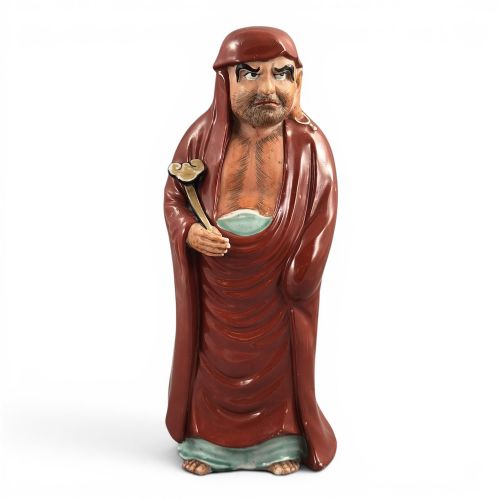
Collectors encounter both utilitarian vessel forms and sculptural okimono figures representing traditional subjects like Bodhidharma, Kannon, and Jurojin.
Materials and construction
Potters formed these pieces using porcelain, applying glazes and overglaze enamels to create dense, colourful surface patterns. Workshops utilised gold leaf, gilding, and gold gilt to highlight specific decorative motifs and borders.
Certain vessels incorporate raised relief work known as moriage, alongside carved wood stands accompanying specific vases and bowls. Hand-painted details define the aesthetic, requiring careful brushwork across plates, chargers, and figurines.
Keep an eye out for ceramic treasure ships and mythical lions sharing shelf space with stoic deities.
Assessing quality and execution
The precision of the hand-painted enamel work separates ordinary production from superior pieces. Fine examples display meticulous control over gold leaf application and intricate figurative detailing.
Scale and ambition also distinguish individual items, such as large pairs of vases or complex sculptural models featuring mythical beasts and deities. Signed pieces by recognised workshops often demonstrate higher artistry in their composition and firing.
Kinrin Workshop·Shozo
The Japanese Kutani Ware Glossary
- Moriage
- A ceramic technique using piped clay slip to create raised, textured decorative details on porcelain surfaces. This method adds tactile dimension to floral and animal motifs.
- Okimono
- A Japanese decorative freestanding sculpture intended for display in an alcove or on a cabinet. These carved or modelled figures frequently depict deities, historical figures, or animals.
- Koro
- An incense burner typically featuring a pierced cover to allow scented smoke to escape. These vessels often stand on decorative feet with sculpted handles or finials.
- Ewer
- A pitcher or jug with a wide spout designed for pouring liquids. In this ceramic tradition, ewers often take elaborate forms with dragon or phoenix details.
- Shoza style
- A decorative approach associated with Kutani ware defined by dense overglaze enamel painting combined with extensive gold gilt work. This style fills the ceramic surface with intricate patterns and figures.
Japanese Kutani Ware: Frequently Asked Questions
What is Japanese kutani ware?
Japanese kutani ware is a tradition of decorated porcelain encompassing vases, plates, figures, and tea wares produced primarily during the nineteenth and early twentieth centuries.
Items are recognised by their distinct overglaze enamel palettes, frequently enhanced with gold leaf and detailed figurative or botanical scenes.
How do I date Meiji period pieces?
Dating relies on stylistic markers, historical context, and workshop signatures associated with the Meiji era spanning from 1868 to 1912.
Many listings specify decades within the nineteenth century or reference the subsequent Taisho period based on design characteristics and production techniques.
Were these items made for export?
A significant portion of Kutani ceramics from the Meiji period was created to satisfy international demand for Japanese art and craft objects.
Export pieces range from large decorative chargers and floor vases to intricate miniature bowls and tea services.
How should I display porcelain figures?
Figures and okimono benefit from stable placement on flat surfaces away from heavy traffic areas to protect delicate extremities and painted surfaces.
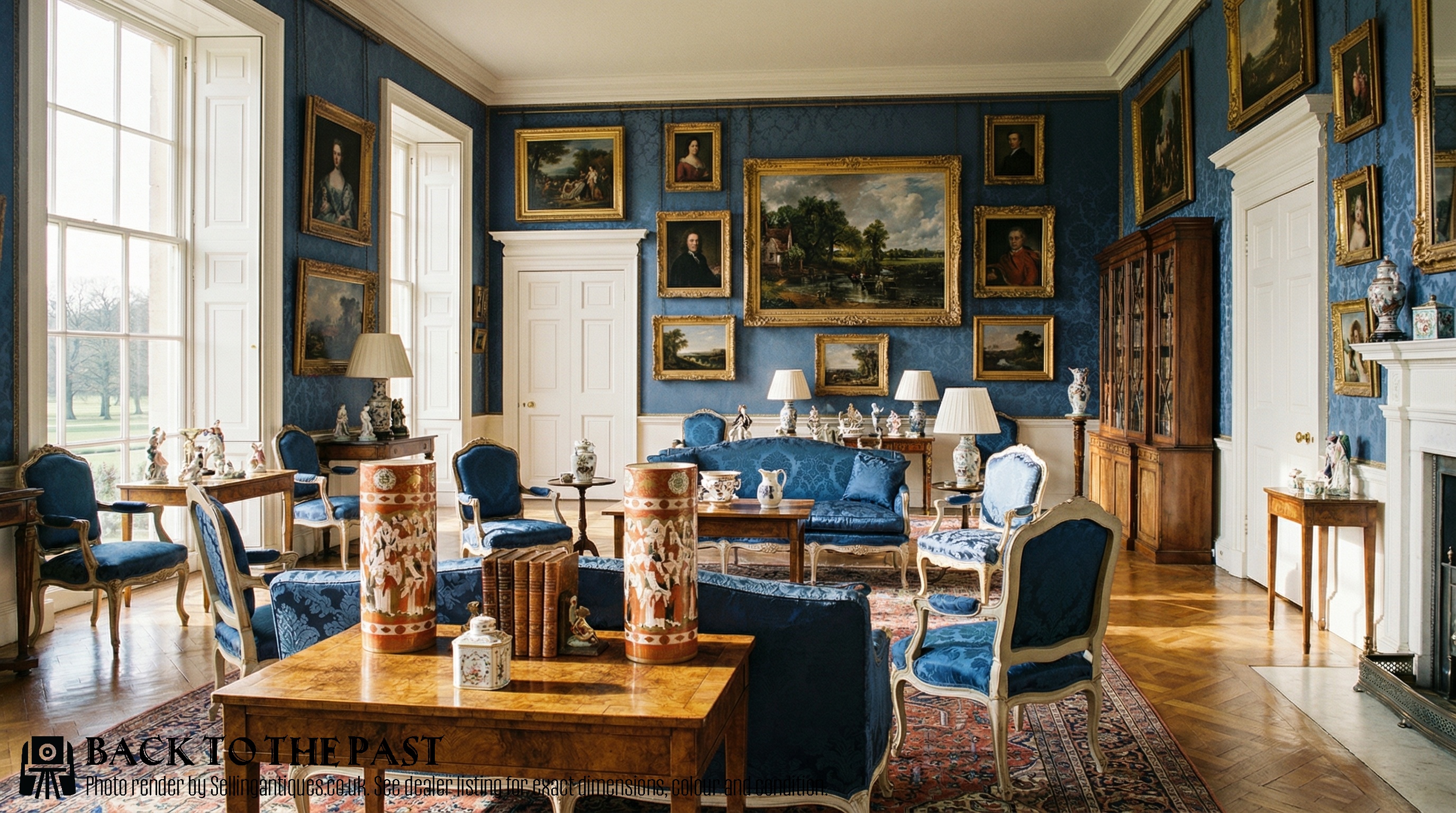
Many larger vases and vessels come with carved wood stands that complement their proportions and elevate the display.