


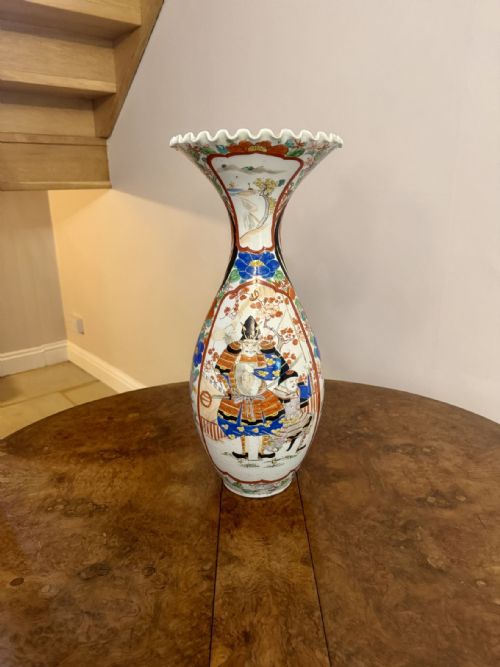
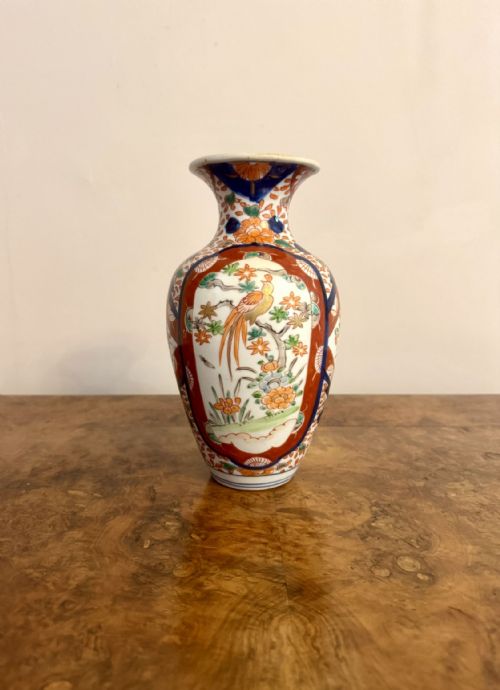
Orange Ceramic Urn
An orange ceramic urn brings substantial colour and presence into a room, drawing the eye with rich glazes and traditional forms.
Orange Ceramic Urn
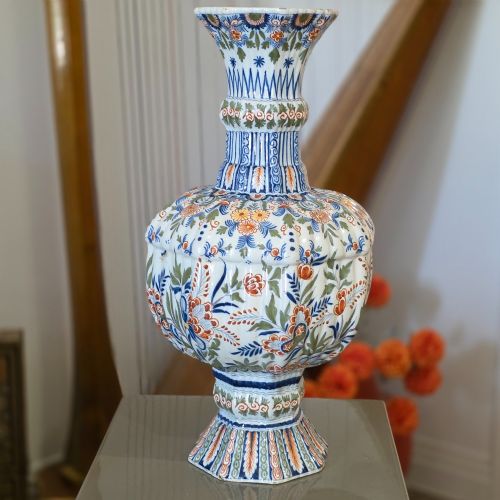
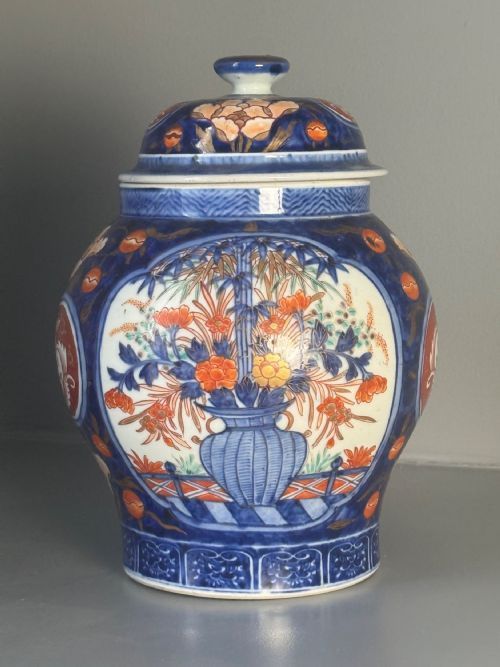
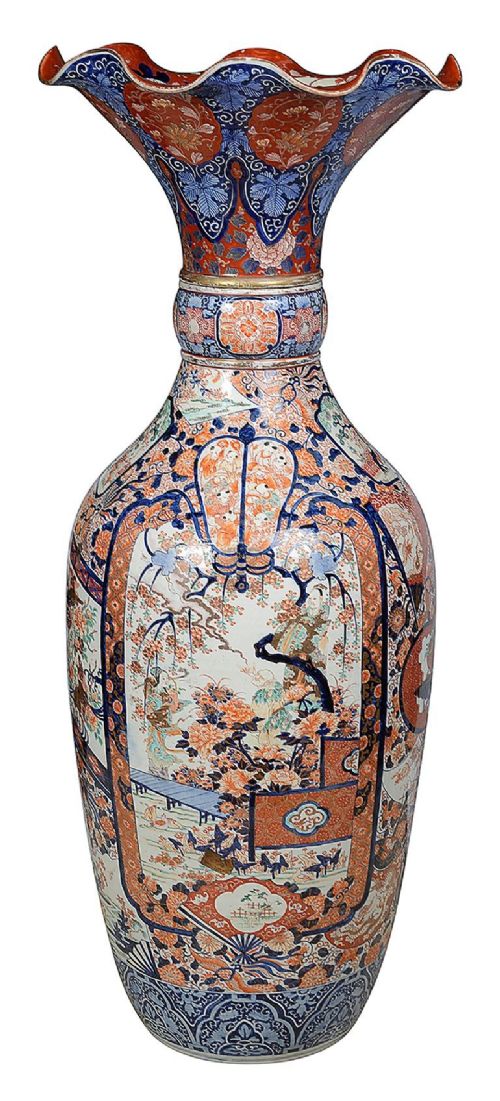
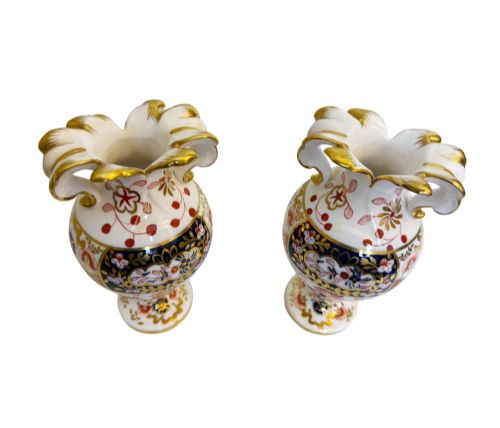
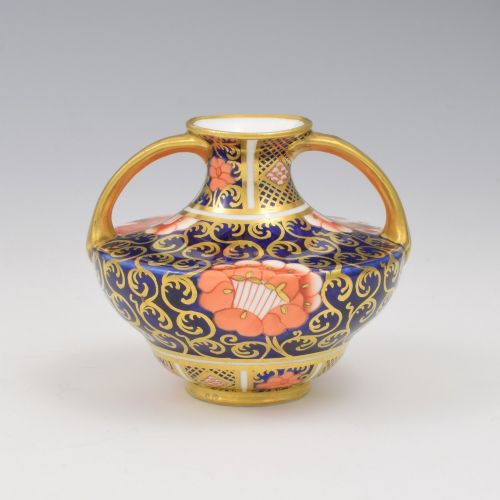
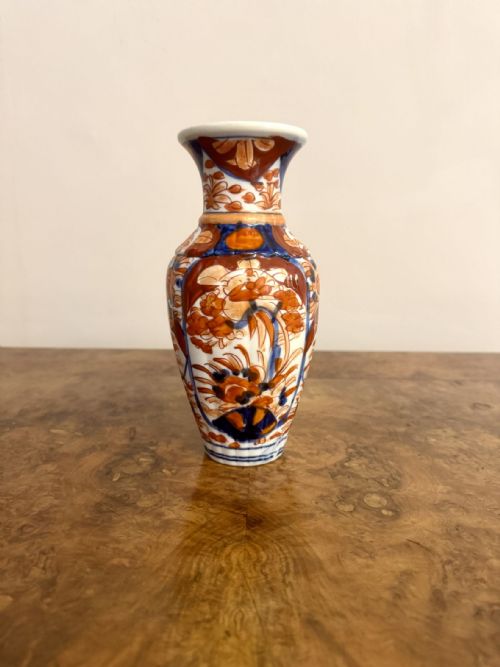
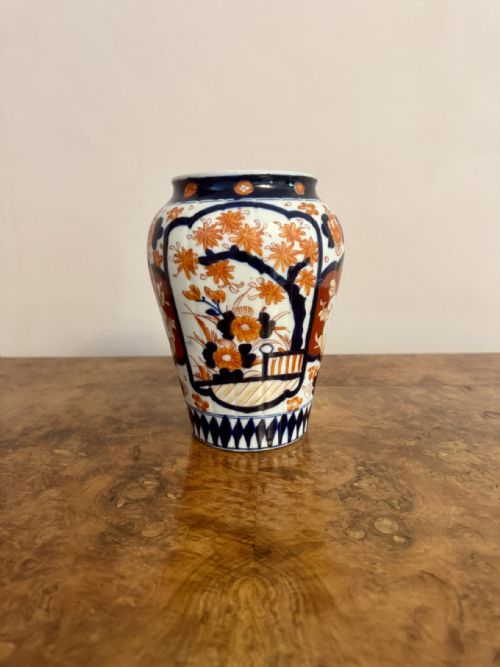
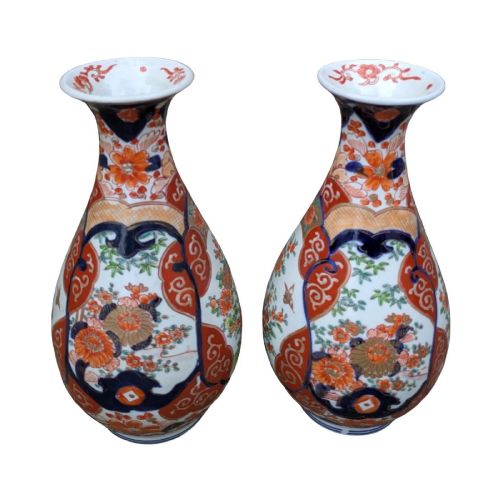
When you search for an orange ceramic urn, you encounter substantial vessels created primarily across the nineteenth and twentieth centuries. These pieces appear as large floor standing vases, covered ginger jars, and twin-handled jardinieres spanning Georgian, Victorian, Edwardian, and Art Deco periods.
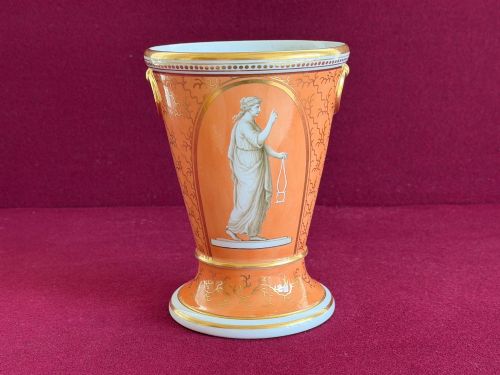
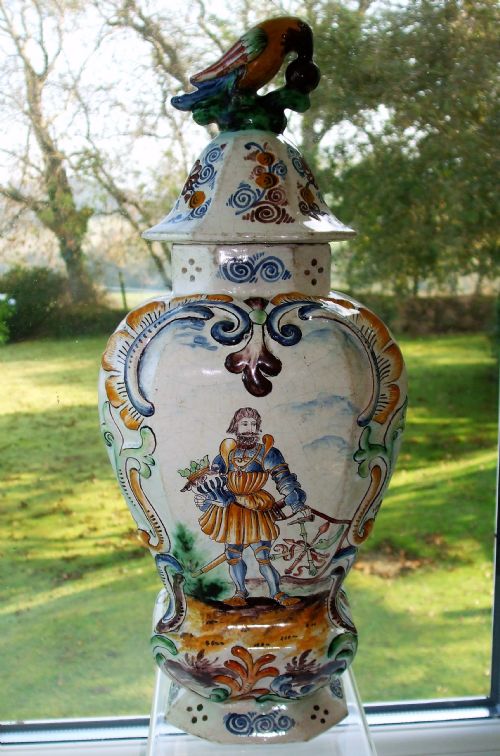
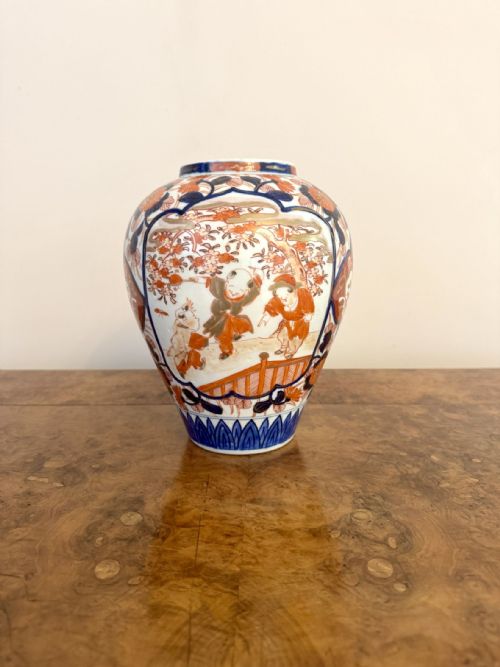
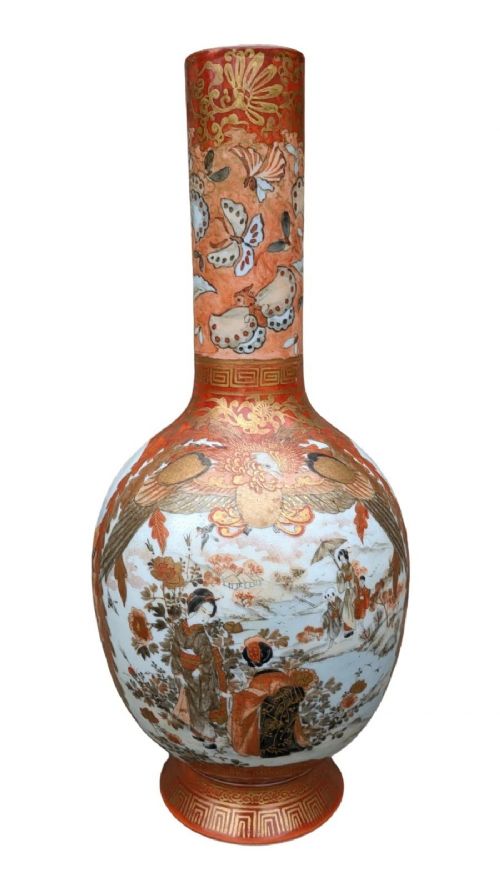
The selection here draws heavily upon Japanese Imari and Kutani traditions alongside English porcelain factories and Dutch Delftware. Forms range from miniature cabinet pieces to massive floor-standing containers and ice pails moulded from earthenware and ironstone.
Makers and makers' circles represented include Flight & Barr, Royal Crown Derby, Spode, and Chamberlain Worcester, sitting alongside exported Asian porcelain. These objects functioned historically as decorative garnitures and centrepieces rather than utilitarian vessels.
How they were made
Potters shaped these vessels from ceramic bodies including porcelain, earthenware, and ironstone, throwing or moulding them into baluster, double gourd, and octagonal forms. Surface designs relied on applied glaze, enamel painting, and selective use of gold leaf.
Firing techniques allowed vibrant iron-red and coral pigments to fuse with cobalt blue and gilt detailing, particularly visible in Japanese Imari and Kutani wares. English factories utilised hand-painting over glazed white bodies, often incorporating moulded twin handles and fitted covers.
Some nineteenth-century Imari vases feature moulded lion handles that appear to guard the rim.
What varies in quality
Quality rests upon the crispness of the painted detail and the depth of the glaze, distinguishing mass-produced commercial output from superior studio or factory work. Hand-painted enamels with precise gilt enrichment command attention through their pigment saturation and deliberate brushwork.
The integrity of the ceramic body and the preservation of overglaze enamels dictate the standing of a piece. Superior examples retain full registration in multi-plate transfers or precise hand application, with minimal rubbing to gold leaf and intact covers or handles.
Flight And Barr·Royal Crown Derby·Spode·Chamberlain Worcester·Royal Winton
The Orange Ceramic Urn Glossary
- Imari
- A style of Japanese porcelain decorated in underglaze blue and iron-red, often heavily enriched with gold. It originated in Arita and gained immense popularity across European interiors.
- Kutani
- Japanese coloured porcelain and pottery identifiable by bold pictorial designs, frequently featuring rich iron-red and gold palettes alongside figurative elements.
- Jardinire
- A decorative ceramic pot or stand designed to hold growing plants or flowers. These vessels often feature twin handles and sit on heavy bases.
- Garniture
- A set of three or more matching vases or jars designed to be displayed together on a mantelpiece or cabinet top.
- Ironstone
- A type of heavy, durable earthenware developed in the nineteenth century as a robust alternative to porcelain.
Orange Ceramic Urn: Frequently Asked Questions
How were these urns used historically?
These vessels served primarily as decorative garnitures on mantelpieces, sideboards, and pedestals, often displayed in symmetrical sets of three or five.
Larger floor-standing examples and jardinieres filled empty architectural corners or held indoor plants, functioning as markers of household taste and refinement.
How do I clean and care for a ceramic urn?
Dust the surface regularly with a soft, dry brush or microfibre cloth to prevent particulate buildup on delicate glazes and overglaze enamel.
Avoid using water, chemical cleaners, or abrasive cloths, especially on pieces with gold leaf or hand-painted enamel which can easily flake or rub off.
How can I tell the difference between periods?
Nineteenth-century pieces often exhibit heavier potting, dense Imari or Kutani palettes, and distinct hand-painted brushwork. Later twentieth-century items transition into smoother Art Deco geometries and uniform transfer-printed glazes.
Examining the base for factory marks, paste colour, and wear patterns helps anchor the object within its specific manufacturing decade.
Can these vases hold water?
Many older ceramic and earthenware urns were constructed for decorative display rather than holding water, and internal hairline fractures or unglazed interiors can cause leaks.
It is safest to use a separate glass or plastic liner inside the vessel if you intend to display fresh floral arrangements.