
Queen Anne Walnut Furniture
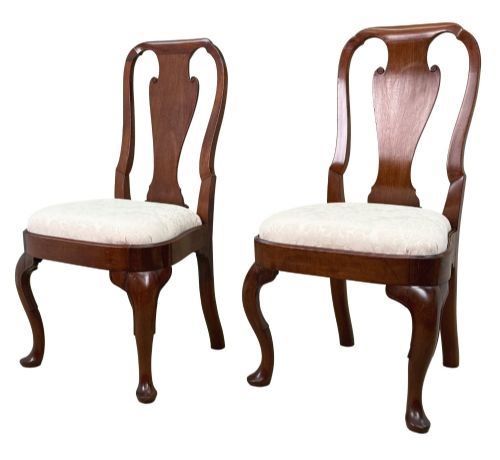
Queen anne walnut furniture brings warmth and architectural restraint to a room through rich timber and clean lines.
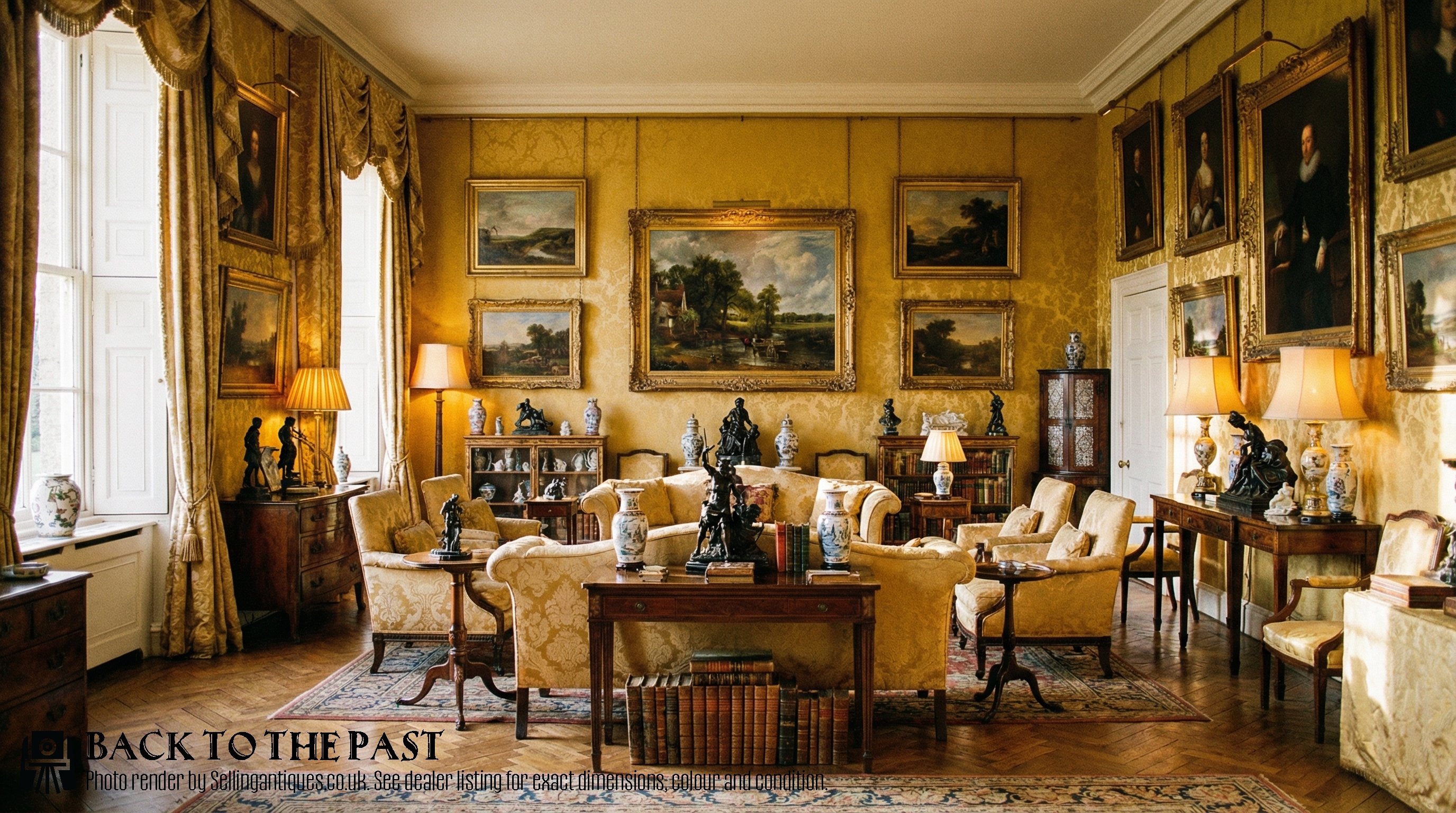
What queen anne walnut furniture is
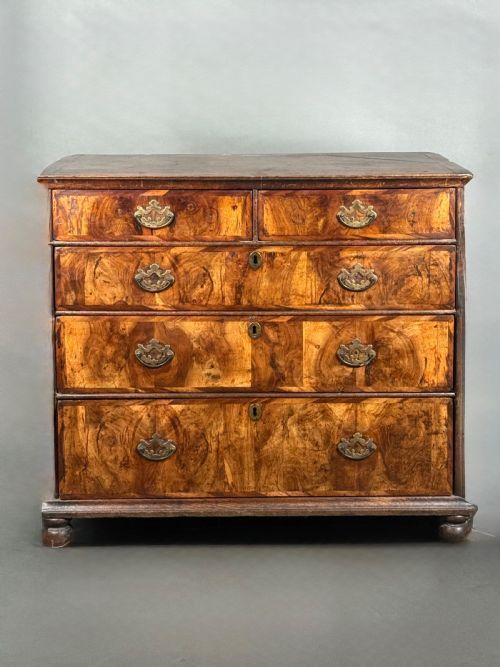
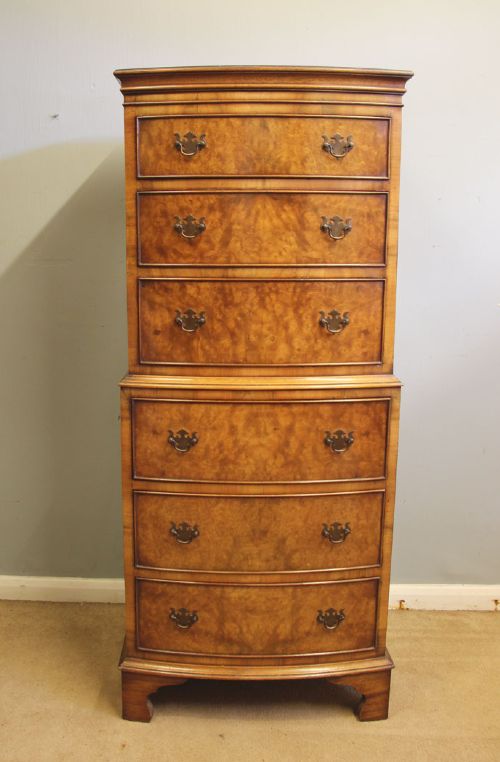
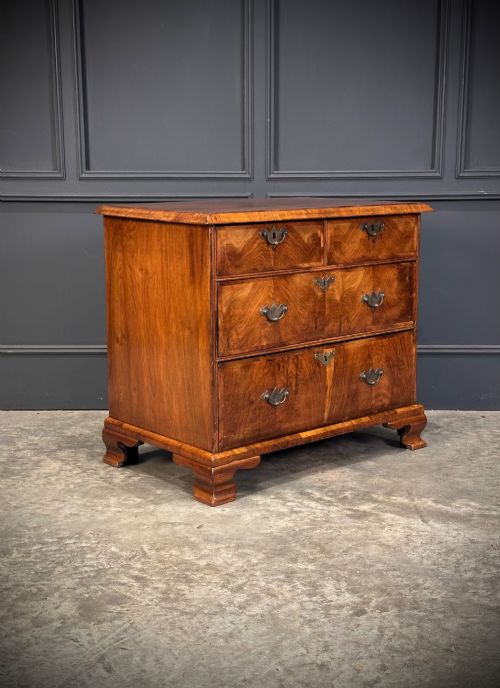
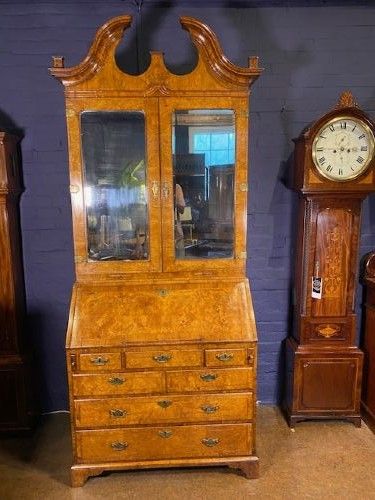
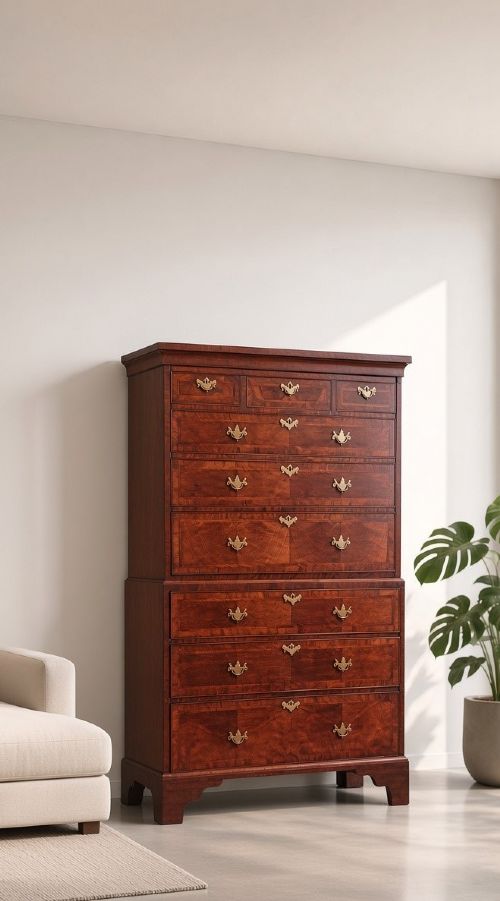
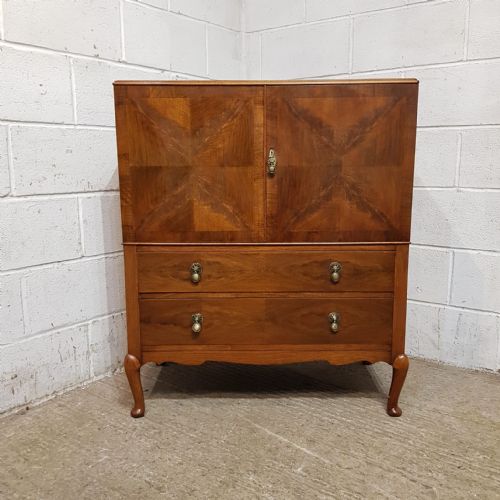
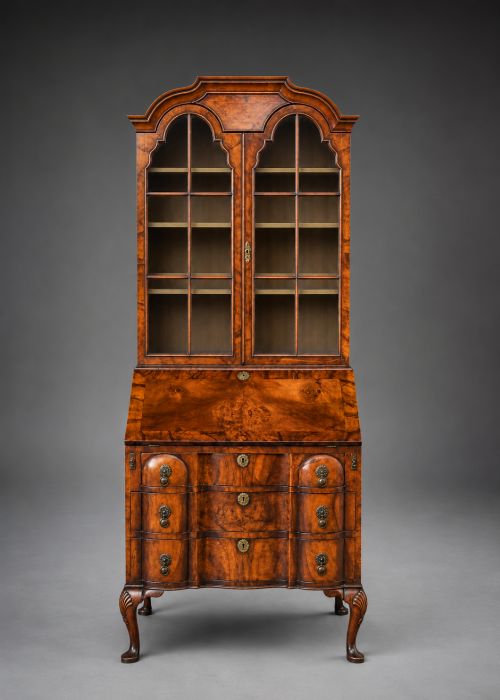
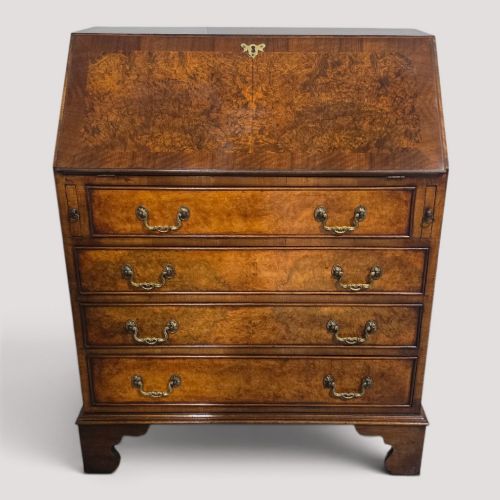
Queen anne walnut furniture encompasses pieces made during the early eighteenth century, particularly around seventeen hundred, alongside later revival works from the nineteen thirties. Buyers seeking this aesthetic encounter robust forms such as chests of drawers, secretaire chests or escritoires, and corner cabinets. These items represent a pivotal shift from heavy oak towards sophisticated figured timbers.
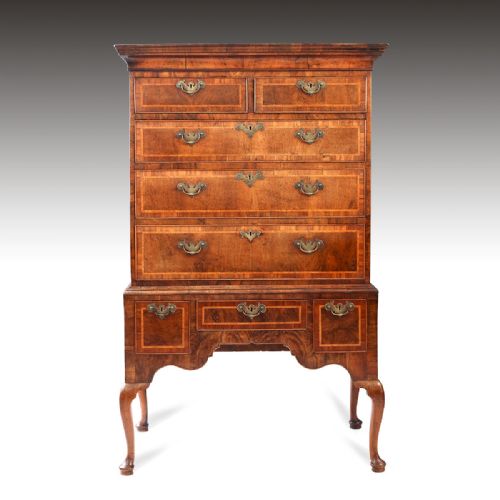
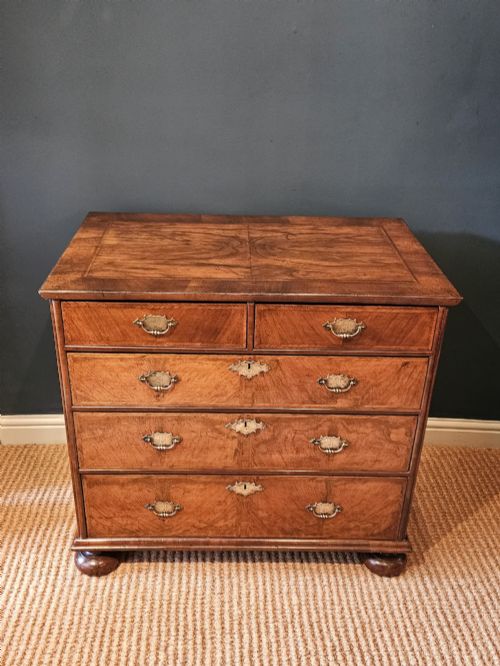
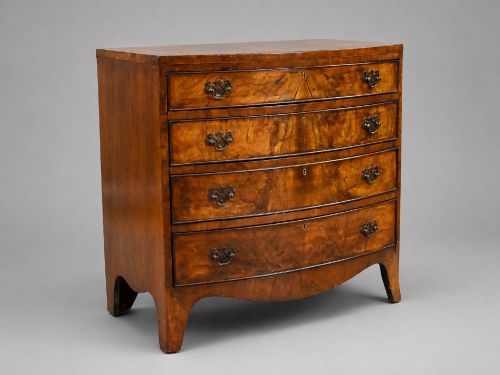
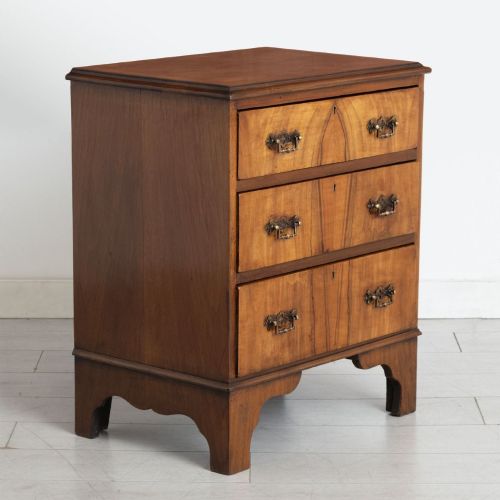
The material palette centres on walnut and burr walnut, sometimes accented with brass hardware and mother of pearl details. Pieces range from straightforward chests of two short and three long graduated drawers to more complex secretaire variants. Each surviving example demonstrates the domestic storage needs of the period through practical yet refined proportions.
How they were made
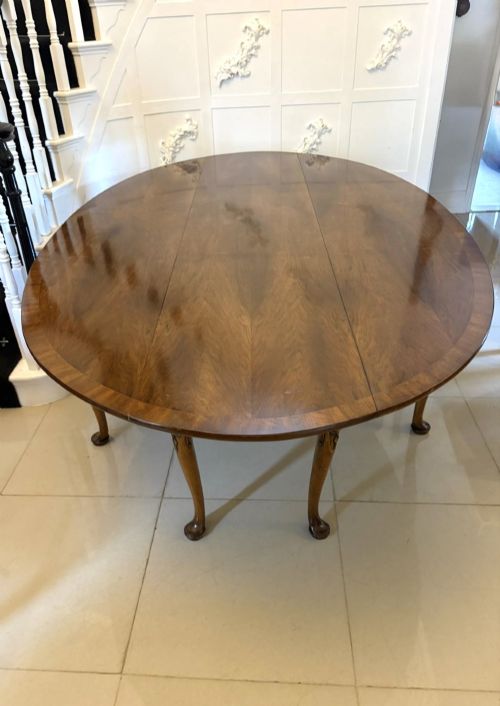
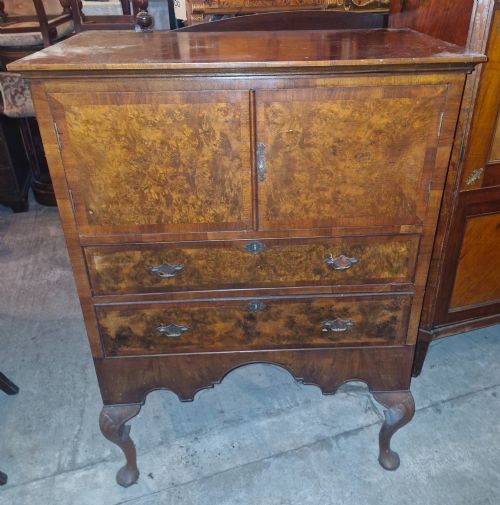
Cabinet makers constructed these pieces using solid walnut and decorative burr or figured walnut veneers applied to secondary woods. The surfaces gain their characteristic depth through the careful matching of timber grain during the early eighteenth century. Workshops employed traditional joinery techniques to stabilise the dense wood against seasonal movement.
Hardware such as brass handles and escutcheons were fitted to drawers and doors, providing both functional operation and visual contrast against the dark timber. Selected details occasionally incorporated mother of pearl inlay to enrich the appearance of corner cabinets and desks. Every component reflects the manual dexterity of period artisans.
Retail Price Guide 2026
Typical UK retail prices for queen anne walnut furniture, calculated from the Sellingantiques database of over a million retail prices indexed since 2003. This retail price guide relies exclusively on Sellingantiques data; no external sources or auction records are used, so the figures do not describe the wider market.
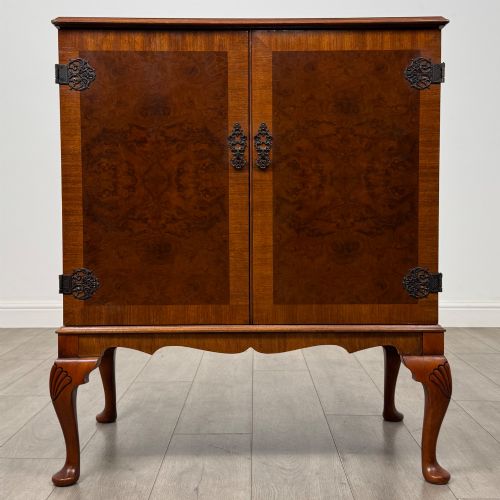
Some corner cabinets hide their contents behind curved doors while displaying mother of pearl details.
What varies in quality
The grade of queen anne walnut furniture depends heavily on the selection and preservation of the timber veneer. Pieces featuring symmetrical burr walnut figures and consistent grain patterns command greater appreciation than those utilising plain boards. The integrity of the original surfaces dictates the visual success of the piece.
Proportion and execution of form also distinguish superior examples from standard workshop production. The crispness of moulded edges and the harmonious arrangement of graduated drawers demonstrate the skill invested in the creation. Later nineteen thirties revival pieces show different manufacturing tolerances compared to their eighteenth century predecessors.
The Queen Anne Walnut Furniture Glossary
- Burr walnut
- A highly figured timber cut from tree growths, prized for its swirling patterns and rich texture. This veneer creates striking decorative panels on drawer fronts.
- Escritoire
- A writing cabinet featuring a fall front that conceals compartments and small drawers. These versatile items combine storage with a compact writing surface.
- Graduated drawers
- A sequence of drawers diminishing in depth from bottom to top. This arrangement creates a balanced visual perspective on tall chests.
- Secretaire chest
- A chest of drawers incorporating a dedicated writing drawer with a drop down front. It provides hidden compartments for correspondence and documents.
Frequently Asked Questions
How do I date queen anne walnut furniture?
Dating relies on examining construction methods, timber choice, and hardware styles. Eighteenth century pieces show specific joinery traits and patination that differ from twentieth century revivals.
Comparing drawer linings and backboards helps establish whether a piece belongs to the seventeen hundreds or the nineteen thirties.
What is burr walnut?
Burr walnut is timber taken from a tree excrescence, producing intricate swirling grain patterns. It was sliced into thin veneers for decorative furniture fronts.
Cabinet makers used these figured sections to create symmetrical designs on drawer faces and cabinet doors.
Where were these pieces used?
These items served functional roles in domestic interiors for storing clothing, linens, and writing materials. Chests and corner cabinets fitted naturally into parlours and bedrooms.
Their restrained proportions allowed them to occupy corners and wall spaces without overwhelming the room.
How do I care for walnut furniture?
Walnut requires stable humidity and protection from direct sunlight to prevent timber splitting and veneer lifting. Regular dusting with a dry cloth maintains the surface.
Avoiding excessive moisture preservation preserves the historic patination developed over centuries of use.