


Queen Anne Furniture
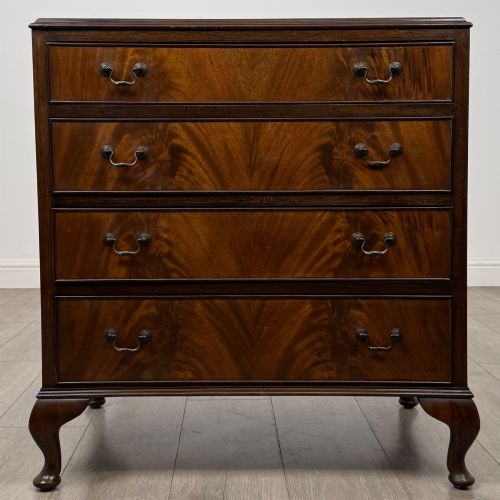
Queen Anne furniture encompasses domestic walnut and oak forms originating in the early eighteenth century alongside later twentieth-century revival interpretations.
Queen Anne Furniture
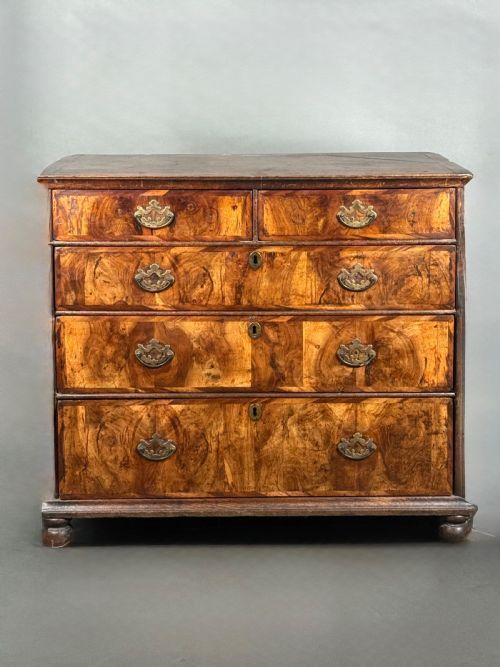
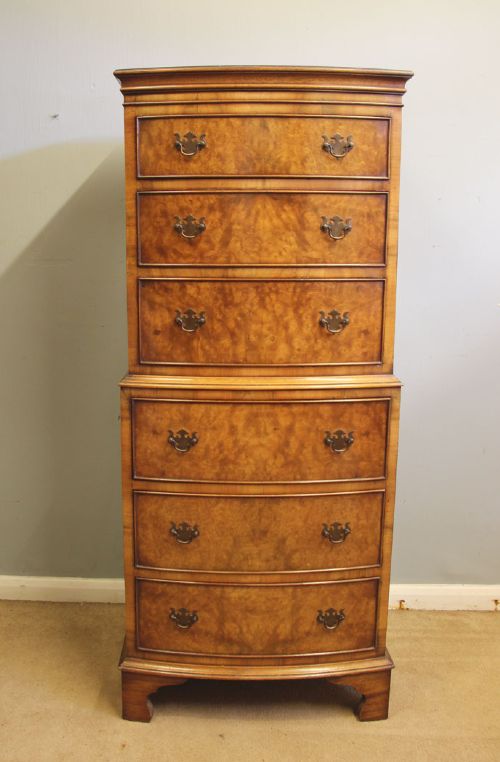
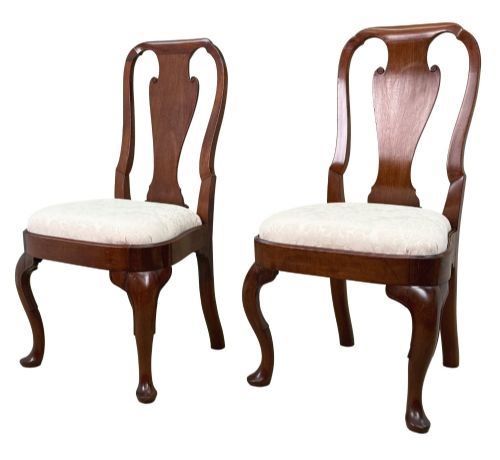
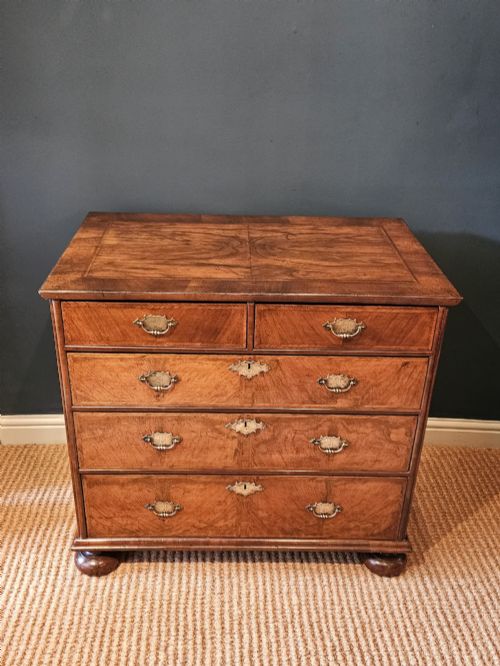
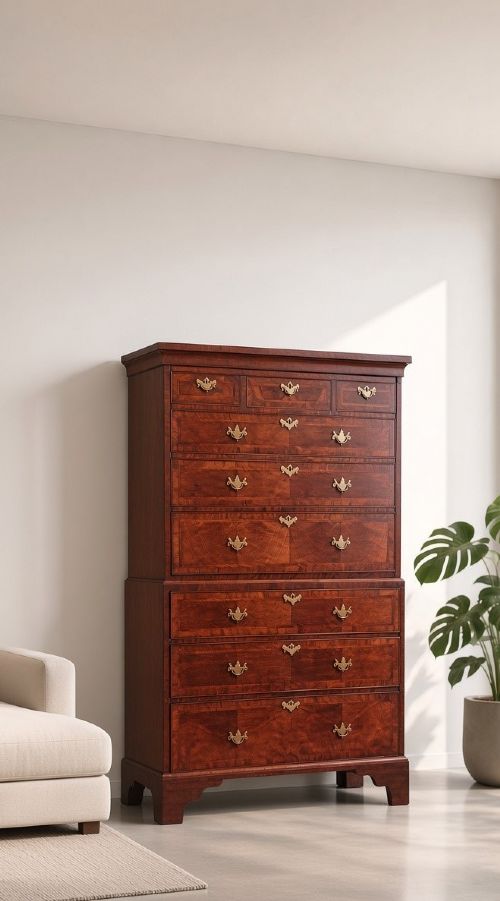
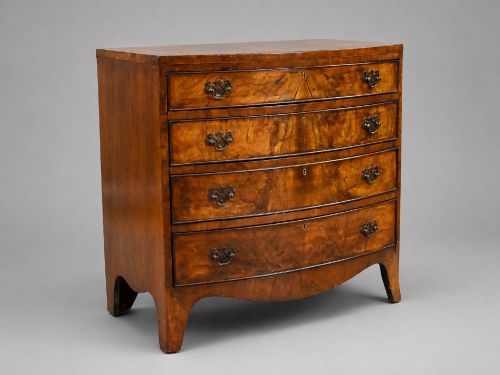
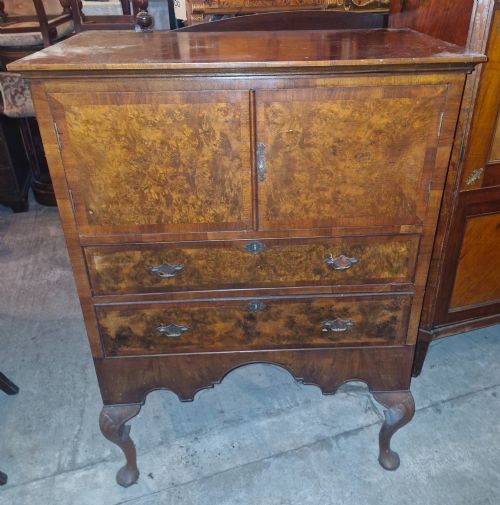
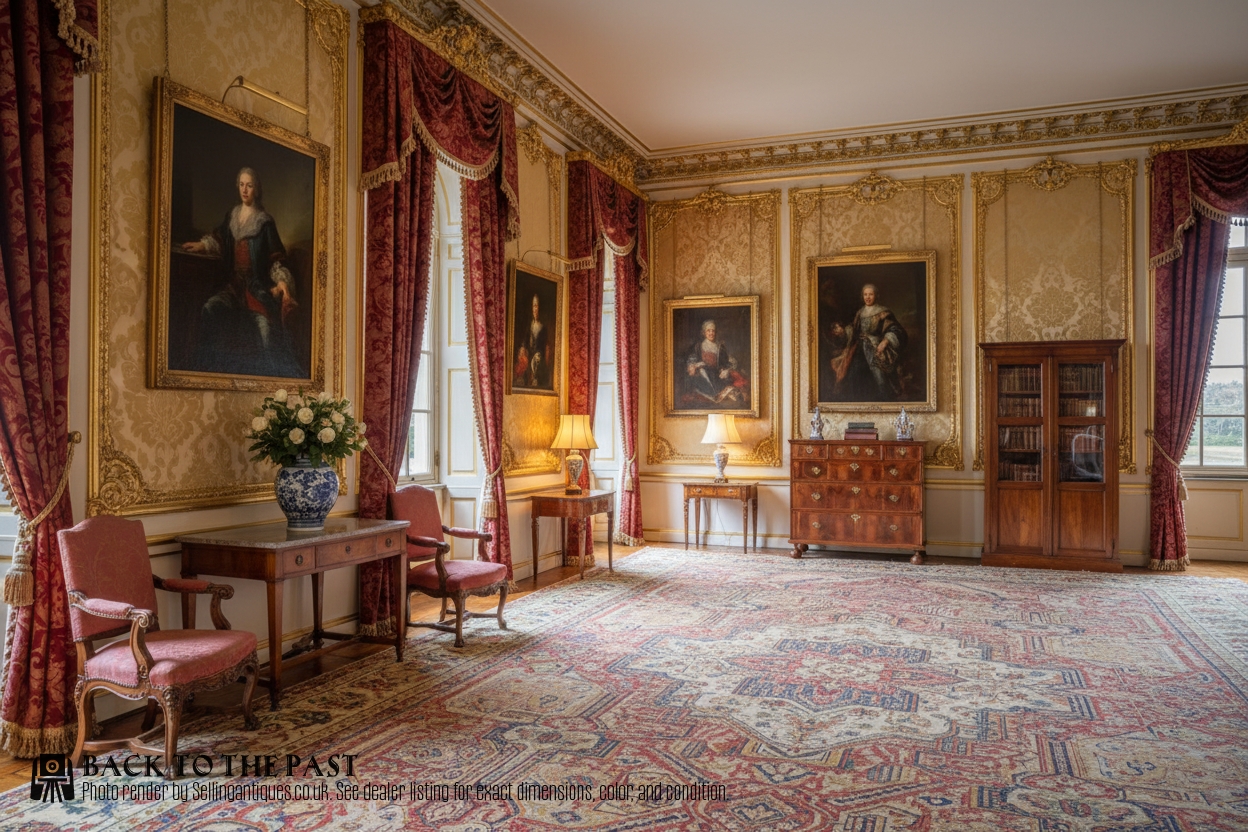
Queen Anne furniture centres on domestic storage and writing forms built primarily in walnut, burr walnut, and oak during the eighteenth century and subsequent revival periods. Pieces range from small side tables and chests of drawers to large bureau bookcases, tallboys, and press cupboards designed for private chambers and reception rooms.
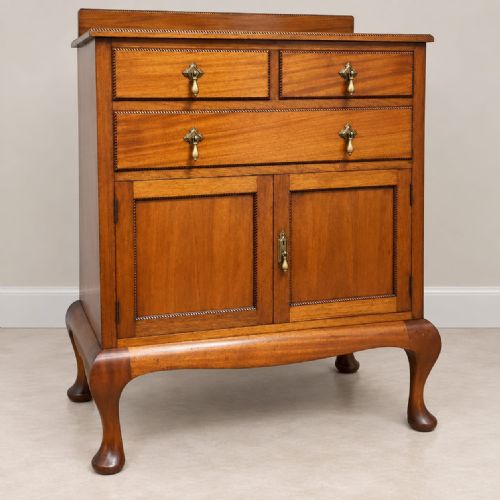
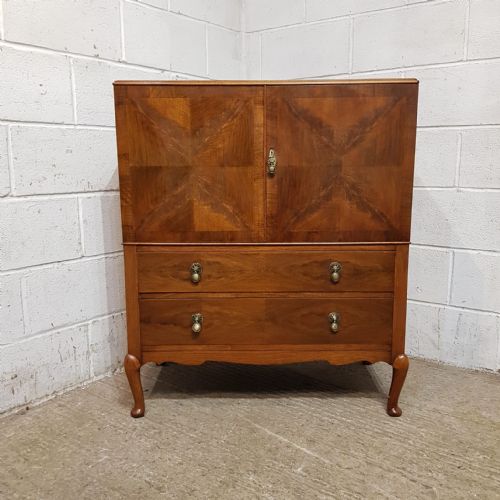
Buyers encountering this selection will find both original pieces dating from the early eighteenth century and twentieth-century revival interpretations produced in Edwardian and interwar workshops. These later items replicate the characteristic proportions and timber figures of the earlier period while fulfilling modern domestic requirements for desks and display cabinets.
How they were made
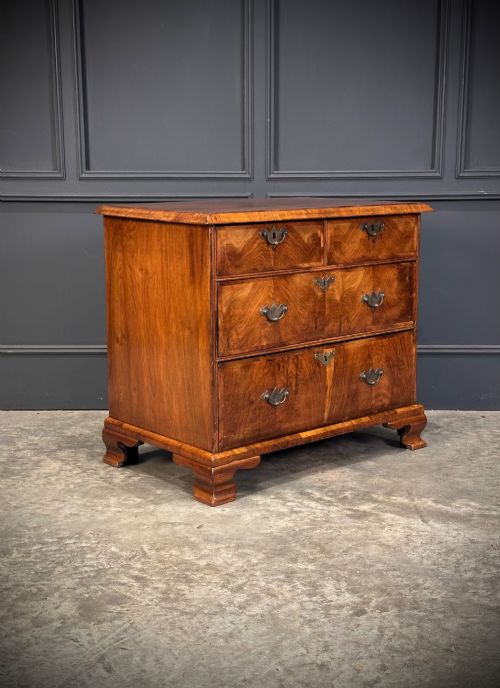
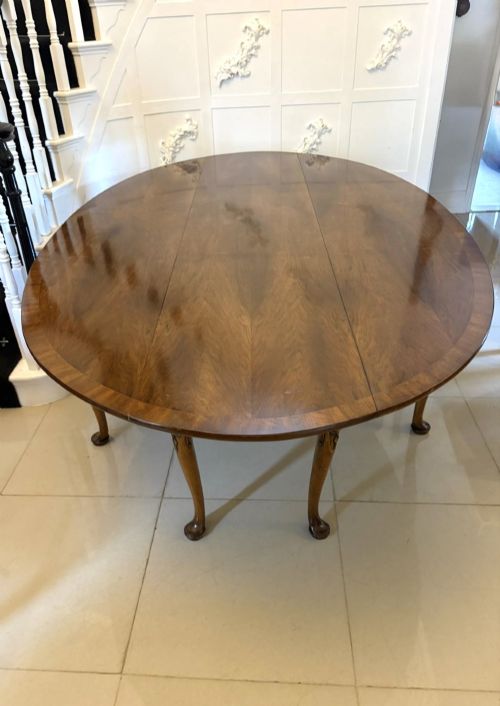
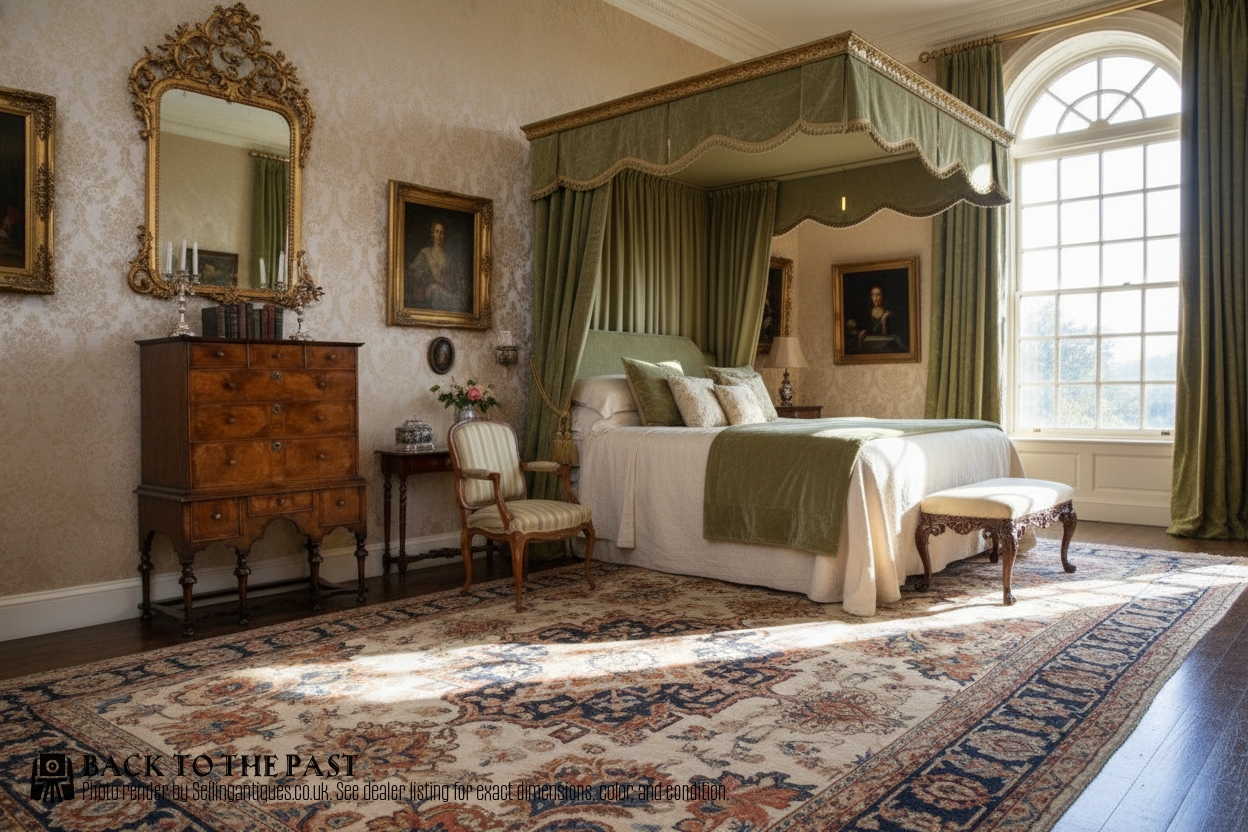
Cabinet makers utilised solid timber and delicate veneers, selecting figured walnut, burr walnut, mahogany, and oak for visible surfaces. Individual elements frequently display herringbone banding and cross-banding to frame drawer fronts and tabletops.
Structural integrity relied on traditional joinery, incorporating brass handles, escutcheons, and hinges to secure doors, drawers, and fall-front writing surfaces.
Queen Anne Furniture Retail Price Guide 2026
Typical asking prices for queen anne furniture among the pieces listed under this phrase on Sellingantiques today, from the lower quarter to the upper quarter. They describe what is for sale here now, not the wider market.
The inventory includes items from the early eighteenth century alongside Edwardian and 1920s revival pieces.
What varies in quality
Quality rests upon the selection of timber figures and the preservation of original surfaces, where rich burr walnut and figured grain contrast with plainer utility builds. Finer examples display meticulous attention to banded inlay and harmonious proportions across multi-part chests and secretaries.
The degree of later intervention alters the standing of a piece, distinguishing items retaining their original brass hardware and structural timber from those with extensive modern replacements.
Maple and Co·Wylie and Lochhead Glasgow
The Queen Anne Furniture Glossary
- Burr walnut
- A prized timber harvested from the wart-like growths on walnut trees, yielding intricate, swirling grain patterns. Cabinet makers applied it as a veneer to drawer fronts and tabletops.
- Tallboy
- A tall chest of drawers constructed in two stacked sections, providing substantial vertical storage without occupying excessive floor space. They frequently combine a lower chest base with an upper wardrobe or drawer configuration.
- Lowboy
- A small dressing or side table featuring one or more rows of drawers beneath a flat top, supported on slender legs. These tables served domestic functions in eighteenth-century bedchambers.
- Bureau bookcase
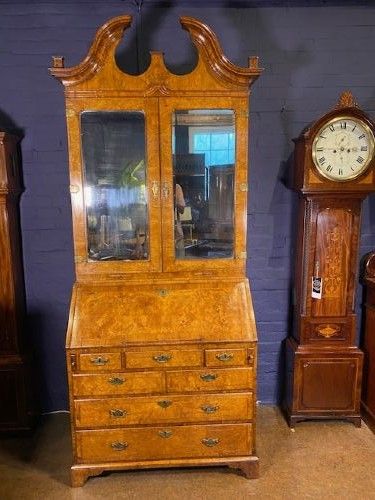
- A dual-purpose writing desk featuring a sloping fall-front flap above drawers, surmounted by a glazed or panelled shelving cabinet. They combined private correspondence storage with library display space.
- Herringbone banding
- A decorative inlay technique utilising small strips of veneer arranged in a V-shaped zig-zag pattern. Craftsmen placed these borders around drawer perimeters to frame the primary wood.
Queen Anne Furniture: Frequently Asked Questions
How do I identify original eighteenth-century pieces?
Original pieces display period construction methods, timber shrinkage, and hand-cut dovetails that differ from twentieth-century revival manufacturing techniques. Examining the secondary woods inside drawers often reveals the age of the structure.
Makers working in the nineteen-twenties and thirties utilised twentieth-century machinery and contemporary adhesives alongside traditional forms, creating revival pieces with distinct internal characteristics.
What is a chest on stand?
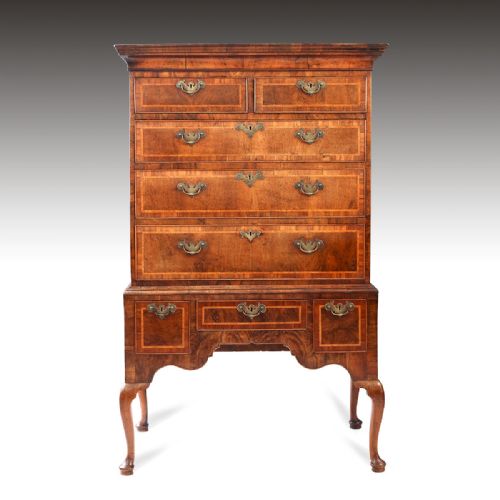
A chest on stand combines a primary drawer section resting upon an open framework table with legs. This form lifted storage compartments higher off the floor and lightened the overall visual weight in a room.
Such pieces date across both the eighteenth century and subsequent revival periods, serving as prominent focal points in domestic interiors.
Where should I place a bureau bookcase?
A bureau bookcase requires a stable interior wall with adequate vertical clearance to accommodate its combined desk and shelving structure. Placing the piece away from direct sunlight and heat sources protects the walnut veneers from drying and cracking.
The fold-down writing flap functions best in a study, library, or drawing room where natural light aids reading and correspondence.
How do I care for walnut furniture?
Walnut surfaces benefit from occasional application of traditional wax polish to nourish the timber and maintain a soft sheen. Avoid harsh chemical cleaners and excessive moisture, which damage delicate veneers and brass hardware.
Maintaining stable indoor humidity prevents the burr walnut and solid timber from warping or splitting over time.