



Qing Famille Rose Urn
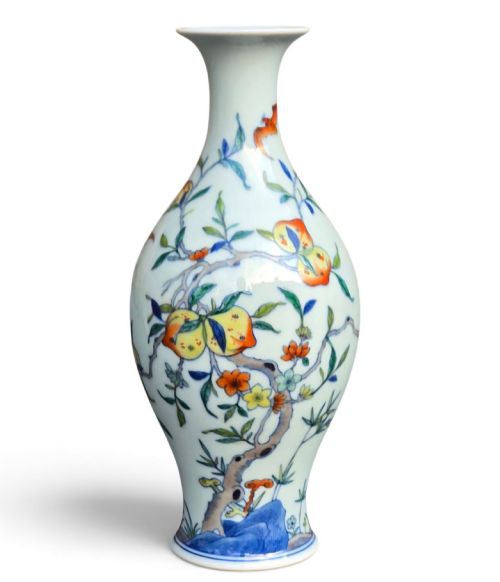
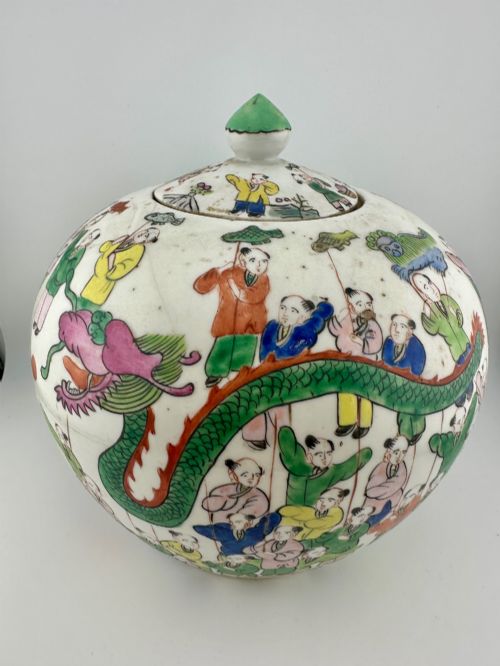
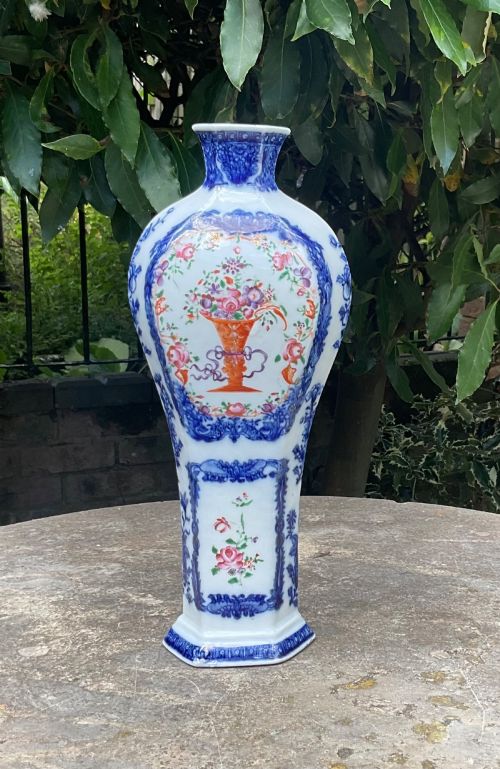
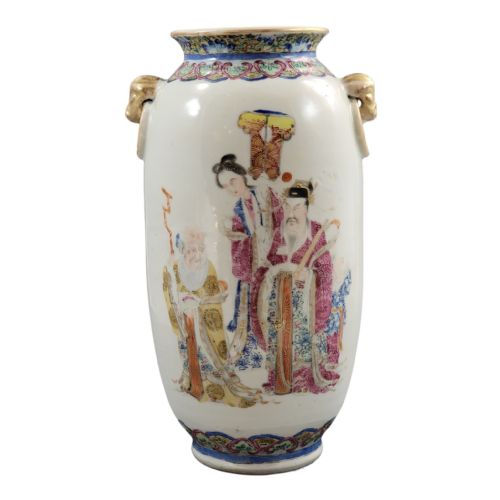
These Qing famille rose urn vessels and vases bring vibrant enamelled palettes and intricate hand-painted detail straight from Chinese kilns into your room.
Qing Famille Rose Urn
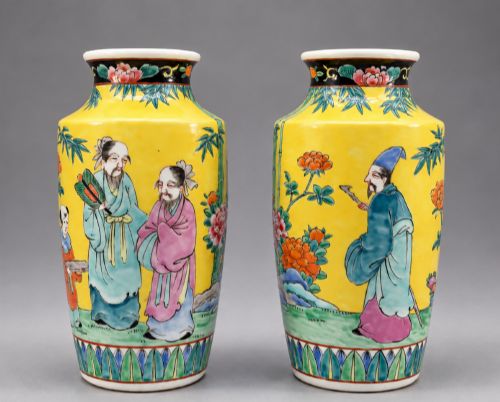
Vessels span from monumental floor vases and baluster forms down to table lamps and decorative jars. Many items arrive in matched pairs, often accompanied by wooden stands or mounted for electrical use.
How they were made
Potters shaped these objects from fine porcelain before applying complex enamel glazes in pink, green, and iron-red tones. Artisans frequently integrated gold leaf and gilt highlights to accentuate intricate panels depicting birds, flowers, and figures.
Kiln production relied on skilled hand-painting techniques, executed in centres such as Jingdezhen and Canton. Additional structural support sometimes involved brass fittings or padouk wood components.
Object forms span decorative vases, lidded jars, moon flasks, and table lamps paired with padouk wood stands.
What varies in quality
The refinement of the hand-painted enamel work dictates the distinction between standard production and superior pieces. Finer examples display meticulous brush control across complex figural scenes, flora, and fauna.
The density and precision of gilding, alongside the clarity of the porcelain body and the preservation of the enamel glaze over centuries, separate exceptional items from simpler decorative wares.
The Qing Famille Rose Urn Glossary
- Famille Rose
- A palette of opaque enamels dominated by pink or rose colours, introduced to Chinese porcelain during the Qing Dynasty. This technique allowed for nuanced shading and detailed pictorial representation.
- Canton
- A major trading port in southern China associated with vibrant export porcelain decorated with panels of figures and flowers. Cantonese workshops produced substantial quantities of Rose Medallion wares for Western markets.
- Baluster
- A vase form characterised by a bulbous lower body tapering to a narrower neck, frequently seen in nineteenth-century Chinese porcelain. This classic silhouette provides a stable base for expansive painted narratives.
- Moon Flask
- A flattened, circular flask fitted with two small handles linking the neck to the shoulders. These symmetrical vessels often stand on oval bases and display intricate enamel decoration.
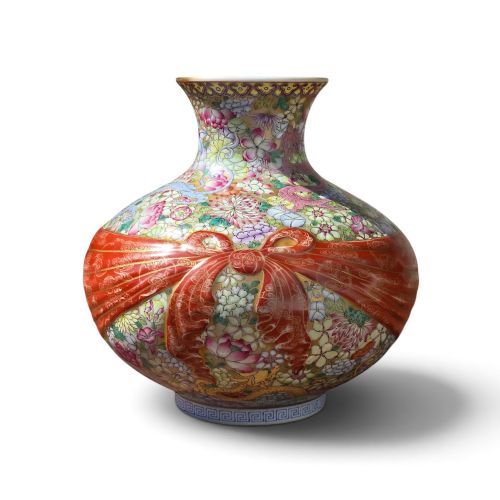
- Millefleurs
- A dense pattern covering the entire surface with a multitude of painted flowers, leaving virtually no background porcelain exposed. This labour-intensive style demonstrates exceptional technical skill.
Qing Famille Rose Urn: Frequently Asked Questions
What defines a qing famille rose urn?
A qing famille rose urn is a porcelain vessel decorated with opaque enamels where pink tones predominate, produced during the Qing Dynasty.
These pieces range from baluster vases to lidded jars, often featuring hand-painted figures, birds, and botanical motifs.
How are these urns dated?
Dating relies on stylistic markers, reign marks, and the specific characteristics of the enamel glazes and porcelain bodies.
Nineteenth-century pieces frequently display distinct Cantonese painting styles or specific imperial period marks.
Are these pieces painted by hand?
The decoration on these porcelain vessels is executed entirely by hand using detailed enamel brushwork.
Painters applied multiple layers of pigment and gilt highlights to create rich narrative and decorative panels.
How should I display a ceramic urn?
These decorative vessels suit placement on sturdy tables, wooden stands, or as part of a balanced mantel arrangement.
Pairs look striking when positioned symmetrically, while larger floor vases anchor empty corners effectively.