


Painted Chinese Porcelain Urn
These painted chinese porcelain urn forms span centuries of ceramic artistry, bringing vibrant enamel palettes and classical glaze traditions into modern interiors.
Painted Chinese Porcelain Urn
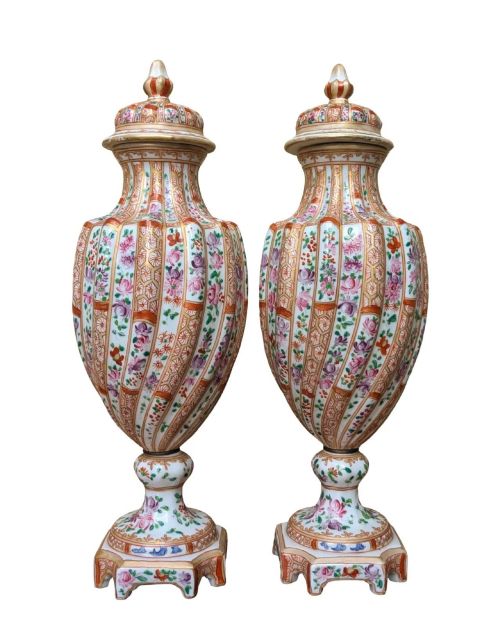
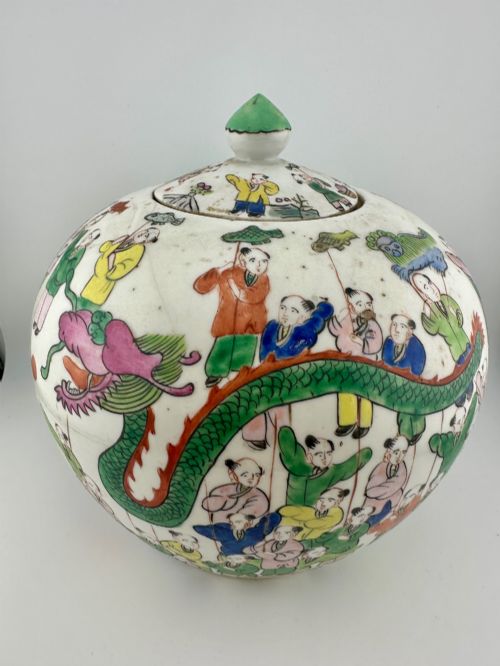
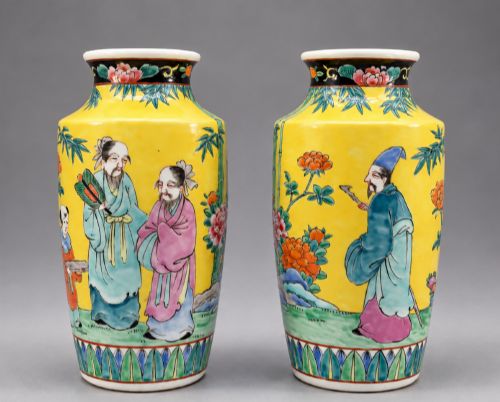
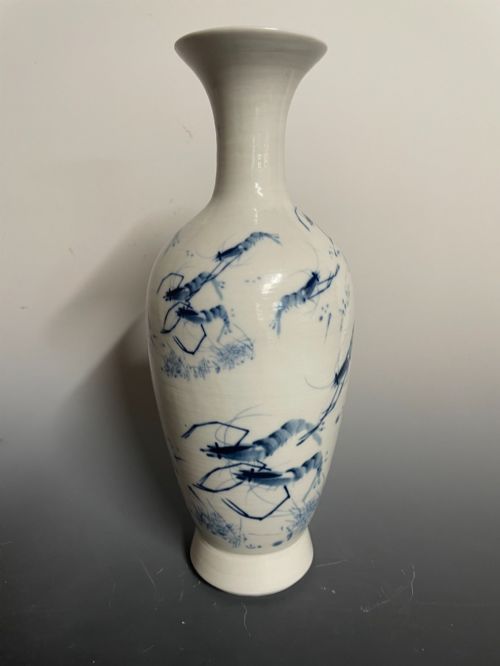
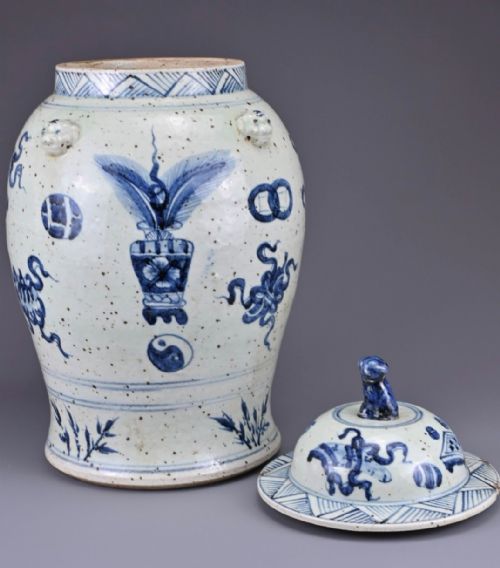
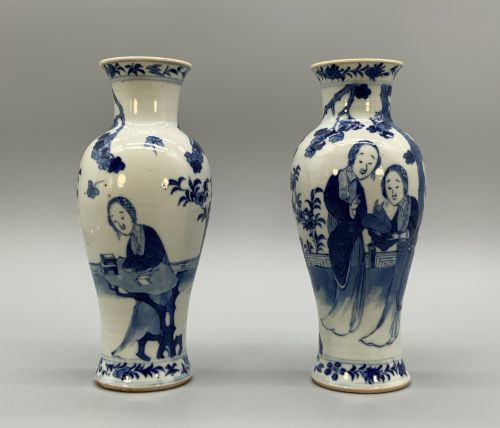
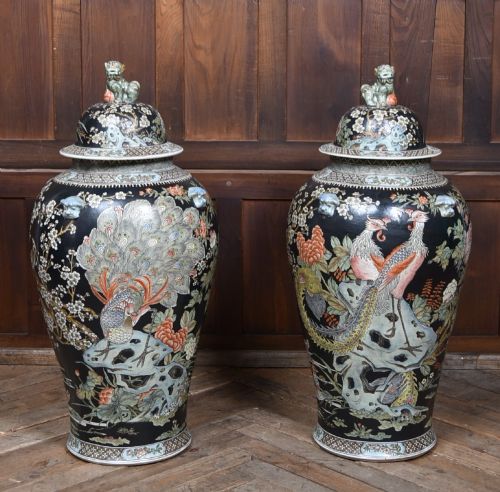
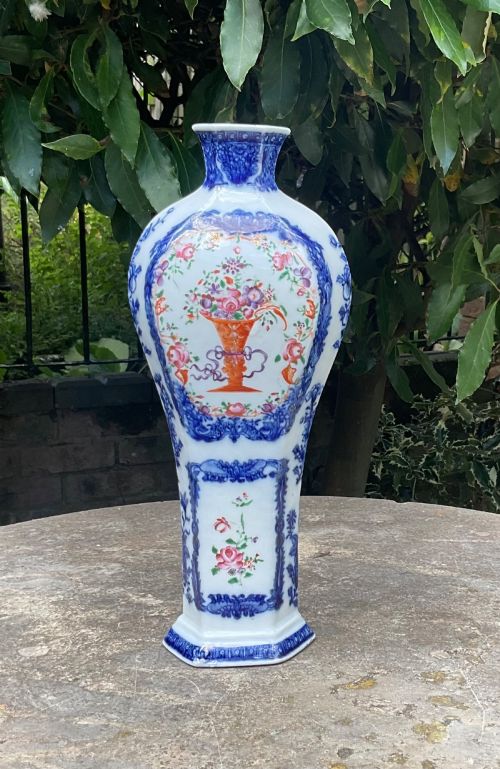
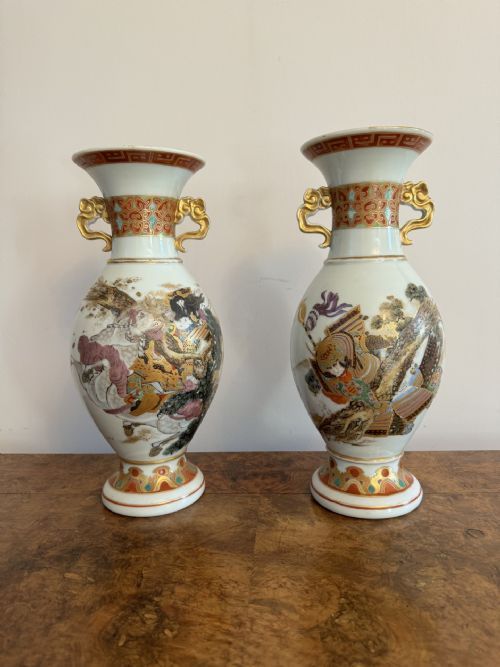
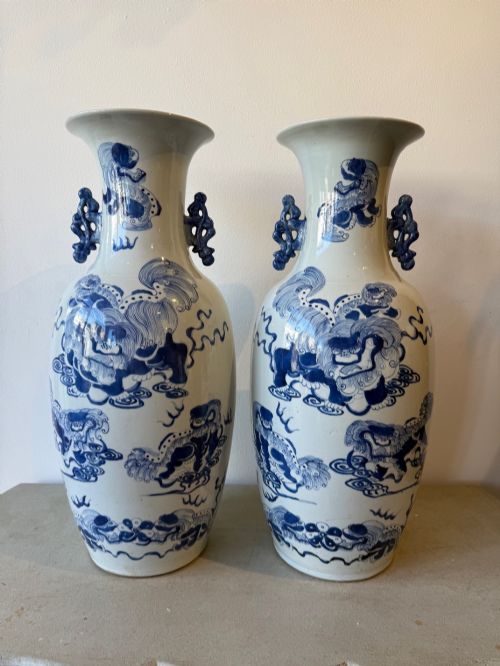
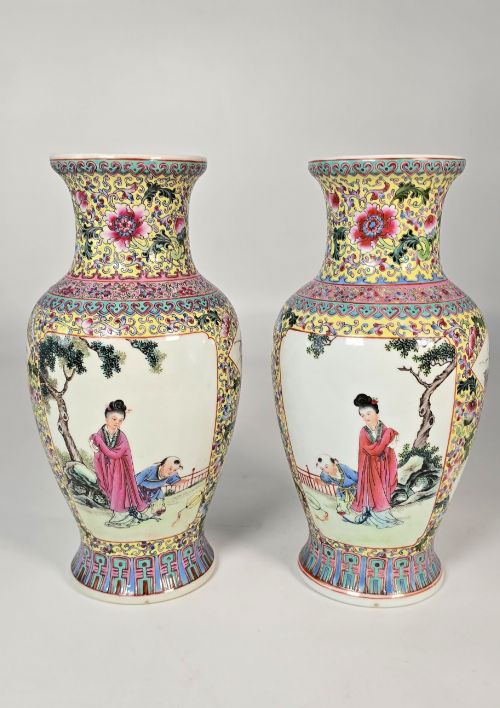
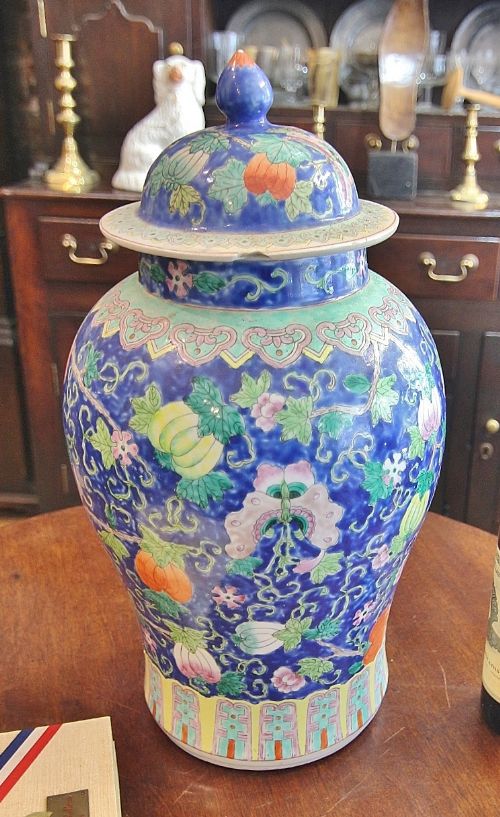
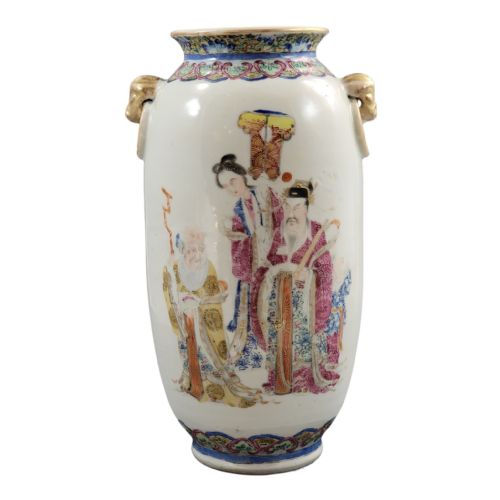
When you search for painted chinese porcelain urn pieces, you encounter a diverse array of forms including ginger jars, baluster vases, and monumental floor jars. These objects originate from various eras such as the Qing Dynasty and the Republic Period, showcasing traditional motifs like figural ladies, dragons, and birds.
The most common examples on this page date from the nineteenth century, encompassing blue and white wares, Canton famille rose vessels, and rose medallion lidded jars. Many of these historical vessels have been adapted into table lamps while retaining their original hand-painted porcelain bodies.
Materials and construction methods
The foundation of these pieces relies on ceramic porcelain combined with cobalt glaze and enamel decoration applied by hand. Artisans utilised techniques such as crackle ware glazing and meticulous brushwork to define the intricate floral and figural scenes.
Selected vessels incorporate supplementary elements like brass fittings and gold leaf accents, particularly on items converted into lamps or produced during later periods.
Listings span multiple eras from the seventeenth century through the Republic Period, uniting blue and white porcelain with polychrome enamel styles.
Assessing quality in historical ceramics
The distinction between tiers of these ceramics rests upon the precision of the hand-painted brushwork and the clarity of the enamel colours. Pieces featuring tightly controlled cobalt lines or finely rendered figural expressions demonstrate superior artisanal execution.
Additionally, the depth of the glaze and the crispness of reign marks or character signatures on the base separate standard decorative output from works of higher refinement.
Gao Hengsheng
The Painted Chinese Porcelain Urn Glossary
- Famille rose
- A palette of opaque enamels dominated by pink or rose colours, introduced during the Qing dynasty. This technique allowed for subtle tonal gradations in floral and figural depictions.
- Celadon
- A type of transparent green glaze applied over a pale body, creating subtle crackle patterns and tactile depth. It has been utilised in Chinese kilns for centuries.
- Ginger jar
- A wide-shouldered storage vessel with a domed cover, historically used for spices and preserved herbs. They became highly collectible decorative items in the West.
- Doucai
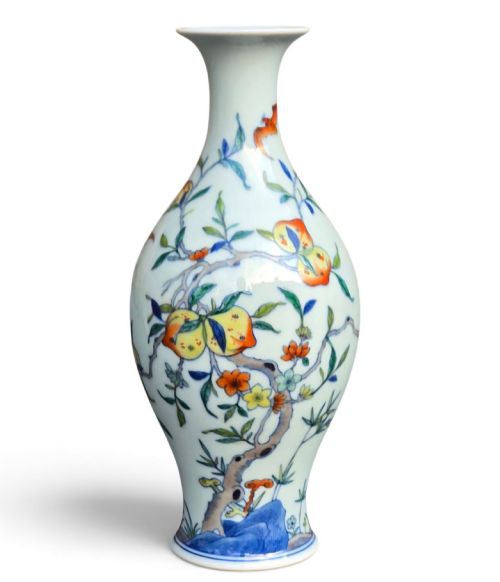
- A technique involving underglaze blue outlines filled in with contrasting overglaze enamels on the surface. The method requires multiple firings in the kiln.
- Ovid
- An egg-shaped vessel profile characterised by a broad middle tapering towards the base and neck. This balanced silhouette frequently appears in ginger jars and baluster vases.
Painted Chinese Porcelain Urn: Frequently Asked Questions
What distinguishes famille rose from famille verte?
Famille rose relies primarily on a opaque pink enamel derived from colloidal gold, introduced in the eighteenth century. This allowed artists to paint softer pastel shades.
Famille verte uses a palette dominated by transparent greens along with iron red, yellow, and blue. This earlier style creates a more vibrant, jewel-toned visual effect on the porcelain surface.
How can I tell a nineteenth-century piece from an eighteenth-century model?
Nineteenth-century vessels often display heavier porcelain bodies and brighter, more densely packed enamel work. Canton and rose medallion styles became particularly prolific during this era.
Earlier eighteenth-century examples tend to exhibit finer, lighter potting with more controlled negative space in the painted designs. Glazes on older pieces also show subtle differences in texture and surface sheen.
Were these jars originally made with lids?
Many ginger jars and baluster vessels were produced with matching porcelain covers designed to seal contents securely. Over the centuries, these lids were frequently separated from the main body.
Finding a piece retaining its original cover significantly alters the completeness of the object. Several examples listed here preserve their matched lids intact.
How should I care for antique porcelain lamps?
Maintenance requires gentle dusting with a soft, dry cloth to protect the painted enamel and gold leaf details. Avoid liquid cleaners that might seep into unglazed ceramic areas or wiring components.
For electrified pieces, ensure the wiring is periodically inspected by a qualified professional. Keep the porcelain out of direct, prolonged sunlight to prevent enamel fading.