


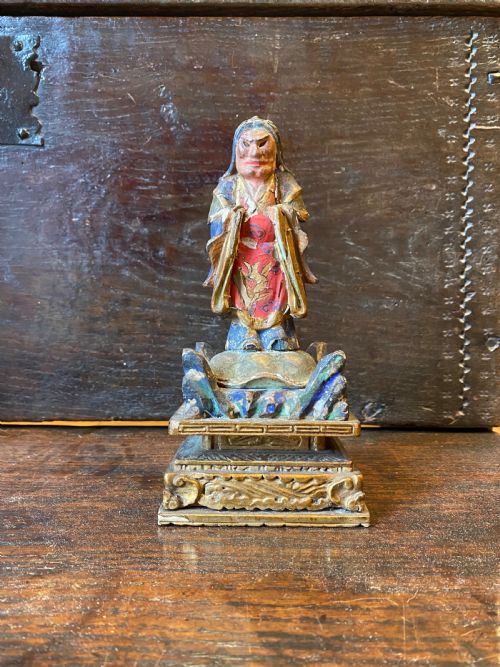

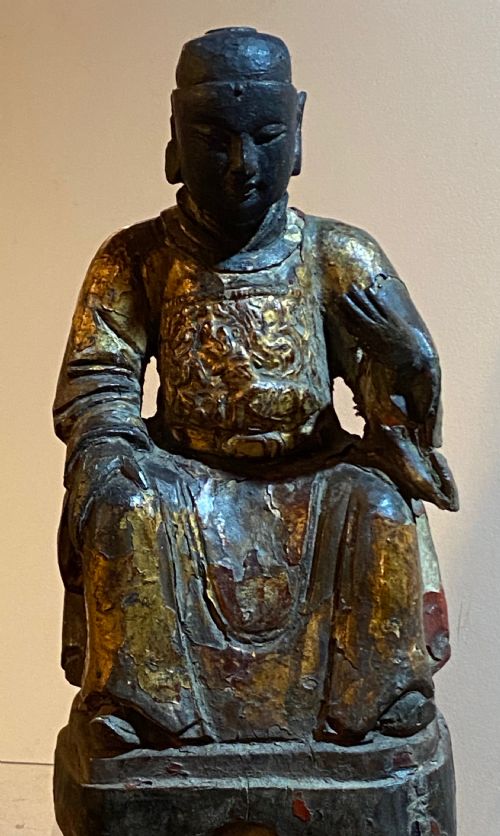

Qing Dynasty Wooden Buddha
A qing dynasty wooden buddha brings tangible history into a room, carved by hands that understood devotion and form.
Qing Dynasty Wooden Buddha
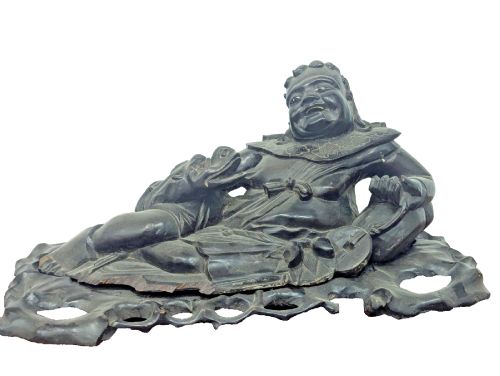
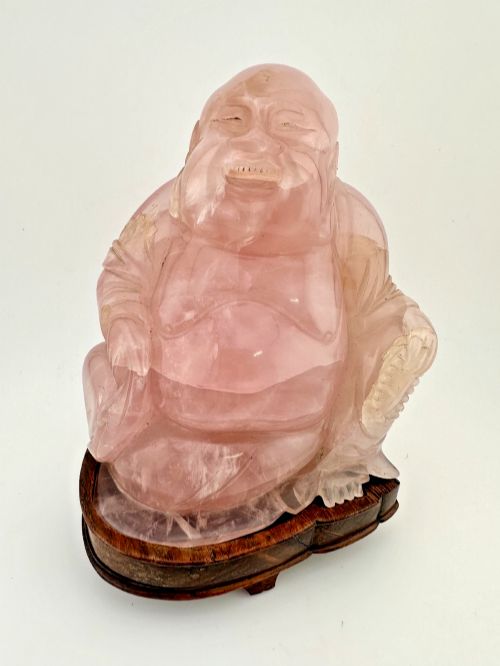
When searching for a qing dynasty wooden buddha, buyers find carved wooden figures spanning the eighteenth and nineteenth centuries, including deities, temple guardians, and laughing Buddhas. These sculptures reflect the rich religious art traditions of China, produced in various sizes from modest statues to monumental temple pieces.
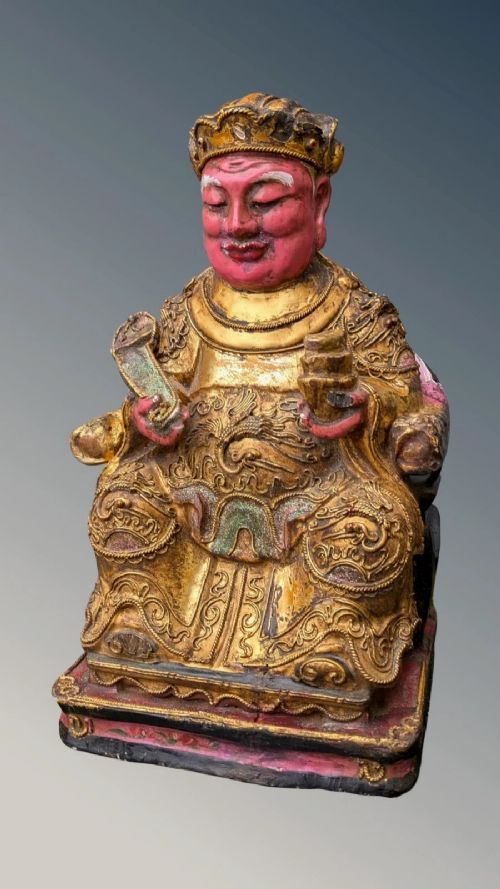
The most common examples on this page are nineteenth-century carved wood figures finished with polychrome pigment or gilt. Many retain traces of their original surface decoration, showing how these ritual objects were once displayed in sacred spaces.
How they were made
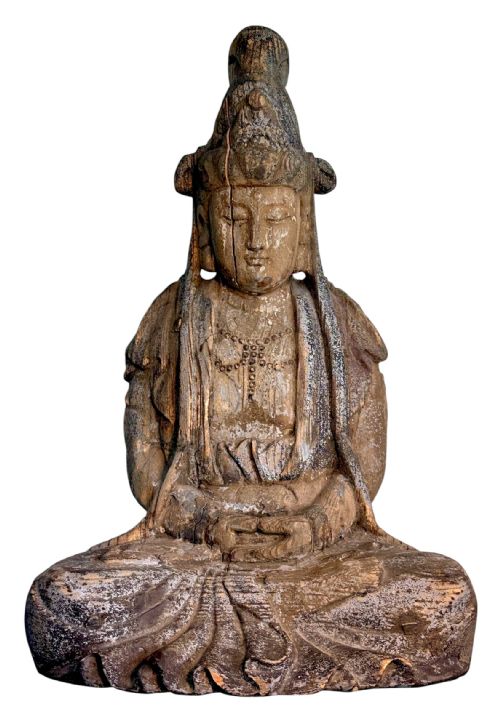
Carvers shaped these sculptures from hardwood and other timbers using high relief carving techniques to create depth and movement in drapery and facial expressions. The underlying wood provided a stable base for detailed sculptural work.
Artisans applied gesso and gold leaf or polychrome pigment directly to the carved wood surface. This layered approach gave the ritual figures their distinctive colourful and gilded finishes.
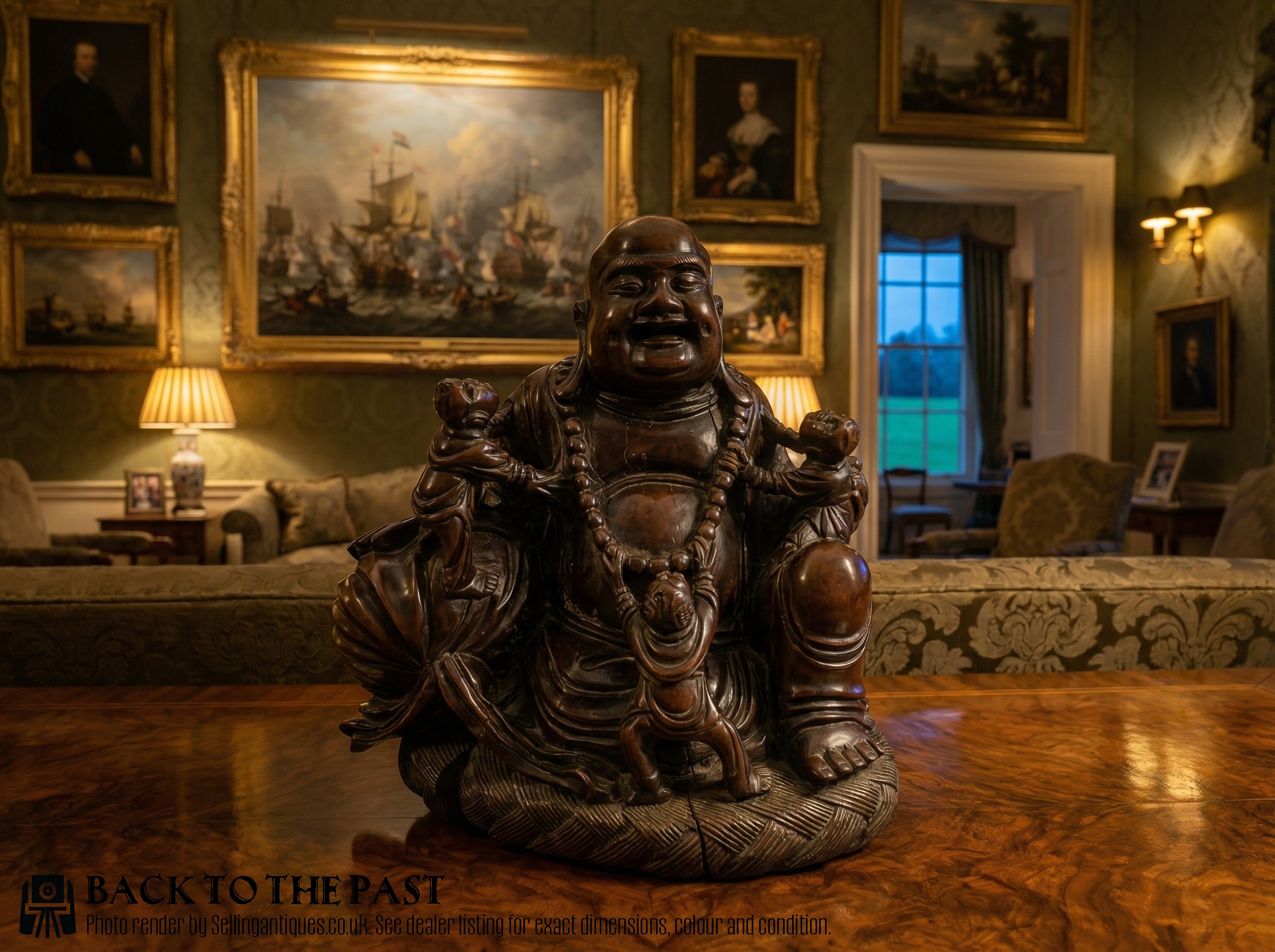
An amusing reclining figure of a corpulent Buddha proves that Qing carvers also appreciated a bit of relaxed humour in stone and wood.
What varies in quality
The sophistication of the carving dictates the distinction between ordinary pieces and superior examples. Master carvers achieved expressive faces and fluid drapery that command attention across a room.
The preservation of original surface treatments also separates pieces. Statues that retain intact layers of gold leaf or polychrome pigment hold greater visual impact than those with stripped or heavily restored surfaces.
The Qing Dynasty Wooden Buddha Glossary
- Gesso
- A plaster mix applied as a preparation for painting or gilding. It provides a smooth base for gold leaf on wooden figures.
- Gilt
- Covered thinly with gold leaf or gold paint. This technique highlights the sacred status of the deity represented.
- Hardwood
- Dense timber from broad-leaved trees. It offers durability and allows for intricate, long-lasting relief carving.
- Budai
- A representation of a stout, laughing monk associated with contentment and good fortune. These sculptures often depict him in a relaxed reclining or seated posture.
Qing Dynasty Wooden Buddha: Frequently Asked Questions
Where were these figures displayed?
Many of these sculptures originated as ritual figures or temple guardians housed in sacred spaces across China. They commanded central positions where worshippers offered devotion.
Over time, many transitioned into domestic settings as collectors appreciated their artistic and historical significance.
How do I care for wooden polychrome figures?
Keep these sculptures away from direct sunlight and sudden humidity changes to protect the delicate wood and pigment layers. Stable room conditions prevent the gesso and paint from flaking.
Dust them gently with a soft, dry brush without using liquid cleaners or polishes.
What subjects besides Buddha appear here?
The selection includes various religious figures, including Guanyin, temple guardians, medicine figures, and laughing Buddhas known as Budai. Each form served a distinct ritual or protective purpose in traditional settings.
These diverse subjects demonstrate the broad range of religious sculpture produced during the Qing period.