





Chinese Wooden Deity Statue
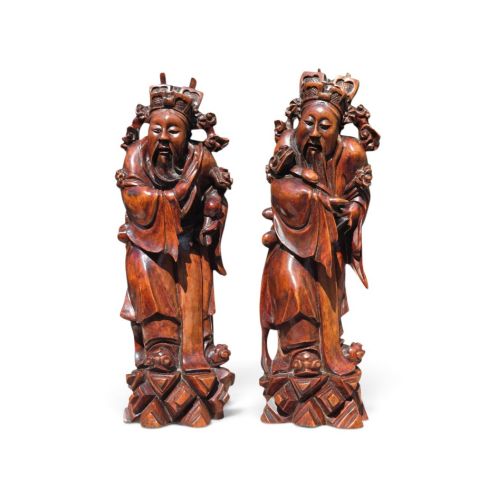
These Chinese wooden deity statue pieces are carved figures ranging from Daoist immortals and temple guardians to scholars and Buddhas.
Chinese Wooden Deity Statue
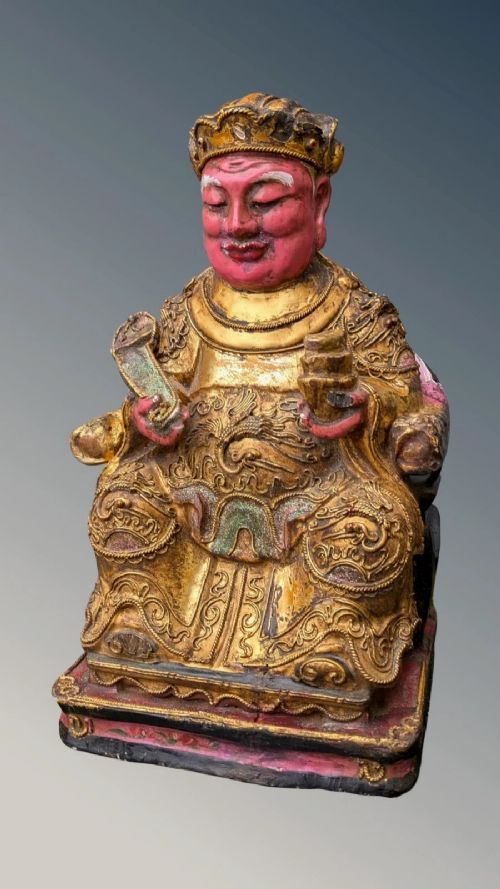
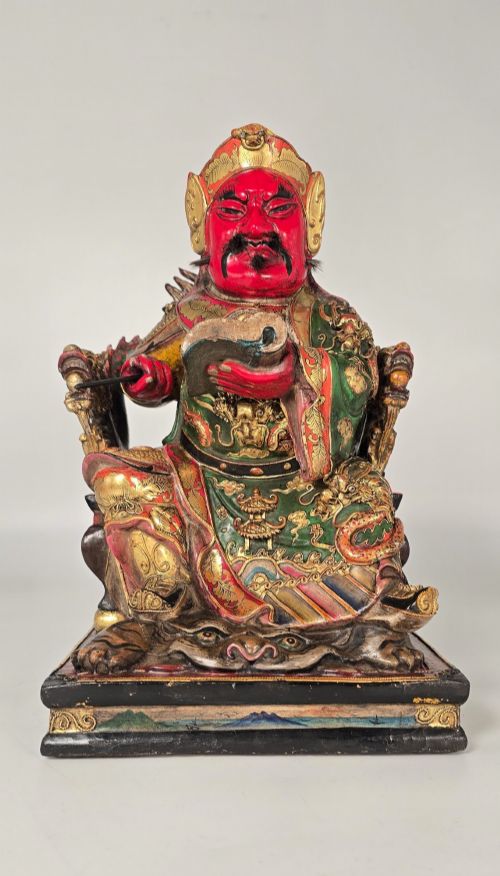
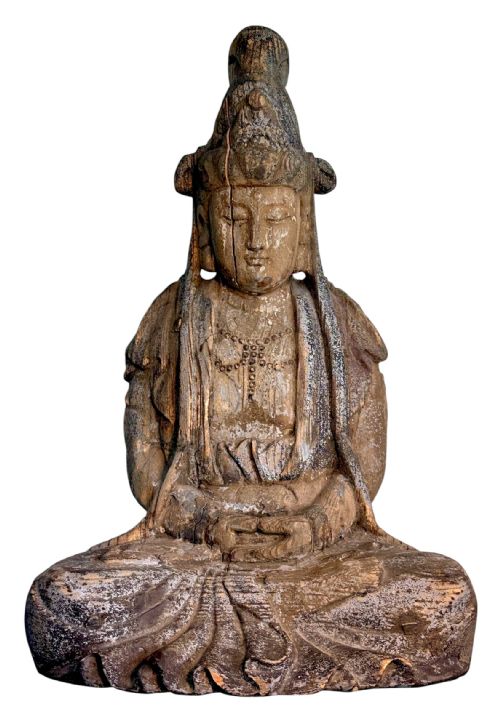
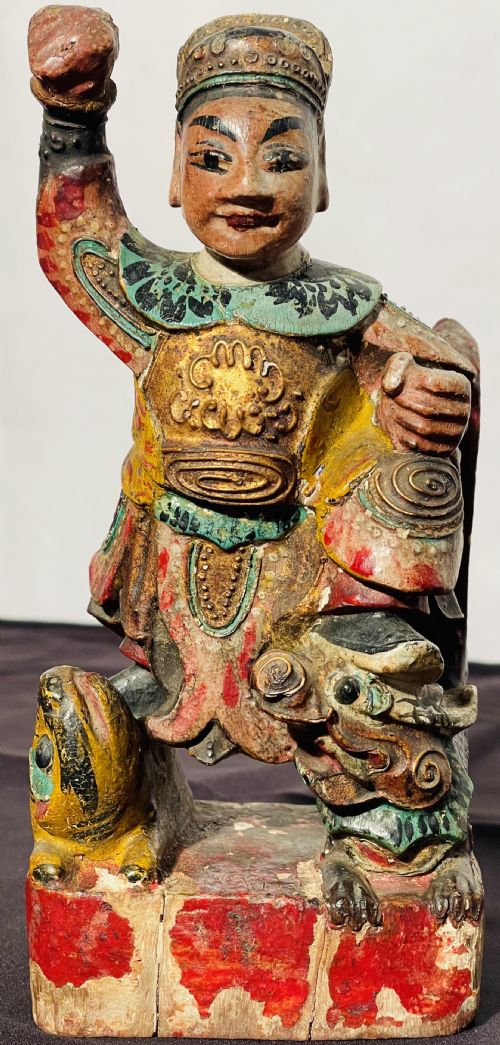
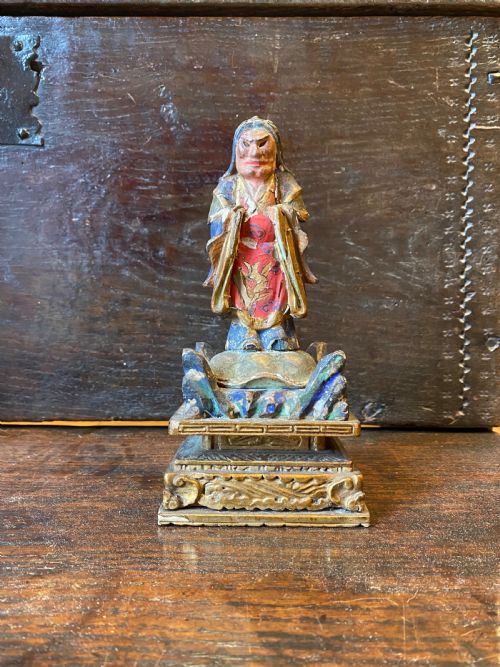
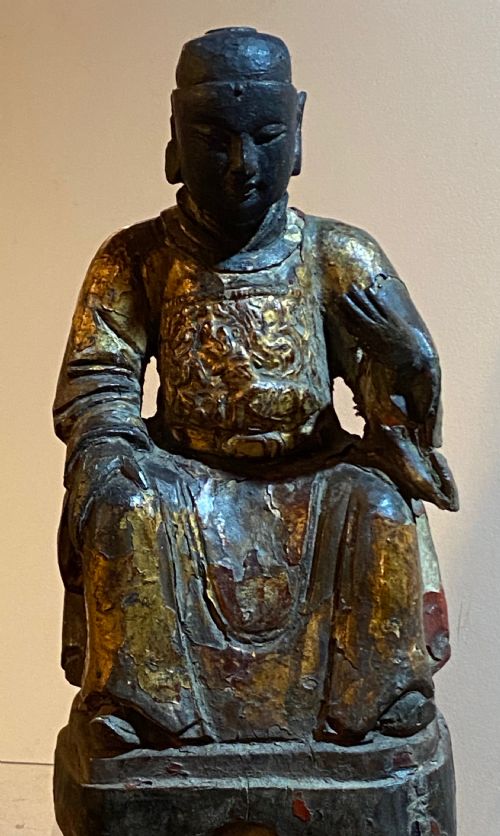
When you search for a Chinese wooden deity statue, you encounter hand-carved representations of religious and cultural figures spanning the eighteenth and nineteenth centuries. The selection includes Daoist immortals, temple guardians, scholars, Buddhas, and figures like Quan Yin or Zhenwu.
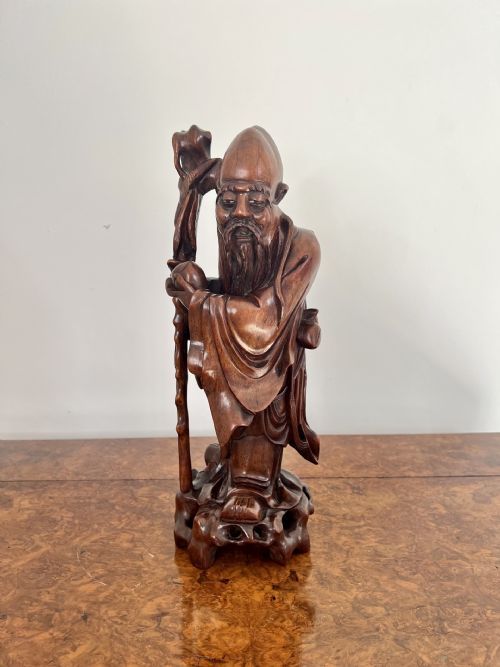
You meet various forms across this range, from root carvings and medicine figure statues to monumental temple guardians. The majority originate from the Qing period, particularly the nineteenth century, reflecting traditional Chinese art and antiquities.
These sculptures and figures serve as both devotional objects and works of traditional Chinese art. The pieces embody historical craftsmanship through distinct forms such as seated deities, standing scholars, and paired immortals.
Materials and construction
Carvers shaped these figures primarily from hardwood and general timber, occasionally utilising root wood for organic forms. Artisans then applied layers of gesso to prepare surfaces for subsequent decoration.
Many surfaces feature applications of gold leaf to highlight sacred attributes and status. Polychrome pigment and lacquer finishes complete the decoration, providing colour and a protective coating over the carved wood.
Object types include religious statues, root carvings, medicine figures, temple guardians, and depictions of Daoist immortals.
Judging the work
The sophistication of the carving separates finer sculptures from simpler items, particularly in the rendering of facial expressions and drapery folds. Hardwood figures often display sharper detail and greater structural integrity than softer woods.
The preservation of original surface treatments marks another distinction. Pieces retaining coherent layers of gold leaf, polychrome pigment, and lacquer hold stronger visual presence than those with extensive surface loss.
The Chinese Wooden Deity Statue Glossary
- Qing Dynasty
- The final imperial dynasty of China, spanning from sixteen forty-four to nineteen twelve. Many carved figures date from the later years of this period.
- Daoist Immortal
- A revered figure in Daoism associated with longevity and spiritual attainment. These beings appear frequently in carved hardwood pairs.
- Gesso
- A plaster mixture applied to wood surfaces as a base for painting and gilding. This preparation creates a smooth ground for lacquer and gold leaf.
- Quan Yin
- A revered bodhisattva of compassion in East Asian traditions. Sculptures depict this deity in various seated or standing poses.
Chinese Wooden Deity Statue: Frequently Asked Questions
What do these wooden deity statues represent?
These figures represent Daoist immortals, Buddhas, temple guardians, and scholars from Chinese tradition.
They served religious, protective, and cultural functions within temples and domestic spaces.
How old are most of these carved figures?
The majority of the available pieces date from the nineteenth century during the Qing Dynasty.
Some examples extend back to the mid-eighteenth century, while others date into the early twentieth century.
What materials were used to make them?
Carvers utilised various woods, including dense hardwoods and natural root timber.
Surfaces were frequently finished with gesso, gold leaf, lacquer, and polychrome pigments.
How do I care for an antique wooden statue?
Keep the sculpture away from direct sunlight and fluctuating humidity to protect the wood and surface decoration.
Dust gently with a dry, soft cloth without applying cleaning products or oils to the polychrome or gilt layers.