


Oriental Wooden Statues
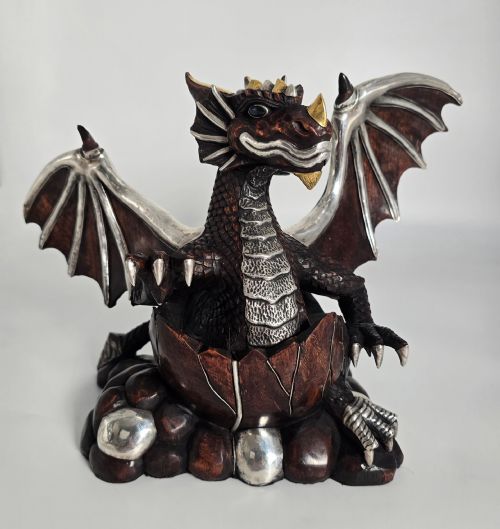
These oriental wooden statues bring centuries of intricate craftsmanship into a room, offering carved figures of deities, animals, and scholars from Asian and Indian traditions.
Oriental Wooden Statues
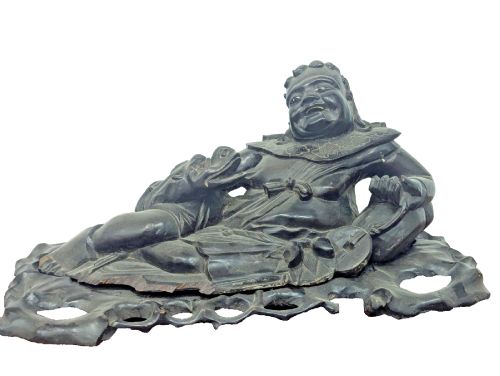
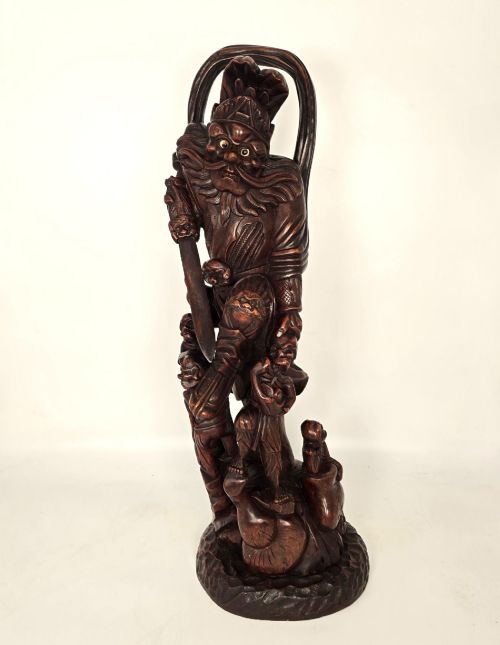
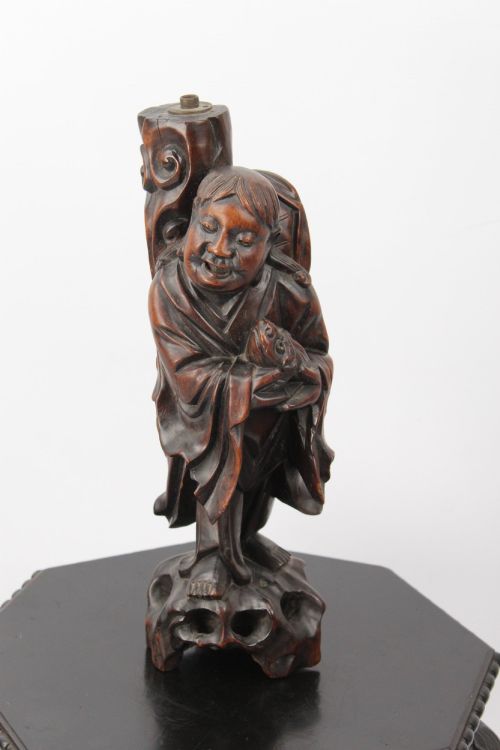
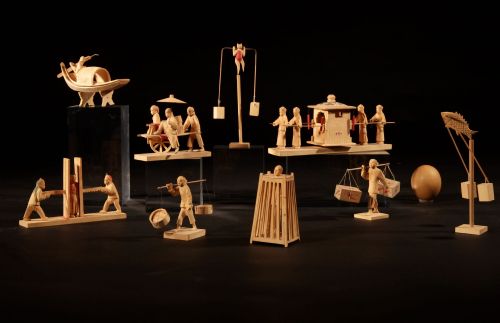
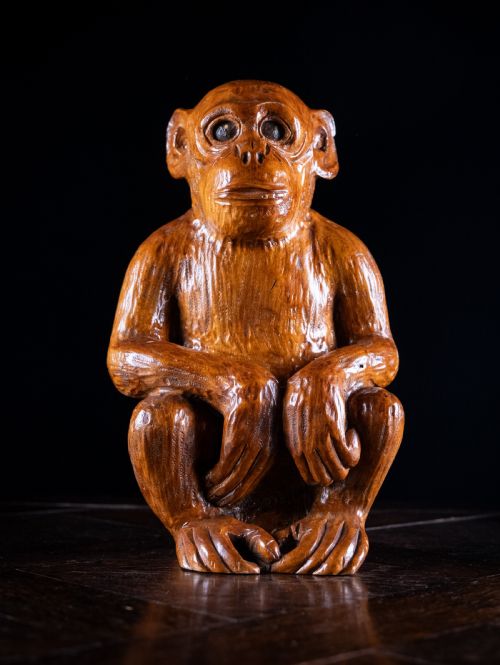
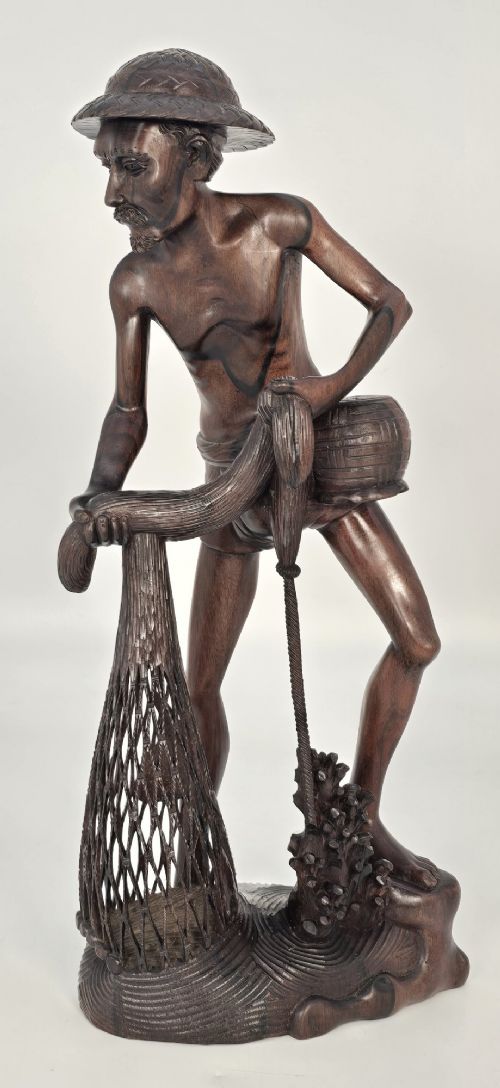
When buyers search for oriental wooden statues, they encounter a diverse selection of figural carvings originating predominantly from Chinese, Japanese, and Indian workshops. The offerings span several centuries, with pieces emerging from the 17th century through to the early 20th century, encompassing the Qing Dynasty, Meiji period, and the Raj era. Formats range from monumental temple guardians and Buddhist figures to domestic depictions of fishermen, scholars, and animals.
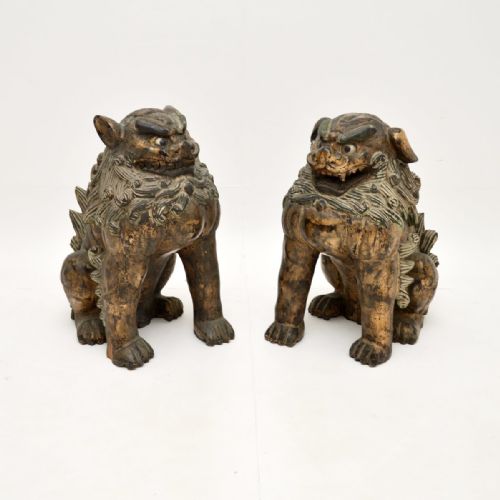
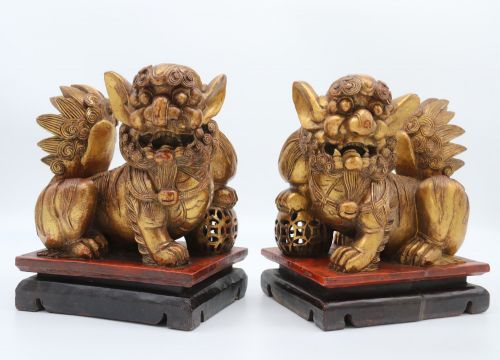
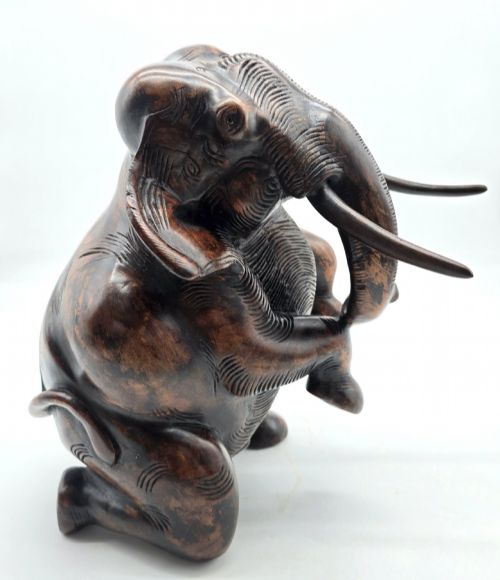
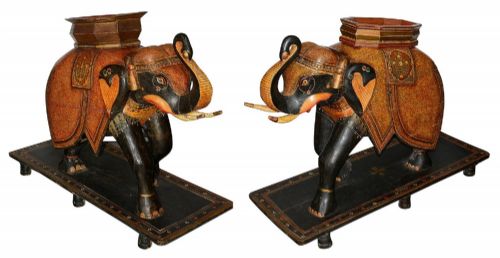
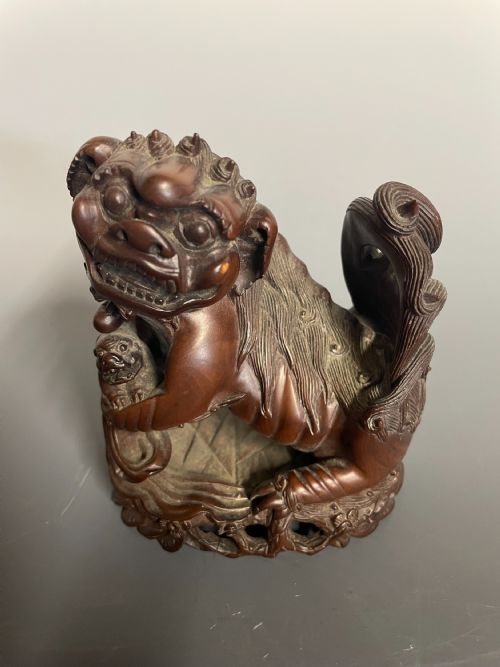
The objects on this page present various traditional forms, including pairs of Foo dogs, water buffaloes, elephants, and deities such as Guanyin and Buddha. Collectors find both religious ritual figures and secular folk art subjects like daily life scenes and geishas. These sculptures utilise specific regional woods and decorative treatments to reflect their cultural origins.
Materials and Construction Methods
Makers utilised dense natural mediums, predominantly hardwood, boxwood, and root wood, which allowed for deep undercutting and minute detail in the carving process. Craftsmen shaped these materials using traditional hand-carving techniques, resulting in high relief and intricate textures across figures and animals.
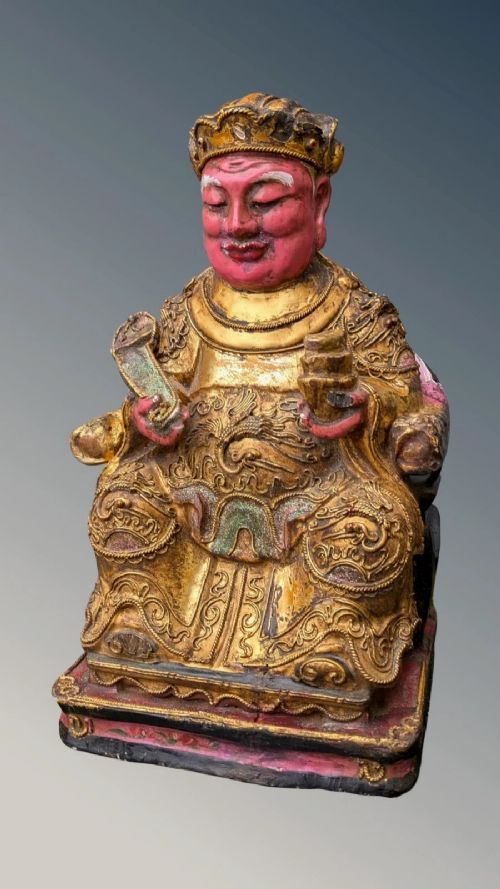
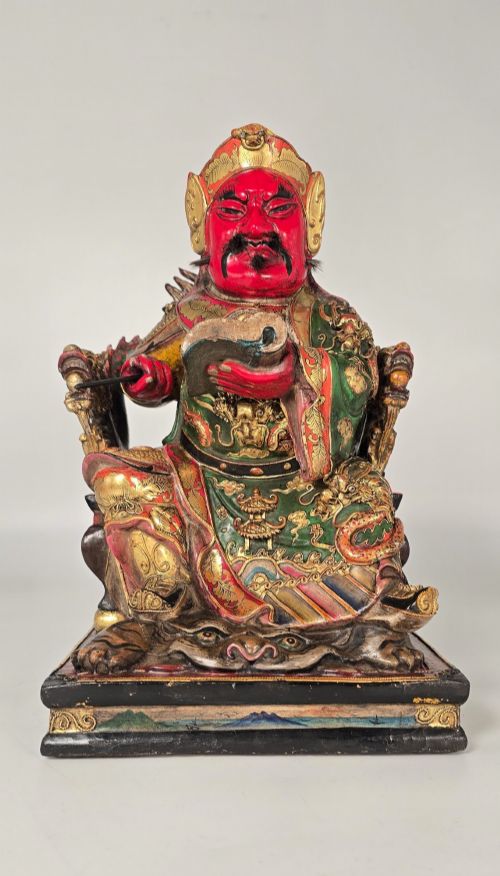
Many surfaces received additional decoration through the application of lacquer, gold leaf, gilt, and polychrome paint. Some works incorporated mixed metal mounts to accent the carved wooden structure, combining painting and gilding directly onto the wood base.
Regional representation includes Chinese Qing Dynasty pieces, Japanese Meiji period works, and Raj period Indian carvings.
Assessing Quality in Carved Figures
Quality rests upon the depth and precision of the carving, distinguishing fluid, anatomically observant work from rigid, formulaic execution. Superior pieces demonstrate confident handling of facial expressions, drapery folds, and naturalistic textures in materials like root wood or hardwood.
The preservation of original surface treatments, such as polychrome paint, lacquer, and gilt, significantly influences the integrity of a piece. Finer examples retain their original applied finishes without heavy later restoration obscuring the hand-carved grain underneath.
The Oriental Wooden Statues Glossary
- Okimono
- A Japanese ornamental carving intended for display, commonly produced during the Meiji period. These smaller standalone sculptures often depict figures, animals, or daily scenes.
- Foo Dog
- A traditional guardian lion sculpture originating from Chinese art. These mythical beasts are frequently carved in pairs to protect doorways or temple entrances.
- Polychrome
- Decoration utilising multiple colours painted onto the surface of wood or other materials. This technique brings depth and realism to figures of deities and historical personages.
- Root Wood
- Timber formed from the root mass of a tree, selected by carvers for its gnarled, organic shapes. Craftsmen incorporate these natural contours directly into the subject of the sculpture.
- Gilt
- A thin layer of gold applied to the surface of the wood carving. This finish highlights ritual figures and temple guardians.
Oriental Wooden Statues: Frequently Asked Questions
What subjects do these wooden statues typically depict?
The listings feature a broad array of subjects including Buddhist and Daoist deities, temple guardians, animals like elephants and tigers, and figures representing daily life.
Religious figures such as Guanyin, Buddha, and immortals appear alongside secular depictions of scholars, fishermen, and dancers from Chinese, Japanese, and Indian traditions.
How can I identify the period of a wooden carving?
Dating relies on stylistic markers associated with specific eras, such as the Meiji period in Japan or the Qing Dynasty in China. Tool marks, wood patina, and the application of period finishes like lacquer or polychrome paint also aid identification.
Examining the wear patterns and structural construction helps place the piece within the 18th, 19th, or early 20th century.
Where were these statues originally placed in a home or temple?
Many larger sculptures, such as temple guardians and civic officials, stood in sacred buildings or ancestral halls to offer protection. Smaller figures and okimono functioned as interior decorative art for domestic spaces.
Pairs of animals like Foo dogs or elephants traditionally guarded entryways or sat upon dedicated stands within a room.
How should I care for antique wooden sculptures?
Preserving these pieces requires maintaining a stable environment away from direct sunlight and sudden humidity shifts to prevent the wood from splitting. Dusting gently with a dry, soft cloth protects delicate polychrome, lacquer, and gilt surfaces.
Applying harsh cleaning agents or liquid polishes should be avoided, as these treatments can damage historic finishes.