
Antique Chinese Carved Figures
When you handle antique chinese carved figures, you touch centuries of devotional and scholar artistry carved into hardwood, stone, and lacquer.
Antique Chinese Carved Figures
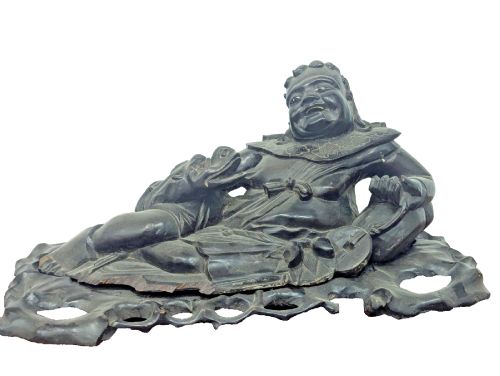
Antique chinese carved figures encompass sculptures, statues, and decorative carvings depicting deities, immortals, scholars, and animals. You encounter Daoist immortals, Buddhas, and secular figures originating primarily from the Qing dynasty through the early twentieth century.
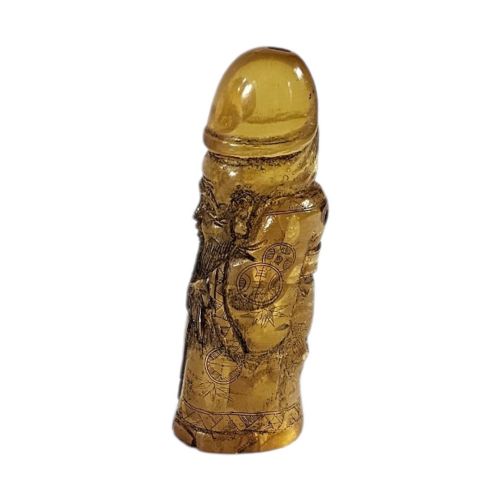
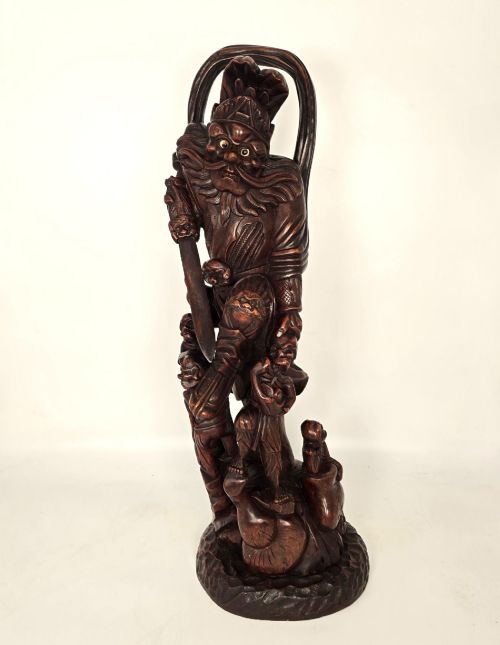
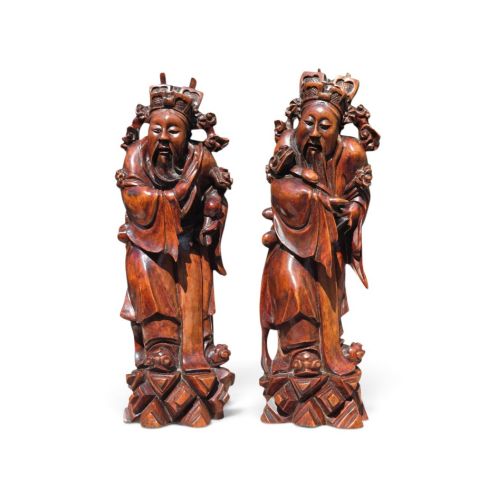
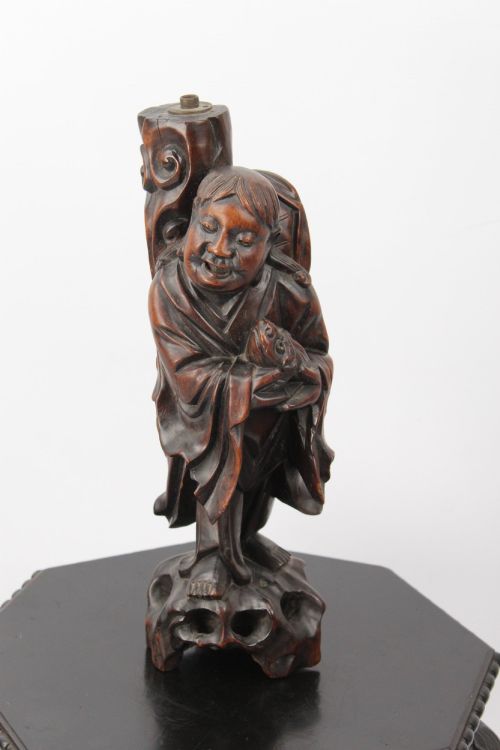
The objects range from miniature amber pendants and root wood scholars to monumental temple guardians and matched pairs of hardwood figures. Many pieces incorporate specialised forms such as scholar's desk carvings and table lamps.
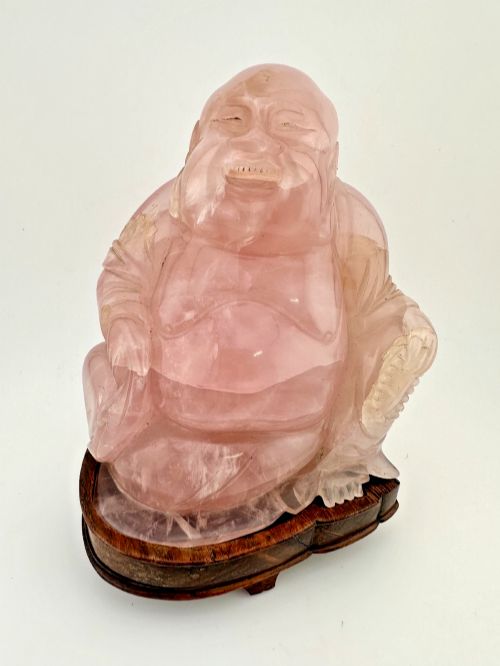
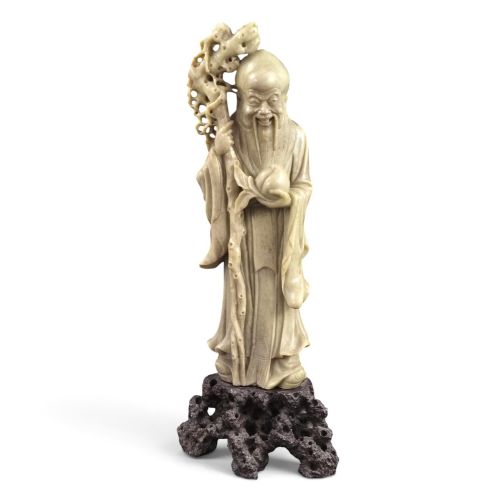
The subjects draw directly from traditional mythology and daily life, showing figures like Shoulao, Budai, and Daoist immortals. These works reflect the spiritual and philosophical traditions that shaped historical Chinese craftsmanship.
Materials and construction
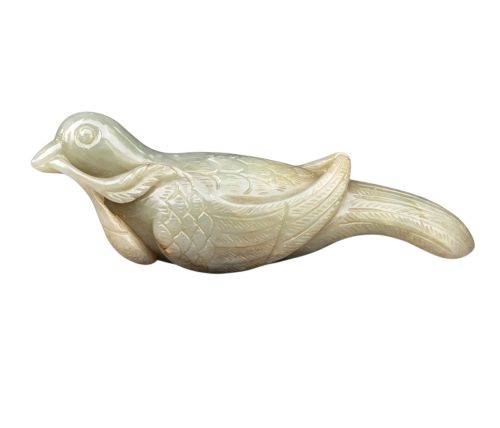
Carvers utilised dense timbers including boxwood, sandalwood, root wood, and general hardwood, frequently pairing them with custom wooden stands. Artisans also worked in stone and mineral mediums such as soapstone, jade, rose quartz, serpentine, and marble.
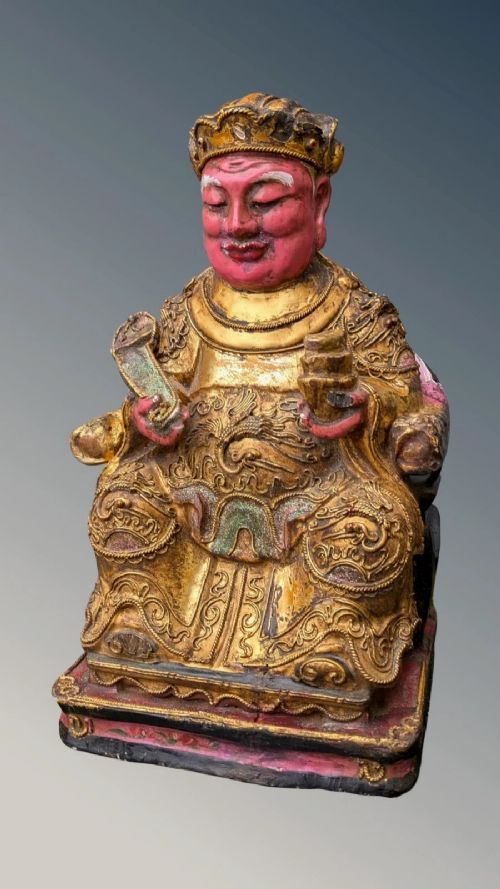
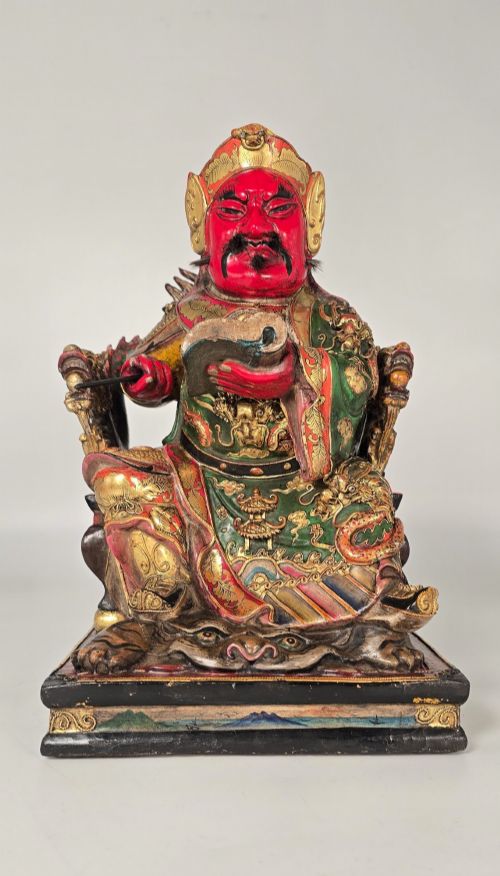
Surface treatments involved hand painting, polychrome pigments, gold leaf, and layers of lacquer applied to carved wooden cores. These decorative techniques highlighted the intricate folds of robes and the facial expressions of deities.
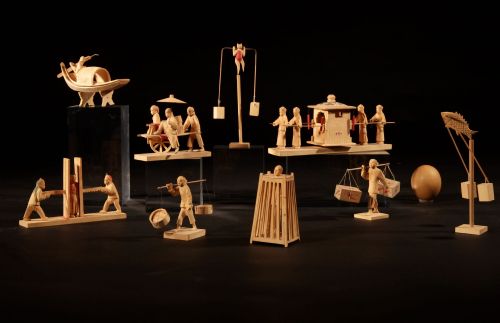
Sculptors mastered high relief and detailed piercing to transform stubborn materials like bamboo, coral, and amber into complex figural groups. The interaction between natural grain patterns in wood or stone and the hand of the carver defined each finished piece.
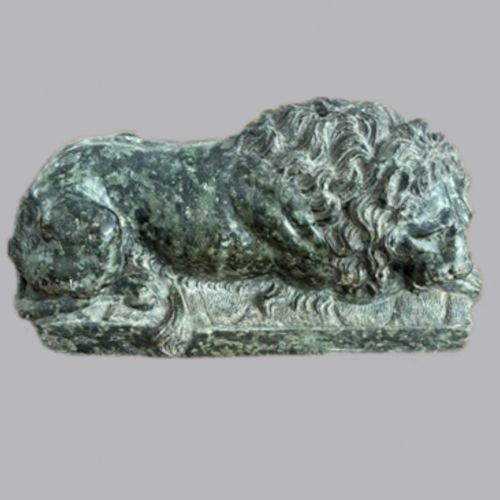
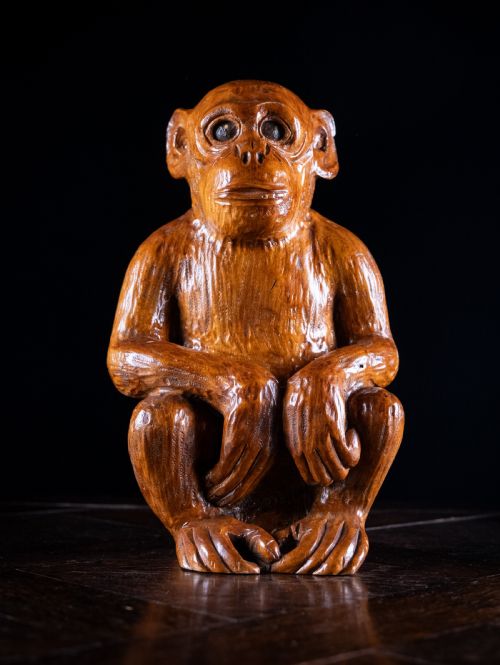
Among the deities and guardians rest recumbent marble lions and mischievous monkeys caught mid-carve.
Assessing craftsmanship
Quality rests upon the depth of the carving and the precision with which anatomical details and drapery are rendered. Master carvers extracted dynamic movement and personality from the medium, whereas lesser examples remain stiff and formulaic.
The choice of raw material dictates the upper tier of the range, with flawless jade, precious coral, and finely grained boxwood commanding greater attention. Natural inclusions and the preservation of original polychrome surfaces or gilding further distinguish superior items.
The Antique Chinese Carved Figures Glossary
- Shoulao
- The Daoist god of longevity, commonly depicted with a high forehead and a staff. This figure appears frequently in soapstone and wood carvings.
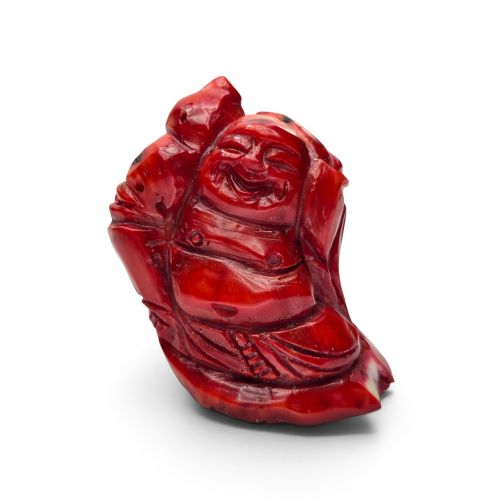
- Budai
- A stout, laughing monk associated with contentment and abundance, often identified as the Laughing Buddha. You find him sculpted in stone, wood, and precious minerals.
- Foo Dog
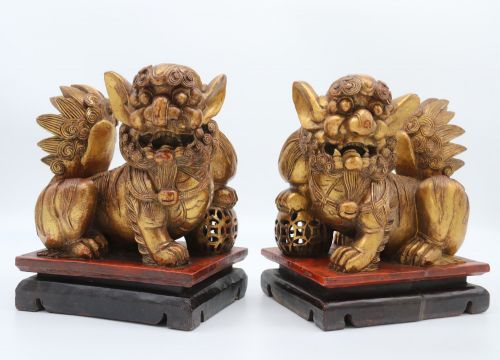
- A traditional guardian lion depicted with a playful or protective stance. These creatures are frequently carved in pairs from hardwood, stone, or gilt wood.
- Polychrome
- Painted in several colours, typically applied over a gesso or wood base. This technique brought vitality to temple figures and deities.
- Root wood
- A material formed from the gnarled underground growth of trees, shaped by carvers into scholars, animals, and naturalistic furniture supports.
Antique Chinese Carved Figures: Frequently Asked Questions
What materials were used?
Carvers utilised organic and mineral substances depending on the intended function and status of the object. Hardwoods, root wood, and boxwood predominate, alongside stones like soapstone, jadeite, serpentine, and marble.
Precious mediums such as amber, coral, and lacquer also appear, frequently enhanced with gold leaf and polychrome pigments.
How do I date them?
Dating relies on stylistic markers from the Qing dynasty and the Republic period, combined with an assessment of tool marks and wear. Eighteenth-century and early nineteenth-century pieces often display deeper, more restrained carving and richer patination.
Later works from the late nineteenth and early twentieth centuries show shifts in subject matter and surface finishing, reflecting changing domestic and export markets.
Who are the figures depicted?
The subjects are drawn from Buddhism, Daoism, and Chinese folklore. Common representations include Daoist immortals, Buddhist deities like Guanyin and Buddha, and civil officials or scholars.
Secular figures such as fishermen and merchants also appear, alongside symbolic animals like water buffaloes, lions, and monkeys.
Were these items religious?
Many figures served devotional or ritual purposes in temples and domestic shrines, functioning as objects of veneration. Monumental temple guardians and polychrome wood Buddhas belonged to sacred architectural settings.
Other carvings were created for scholar's desks and domestic display, serving as symbols of longevity, wisdom, and scholarly pursuits rather than objects of worship.