



Antique Wooden Elephant Figures
These antique wooden elephant figures range from practical bookends to imposing sculptural studies carved across the Victorian era and the early twentieth century.
Antique Wooden Elephant Figures
When you search for antique wooden elephant figures, you encounter a distinct gathering of sculptural works and functional pieces created across the nineteenth and early twentieth centuries. The selection spans distinct geographic traditions, taking in Anglo-Indian and colonial Raj carvings alongside Chinese hardwood pieces and English interpretations.
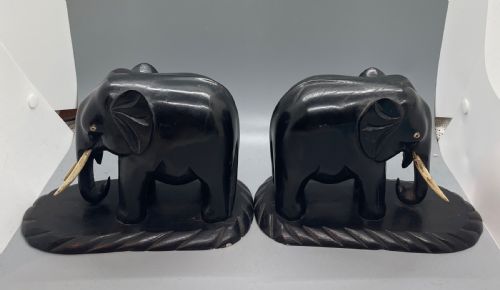
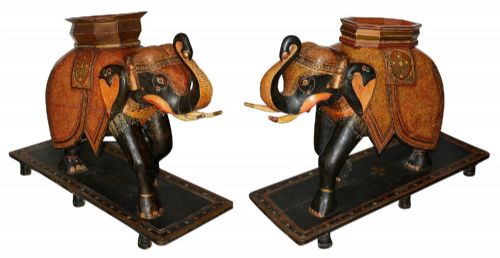
You are most likely to meet pairs of bookends designed for libraries or studies, alongside larger freestanding sculptures and ceremonial figures. The forms range from compact seated studies to substantial carved figures adorned with lacquer or pigment.
The origins reflect global exchange, linking nineteenth-century workshops in India and China with European domestic interiors. These pieces capture both naturalistic observation and ceremonial pageantry through varied sculptural approaches.
How they were made
Makers utilised dense timbers including ebony, teak, coromandel and other regional hardwoods capable of holding intricate detail. These materials provided the heavy, durable foundation necessary for both large sculptural figures and weighted bookends.
Antique Wooden Elephant Figures Retail Price Guide 2026
Typical asking prices for wooden elephant figures among the pieces listed under this phrase on Sellingantiques today, from the lower quarter to the upper quarter. They describe what is for sale here now, not the wider market.
Several elephants arrive equipped with tiny wooden keepers who clearly have their hands full managing such heavy timber.
What varies in quality
The distinction between ordinary and superior pieces rests upon the anatomical precision of the carving and the depth of relief work. Finer examples display meticulous attention to musculature, posture and decorative trappings rather than generic or rushed execution.
Material selection also defines the upper tier of the range, where dense, unblemished ebony or highly figured hardwoods are utilised. The presence of original surface treatments, such as intact lacquer or pigment, further separates exceptional survivals from standard production.
The Antique Wooden Elephant Figures Glossary
- Anglo-Indian
- A style describing decorative items made in India during the British colonial period, often combining local craftsmanship with European tastes.
- Raj period
- The era of British rule in the Indian subcontinent, spanning from eighteen fifty-eight to nineteen forty-seven, associated with specific colonial export carvings.
- Hardwood
- Timber derived from broad-leaved trees, prized in these sculptures for its density, dark colour and ability to take fine carved detail.
- Gesso
- A plaster-like mixture applied to wood surfaces as a base for painting or gilding, found on selected decorative figures.
- Coromandel
- A heavy, highly-figured tropical hardwood related to ebony, utilised in nineteenth-century decorative objects and bookends.
Antique Wooden Elephant Figures: Frequently Asked Questions
What periods do these figures come from?
The listings span the Victorian era, the nineteenth century, and the early twentieth century up to the nineteen thirties. Pieces frequently date from eighteen eighty through to the art deco period.
Most items originate from distinct colonial and oriental workshops operating during these decades, reflecting the trade and aesthetic exchanges of the time.
How were these wooden figures used originally?
Many examples served as practical desktop accessories, functioning as bookends or book rests within Victorian home libraries and studies. Other larger pieces functioned purely as decorative sculptures or ceremonial displays.
Their dual nature as both utility items and ornamental art reflects the tastes of nineteenth-century collectors and interior decorators.
What woods are commonly found in these carvings?
Carvers utilised dense regional timbers such as ebony, teak and coromandel to achieve durability and fine detail. These dark, heavy woods formed the primary medium for both Indian and Chinese workshops.
Additional materials like gesso, lacquer and pigment were sometimes applied to enrich the surface appearance of the carved forms.
How do I distinguish regional styles among them?
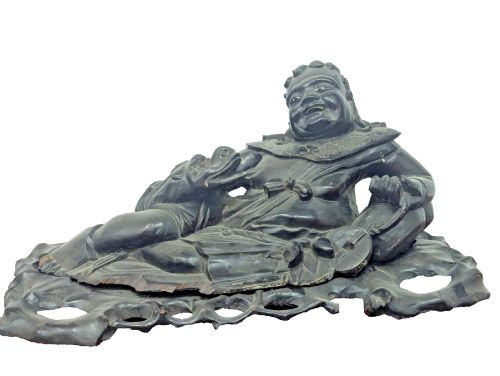
Indian and Anglo-Indian pieces often depict ceremonial or performing elephants complete with traditional trappings, associated with the Raj period. Chinese pieces from the same era employ distinct hardwood carving traditions, sometimes pairing the animals with figures like Budai.
Examining the treatment of the wood surface and the stylistic conventions of the carving helps identify the likely origin.