






Qing Dynasty Wooden Sculptures
Qing dynasty wooden sculptures bring traditional Chinese figures into your rooms through intricate hand carving in hardwood, boxwood, root wood, and gilt lacquer.
Qing Dynasty Wooden Sculptures
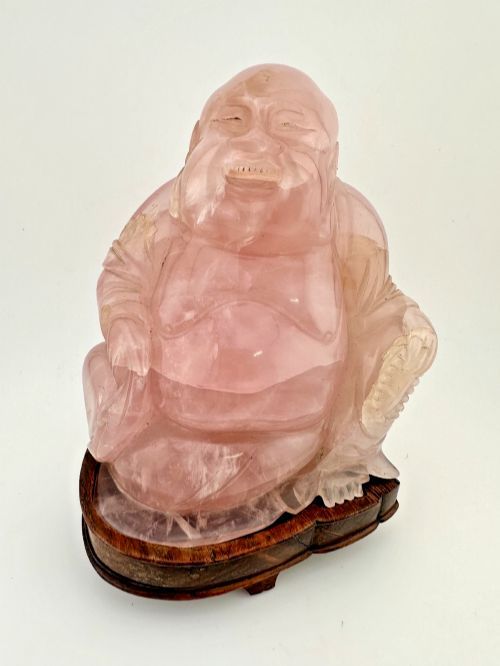
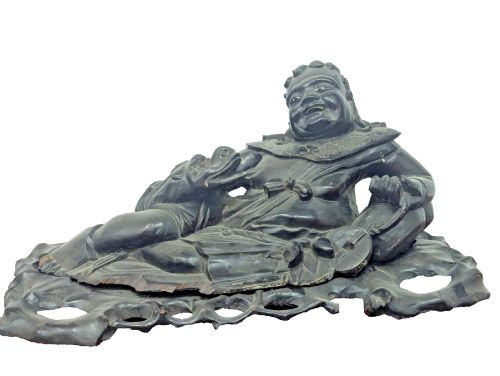
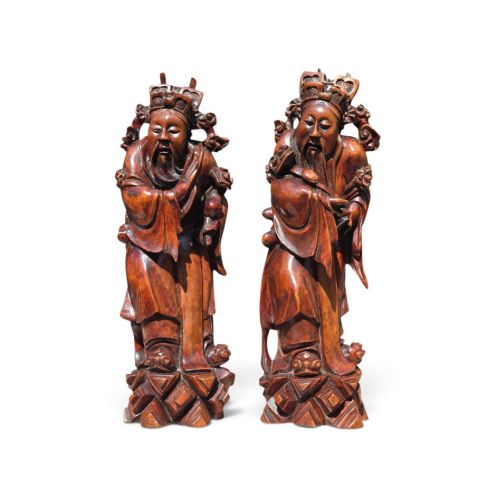
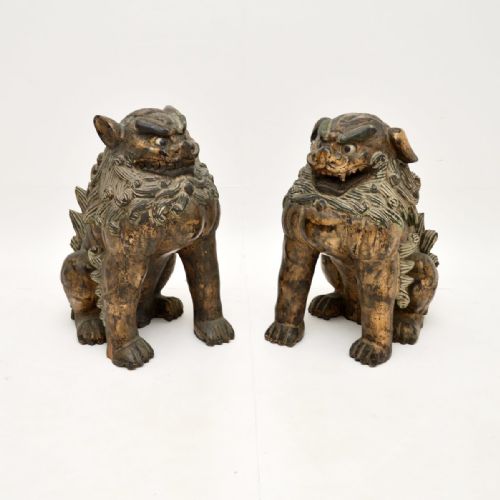
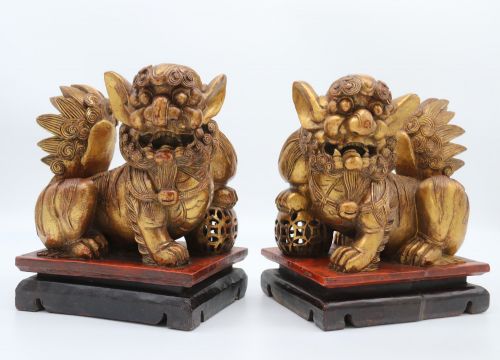
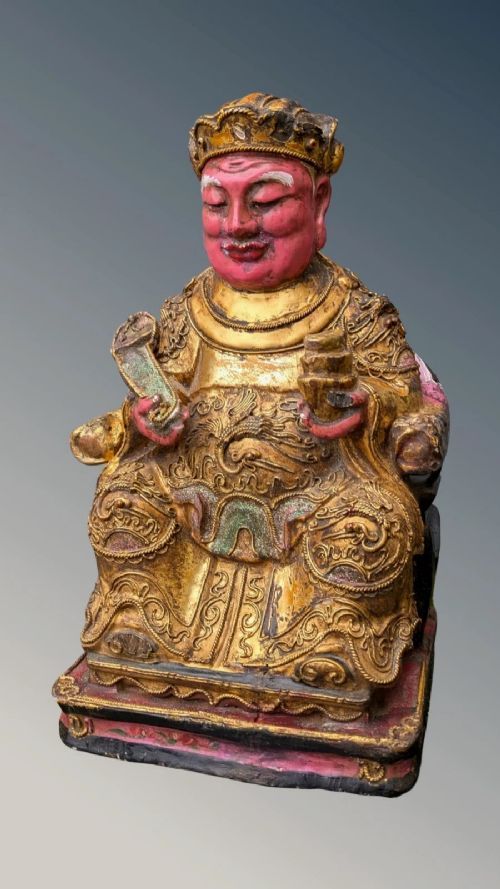
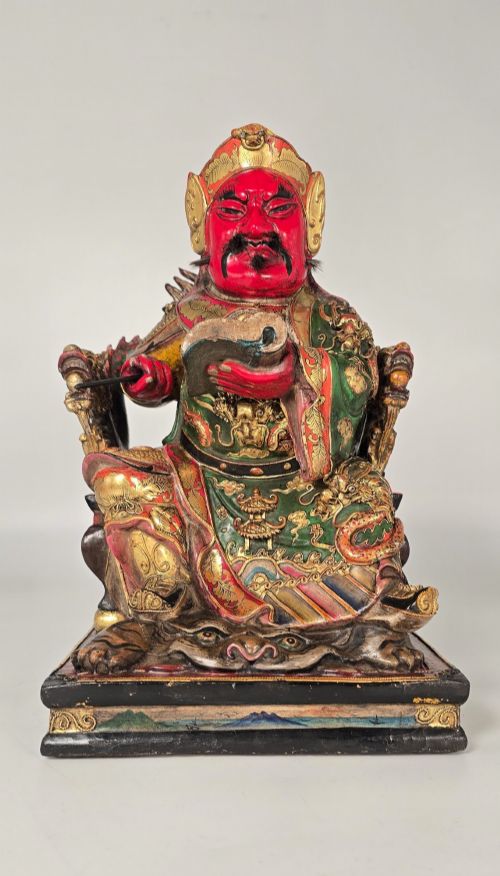
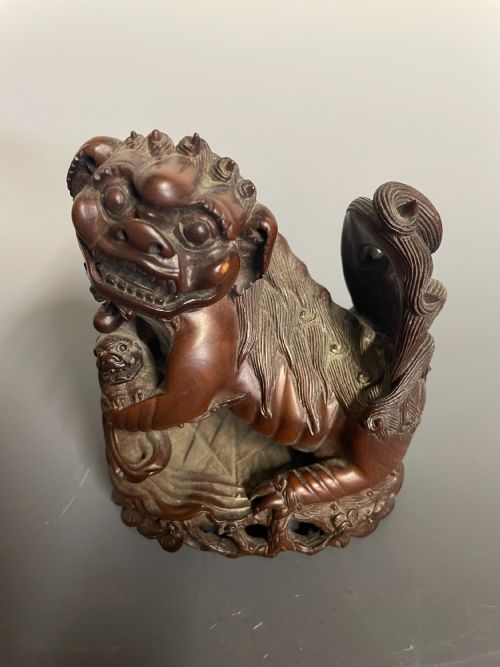
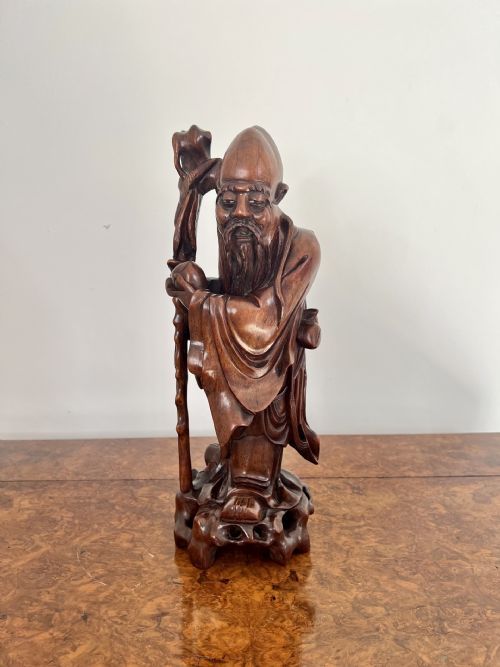
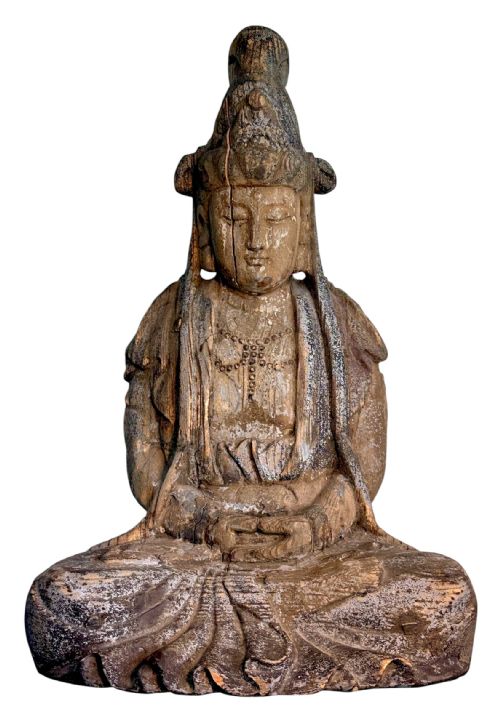
Qing dynasty wooden sculptures encompass hand-carved figures, temple guardians, and mythological animals created across the eighteenth and nineteenth centuries. You are most likely to encounter figures of Buddhist lions, Daoist immortals, scholars, and deities carved from dense hardwoods or expressive root wood.
The selections span traditional Chinese subjects ranging from large temple figures to smaller decorative sculptures and statues. Many pieces retain traces of their original polychrome paint, gold leaf, or lacquer finishes.
Makers shaped these works during the Qing period and the late Qing into the Republic transition. They serve as tangible records of traditional craftsmanship, religious devotion, and literary culture.
Materials and technique
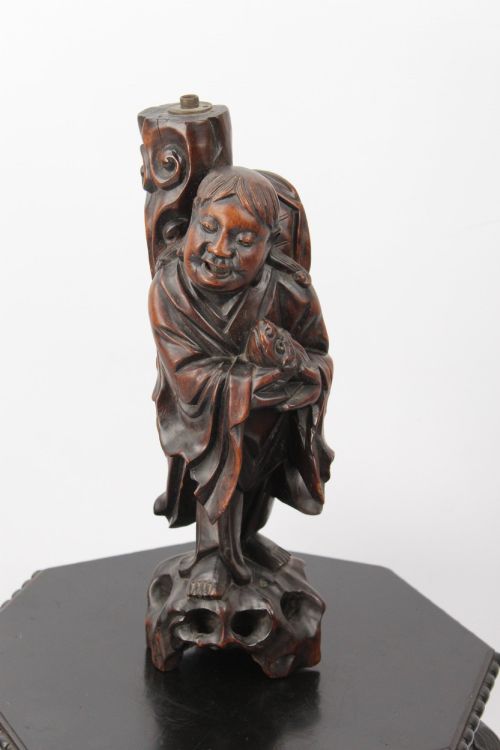
Artisans carved these sculptures from hardwood, boxwood, and burr root wood, utilising the natural grain and knots of the timber to define the shape of figures and animals. Root wood carvings embrace the organic contours of the material to depict scholars, fishermen, and mythical creatures.
Surface decoration frequently involves layers of lacquer, polychrome paint, and gold leaf or gilt applied over carved wood. These finishes highlight the drapery of robes, facial expressions, and ritual objects held by deities and officials.
Qing Dynasty Wooden Sculptures Retail Price Guide 2026
Typical asking prices for qing dynasty wooden sculptures among the pieces listed under this phrase on Sellingantiques today, from the lower quarter to the upper quarter. They describe what is for sale here now, not the wider market.
Several nineteenth-century root wood carvings transform gnarled tree knots directly into smiling scholars and legendary fishermen.
What varies in quality
The distinction between average and superior carvings rests upon the depth of relief and the precision of the hand carving. Finer sculptures display animated facial expressions, deeply undercut drapery, and careful attention to anatomical details in figures and animals.
The preservation of original surface treatments such as polychrome pigment, lacquer, and gold leaf elevates a piece. Intact surfaces provide historical continuity, whereas heavy later repainting obscures the original hand of the carver.
The Qing Dynasty Wooden Sculptures Glossary
- Qing Dynasty
- The final imperial dynasty of China, ruling from 1644 until 1912. This era produced the vast majority of carved wooden temple figures and decorative sculptures seen today.
- Foo Dog
- A traditional guardian lion depicted in pairs guarding sacred spaces. These mythical beasts appear frequently in carved wood and root wood across the nineteenth century.
- Root Wood
- Burr or root timber selected for its gnarled, naturalistic forms. Carvers incorporated these organic shapes into figures of scholars and immortals.
- Polychrome
- Painted in several colours. This surface treatment adorned temple sculptures and deities with bright pigments over a carved wooden base.
- Boxwood
- A dense, pale hardwood prized for intricate detail work. Artisans utilised boxwood for small sceptres and figures requiring precise miniature carving.
Qing Dynasty Wooden Sculptures: Frequently Asked Questions
How do I identify a Qing dynasty wooden sculpture?
Look for traditional Chinese subject matter combined with period materials like dense hardwood, boxwood, or root wood. Traces of aged lacquer, polychrome paint, or gold leaf often accompany these nineteenth-century and eighteenth-century works.
Examine the style of carving and the wear on the timber to understand its age. Temple figures and scholars reflect the iconography and costume typical of the Qing period.
What is root wood carving?
Root wood carving utilises the natural, twisting shapes of tree roots and burrs to shape figures and animals. Artisans worked with the organic contours of the timber to depict scholars, fishermen, and mythical beasts.
This technique relies on the natural grain and knots of the wood to suggest movement and texture. Each root carving is entirely unique due to the shape of the raw material.
How do I care for antique wooden sculptures?
Keep wooden sculptures away from direct sunlight and sudden temperature changes to prevent the timber from splitting. Dust the carved surfaces gently with a soft, dry brush without using harsh cleaning products.
Maintain a stable indoor environment to protect delicate lacquer, gold leaf, and polychrome painted finishes. Proper placement ensures the wood survives in good condition.