


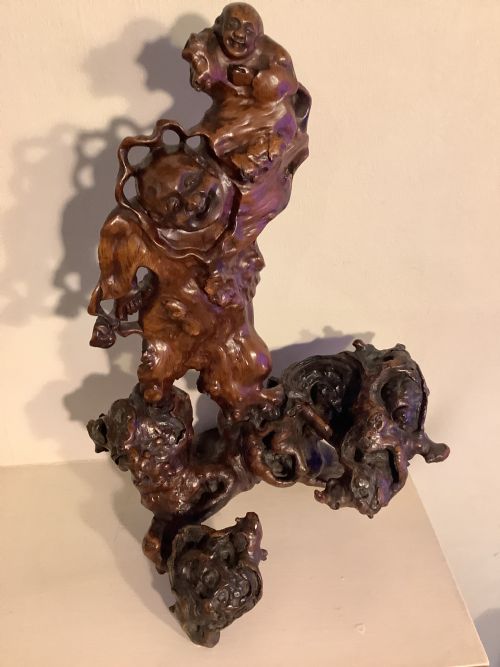


Traditional Chinese Wood Sculpture
A traditional chinese wood sculpture brings centuries of carved narrative, deity work and folk artistry directly into a room.
Traditional Chinese Wood Sculpture
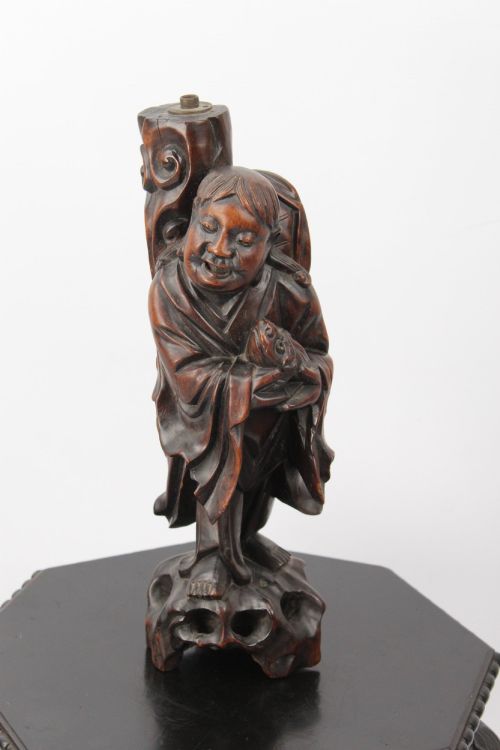
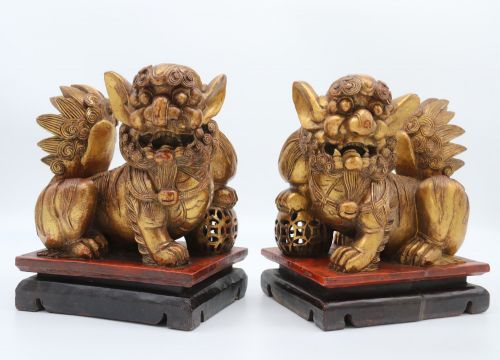
Most pieces you meet here originate from the Qing period or take the form of Qing style works, often depicting figures like Liu Hai, Quan Yin or traditional deities. Forms range from freestanding statues and root wood dogs of fo to bamboo headrests and wall plaques.
Makers shaped these items from diverse timbers, employing hardwood, root wood and bamboo to create both small table figures and larger decorative sculptures. The tradition encompasses figures with polychrome finishes as well as natural wood grains.
Materials and construction
Carvers utilised dense hardwoods, gnarled root wood and bamboo, shaping each timber to follow the natural contours of the material. Root wood pieces make full use of organic growths to form figures and animals.
Listings span the eighteenth century to nineteen twenty, featuring wood, lacquer, hardwood, root wood, gesso, gold leaf, and bamboo.
Judging quality in carving
The distinction between standard and superior pieces rests on the depth and animation of the carving, particularly in the rendering of drapery and facial expressions. Master carvers exploited the grain of the hardwood or the twists of root wood to give vitality to figures such as fishermen and immortals.
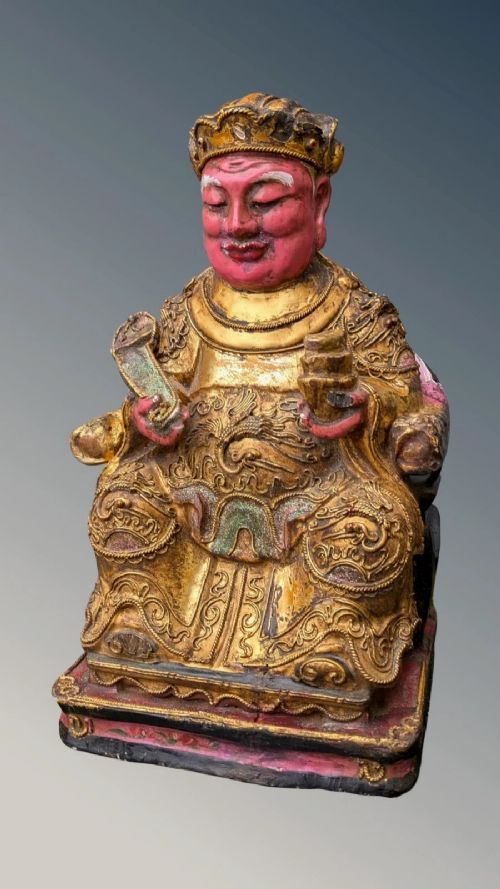
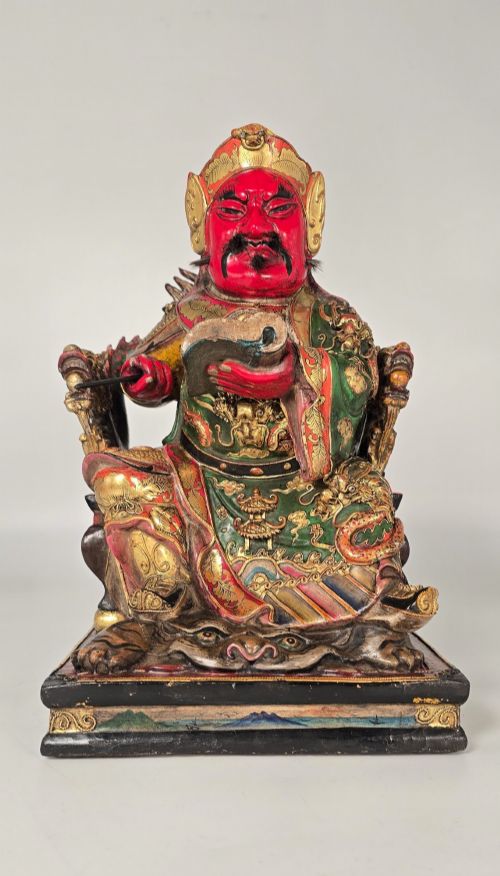
The survival of original surface treatments, including lacquer, polychrome paint and gold leaf, marks the better preserved examples. Application of pigment and leaf that integrates cleanly with the underlying wood indicates superior workshop practice.
The Traditional Chinese Wood Sculpture Glossary
- Qing Dynasty
- The final imperial dynasty of China, lasting from sixteen forty-four to nineteen twelve. Many carved figures date from this expansive period of artistic production.
- Root wood
- Timber formed from the root system of a tree, prized by carvers for its gnarled, twisting shapes. Artisans often shaped these organic forms into mythical beasts or figures.
- Polychrome
- Decorated in a variety of colours. Painted surfaces on wood sculptures frequently show pigments applied over gesso or direct to the timber.
- Gilt wood
- Wood coated with gold leaf or gold paint. This technique highlights specific details on figures of deities and Buddhist lions.
- Immortal
- A mythological figure in Chinese tradition, often associated with Daoism. Figures such as Liu Hai frequently appear in these wood carvings.
Traditional Chinese Wood Sculpture: Frequently Asked Questions
What subjects do these sculptures typically show?
The carvings predominantly depict Daoist and Buddhist immortals, scholars, deities like Quan Yin, and fishermen. Animals such as dogs of fo and Mongolian pack horses also appear.
Figures often carry symbolic items or interact with children and companions, reflecting traditional narratives and folk stories.
How do I care for antique wood sculptures?
Keep wooden pieces away from direct sunlight and fluctuating heat sources to prevent the timber from splitting. Dust them gently with a dry, soft cloth.
Avoid using liquid polishes or harsh cleaning agents, especially on pieces with original lacquer, gesso, or polychrome paint.
How can I tell the age of a carving?
Dating relies on stylistic markers associated with periods like the Qing Dynasty alongside the wear on materials. Hand-carved tool marks and the natural ageing of lacquer and hardwood provide clues.
Comparing the subject matter and carving technique to documented examples helps narrow down the century of production.
Where were these items originally placed?
Sculptures served both domestic and devotional functions within homes, temples, and scholars' studies. Smaller items like bamboo headrests and table figures sat in private rooms.
Wall plaques and larger statues were positioned to decorate interior spaces or spaces dedicated to ancestral veneration.