

Dark Wood Oriental Carving
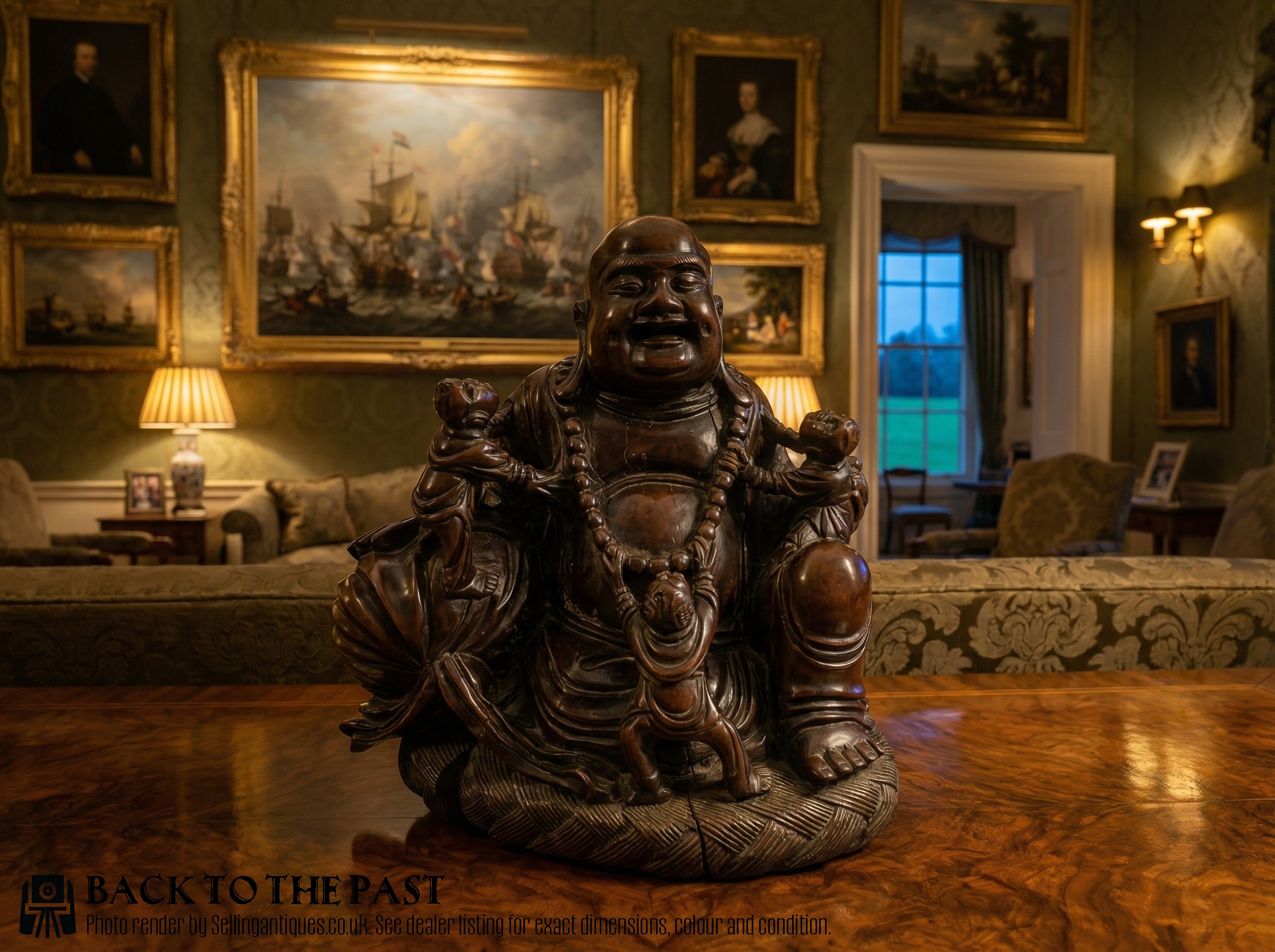
A dark wood oriental carving brings deep grain and intricate relief work into a room, joining nineteenth-century craftsmanship with historic export traditions.
Dark Wood Oriental Carving
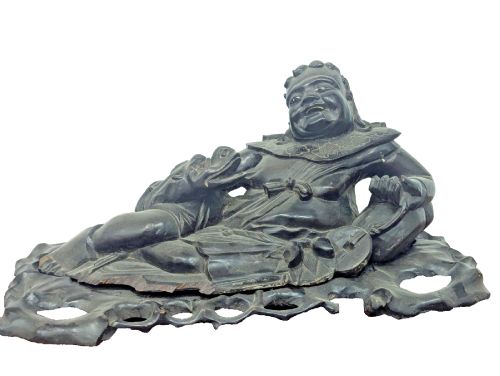
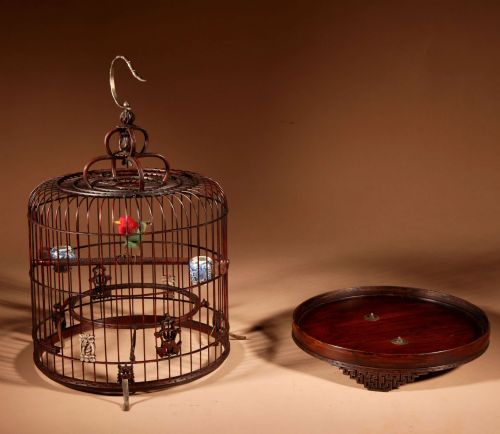
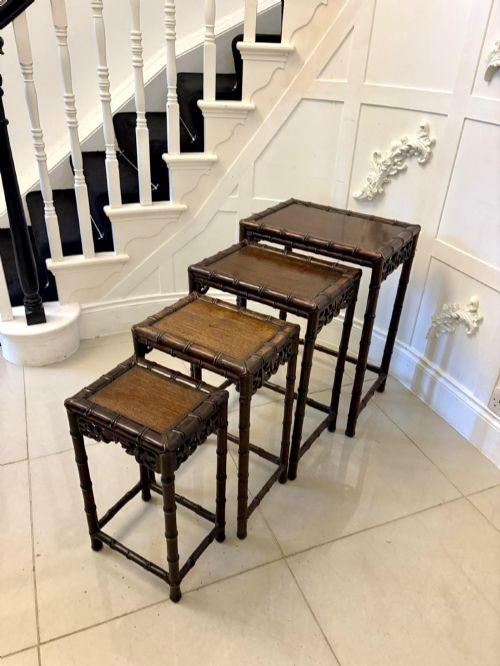
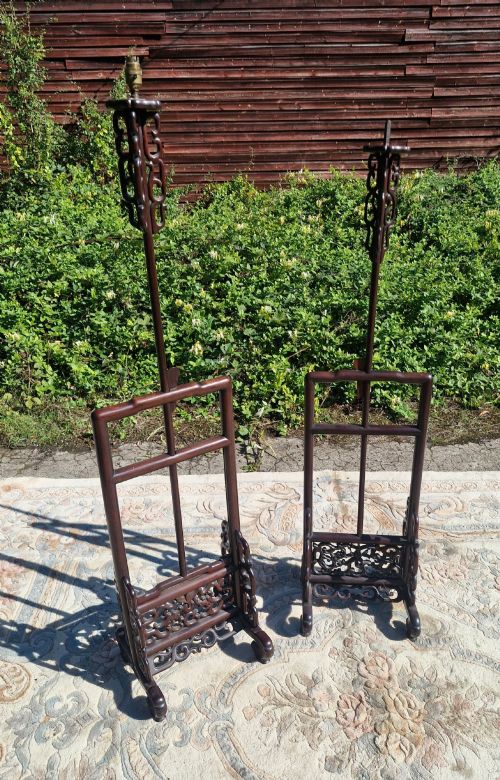
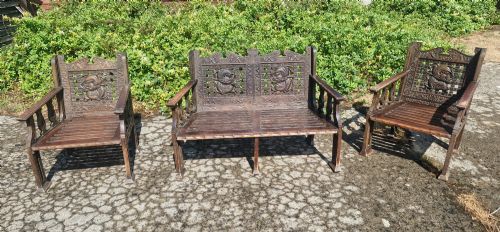
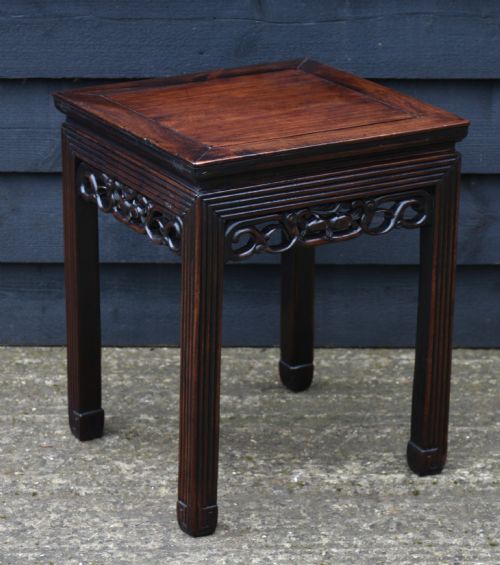
A dark wood oriental carving encompasses substantial furniture and decorative objects originating from nineteenth-century workshops across China, Japan, and India. Buyers searching for a dark wood oriental carving encounter low tables, plant stands, armchairs, and folding screens produced during the Qing Dynasty, Meiji period, and Raj era.
Materials and Technique
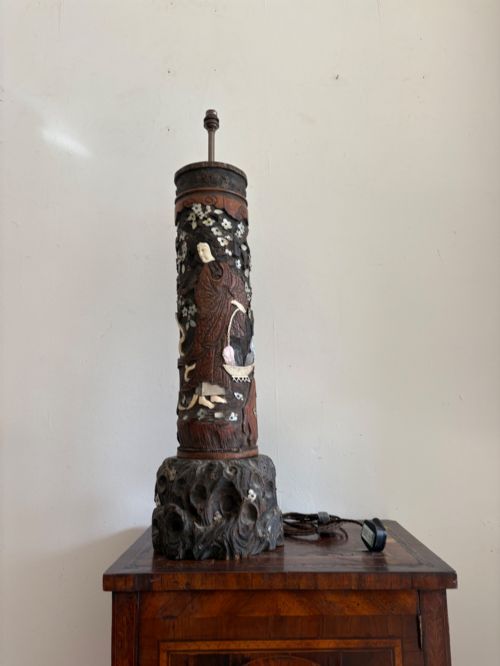
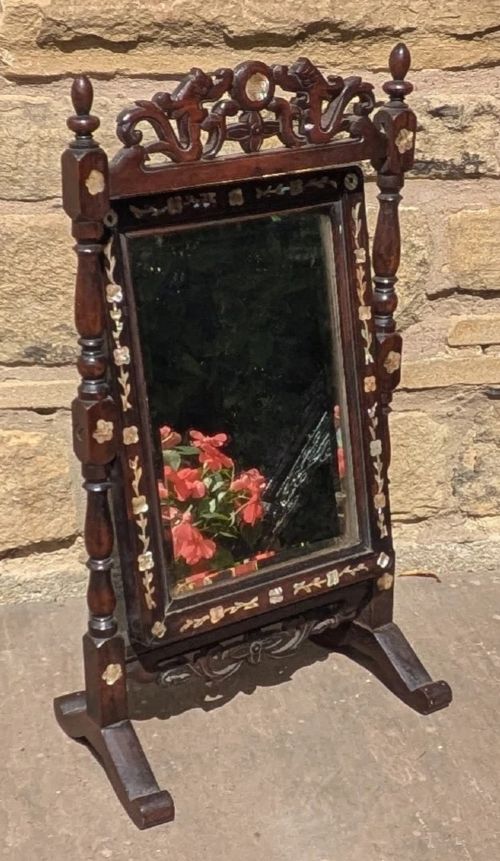
Artisans utilised dense timbers such as rosewood, padouk, and general hardwood, valuing their weight and deep natural colour for detailed relief work. These woods are frequently paired with contrasting inlays of bone, mother of pearl, and brass wire.
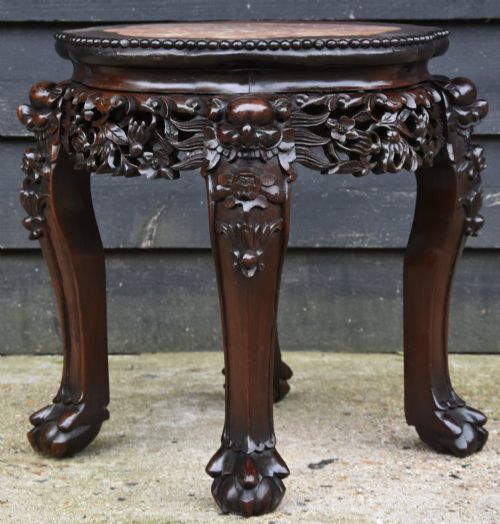
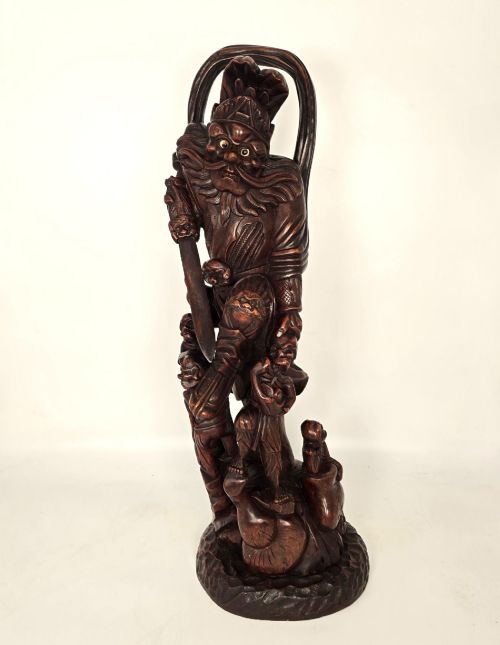
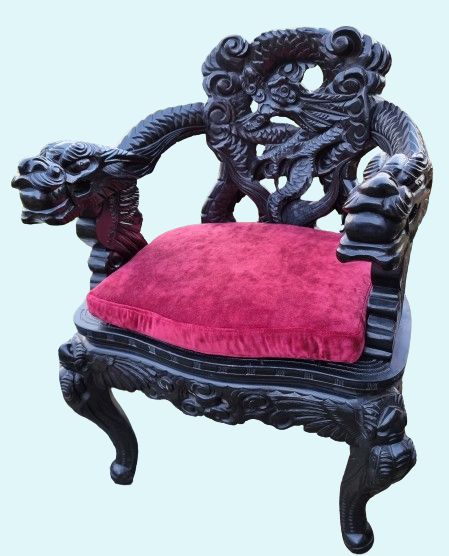
Carving techniques combine high-relief figural work, pierced scrolling foliage, and dragon motifs executed entirely by hand. Surface finishes rely on traditional polish and wax to highlight the dense grain of the timber.
The listings on this site feature nineteenth-century rosewood, elm, and hardwood alongside mother of pearl inlay and brass mounts from China, Japan, and India.
Evaluating Execution
Quality rests in the crispness of the chisel work and the depth of the relief, distinguishing master carvers from commercial workshops. Sharp, undercut details and symmetrical joinery elevate a piece above standard export stock.
The selection of the timber grain and the precision of inlaid bone or metal elements dictate the overall refinement of the object. Pieces maintaining their original surface finish and structural integrity retain greater integrity than heavily restored examples.
Gabriel Viardot·Liberty & Co
The Dark Wood Oriental Carving Glossary
- Hongmu
- A category of dense, dark tropical hardwoods used in traditional Chinese furniture construction. It translates literally to red wood and holds a fine polish.
- Shibayama
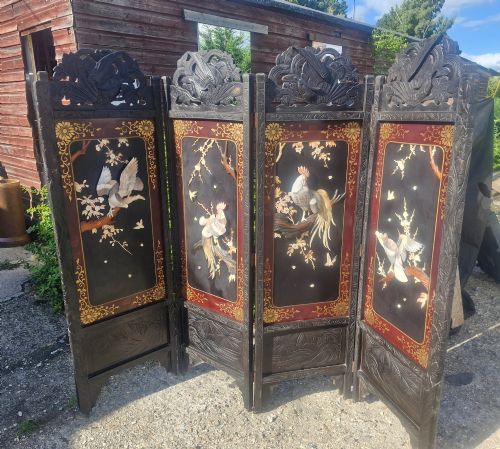
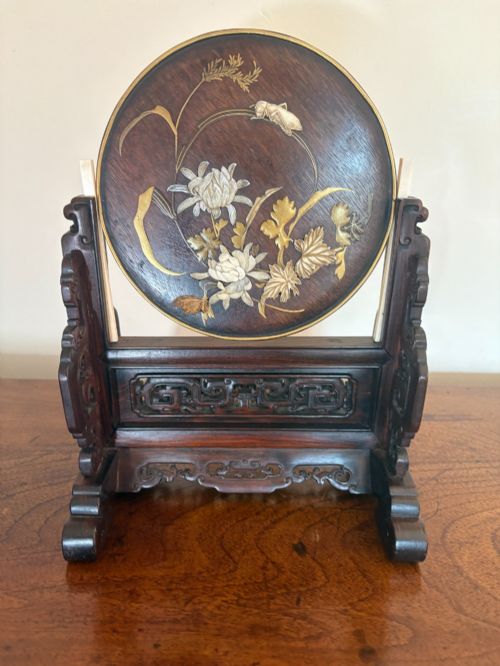
- A Japanese decorative technique using inlaid mother of pearl, ivory, and shell to create pictorial panels. These are frequently found on small screens and cabinets.
- Yoke-back
- A style of traditional Chinese armchair featuring a distinctive curved crestrail resembling a draught ox yoke. It offers both formal posture and ergonomic support.
- Opium table
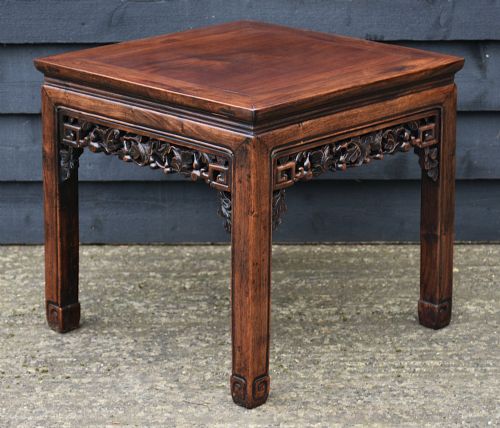
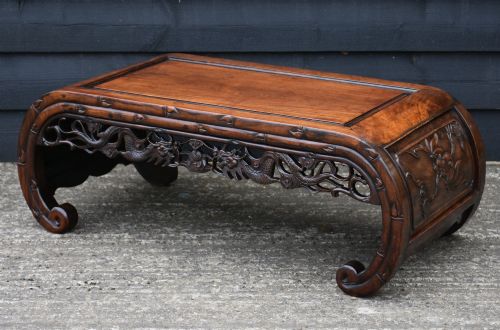
- A low domestic table traditionally used for social gathering and resting beverages. They often incorporate subtle carved apron details.
- Meiji
- The period of Japanese history spanning from eighteen sixty-eight to nineteen twelve, known for opening trade and producing intricate export crafts.
Dark Wood Oriental Carving: Frequently Asked Questions
How do I care for rosewood furniture?
Keep dark timber pieces away from direct sunlight and excessive heat sources to prevent the wood from splitting. Apply a neutral beeswax periodically to nourish the grain.
Avoid using modern liquid polishes that contain silicone, as they build up a residue over time and dull the natural patina of the carved surface.
Where were these items placed historically?
Many of these pieces were created for the domestic market in Asia, serving as scholars' desks, altar tables, and seating in formal reception rooms. Later items were specifically exported to satisfy European interior tastes for exotic furnishings.
In British homes of the late nineteenth century, occasional tables and plant stands populated drawing rooms and conservatories to display ornamental objects.
What is the difference between Chinese and Indian pieces?
Chinese furniture from this era typically employs clean structural lines in rosewood or padouk, often featuring geometric panels, dragons, and discrete low-relief carving. The construction focuses on traditional joinery without nails.
Indian and Anglo-Indian works tend toward heavier overall carving with dense floral motifs, pierced foliage, and extensive bone or brass inlay work across octagonal and occasional tables.
How do I identify a Meiji period piece?
Japanese items from the Meiji era display a high degree of naturalistic detail, frequently incorporating carved bone figures, lacquer work, or intricate Shibayama inlays. Makers focused heavily on narrative scenes involving flora, fauna, and traditional figures.
The construction often merges traditional Japanese joinery with formats adapted for Western export, such as folding screens and table cabinets.