
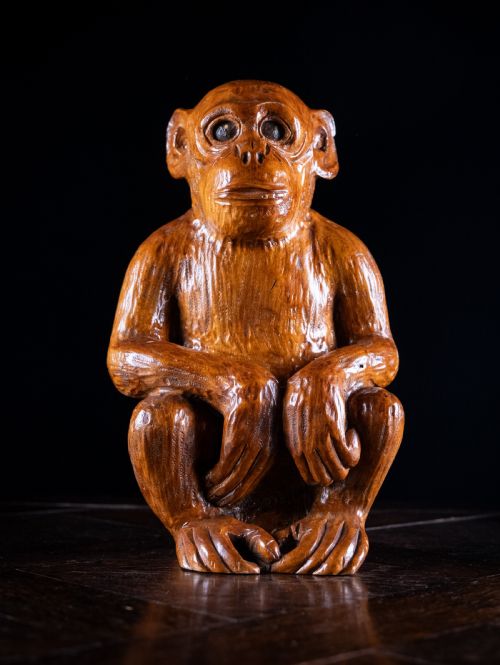
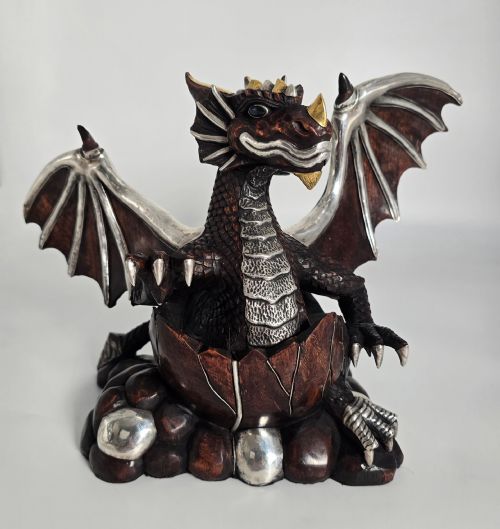
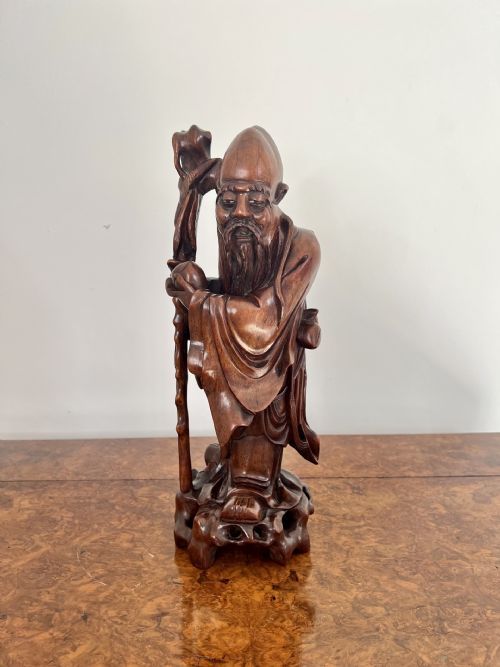


Chinese Hardwood Figure
A chinese hardwood figure brings tangible texture and traditional form into a room, carved from dense timber during the Qing dynasty and later periods.
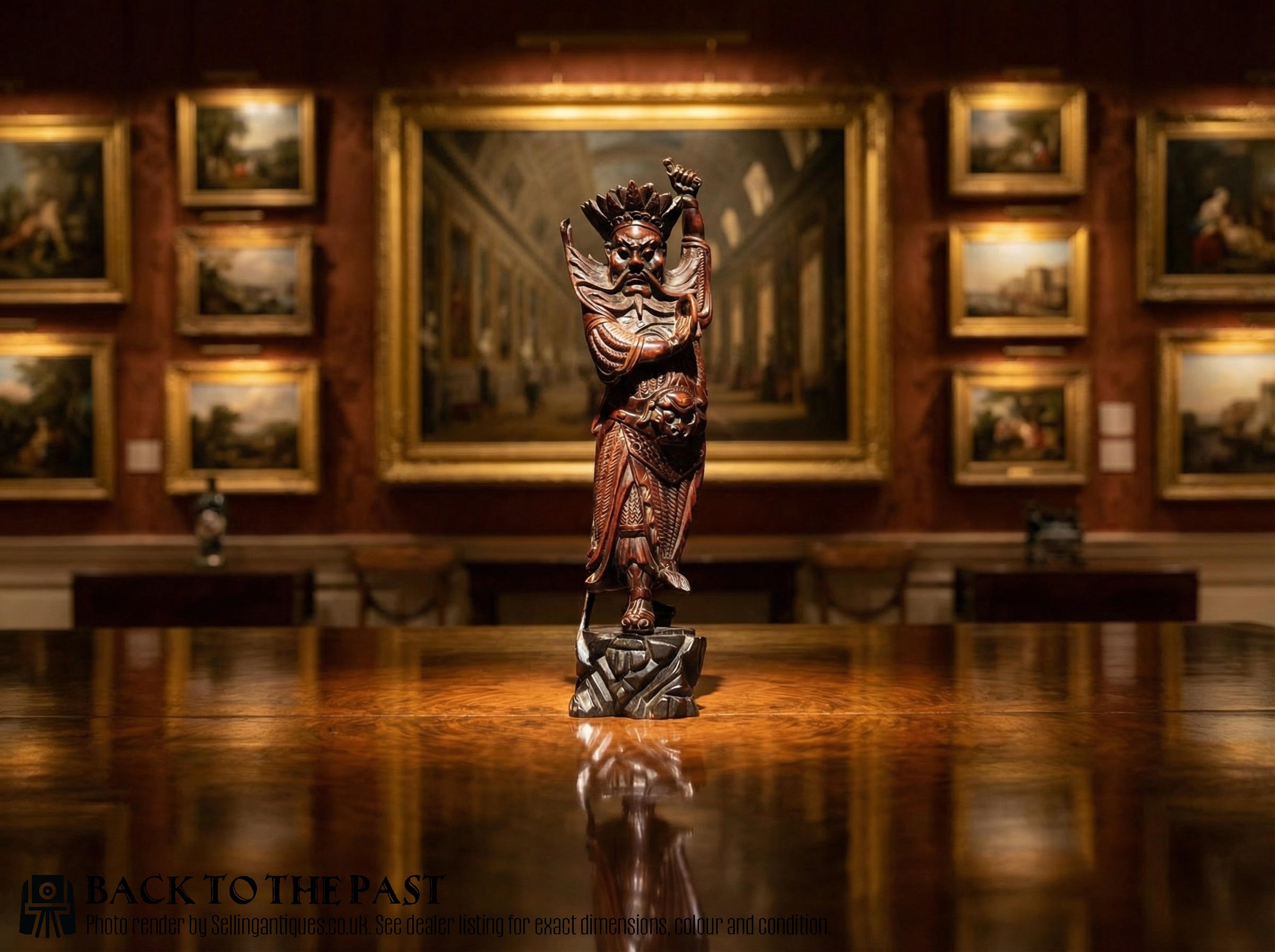
Chinese Hardwood Figure
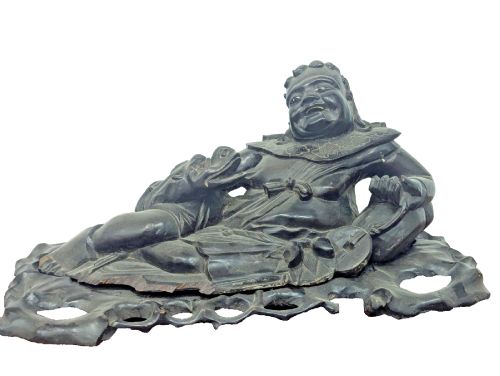
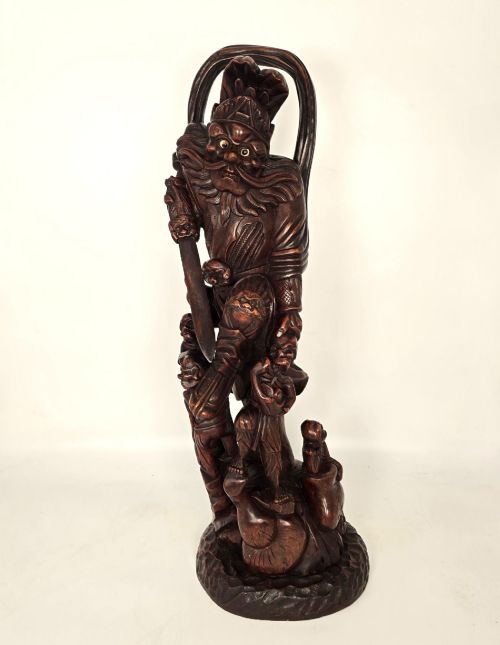
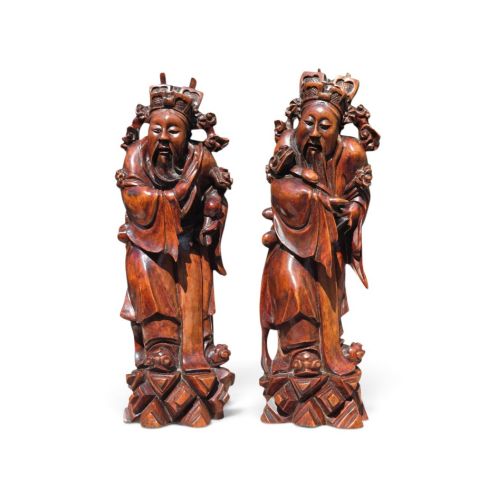
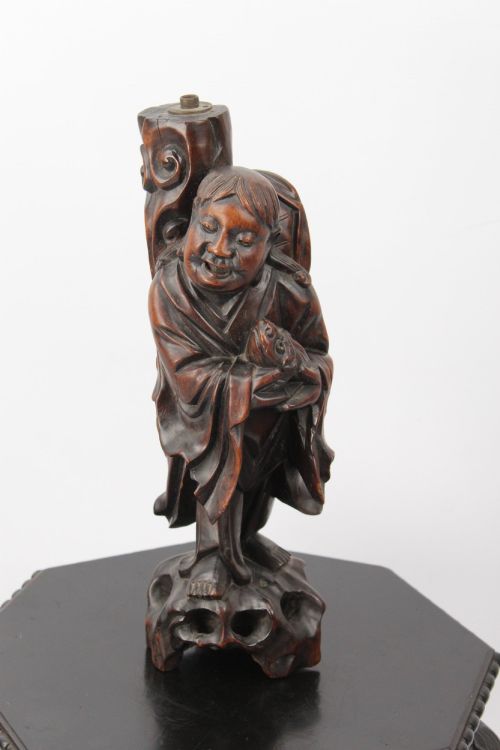
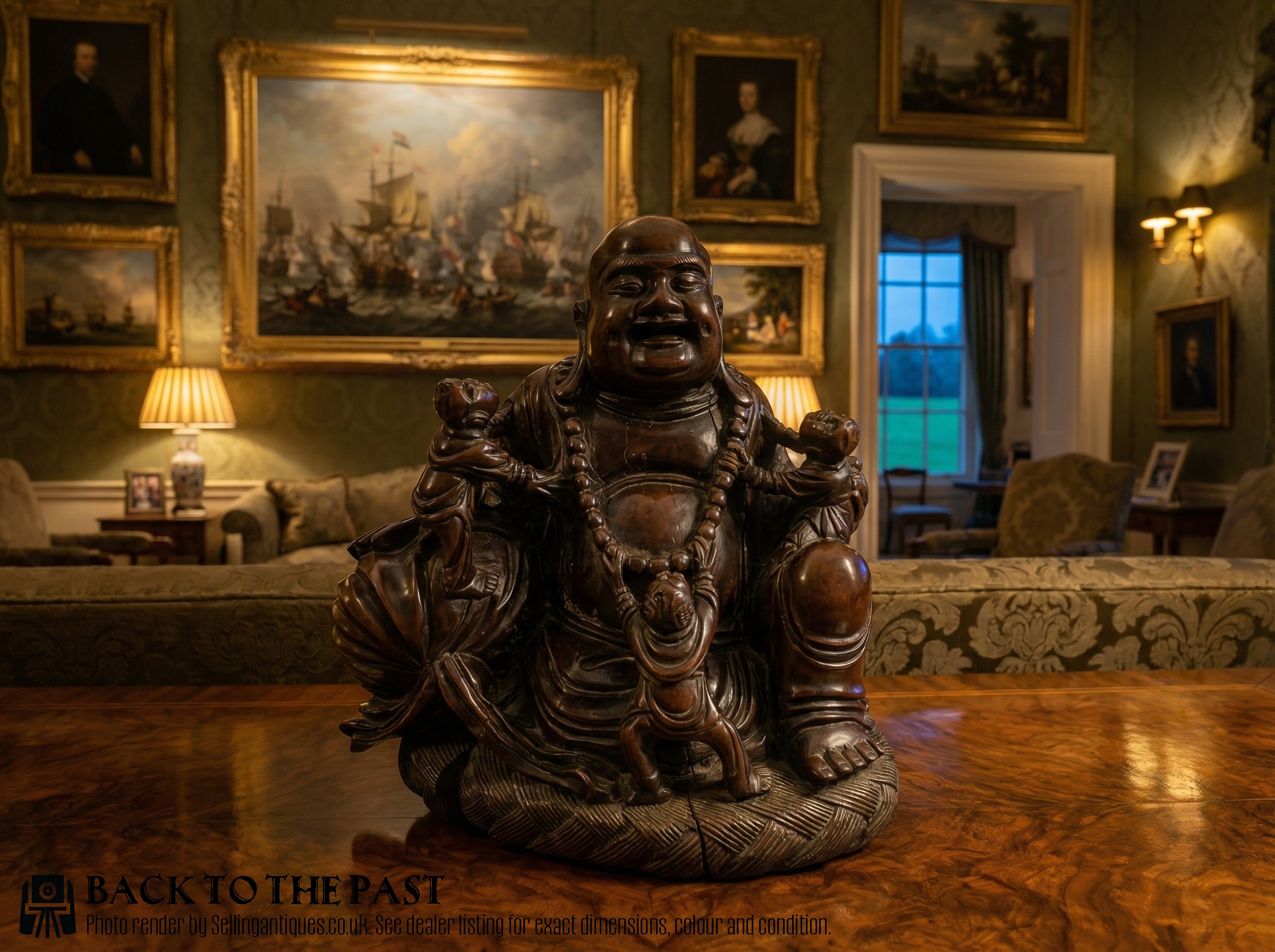
A chinese hardwood figure encompasses carved sculptures, statues, and groupings depicting figures such as Daoist immortals, fishermen, Buddhas, and guardian kings. These pieces frequently emerge from nineteenth-century workshops, alongside early twentieth-century examples shaped in traditional styles.
The selections span distinct subjects, including pairs of water buffaloes, elephants, mandarin ducks, and root wood carvings. Buyers encountering these works find both individual table sculptures and matched pairs originating from Qing dynasty traditions.
Makers utilised dense timbers to render detailed representations of mythical creatures and human subjects, often incorporating root wood forms that follow the natural contours of the material. Many sculptures incorporate integrated bases or stands tailored to the specific posture of the carved subject.
Materials and construction methods
The execution relies on subtractive carving techniques where artisans cut deep relief and three-dimensional depth directly into the dense grain. Certain sculptures feature mixed metal mounts or reverse painted mirror-glass panels set into the broader artistic presentation.
Evaluating the standard of carving
The distinction between ordinary and superior examples rests in the depth of undercut work, the crispness of facial expressions, and the anatomy of the subject. Master carvers exploited the natural figure of the rosewood or dense hardwood to emphasise folds in garments and musculature without losing structural integrity.
Proportion and stance dictate visual success, particularly in large monumental sculptures or paired animals such as water buffaloes and elephants. Pieces showing confident handling of complex groupings or intricate root wood configurations command stronger artistic presence than rigid, simplified counterparts.
The Chinese Hardwood Figure Glossary
- Hardwood
- Dense, slow-growing timber utilised for intricate and durable sculptural work. This material resists general wear and supports fine detail.
- Root wood
- Timber sourced from the root system of a tree, displaying organic and twisting natural forms. Carvers incorporate these unique contours directly into the subject matter.
- Qing Dynasty
- The final imperial dynasty of China, spanning from sixteen-forty-four to nineteen-twelve. Many traditional carvings originate from this extended period of artistic production.
- Daoist Immortal
- A mythological figure associated with longevity and spiritual attainment in Chinese tradition. These personages frequently appear in hardwood sculpture holding attributes like peaches or staffs.
- Foo Dog
- A traditional guardian lion depicted in pairs outside temples and palaces. Sculptures of these mythical beasts serve a protective function.
Chinese Hardwood Figure: Frequently Asked Questions
How do I identify a Qing dynasty chinese hardwood figure?
Examination of the timber grain, tool marks, and subject matter helps determine age. Nineteenth-century pieces often display deeper patination and traditional iconography linked to Qing styles.
Closer inspection of the base and mounting techniques also reveals historical manufacturing methods typical of the period.
Where were these wooden sculptures displayed originally?
These figures stood within scholars' studios, domestic reception rooms, and temple spaces across China. Their presence signified learning, spiritual devotion, and cultural refinement.
Today, they function as focal decorative objects placed upon low tables, sideboards, or dedicated mantelpieces.
How should I care for antique hardwood carvings?
Maintenance requires keeping the timber away from direct heat sources and rapid humidity fluctuations to prevent splitting. Gentle dusting with a dry, soft cloth preserves the natural polish of the wood.
Applying chemical polishes is generally discouraged by conservators who prefer the original dry patina.
What subjects are most common in these carvings?
Common subjects include Daoist immortals, fishermen, laughing Buddhas, and guardian figures. Animal forms such as elephants, water buffaloes, and mandarin ducks appear frequently both singly and in pairs.
Root wood configurations also make up a distinct category of organic sculptural work.