








Hand Carved Wooden Deity
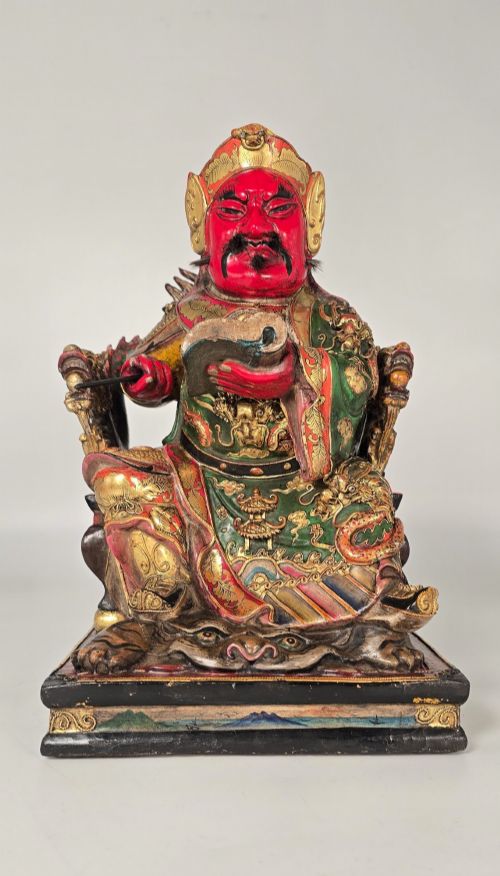
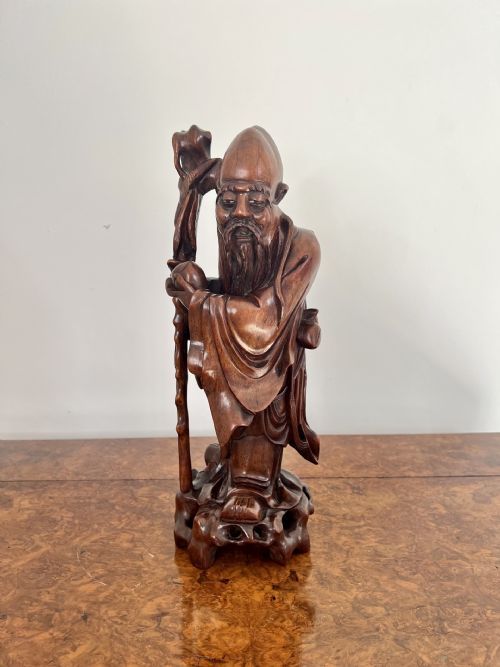
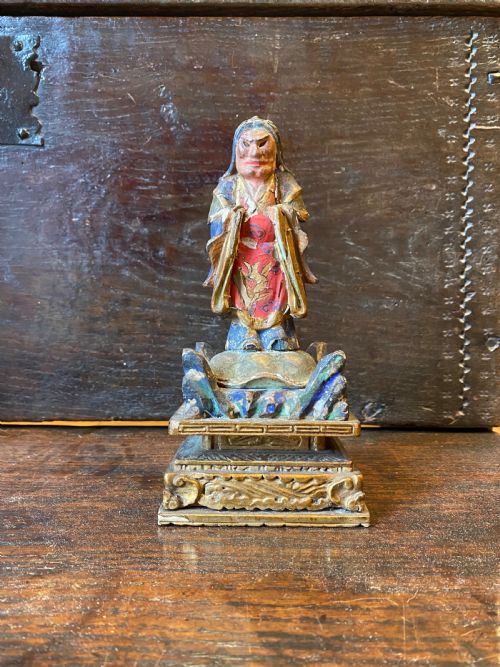
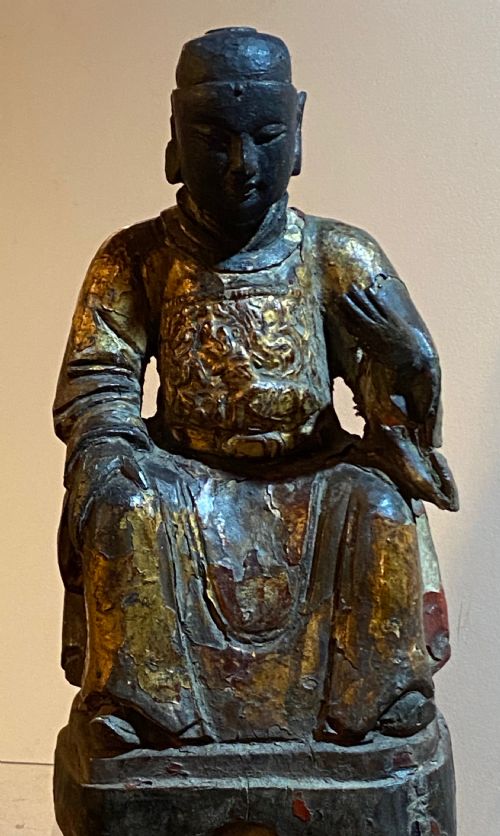
These hand carved wooden deity figures combine traditional iconography with skilled regional craftsmanship.
Hand Carved Wooden Deity
When you search for a hand carved wooden deity, you are looking at figural sculptures that range from Chinese scholar figures and Indian temple deities to Balinese depictions of Rama and Sita. These objects take the form of religious statues, architectural carvings, and figurative sculptures spanning the eighteenth century through to the early twentieth century.
The versions you are most likely to meet on this page include Chinese hardwood carvings alongside Indonesian and Indian representations of deities such as Vishnu, Parvati, and Ganesha. Pieces often reflect specific regional traditions, including Meiji period Japanese boxwood work and traditional Chinese styles.
The selection encompasses both large decorative panels and smaller standalone figures carved from dense timbers like boxwood, rosewood, and root wood. Each piece records the cultural and religious practices of its origin, bridging decorative arts and sacred sculpture.
Materials and carving techniques
Carpenters and sculptors utilised dense timbers such as boxwood, rosewood, and root wood to shape these deity figures. These woods allowed for intricate detailing in facial expressions, garments, and attributes without splintering.
Certain pieces received surface treatments including lacquer, gesso, and gold leaf applied over the carved timber. These finishes enhanced the visual depth of figures like Chinese scholars and traditional temple statues.
Even deities need good company, as shown by carvings pairing Vishnu with dragons or gods sharing space with infants.
Evaluating sculptural quality
The selection of the timber also dictates the standard of the piece, with choice rosewood or boxwood allowing for sharper, more enduring definition than coarser grained woods. Preservation of original surface treatments, such as lacquer or gilding, further distinguishes finer works.
The Hand Carved Wooden Deity Glossary
- Okimono
- A Japanese standalone decorative carving displayed in a room rather than on a household altar. These figures often depict deities or folkloric subjects.
- Root wood
- Timber formed from the root mass of a tree, chosen by carvers for its gnarled, organic shapes. Sculptors incorporated these natural contours into the final design of the figure.
- Gesso
- A plaster mixture applied to wood surfaces as a preparation before gilding or painting. It provides a smooth base for gold leaf and pigments.
- Iconography
- The traditional imagery and symbolic elements associated with a particular deity or subject. Recognising these attributes helps identify the figures in a carving.
Hand Carved Wooden Deity: Frequently Asked Questions
What is an okimono?
An okimono is a Japanese carved object intended for display in a domestic interior rather than for formal religious worship. These pieces often portray deities or cultural figures with detailed hand work.
Master carvers utilised woods like boxwood to achieve high levels of expression and intricate surface detail on these small sculptures.
How were temple deities used?
Temple deities served as focal points for devotion, ritual offerings, and meditation within sacred spaces or household shrines. They embodied specific spiritual powers and narratives.
Craftsmen carved these figures from durable hardwoods and occasionally applied lacquer or gold leaf to signify their sacred status.
How do I identify the period?
Dating relies on stylistic markers associated with specific eras, such as the Meiji period in Japan or the Qing dynasty in China. Tool marks and timber choice also offer clues to the age of the carving.
Comparing the garment styles and regional iconography helps narrow down the century of manufacture.
Where were these carvings made?
These sculptures originate from various regions across Asia, including China, India, Indonesia, and Japan. Each area developed distinct carving traditions and utilised locally available timbers.
Makers incorporated indigenous motifs, religious figures, and architectural styles into their woodwork.