

Dark Hardwood Carving
A dark hardwood carving brings dense tropical timbers and detailed handwork together in furniture and display pieces made to last.
Dark Hardwood Carving
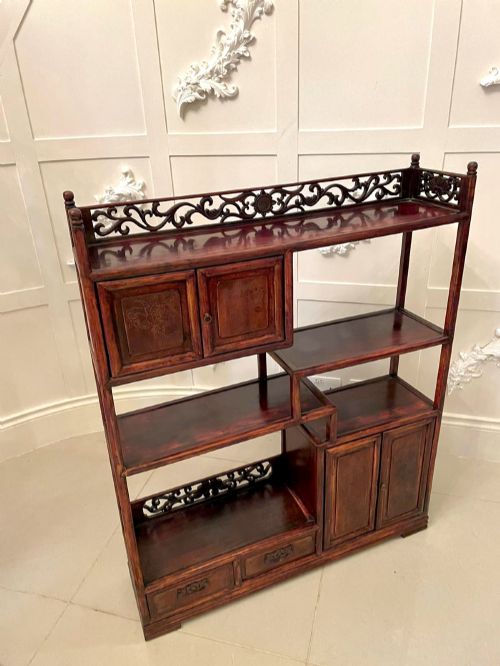
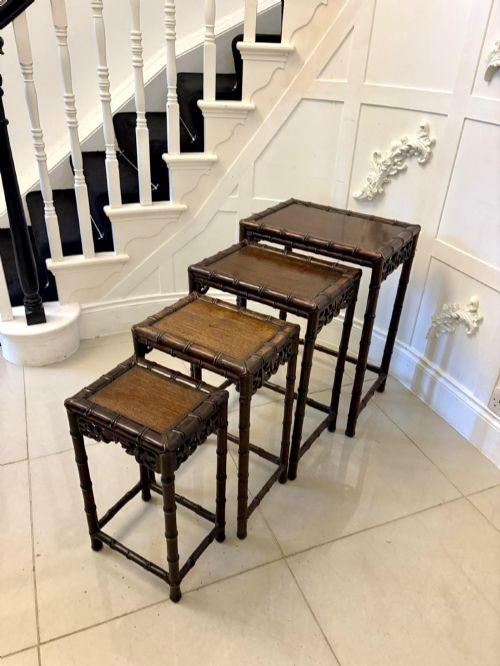
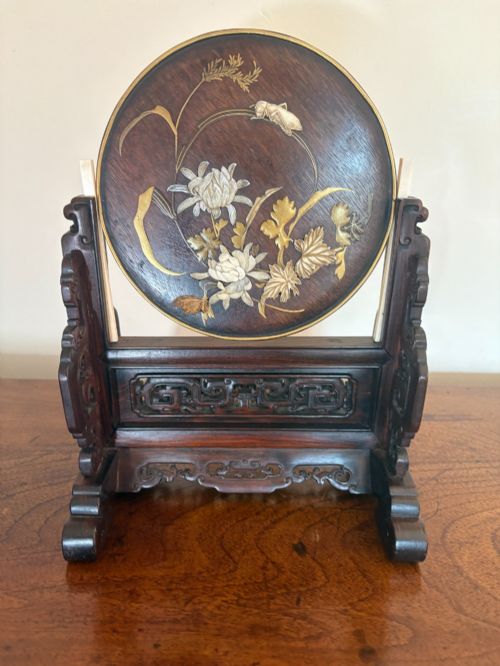
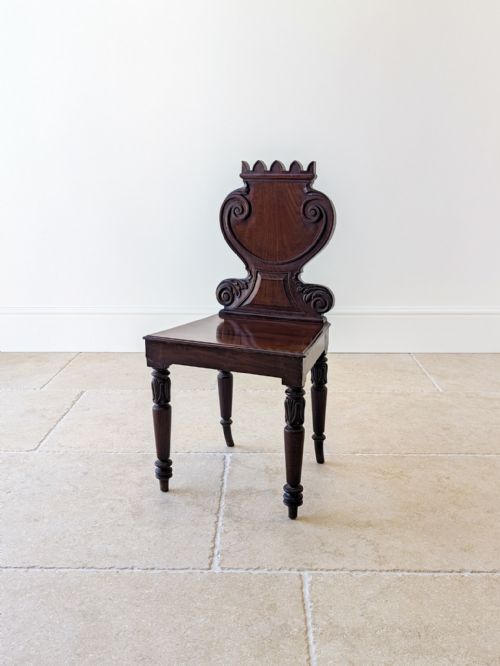
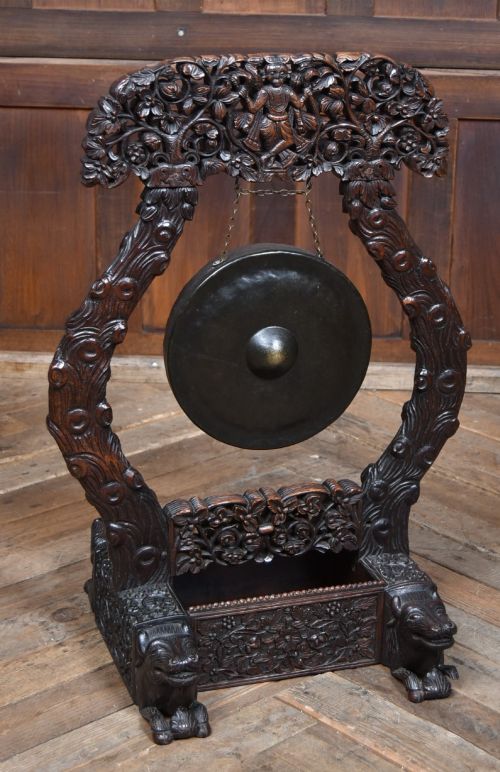
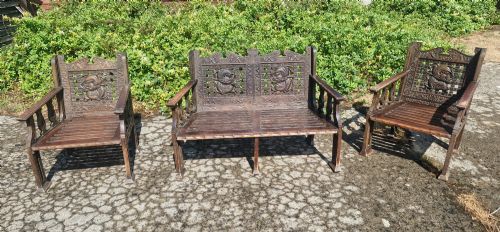
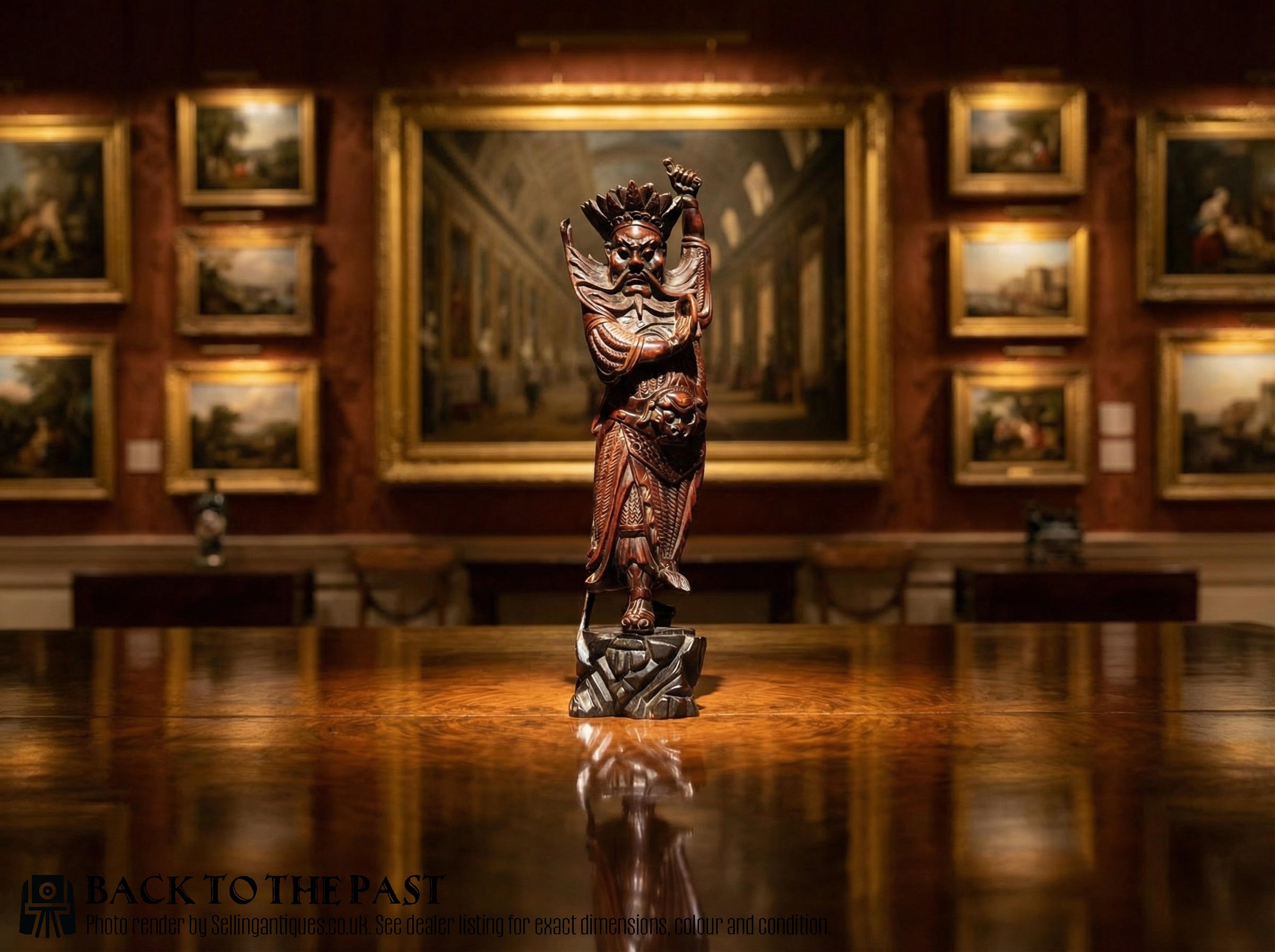
When you search for dark hardwood carving, you encounter furniture and decorative objects originating from nineteenth and early twentieth century workshops across China, India, Burma, and Japan. The selection includes low tables, plant stands, armchairs, nests of tables, chests, and sculptural figures shaped from heavy timbers.
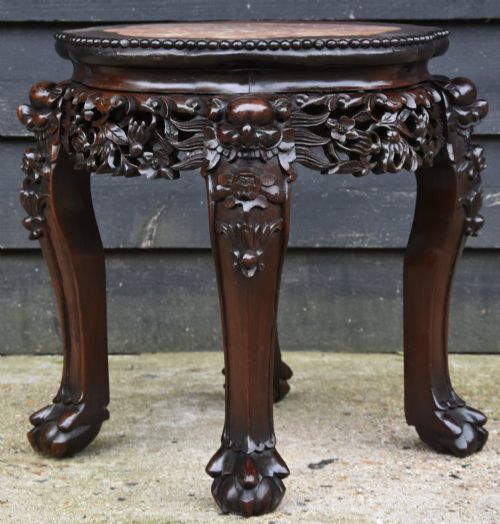
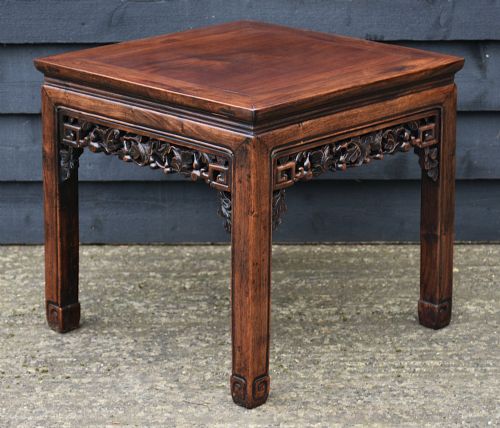
The most frequent examples on this page are Chinese rosewood and padouk occasional tables, stands, and seating dating from the late nineteenth century and the early twentieth century. These pieces combine structural framing with deep relief carving depicting foliage, figures, and symbolic motifs.
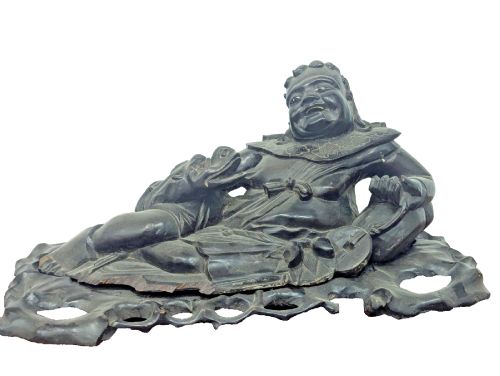
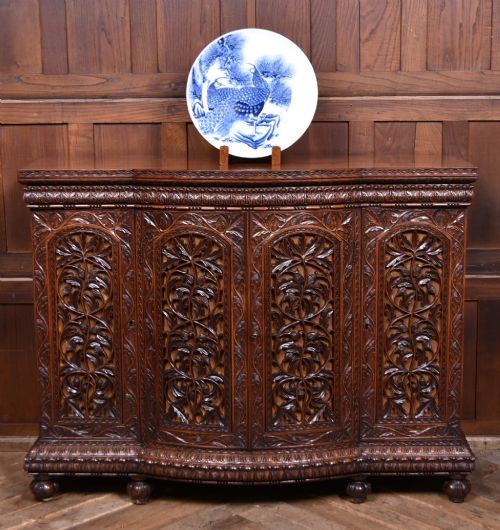
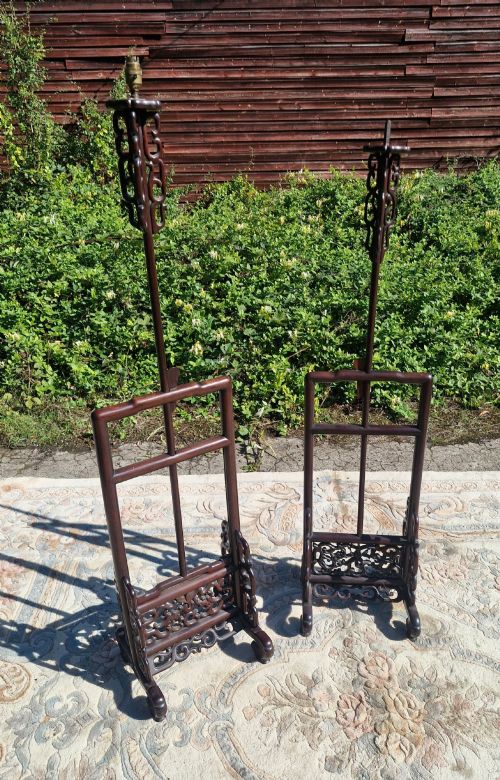
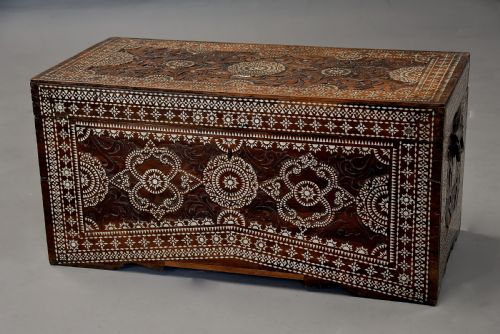
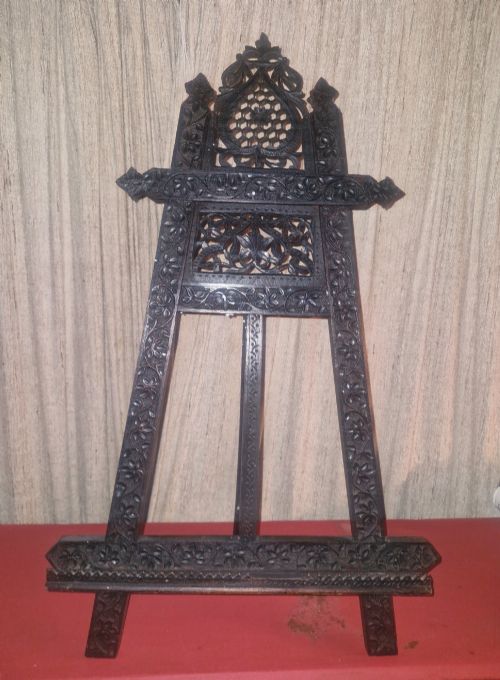
Beyond China, the category spans Anglo-Indian cabinets, Burmese conservatory suites, Middle Eastern chests inlaid with mother of pearl, and Japanese screens or stands. Each regional tradition applies dense timber to domestic uses, ranging from monumental guardian sculptures to small picture display easels.
Materials and construction methods
Cabinetmakers utilised heavy, dense timbers such as rosewood, padouk, and general dark hardwoods that held crisp edges under chisels and gouges. These timbers arrived with natural grain patterns and deep colouration that required minimal staining, relying instead on hand-rubbed finishes to bring out the lustre of the wood.
Relief carving was executed by hand, cutting deep into the timber to create layered scenes of foliage, animals, and figures that stand proud of the background. Artisans incorporated structural joinery alongside surface decoration, sometimes combining the dark wood with contrasting materials like bone, ivory, mother of pearl, marble, or brass.
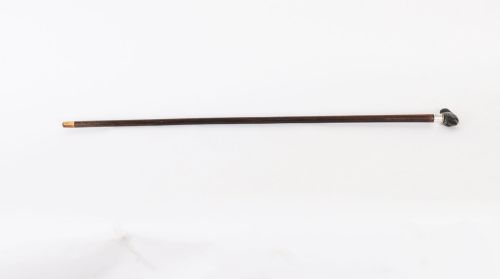
One unexpected item is a novelty parrot walking stick cane, proving that nineteenth century carvers applied their skills to avian fashion accessories too.
Judging the standard of execution
The depth and clarity of the chisel work separate ordinary production from superior examples, as master carvers achieved distinct separation between layers without splintering the dense grain. Lesser pieces display shallow, mechanical stamping or rushed surface detailing that lacks dimension and anatomical proportion.
Timber selection and joinery integrity dictate longevity in these heavy objects, with finer items utilising solid rosewood or padouk selected for even colour and stable movement across panels and joints. Poorer execution relies on inferior backing timbers or unstable assemblies that struggle under the weight of marble insets or thick carved tops.
Liberty & Co
The Dark Hardwood Carving Glossary
- Rosewood
- A heavy, dense tropical timber valued for its dark purple-brown hue and prominent grain. It provides a stable base for deep relief carving.
- Padouk
- A sturdy reddish-brown hardwood that darkens with age and accepts fine chisel work without splitting. It appears frequently in nineteenth century table and sideboard construction.
- Nest of tables
- A set of graduated occasional tables designed to fit one beneath another. They save floor space while offering multiple surfaces for display.
- Marble inset
- A slab of decorative stone fitted into the top of a low table or plant stand. It provides a cool, smooth surface resistant to heat and moisture.
- Mother of pearl
- The iridescent inner layer of mollusc shells cut into thin pieces and pressed into recesses in the wood. This technique creates contrasting geometric or floral patterns against dark timber.
Dark Hardwood Carving: Frequently Asked Questions
What is a dark hardwood carving used for?
These items serve primarily as functional furniture and decorative display pieces within domestic interiors. Tables, stands, and nests provide surfaces for lamps and objects, while screens and sculptures act as focal points in a room.
Heavier pieces like armchairs and chests combine practical seating and storage with ornamental carving that reflects regional traditions from Asia and the Middle East.
How do I identify Chinese rosewood furniture?
Chinese rosewood furniture displays a heavy weight, a deep reddish-brown to near-black colour, and a tight, close grain. Artisans often incorporated traditional joinery without metal nails, pairing the timber with carved motifs like dragons, prunus blossom, or geometric borders.
Many examples feature inset panels of marble or detailed mother of pearl inlay that accentuate the dark surface of the wood.
What is an opium table?
An opium table is a low-standing piece of furniture traditionally used in China for resting, dining, or smoking while seated on cushions or a platform. They feature sturdy legs, often terminating in horsehoof feet, and restrained carving along the apron.
Today, these low tables function effectively as coffee tables or display platforms in contemporary living spaces.
How do I care for antique hardwood furniture?
Maintain antique hardwood by keeping it away from direct heat sources and rapid humidity fluctuations that can cause timber to split. Dust regularly with a dry cloth and apply a quality natural wax occasionally to nourish the surface.
Avoid using silicone-based polishes or harsh chemical cleaners, as these can damage the traditional hand-rubbed finish of the wood.