

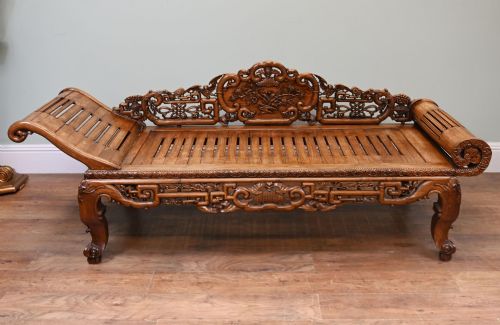


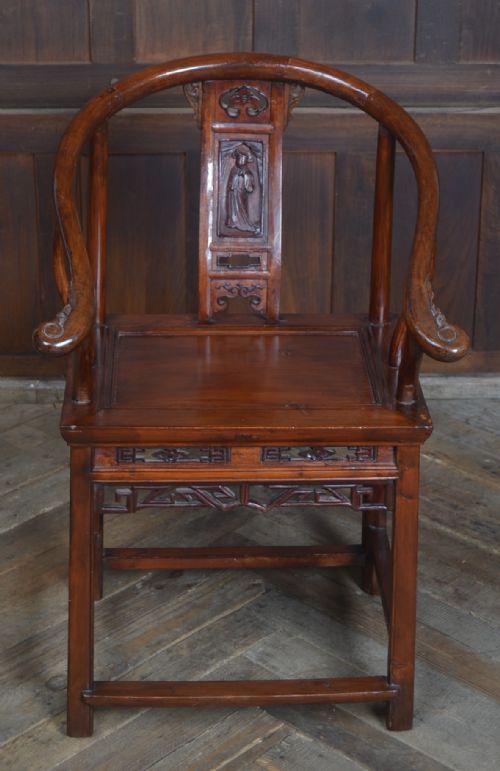
Polished Hardwood Carving
A polished hardwood carving brings dense timber and sculptural form into a room, offering tactile presence and rich grain.
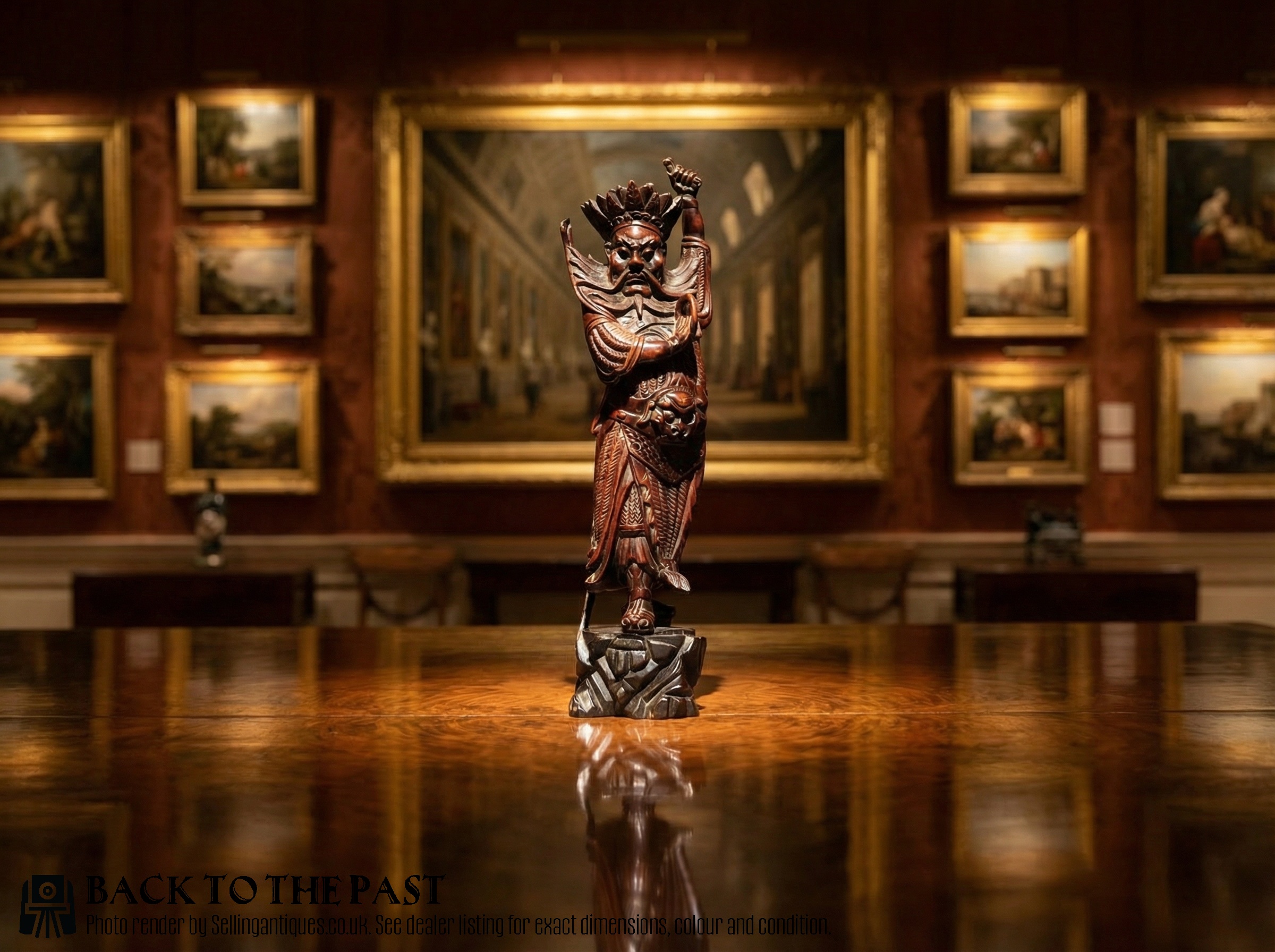
Polished Hardwood Carving
A polished hardwood carving encompasses sculptural works, tribal artefacts, and decorative figures fashioned from dense timbers. When exploring a polished hardwood carving, collectors encounter diverse traditions ranging from Chinese Qing Dynasty root carvings to Oceanic tribal items and Art Deco bookends.
The pieces on this page span the nineteenth and twentieth centuries, including works from 1800, 1890, 1900, 1920, and 1930. Forms include wall masks, busts, armchairs, and figurative sculptures, reflecting both traditional Chinese craftsmanship and colonial or tribal artistry.
Most items represent distinct cultural periods, with Chinese hardwood figures and root carvings appearing alongside Fijian warrior clubs and South American Art Deco sculptures. Each polished hardwood carving demonstrates the specific functional or artistic intent of its maker and era.
How they were made
Artisans carved these objects from various dense materials, including elm, root wood, and lacquered timber. The natural grain of the hardwood dictates the final silhouette, with root carvings following the organic contours of the timber.
Surface finishing involves polishing to enhance the deep tones of the wood, while some Chinese pieces incorporate layers of lacquer. Skilled hands shaped architectural treen, wall masks, and figurative sculptures using traditional carving tools suited to heavy timbers.
Polished Hardwood Carving Retail Price Guide 2026
Typical asking prices for polished hardwood carving among the pieces listed under this phrase on Sellingantiques today, from the lower quarter to the upper quarter. They describe what is for sale here now, not the wider market.
A Fijian warrior's club shares space with an Art Deco panther, proving that carvers worldwide simply love working with heavy timber.
What varies in quality
Fidelity to period style and the crispness of the carved detail define the upper tier of these sculptures. Pieces signed by known artists or exhibiting precise control over lacquered and polished surfaces command greater attention from collectors.
V . Ramirez
The Polished Hardwood Carving Glossary
- Root wood
- Timber sourced from the root system of a tree, prized by carvers for its gnarled, twisting grain patterns. It is frequently utilised in traditional Chinese carving to create organic, figurative sculptures.
- Treen
- Small handmade wooden household objects and utilitarian items. The term encompasses carved architectural fragments and decorative wooden pieces from earlier centuries.
- Lacquer
- A durable resin applied in multiple coats to wooden surfaces, creating a smooth, glossy finish. This technique appears on traditional Chinese armchairs and decorative objects.
- Elm
- A tough, interlocking-grained timber commonly used in historical furniture and carving. It provides stability and strength for detailed sculptural work.
- Ula drisia
- A specific type of throwing club from Fiji, typically featuring a rootstock head. These tribal artefacts form part of the Oceanic and indigenous works found in hardwood collections.
Polished Hardwood Carving: Frequently Asked Questions
What periods do these carvings come from?
The pieces span the nineteenth and twentieth centuries, with dates ranging from 1800 through the 1930s. Examples include nineteenth-century Chinese root carvings and twentieth-century Art Deco works.
Specific eras represented include the Qing Dynasty and the Art Deco period. Each piece reflects the stylistic conventions and materials typical of its specific decade of origin.
How do I identify Chinese root carvings?
Chinese root carvings utilise the natural, irregular shapes of tree roots to suggest figures, animals, or mountainous landscapes. Artisans follow the natural twists of the timber rather than imposing a rigid geometric form.
These pieces often date to the nineteenth or early twentieth century and display a polished surface that highlights the dense grain of the wood.
What is architectural treen?
Architectural treen refers to small decorative wooden items and carved elements derived from buildings or furniture. These objects include wall masks and figurative carvings made from dense hardwoods.
Such pieces show the crossover between decorative sculpture and functional woodwork during the nineteenth century.
How should I care for polished hardwood?
Polished hardwood requires stable indoor humidity levels to prevent the timber from drying out or splitting. Keep pieces away from direct heat sources and strong sunlight.
Dusting with a dry, soft cloth maintains the polished finish without the need for heavy chemical polishes or oils.