
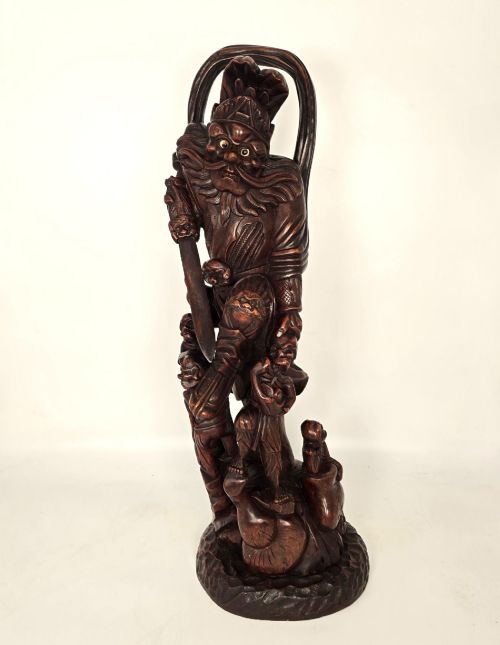
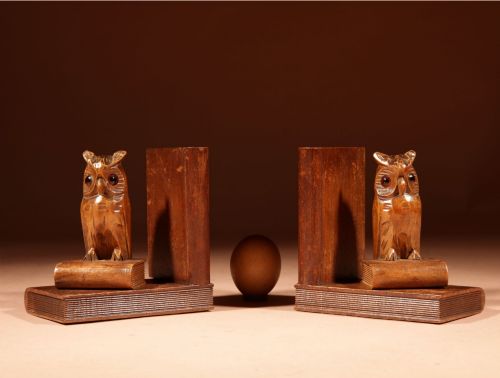
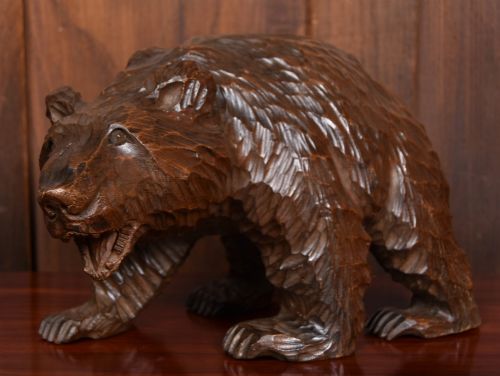
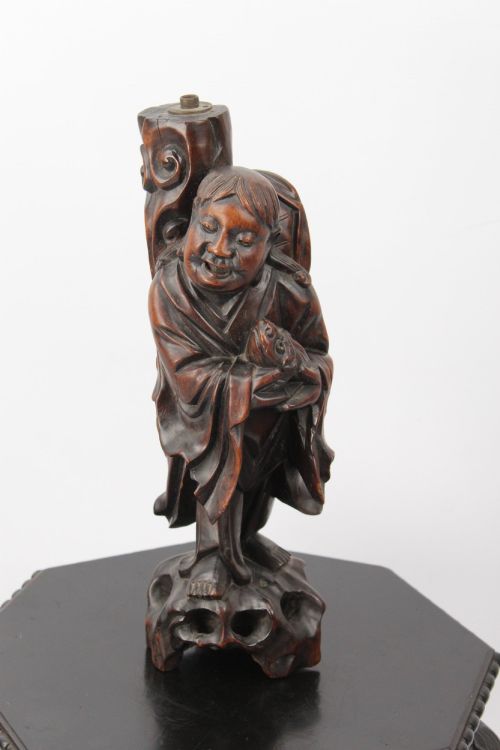
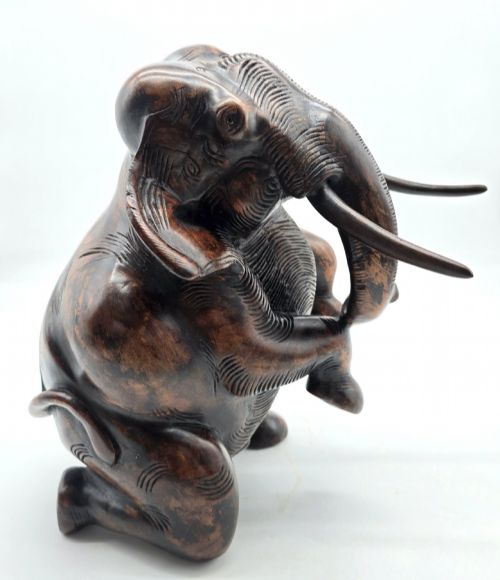
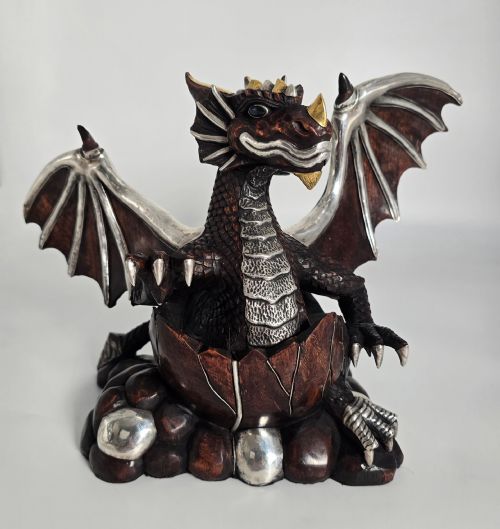
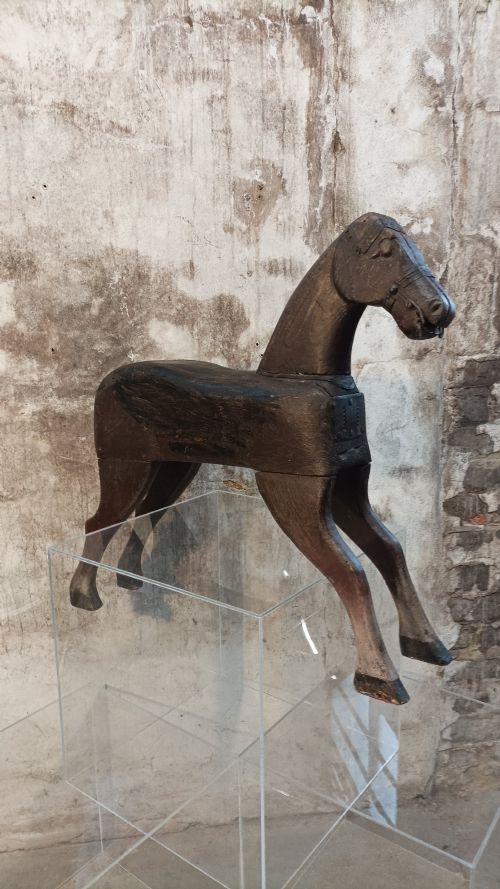
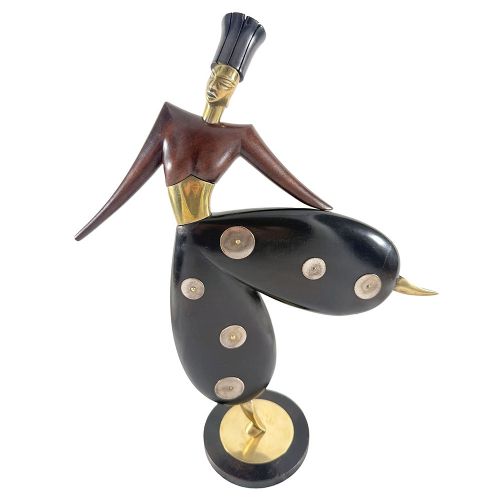
Dark Brown Wood Statue
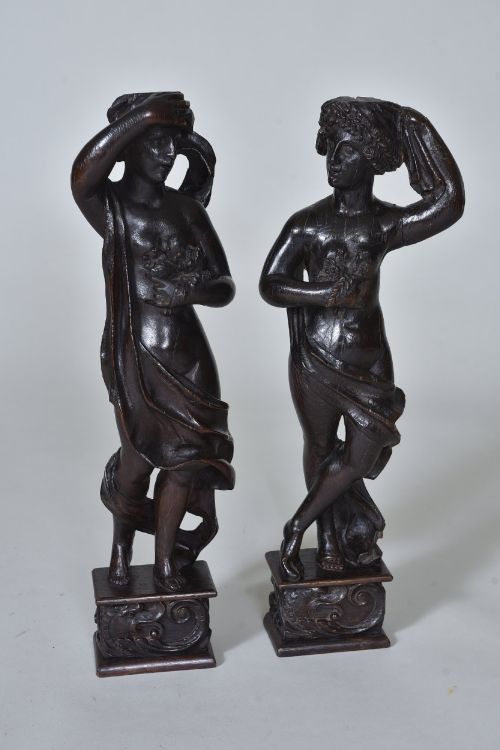
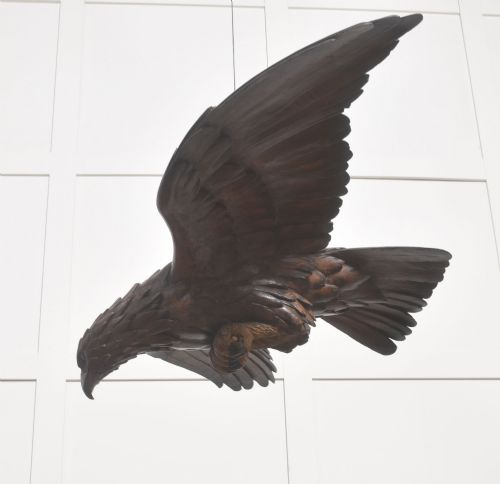
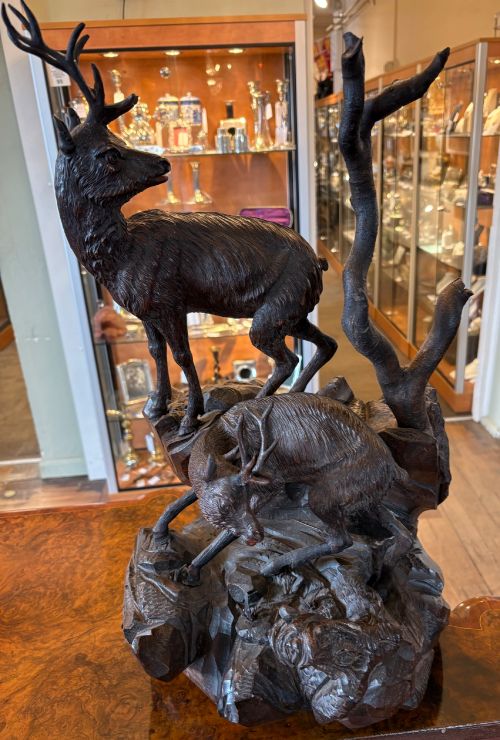
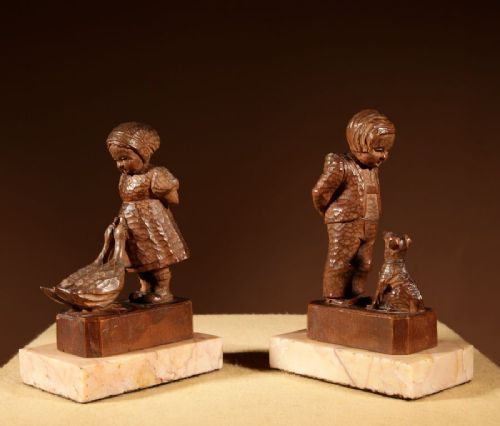
These dark brown wood statue pieces bring regional carving traditions and domestic animal figures into a room with genuine presence.
Dark Brown Wood Statue
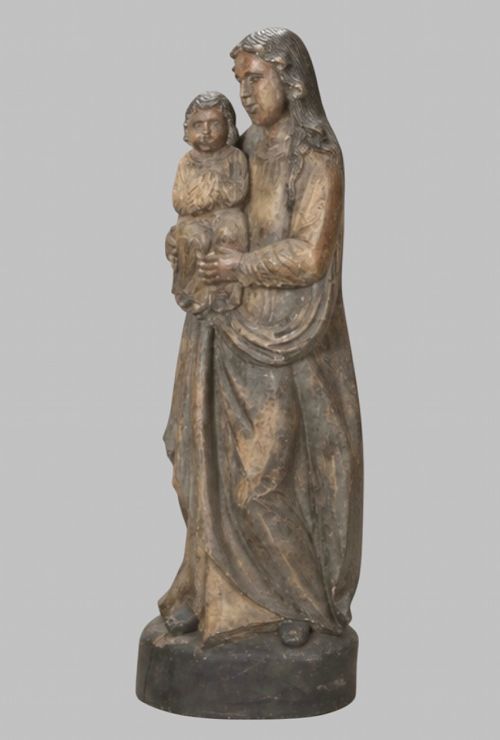
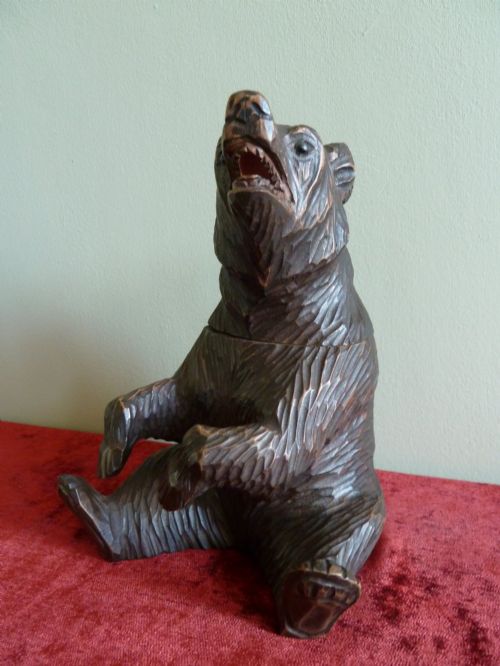
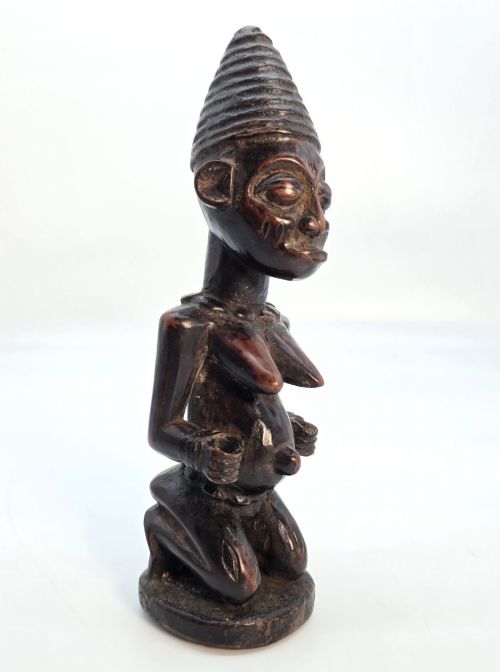
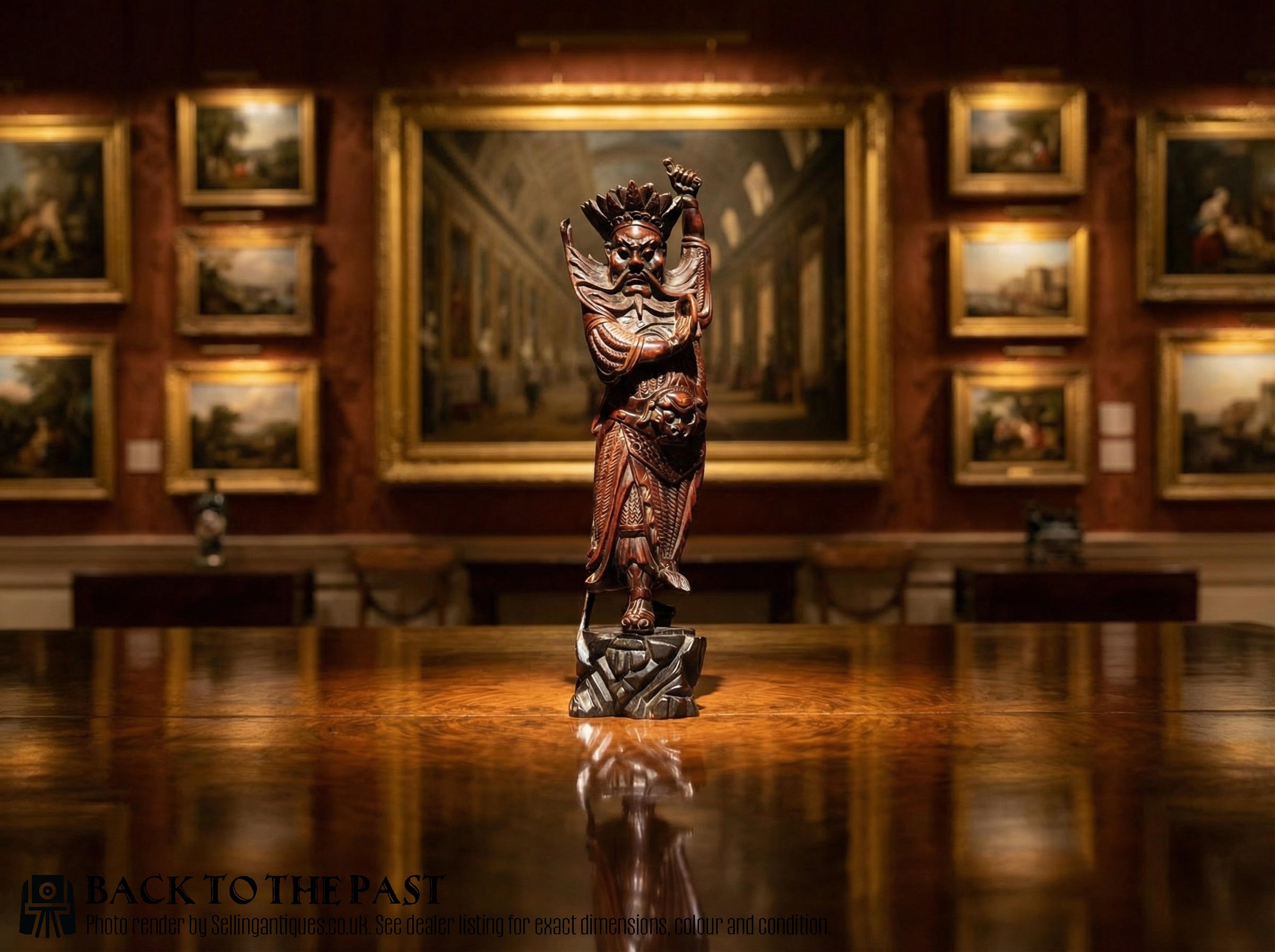
A dark brown wood statue selection gathers carved animal and human figures spanning European folk traditions, Asian workshops, and tribal artistry. You will encounter European Black Forest bears and owls alongside Chinese hardwood guardian figures and Japanese carved animals.
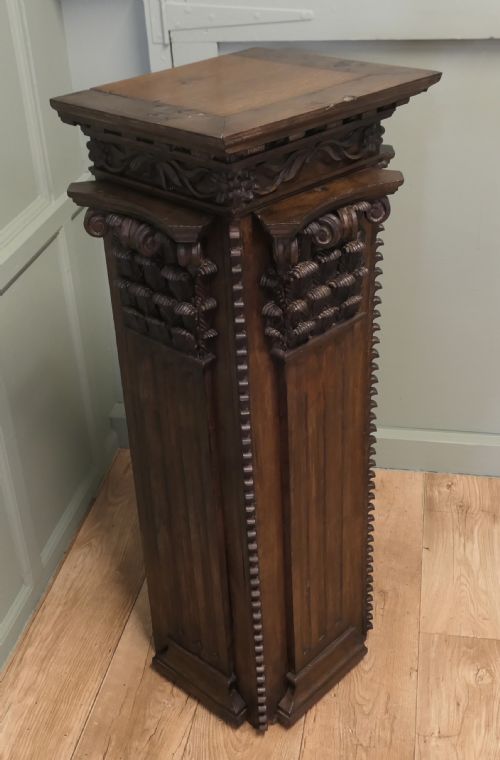
The objects take diverse sculptural forms, ranging from small devotional figures and bookends to monumental floor-standing sculptures. Many pieces serve functional roles as lamps, tobacco holders, or architectural pedestals.
Originating predominantly from the nineteenth and early twentieth centuries, these carvings reflect the distinct aesthetic priorities of their respective regional carvers. Oak, walnut, and dense tropical hardwoods provide the dark brown tones characteristic of the group.
Assessing sculptural quality
The fidelity of the anatomical modelling and the depth of the undercutting distinguish superior carvings from simpler decorative objects. Master carvers achieved expressive realism in animal subjects and nuanced drapery in human figures.
The integrity of the timber and the preservation of the original surface patina dictate the visual strength of a piece. Subtle tool marks left by the carver contribute to the authenticity and character of the object.
Geographic origins span European alpine workshops, Japanese folk art traditions, Chinese imperial styles, and African tribal communities.
Sier Kunst·Tomochika
The Dark Brown Wood Statue Glossary
- Black Forest
- A style of wood carving originating from the mountainous region of Central Europe, renowned for realistic animal studies and woodland subjects. These pieces typically utilise linden wood or walnut.
- Hardwood
- Timber derived from broad-leaved trees that offers dense grain and deep natural colouration. Such woods allow for crisp detail retention in figurative sculpture.
- Nata-Tsukuri
- A traditional Japanese hewn carving technique that leaves visible hatchet marks across the surface of the wood. This method creates a textural aesthetic distinct from smooth finishes.
- Lokapala
- A traditional Chinese Guardian King figure typically depicted in elaborate armour. These large hardwood sculptures often incorporate mixed metal mounts.
- Okimono
- A small Japanese decorative carving intended for display on a shelf or in a traditional alcove. Subjects range from deities to regional figures.
Dark Brown Wood Statue: Frequently Asked Questions
Where were Black Forest carvings made?
These carvings originated primarily in the Brienz region of Switzerland, where local woodworking industries flourished during the nineteenth century. Artisans produced domestic animals and forest wildlife to satisfy travellers visiting the area.
Workshops often specialised in specific creatures, producing bears, deer, and owls finished with dark stains and polished wax.
How do I identify Chinese hardwood figures?
Chinese figures from this category utilise dense tropical hardwoods that display a natural dark brown or near-black tone without artificial staining. The subjects frequently include deities, fishermen, and mythical guardians carved with deep relief.
Heavier weight and intricate undercutting serve as reliable indicators of these traditional Asian workshop pieces.
How do I care for wooden statues?
Maintain these sculptures in stable indoor environments away from direct sunlight and significant temperature fluctuations. Excessive heat can cause the timber to dry and split.
Apply a light application of neutral microcrystalline wax occasionally to protect the surface patina and clean accumulated dust using a soft dry brush.
What is a Kibori Kuma?
A Kibori Kuma is a traditional Japanese wooden carved bear originating from the Hokkaido region. These pieces often feature the animal holding a fish or displaying textured fur work.
Carvers utilised local timber varieties and distinct hatchet texturing methods to create these regional folk art objects.