




Carved Hardwood Immortal
A carved hardwood immortal captures the disciplined hand and deep symbolism of Qing Dynasty sculpture, bringing centuries of traditional Chinese artistry straight to your interior.
Carved Hardwood Immortal
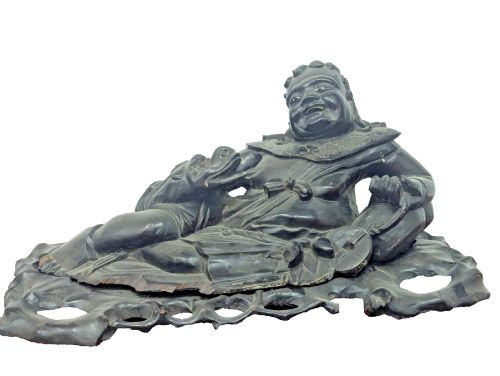
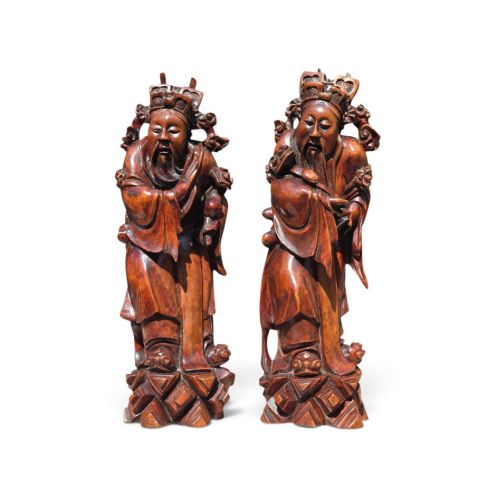
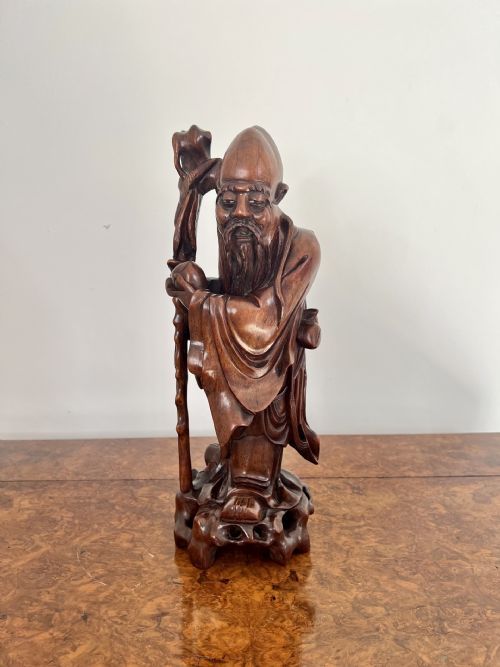
When you search for a carved hardwood immortal, you are examining sculptural representations of Daoist deities, wise figures and traditional symbols of longevity produced across the nineteenth century and into the early twentieth century. These pieces emerge from the rich traditions of Chinese carving, depicting revered personages such as Budai, Liu Hai and Shou Lao with characteristic detail.
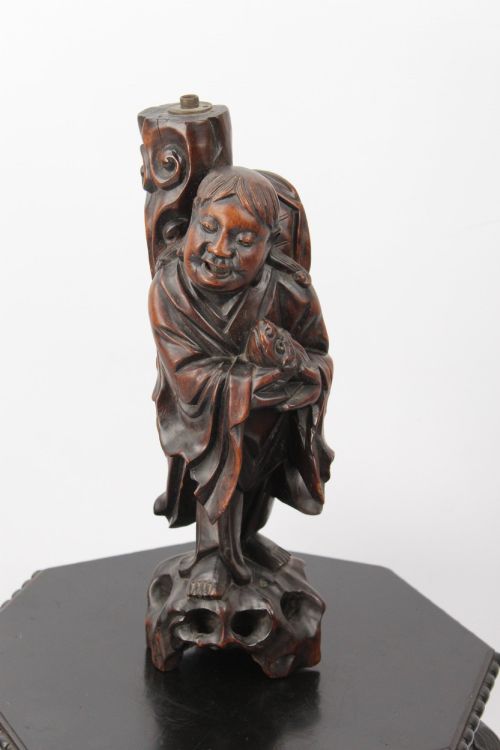
On this page, you are most likely to encounter standalone figures, monumental pairs and root wood interpretations that reflect the aesthetic of the Qing Dynasty. The selection ranges from imposing large statues to domestic table lamps and figural groups, all shaped from dense timbers by skilled hands.
How they were made
These sculptures rely on the careful selection of dense timbers, predominantly utilising carved hardwood, rosewood and root wood to achieve durable forms with deep natural grain. Artisans worked the stubborn material using traditional hand tools to define facial expressions, flowing robes and associated attributes such as mythical creatures or symbolic staffs.
Some examples incorporate subsidiary materials like wire inlay or brass elements to accent the primary timber structure. The joinery and surface finishing emphasise the organic qualities of the wood while maintaining the intricate silhouette of the immortal.
Carved Hardwood Immortal Retail Price Guide 2026
Typical asking prices for carved hardwood immortal among the pieces listed under this phrase on Sellingantiques today, from the lower quarter to the upper quarter. They describe what is for sale here now, not the wider market.
Several immortals come accompanied by mystical creatures or laughing companions who appear to share the secret of eternal life.
What varies in quality
Scale and proportion also define the upper tier of these pieces, particularly when found in matched pairs or monumental sizes that require substantial blocks of unblemished hardwood. The treatment of surface patination and the preservation of crisp edges further separate the finer sculptures from standard commercial output.
The Carved Hardwood Immortal Glossary
- Qing Dynasty
- The final imperial dynasty of China, lasting from 1644 until 1912, known for its refined decorative arts and scholarly taste.
- Root wood
- Timber formed from the root mass of a tree, valued in Chinese carving for its eccentric, natural contours that dictate the final sculptural shape.
- Budai
- A eccentric Chinese monk often depicted as a laughing, corpulent figure symbolizing contentment, abundance and good luck.
- Shou Lao
- The Daoist god of longevity, typically represented as an old man with a high forehead holding a peach and a staff.
- Daoist Immortal
- A mythical or historical personage in Chinese tradition who has achieved spiritual transcendence and physical immortality.
Carved Hardwood Immortal: Frequently Asked Questions
How were these sculptures used originally?
These figures served primarily as devotional objects, scholarly display items and symbols of auspicious fortune within traditional Chinese interiors.
Placed on desks or altars, they functioned as daily reminders of Daoist principles and served to invite health and prosperity into the household.
How do I care for a hardwood figure?
Maintaining a carved hardwood immortal requires stable environmental conditions away from direct sunlight and sudden humidity shifts to prevent timber splitting.
An occasional dusting with a dry, soft cloth is sufficient to preserve the surface without stripping the historic patina built up over decades.
How can I tell nineteenth century pieces apart?
Nineteenth-century carvings are distinguished by the depth of the timber work, hand-tool marks and the natural ageing of the rosewood or root wood grain.
Examining the weight, density and wear patterns on the base often helps separate nineteenth-century examples from later twentieth-century interpretations.