
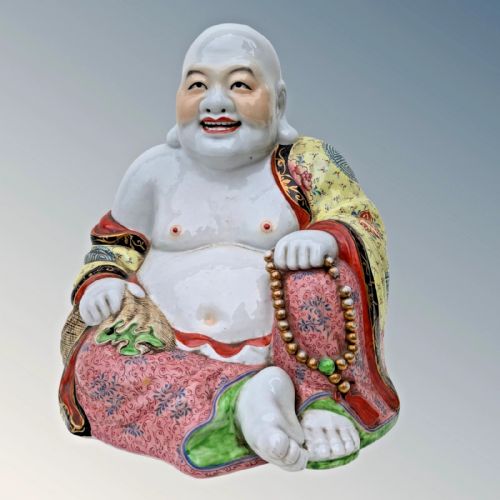


Antique Budai Figure
An antique budai figure brings the joyful presence of the laughing Buddha into a room, carved from rich hardwood or cast in heavy metal.
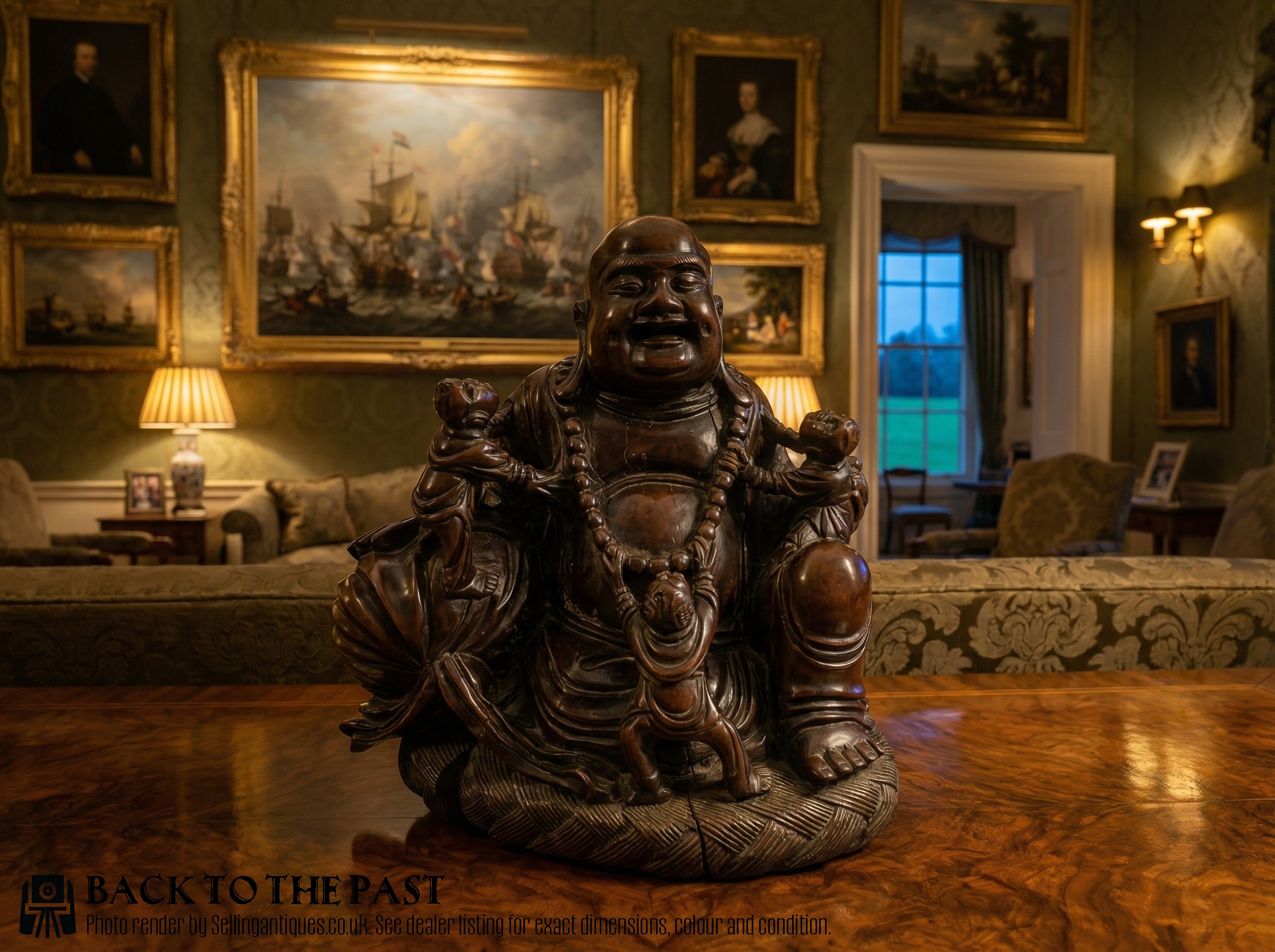
Antique Budai Figure
When searching for an antique budai figure, you encounter representations of the corpulent monk depicted with a characteristic large belly and open smile. These pieces appear predominantly in forms such as sculptures, statues, figurines, desk seals, and paperweights.
The versions most commonly met on this page span the nineteenth century through the early twentieth century, originating from Chinese traditions including the Qing Dynasty and the Republic Period.
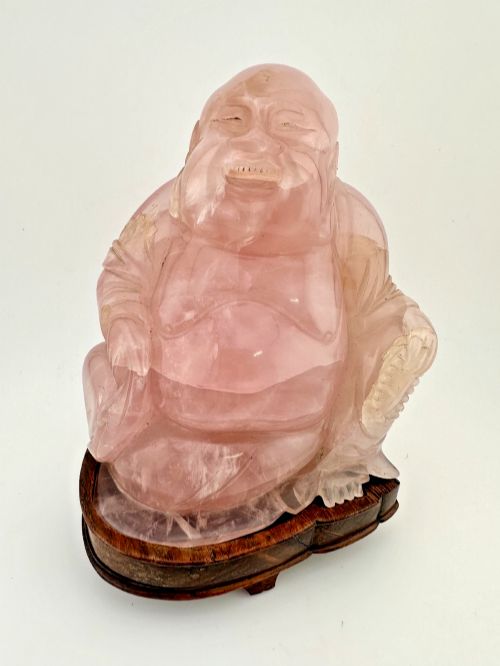
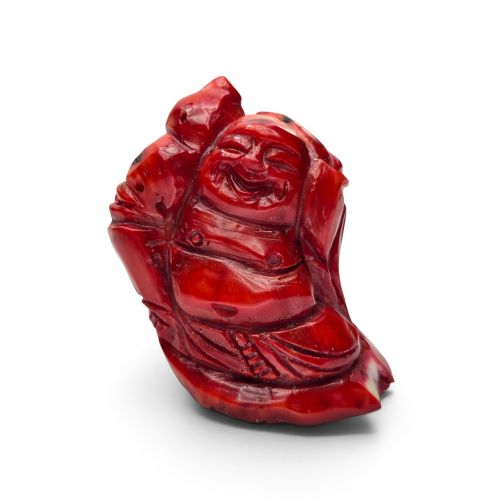
Makers and sculptors utilised a variety of traditional media to render this jovial deity, ranging from carved hardwood and precious red coral to porcelain, bronze, brass, and rose quartz.
Materials and construction methods
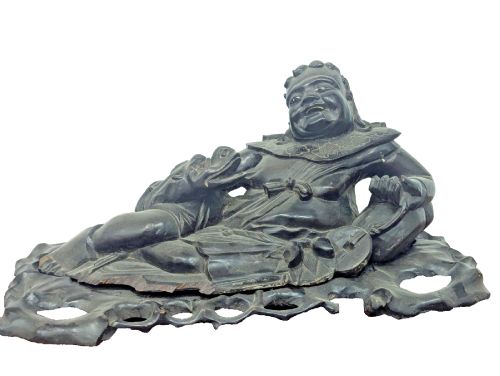
Hardwood examples involve meticulous hand carving, often displaying a deep patina developed over decades from handling and age. Bamboo also provides a medium for chunky, detailed Oriental deity figures shaped with hand tools.
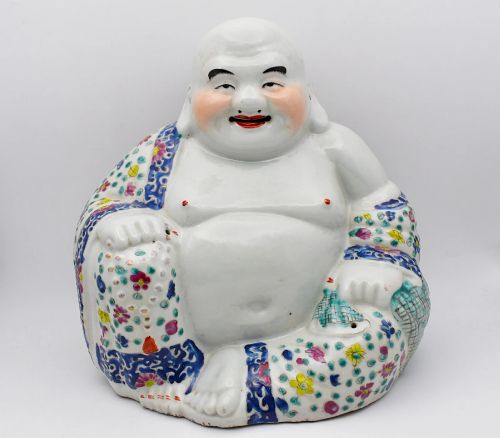
Cast metal pieces utilise bronze or brass, sometimes finished with gold tones, requiring skilled founding techniques to achieve small scroll weights and statues. Porcelain figures employ traditional ceramic methods, decorated with famille rose enamel palettes.
Precious materials like rose quartz and red coral demand careful abrasive shaping and polishing to follow the natural contours of the mineral while maintaining figural definition.
An amusing reclining figure of a corpulent Buddha rests comfortably among the listings, proving the monk enjoyed taking things easy.
Standards of craftsmanship
The distinction between ordinary and superior pieces rests entirely upon the animation of the carving and the depth of the expression. A finer antique budai figure captures the vitality of the laughing belly and the relaxed posture with persuasive anatomy.
Material selection dictates the upper tier of the range, where flawless rose quartz, dense carved hardwood, or rich red coral supersede simpler cast metal or basic soapstone. Surface finish, such as a deep natural patina on wood or precise enamel work on porcelain, further elevates the work.
Zhu Mao Ji
The Antique Budai Figure Glossary
- Budai
- A historical Chinese monk traditionally portrayed as a jolly, corpulent figure symbolising contentment and good fortune. He is frequently identified with the laughing Buddha.
- Patina
- The surface sheen and darkening acquired by materials like hardwood and bronze through natural ageing and handling. It indicates genuine age and use.
- Famille Rose
- A palette of opaque rose-pink enamel colours introduced to Chinese porcelain during the Qing Dynasty. It allows for soft gradations in decorative figure painting.
- Desk Seal
- A carved object featuring a figural top and a flat base intended for stamping ink. Soapstone and hardwood frequently serve this dual decorative and functional purpose.
- Republic Period
- The era in Chinese history following the Qing Dynasty, spanning from 1912 onwards. Pieces from this transition maintain traditional motifs while showing distinct twentieth-century styling.
Antique Budai Figure: Frequently Asked Questions
What is an antique budai figure?
An antique budai figure is a sculptural representation of the laughing monk, traditionally carved, cast, or modelled in materials like hardwood, porcelain, and bronze.
These pieces reflect Chinese artistic traditions from the nineteenth and early twentieth centuries, serving as decorative sculptures, desk seals, or paperweights.
How do I care for a hardwood figure?
Hardwood and carved wooden sculptures require a stable environment away from direct sunlight and sudden humidity changes to prevent timber splitting.
Dust the surface gently with a dry, soft cloth and avoid applying modern chemical polishes that can harm the historic patina.
How are porcelain figures decorated?
Porcelain versions utilise traditional enamel techniques, such as the famille rose palette, applied by hand over the glaze before firing.
This method produces durable polychrome surfaces that retain their colour across decades of display.
What materials were commonly used?
The pieces recorded in these materials span organic substances like hardwood, bamboo, and red coral alongside minerals including rose quartz, soapstone, and porcelain.
Metalworkers also utilised bronze and brass to cast small statues and scroll weights.