
Chinese Oriental Carving
Chinese oriental carving encompasses hand-worked sculptures and decorative furnishings crafted from jade, bronze, hardwood, and soapstone.
Chinese Oriental Carving
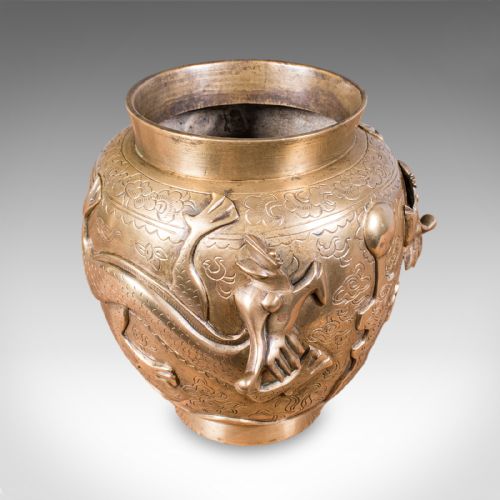
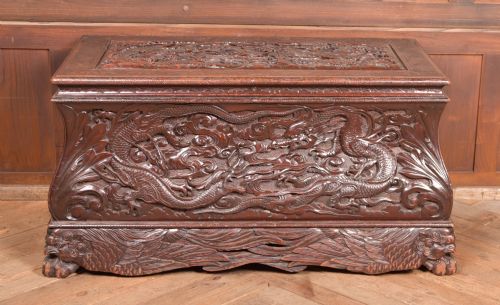
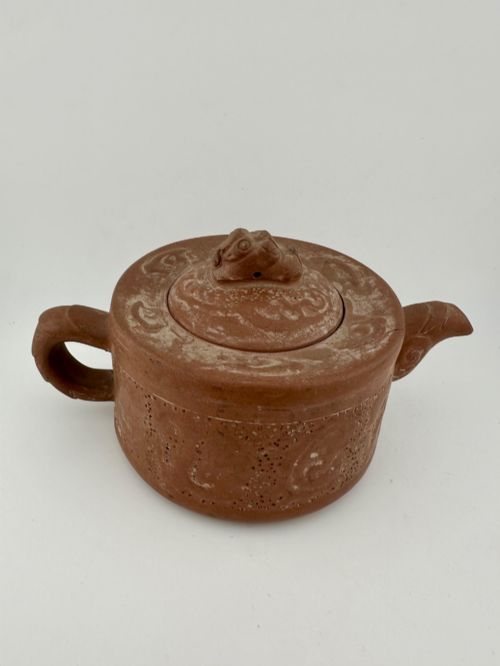
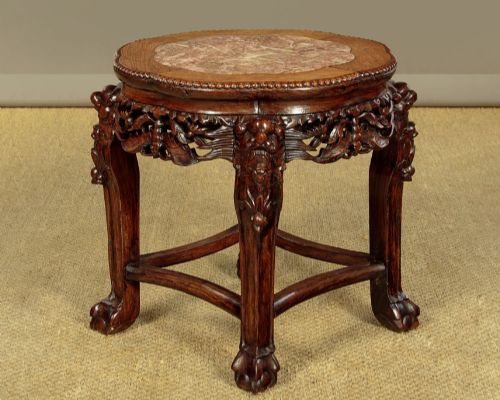
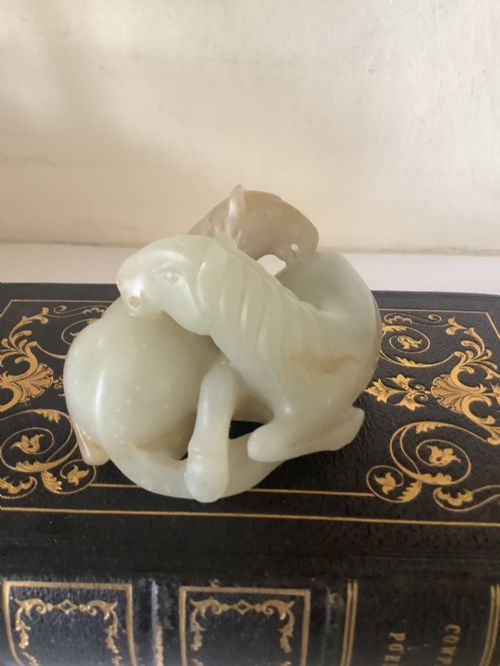
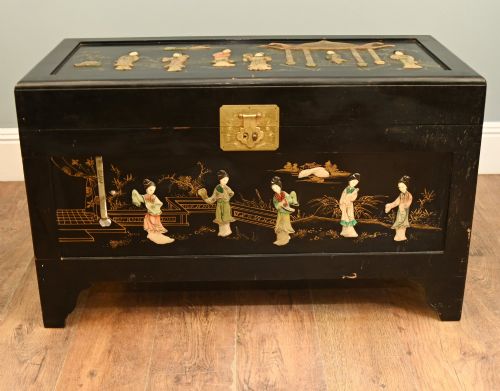
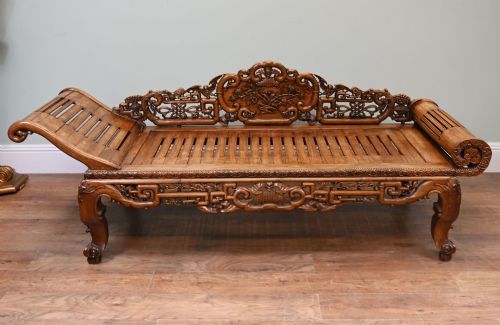
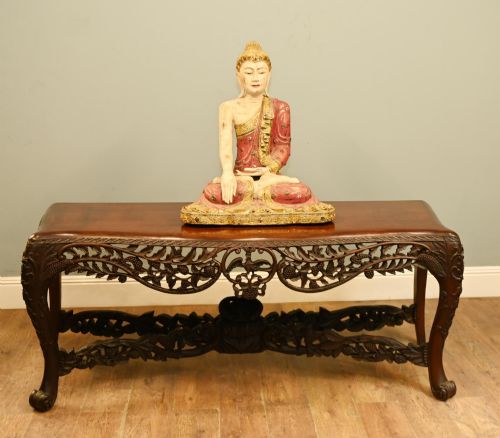
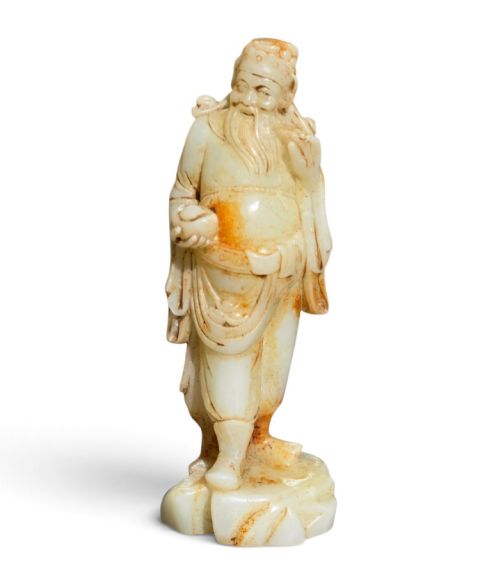
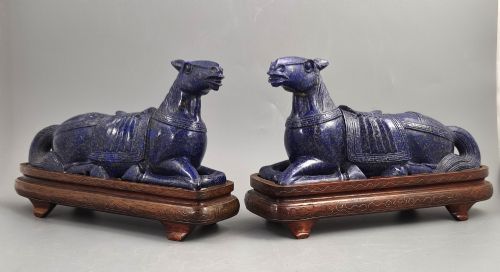
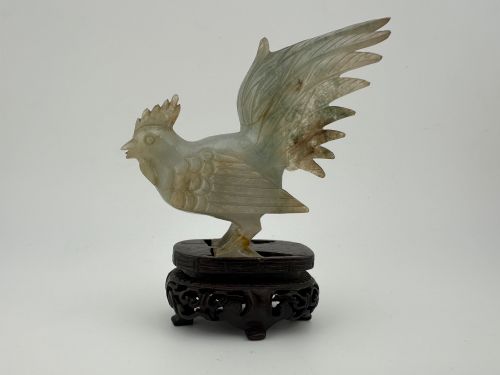
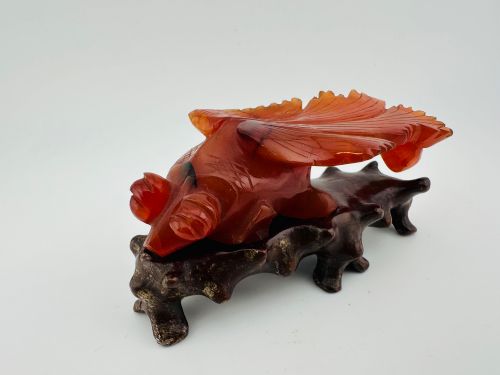
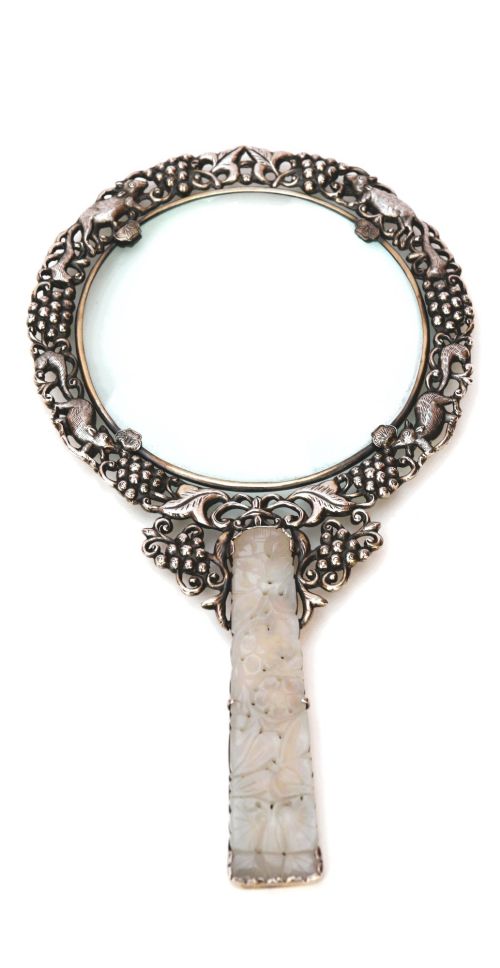
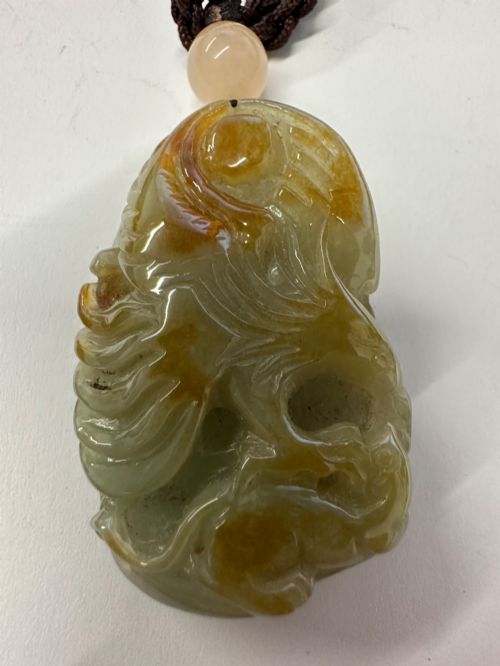
Chinese oriental carving covers a diverse range of objects, spanning intricate scholar's items, figurative sculptures, and substantial furniture pieces. The selections on this page predominantly include 19th-century hardwood low tables, bronze censers, and carved figures rendered in jade, soapstone, and coral. These works reflect traditional craftsmanship spanning the Ming and Qing dynasties through to the early 20th century.
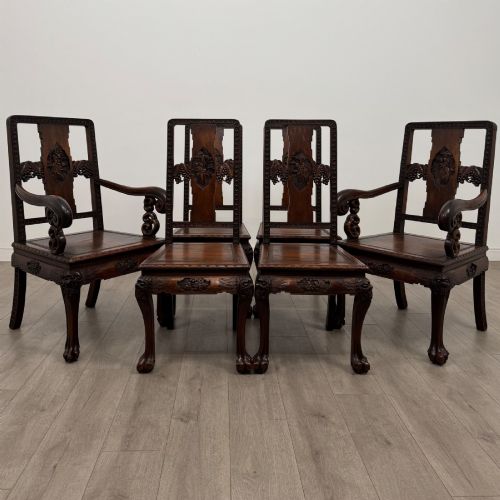
The material forms vary widely, running from monumental guardian king sculptures in hardwood to delicate jade water bird carvings and bamboo bird cages. Buyers encounter functional items such as opium tables, armchairs, and plant stands alongside purely decorative ritual vessels and animal carvings. Each piece displays the distinct stylistic conventions associated with Chinese export and traditional domestic production.
How they were made
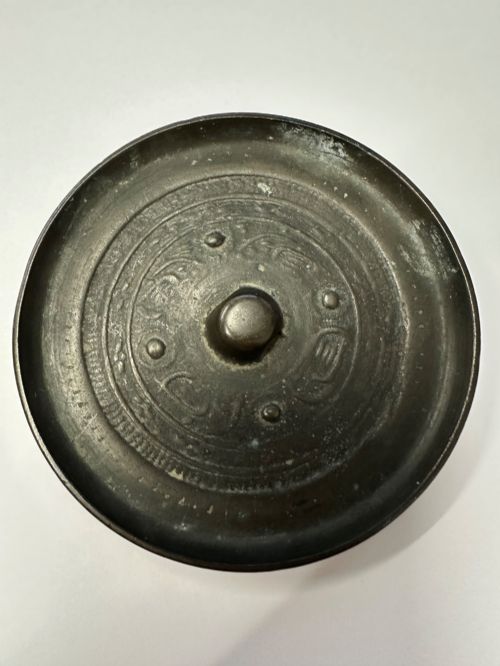
Makers utilised dense timbers such as rosewood, padouk, elm, and hardwood for furniture and stands, often employing traditional joinery alongside intricate relief carving. Metalwork items relied on bronze, brass, and copper alloys, shaped through casting and detailed hand-chasing to form ritual vessels and scholar's seals.
Carving in hardstones like jade, rose quartz, and soapstone demanded extensive abrasive cutting and polishing techniques to achieve smooth contours and fine surface detail. Organic materials such as bamboo, water buffalo horn, and red coral were similarly shaped to exploit their natural grain and coloration.
One bamboo bird cage survives entirely intact, proving that delicate things sometimes outlast stone.
What varies in quality
The distinction between standard and superior examples rests upon the crispness of the hand-carved detail and the selection of raw materials. Fine pieces display deep, undercut relief work and careful anatomical proportions on figurative subjects, whereas lesser items rely on shallow surface incisions.
Material grade dictates overall execution, with unblemished jade, rich rosewood grain, and finely cast bronze elevating the status of a vessel or sculpture. Custom stands, integrated mother-of-pearl inlay, and well-preserved original finishes further separate standard utilitarian objects from high-status items.
The Chinese Oriental Carving Glossary
- Celadon
- A pale green jade or ceramic glaze imitating the colour of jade. It has been prized in Chinese art for centuries.
- Censer
- A vessel used for burning incense during ritual or domestic practices. Bronze examples often feature tripod supports and animal finials.
- Qilin
- A mythical hooved Chinese creature that brings good omen. It frequently appears as a decorative finial on bronzes.
- Shishi
- A traditional guardian lion sculpture, often referred to as a dog of fo. These figures sit in pairs to protect entrances and sacred spaces.
- Libation cup
- A ritual cup historically used for pouring wine offerings. Carved horn and jade examples display minute narrative scenes.
- Archaistic
- A style that deliberately emulates the forms and decorative motifs of ancient dynasties. It frequently appears on later bronzes and jades.
Chinese Oriental Carving: Frequently Asked Questions
How do I date an antique Chinese carving?
Dating relies on stylistic markers, material degradation, and tool marks left during production. Qing Dynasty pieces often display distinct dynastic motifs and refined patination on hardwoods and bronzes.
Earlier Ming examples exhibit heavier casting methods or simpler, more archaic forms. Comparing the specific carving technique to documented pieces helps confirm the period.
Where should I place a carved hardwood table?
These low tables, opium tables, and plant stands function well as central coffee tables or accent surfaces in living spaces. Their rich rosewood and padouk tones complement both traditional and modern interiors.
Position them away from direct sunlight and strong heat sources to protect the polished wood finish.
What is a scholar's seal?
A scholar's seal is a carved stone, bronze, or jade stamp used by literati to sign or mark documents and paintings. They usually feature carved animal finials such as lions or mythical beasts.
In historical use, they were paired with cinnabar paste for stamping calligraphy.
How should I clean a jade carving?
Clean jade and hardstone carvings gently using a soft, dry cloth to remove surface dust. Avoid harsh chemical cleaners or abrasive pads that might scratch the polished surface.
For intricate areas, a soft natural-bristle brush clears dust from deep relief cuts without harming the stone.