


Chinese Wooden Statue
A chinese wooden statue brings centuries of master carvers' craft into a room, offering tangible pieces of traditional history and folklore.
Chinese Wooden Statue
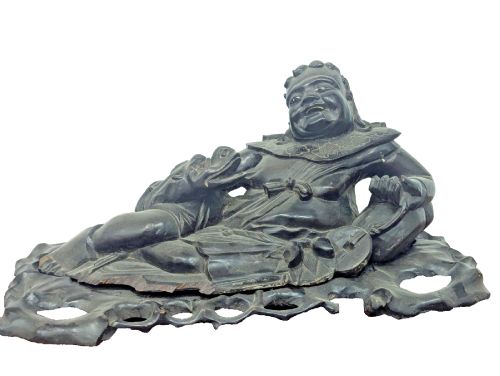
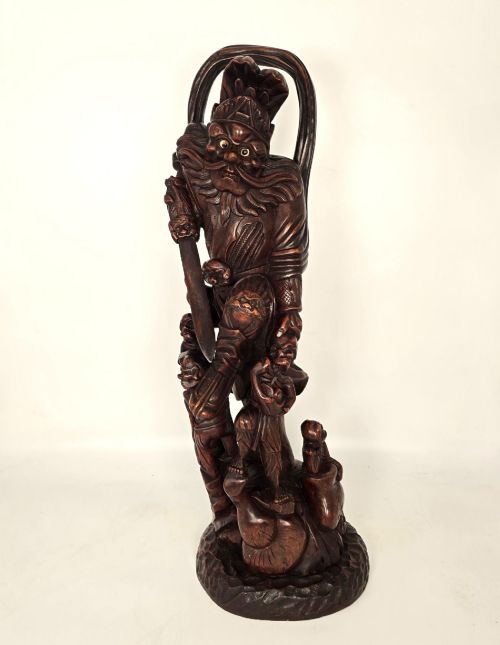
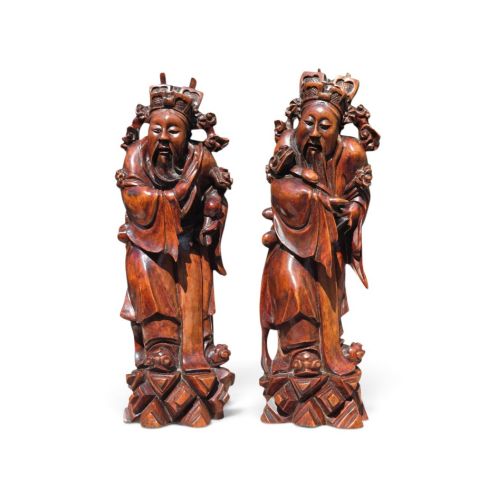
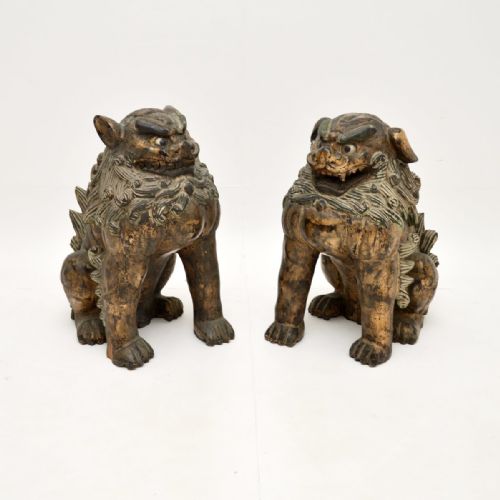
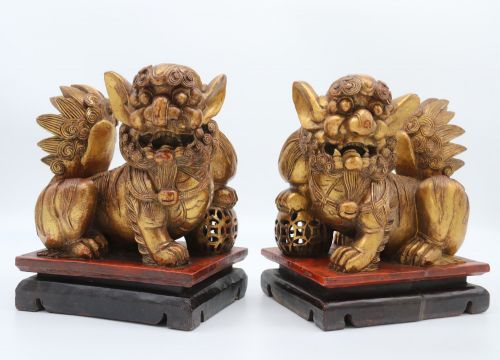
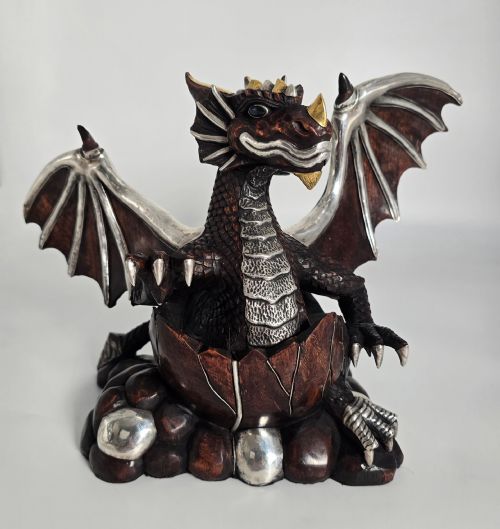
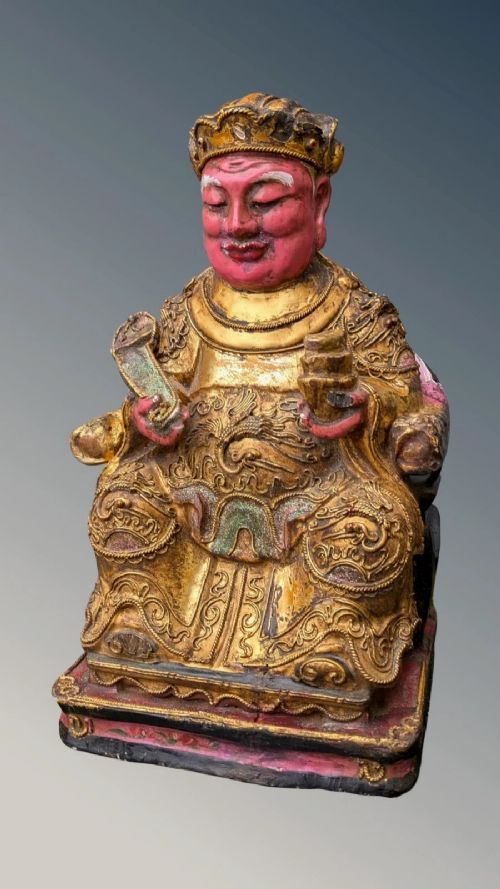
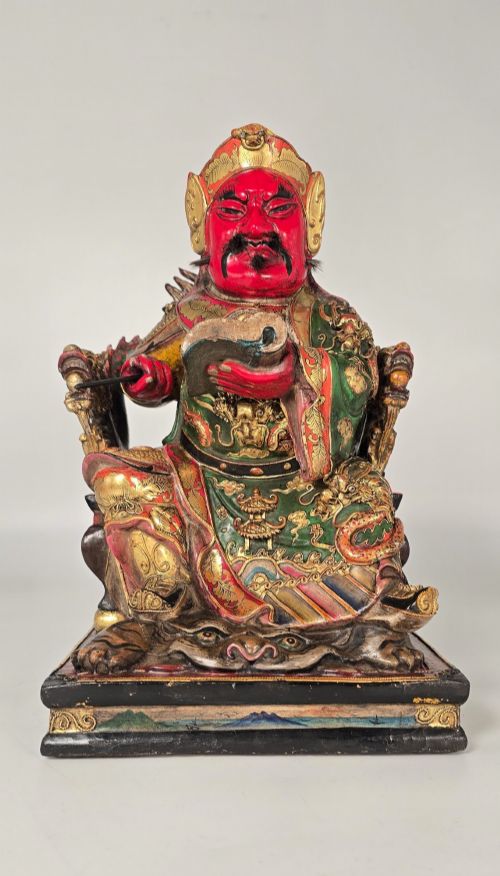
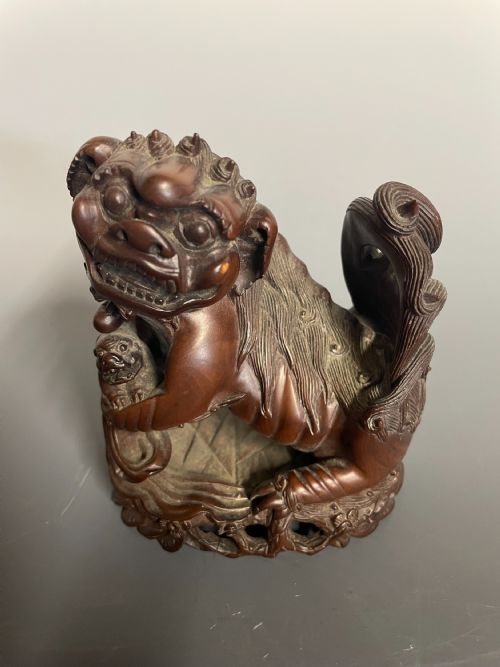
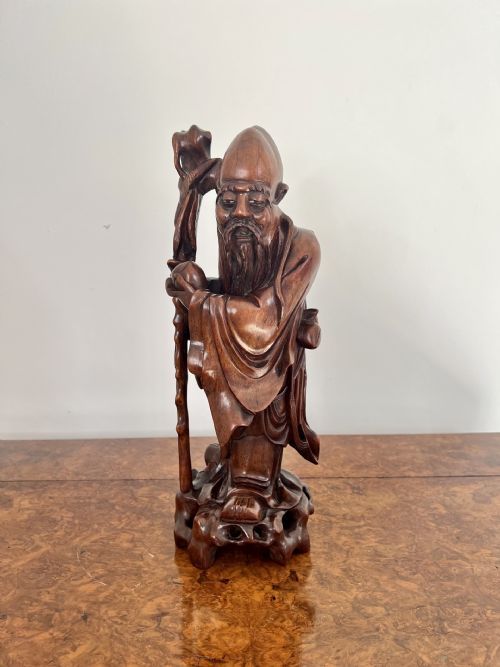
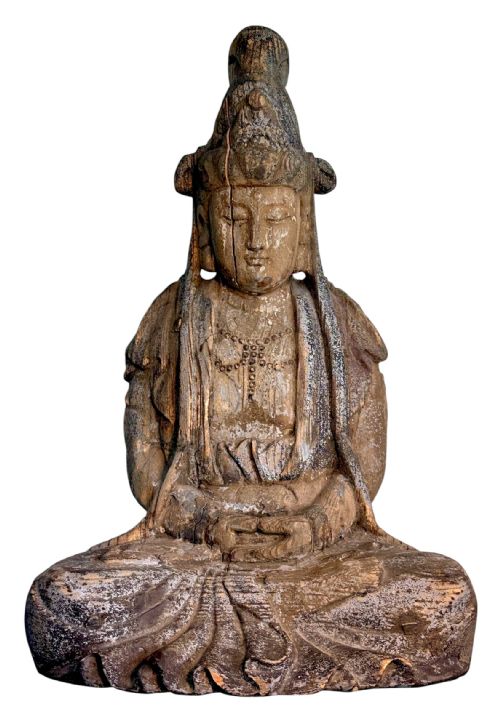
A chinese wooden statue encompasses carved sculptures, figures, and temple guardians originating from various periods including the Qing Dynasty and the late 19th century. Buyers encounter depictions of Daoist immortals, Buddhist deities, scholars, and mythical animals such as Foo dogs and dragons.
The selections on this page heavily feature dense hardwoods alongside organic root wood configurations. Forms range from monumental temple figures and matched pairs to intimate daily life carvings and medicine figures.
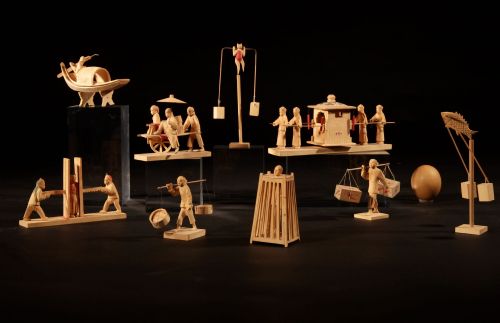
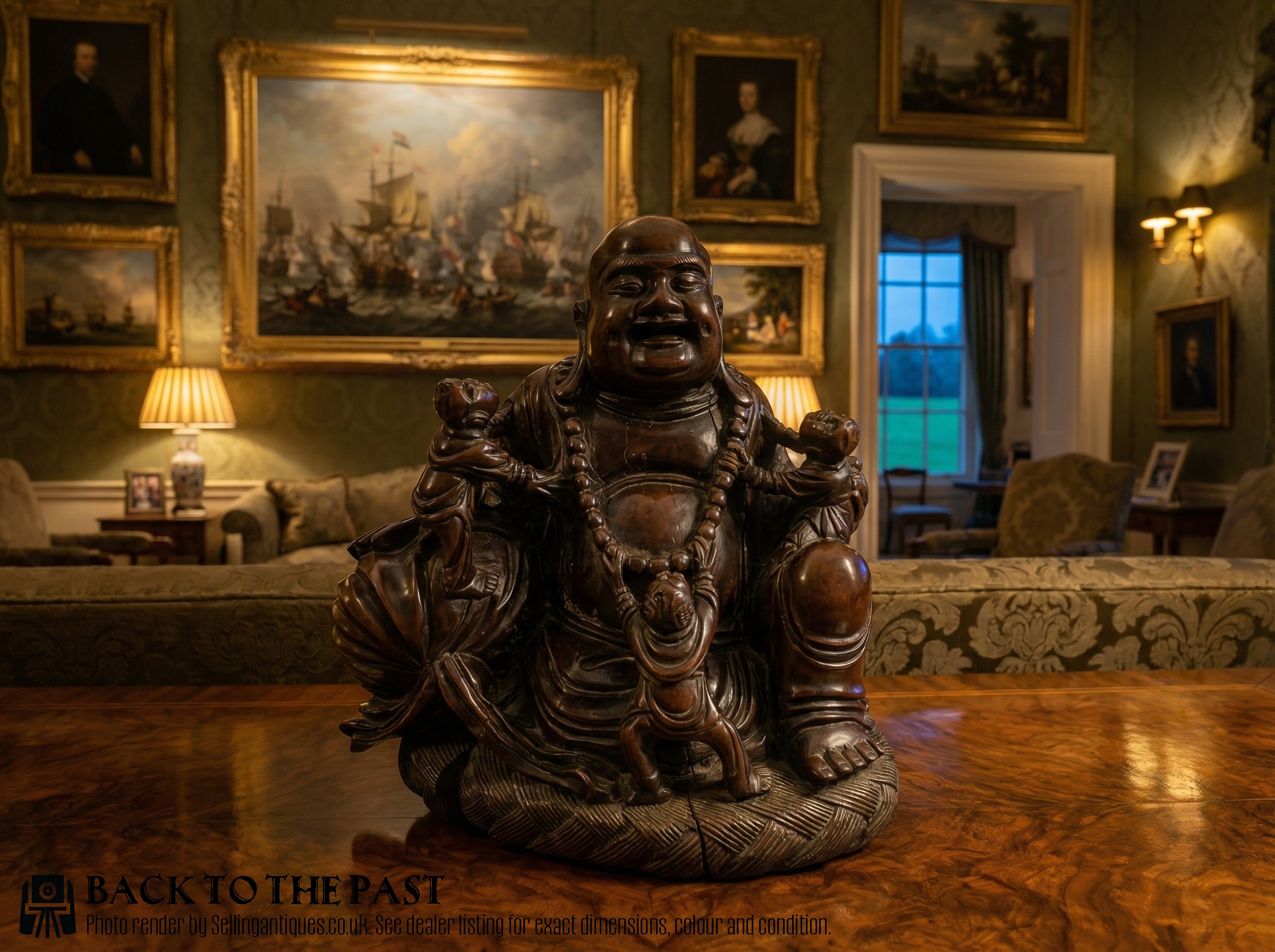
Many of these wooden objects arrive with specific cultural context, reflecting traditional Chinese folk art and spiritual practices. Figures like Budai, Guanyin, and civil officials dominate the available sculptural forms.
How they were made
Carvers utilised native hardwoods, boxwood, and gnarled root wood to follow the natural contours of the material. Artisans often integrated mixed metal mounts, silver inlay, and complex joinery into the heavier timber blocks.
Surfaces frequently received layers of gold leaf, lacquer, and polychrome paint. Hand painting completed the detailed garments and facial expressions of deities and scholars.
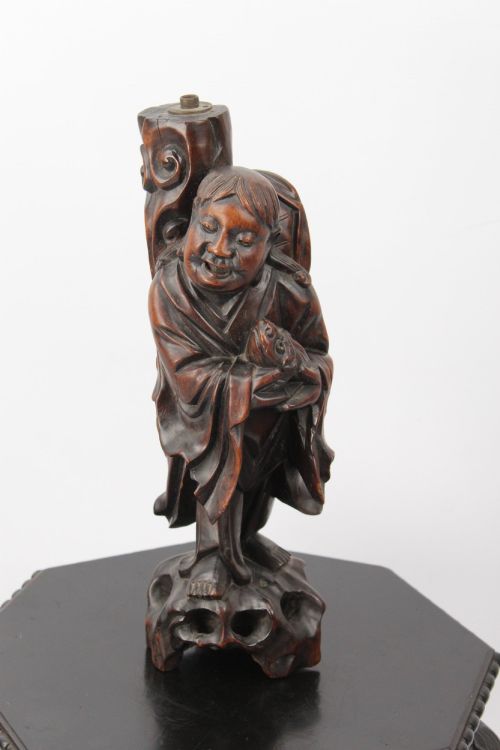
Sculptors employed high relief techniques to achieve depth, particularly on temple guardians and ritual figures. Root wood pieces relied on the organic growth of the burl to shape figures like fishermen and scholars.
Sculptors occasionally turned stubborn gnarled tree roots directly into smiling fishermen carrying children on their shoulders.
What varies in quality
The precision and depth of the hand carving separate simpler folk pieces from monumental temple works. Anatomical accuracy in human figures and expressive detailing in mythical beasts indicate higher workshop standards.
The preservation of original surface treatments such as lacquer, polychrome paint, and gold leaf influences the integrity of a piece. Traces of ancient gilding and undisturbed patination on aged hardwood demonstrate superior historical survival.
The Chinese Wooden Statue Glossary
- Hardwood
- Dense, slow-growth timber utilised for durable and detailed carving. It resists warping and takes a fine dark polish.
- Root wood
- Timber sourced from the root burls of trees, featuring gnarled, twisted grains. Carvers shape figures by following these organic formations.
- Foo Dog
- A traditional guardian lion sculpture placed to protect sacred spaces. These mythical beasts display fierce expressions and stylized manes.
- Qing Dynasty
- The final imperial dynasty of China, lasting from 1644 until 1912. Many surviving decorative wooden sculptures date from its later decades.
Chinese Wooden Statue: Frequently Asked Questions
What subjects do these statues represent?
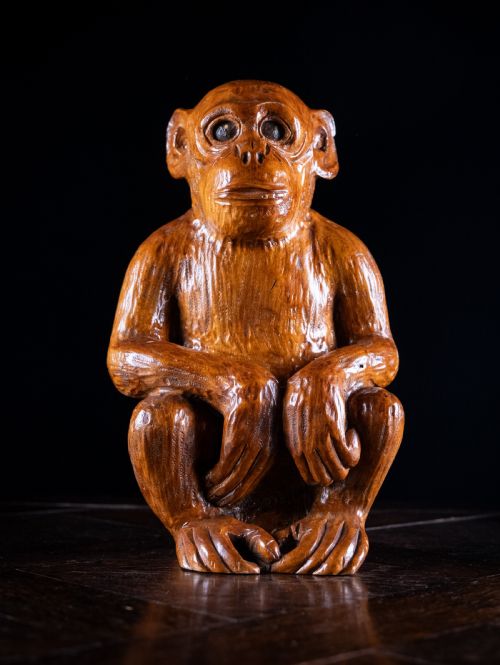
The carvings typically depict Daoist immortals, Buddhist deities, historic scholars, and temple guardians. Animals also appear frequently, including water buffaloes, elephants, and Foo dogs.
Many figures draw directly from Chinese folk art and traditional mythology. Common subjects include Guanyin, Budai, and civil officials.
How do I care for antique wood?
Keep wooden sculptures away from direct sunlight and sudden temperature changes to prevent splitting. Dust gently with a dry, soft cloth without using liquid polishes.
Stable indoor humidity preserves the integrity of old lacquer, gold leaf, and polychrome paint. Avoid placing pieces near active heat sources.
How can I tell the age of a wooden carving?
Examine the wood for natural shrinkage, oxidation, and historical patina accumulated over centuries. Tool marks and construction methods often point toward specific dynastic periods.
Surface finishes like degraded lacquer and worn polychrome paint also provide clues to age. Compare the style with documented temple figures and dated examples.
Where were these statues originally placed?
Many larger sculptures served as temple guardians or ritual objects in sacred spaces. Others functioned as scholarly desk items or protective figures within wealthy homes.
Figures of immortals and deities often held positions of reverence in domestic shrines. Medicine figures were utilised by traditional physicians to indicate ailments.