
Qing Dynasty Tables
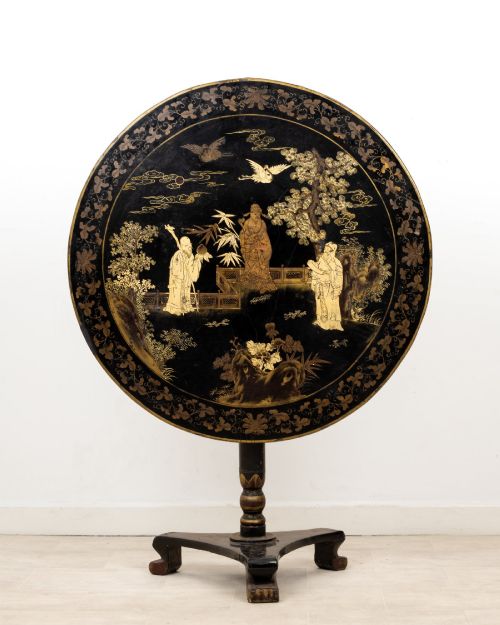
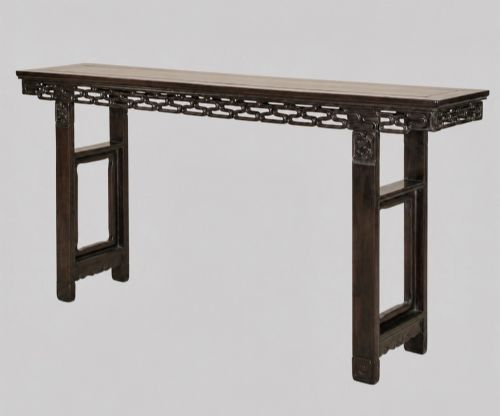
These qing dynasty tables are dense hardwood furnishings from late imperial China, sought after for their modular utility and intricate carving.
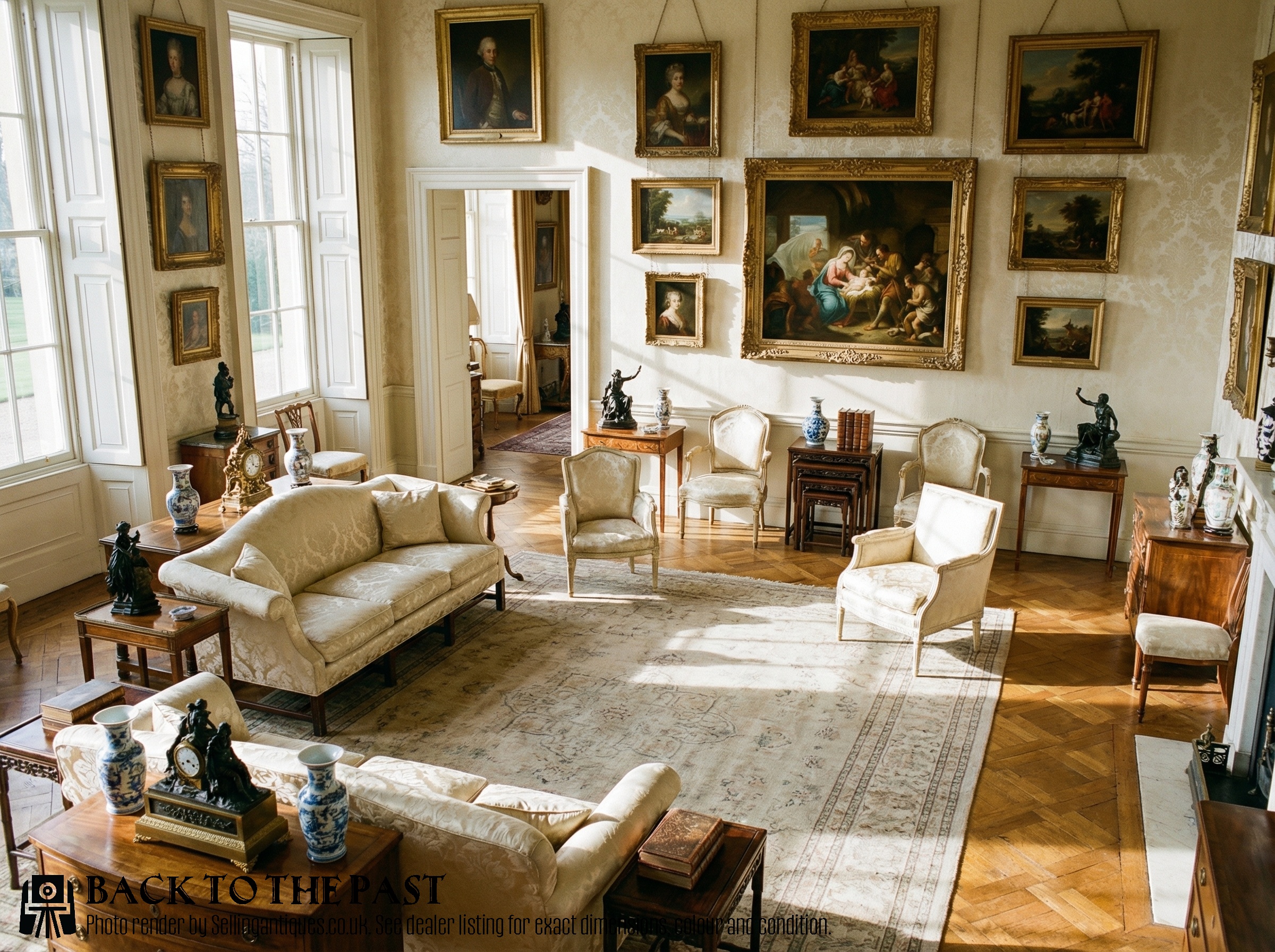
Form and Period
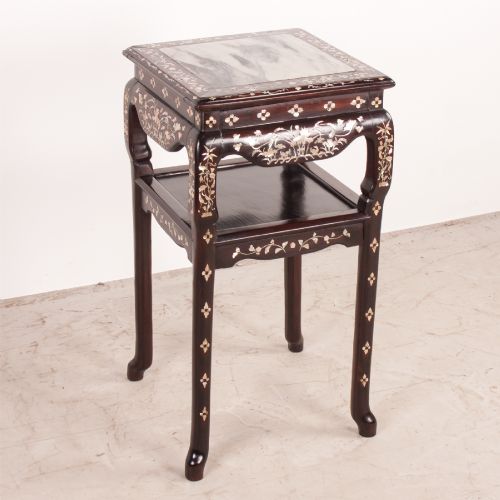
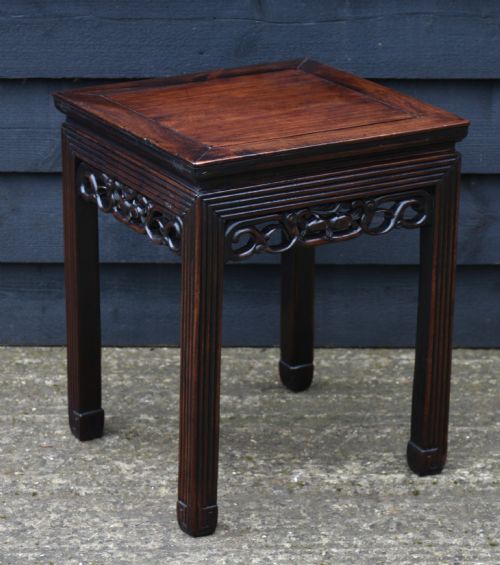
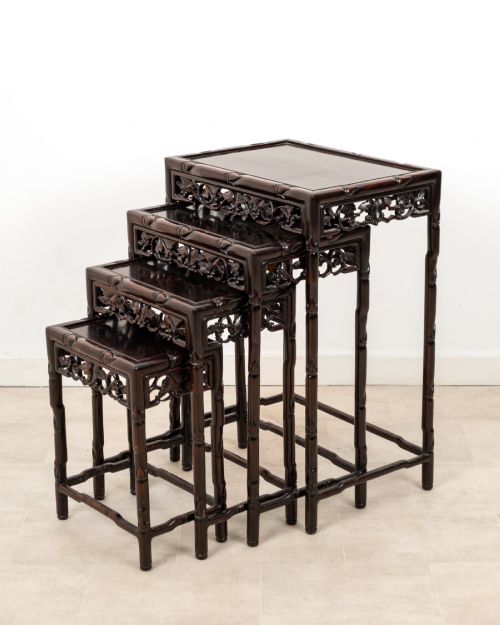
Buyers frequently encounter nesting configurations, known as quartetto sets, alongside pairs of low stands and end tables. These items serve multiple functions, acting as surfaces for porcelain, jardiniere displays, or occasional use.

Materials and Construction
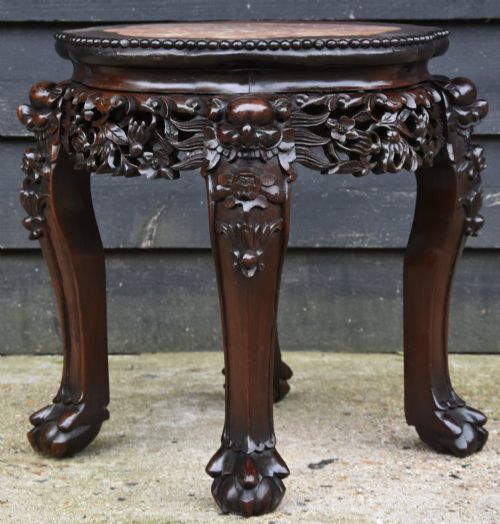
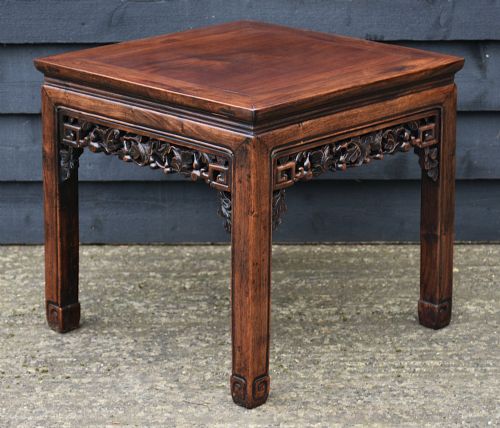
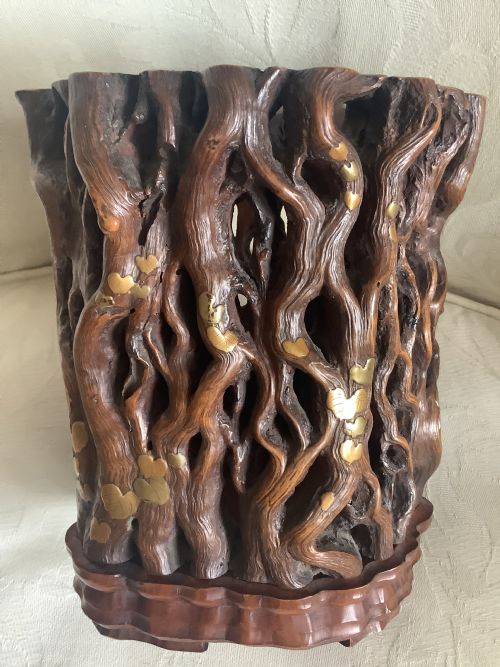
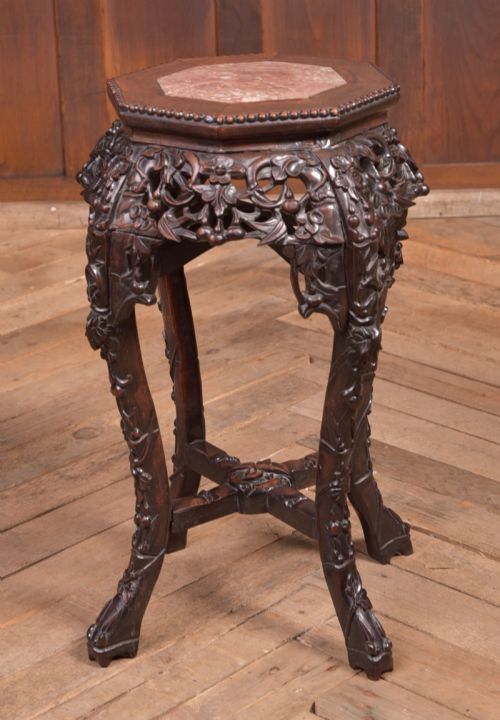
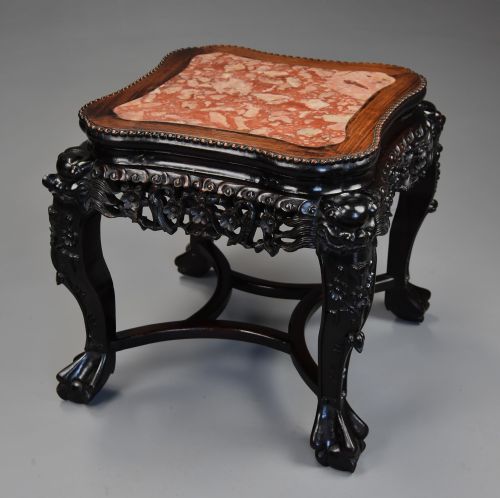
Craftsmen utilised dense timbers such as rosewood, hongmu, and huali hardwood, often combined with inset panels of marble or porcelain. These heavy woods provided the structural integrity required for intricate relief carving without sacrificing durability.
The construction relies on traditional joinery methods that allow the dense components to fit tightly together. Surface treatments highlight the natural grain of the hardwood while framing decorative stone and ceramic inserts.
Retail Price Guide 2026
Typical UK retail prices for qing dynasty tables, calculated from the Sellingantiques database of over a million retail prices indexed since 2003. This retail price guide relies exclusively on Sellingantiques data; no external sources or auction records are used, so the figures do not describe the wider market.
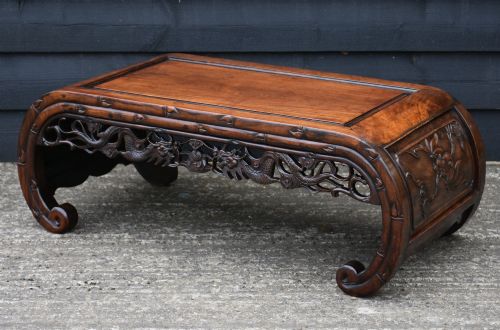
Some diminutive stands were built low enough to sit upon heated brick beds.
Distinctions in Execution
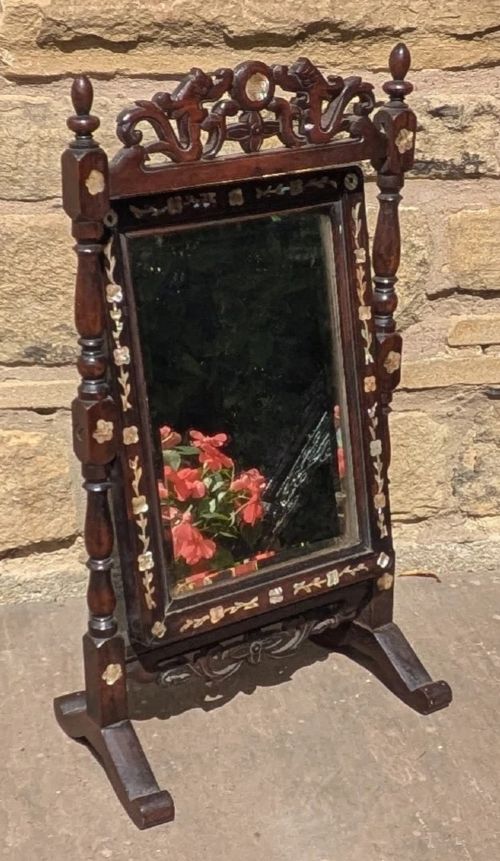
Quality separates through the depth and clarity of the carved decoration on the hardwood frames. Superior pieces display crisp, deep relief work where motifs remain sharp and well-defined across all surfaces.
The selection of secondary materials further dictates the tier of the piece. Fine examples incorporate unblemished marble tops or intact porcelain panels that complement the dense grain of the surrounding hongmu or rosewood structure.

The Qing Dynasty Tables Glossary
- Hongmu
- A dense, heavy tropical hardwood prized in Chinese furniture making for its deep reddish-brown tone and durability. It provides a stable base for intricate hand-carved relief work.
- Quartetto
- A matched set of four graduating tables designed to slide neatly beneath one another. This space-saving form became particularly popular in late nineteenth-century production.
- Jardiniere stand
- A tall or low occasional table specifically built to support heavy plant pots or floral displays. They frequently feature inset marble or porcelain panels to protect the wood from moisture.
- Huali hardwood
- A highly valued fragrant hardwood from the rosewood family utilised in traditional Chinese cabinet-making. Its rich grain patterns lend a distinct visual texture to tables from this period.
Frequently Asked Questions
How do I use a nest of tables?
Nesting sets slide out to provide multiple surfaces when entertaining guests and stack compactly when floor space is required.
They function well as individual end tables or coordinated display stands arranged around a room.
What is a kang table?
Kang tables are low-profile furnishings originally designed for use on heated brick platforms in traditional northern Chinese homes.
Today they serve effectively as low coffee tables or decorative vase stands in modern interiors.
Are marble top tables original?
Many late nineteenth-century examples incorporate inset marble or porcelain panels designed into the wooden framework from the outset.
These stone inserts provided a cool, durable surface suitable for holding heavy porcelain vessels and plants.
How do I date these tables?
Dating relies on stylistic markers, timber choice, and construction techniques typical of the late nineteenth and early twentieth centuries.
Most surviving examples date from the final decades of the Qing dynasty around eighteen-ninety to nineteen-hundred.