
Qing Dynasty Lacquer
These pieces of qing dynasty lacquer bring centuries of hand-finished depth to a room through deep red and black surfaces.
Qing Dynasty Lacquer
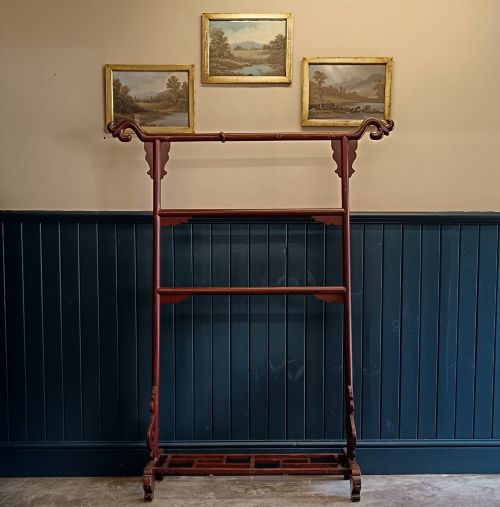
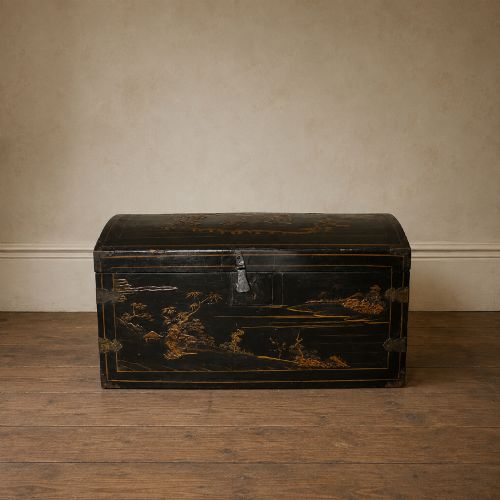
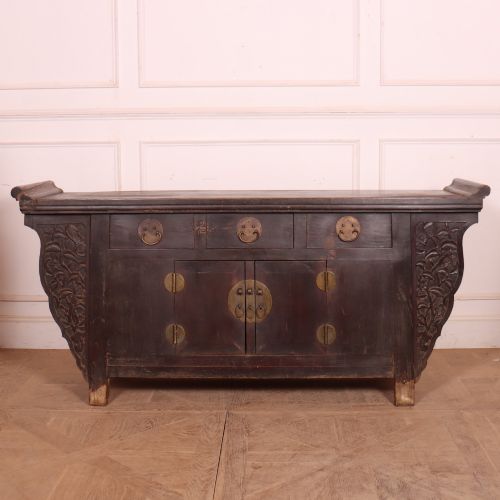
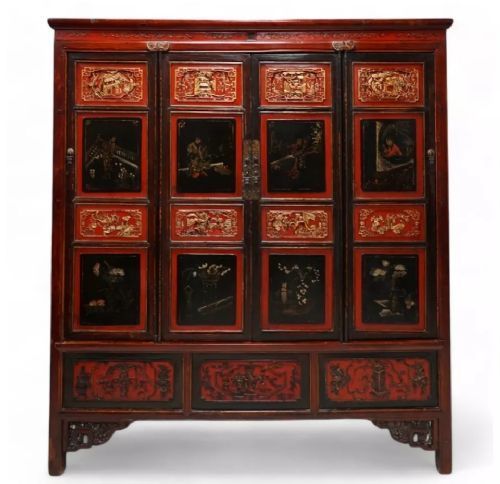
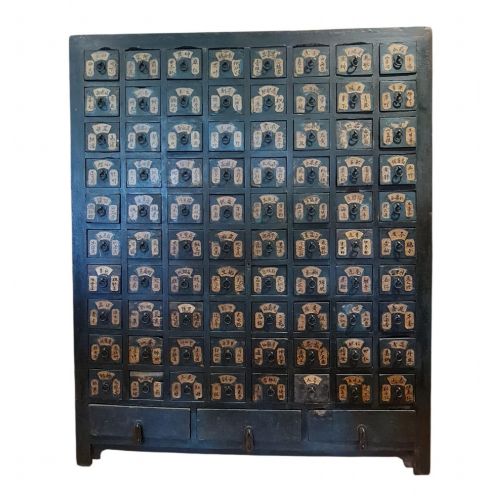
When a buyer searches for qing dynasty lacquer, they encounter substantial wooden furniture and decorative objects originating from various Chinese provinces and export workshops. The selection centres heavily on large storage pieces such as marriage cabinets, wedding chests, and sideboards coated in rich red or black finishes.
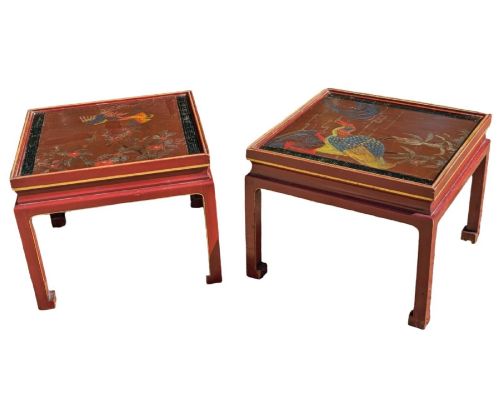
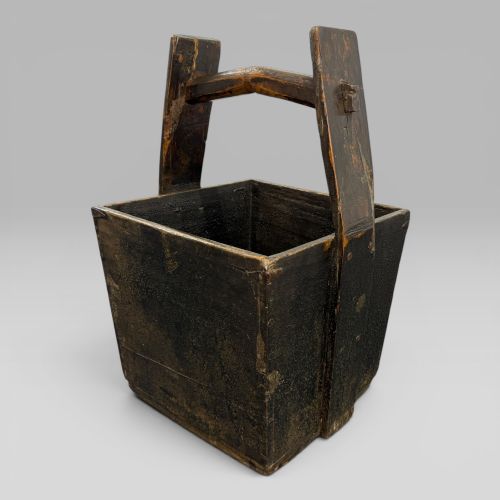
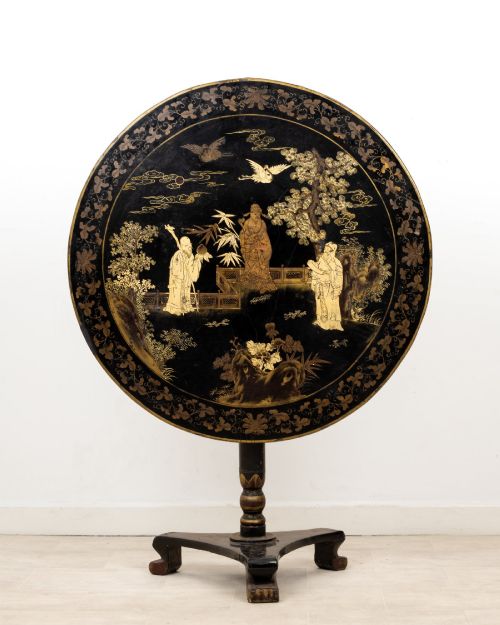
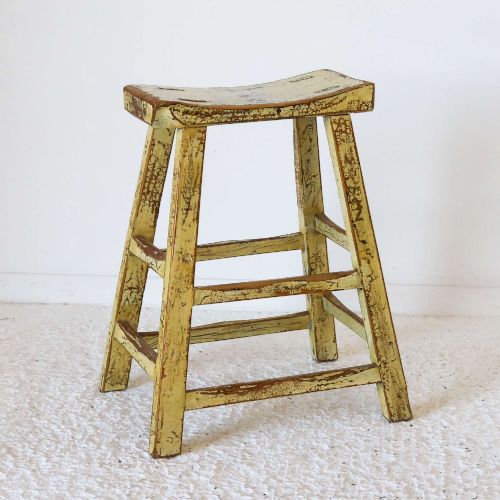
Beyond cabinetry, the listings encompass seating, folding screens, side tables, and smaller vessels like boxes and baskets. Most examples date from the nineteenth century, reflecting regional traditions from areas such as Shanxi and Fujian, alongside items made for export.
Materials and Technique
Makers built these objects using sturdy native timbers like elm and hardwood as a foundational structure for subsequent layers of lacquer. Artisans applied successive coats of natural sap, building up a durable surface that could accept carved details, hand-painting, and gilding.
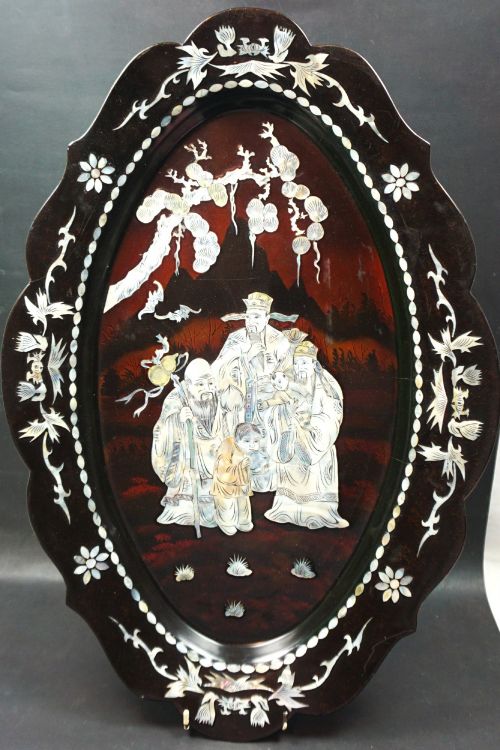
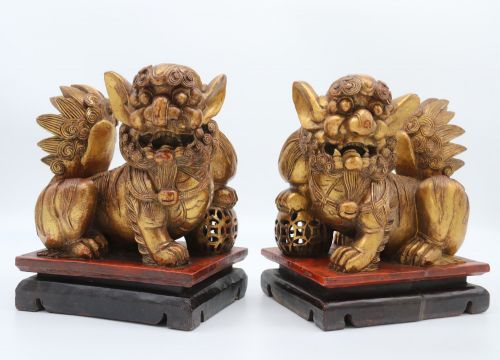
Many pieces incorporate supplementary elements such as brass hardware, gold leaf, or mother-of-pearl inlay to accent the deep red and black lacquered grounds. Cinnabar lacquer surfaces display intricate carved relief work executed directly into thick layers of the hardened material.
Materials recorded across the listings include lacquer, wood, brass, gold leaf, elm, hardwood, and iron.
Judging the Workmanship
The distinction between standard domestic items and finer works lies in the depth of the lacquer layers and the crispness of the carved or painted decoration. Superior examples show harmonious proportions, intact original finishes, and precise joinery in the underlying elm or hardwood structures.
Wear patterns tell a story of age, but the preservation of intricate surface details like gilt work, inlay, and carved figures dictates the visual impact of each piece. Greater refinement appears in objects where the lacquer retains its lustre and the structural timber remains stable without excessive warping.
The Qing Dynasty Lacquer Glossary
- Cinnabar lacquer
- A carved red lacquer material made from numerous layers containing mercuric sulphide. This technique yields a deep, workable stratum that accepts intricate relief carving.
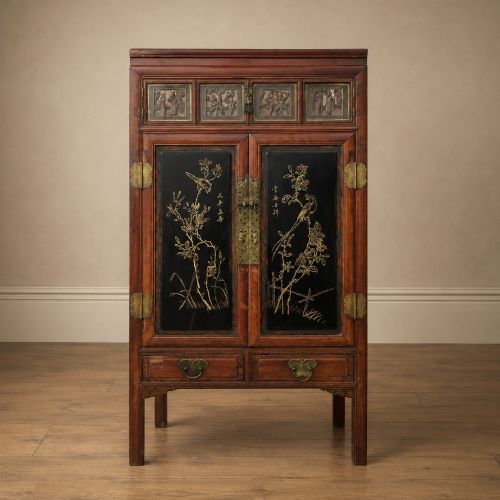
- Marriage cabinet
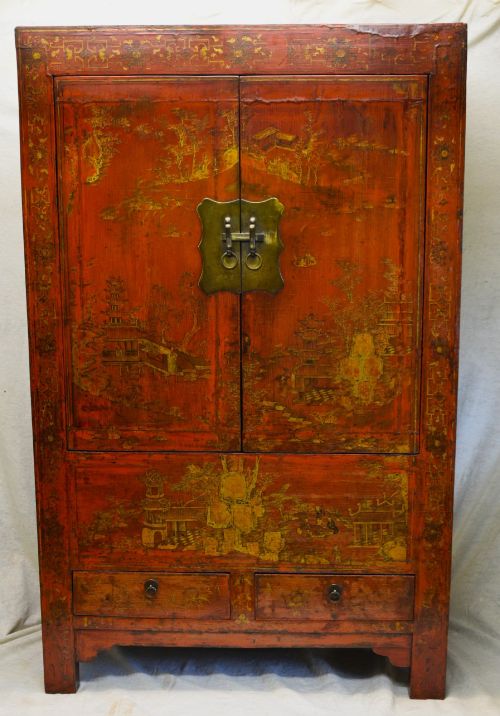
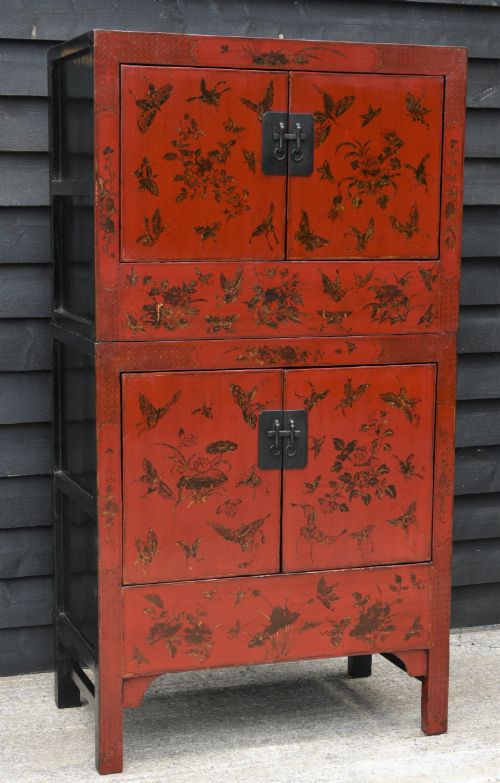
- A large storage cupboard traditionally presented to a bride. These impressive pieces often feature striking red finishes and substantial brass hardware.
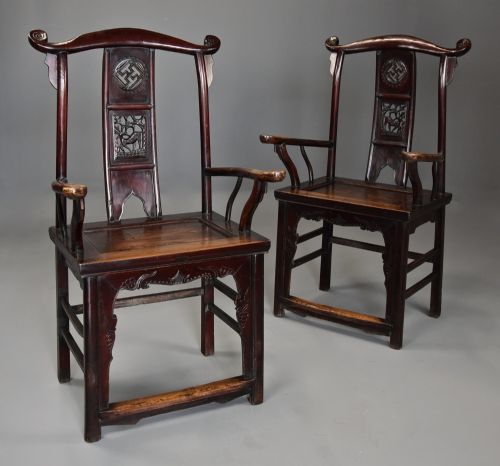
- Yokeback armchair
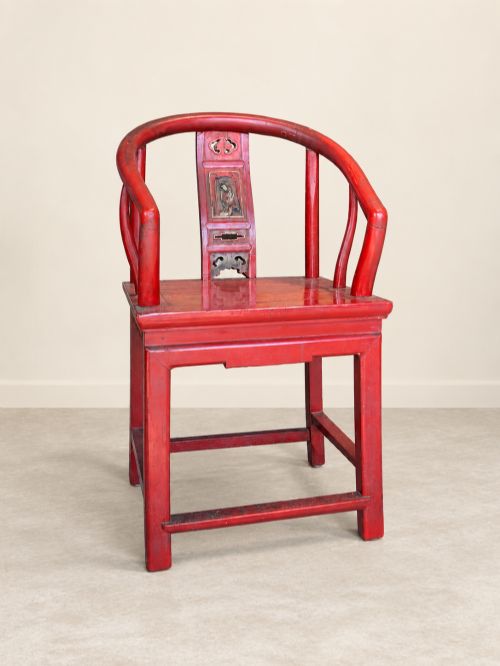
- A traditional seat style characterised by a top rail resembling a yoke. Elm versions frequently display an appealing natural grain beneath original lacquer.
- Luopan geomantic compass
- A traditional Chinese magnetic compass used in feng shui practice. These complex instruments incorporate concentric rings of Chinese characters.
- Chinoiserie
- European decorative style inspired by Chinese artistic traditions. Items often feature painted or lacquered motifs on wood.
Qing Dynasty Lacquer: Frequently Asked Questions
How are marriage cabinets used today?
These large storage units provide substantial internal shelving for modern living spaces, serving as focal points in living rooms or bedrooms.
Their striking red or black surfaces add warmth and traditional character to contemporary or eclectic interiors.
What is cinnabar lacquer?
Cinnabar lacquer is a dense material created by applying numerous layers of red lacquer onto a wooden core before carving intricate patterns directly into the surface.
This labour-intensive technique produces tactile objects with rich depth and detailed figurative or floral motifs.
How do I care for lacquered wood?
Lacquered surfaces respond best to gentle dusting with a soft, dry cloth and protection from direct sunlight and extreme humidity changes.
Avoiding harsh chemical cleaners preserves the integrity of the delicate finish and underlying wood.
How can I tell the period?
Dating relies on observing construction methods, regional styles, and the specific characteristics of the lacquer and hardware used.
Nineteenth-century examples often exhibit distinct provincial traits and wear patterns that distinguish them from later reproductions.