

Qing Dynasty Hardwood Table
A qing dynasty hardwood table brings solid rosewood, hongmu and marble into a room as a low coffee table, altar table or nesting set.
Qing Dynasty Hardwood Table
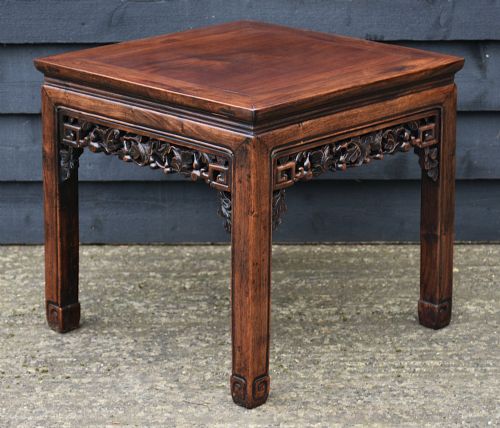
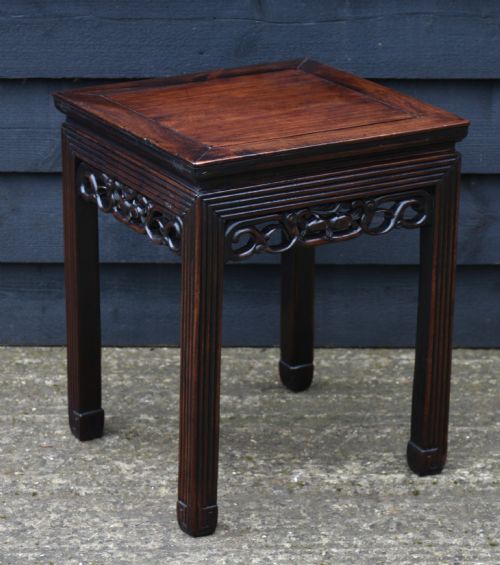
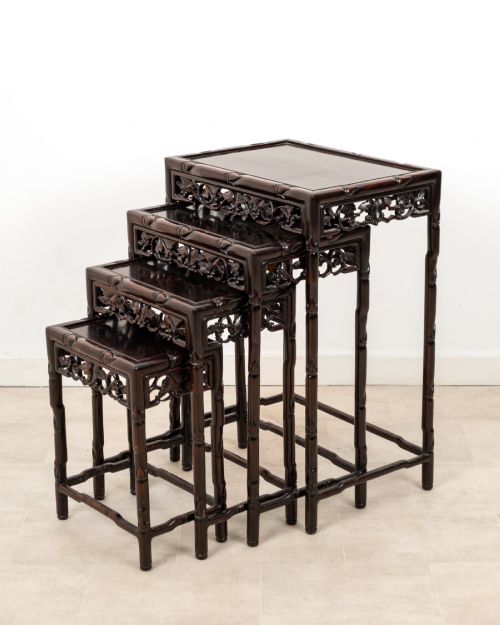
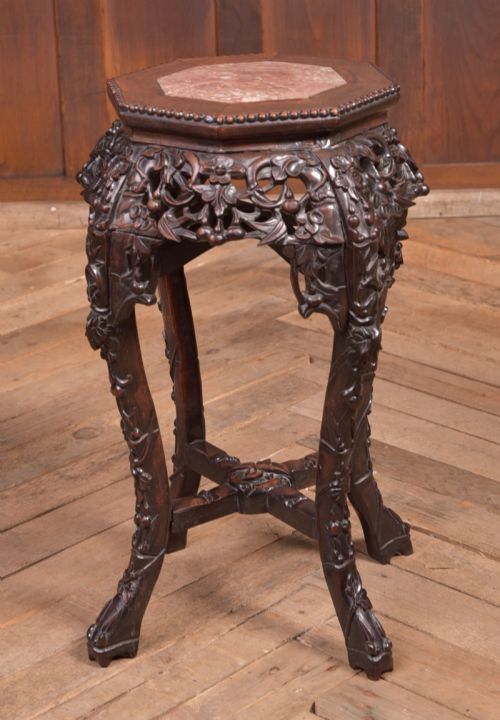
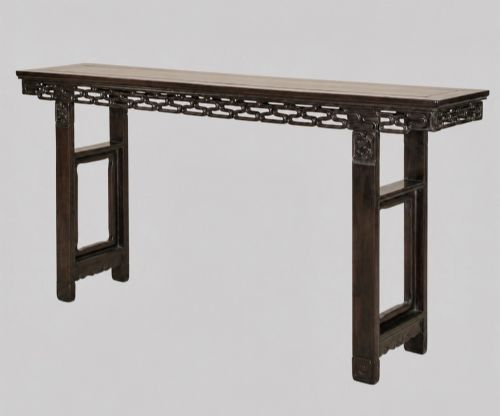
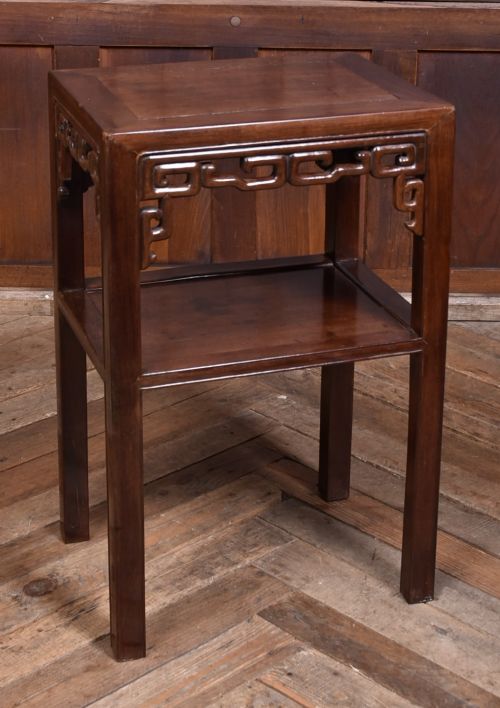
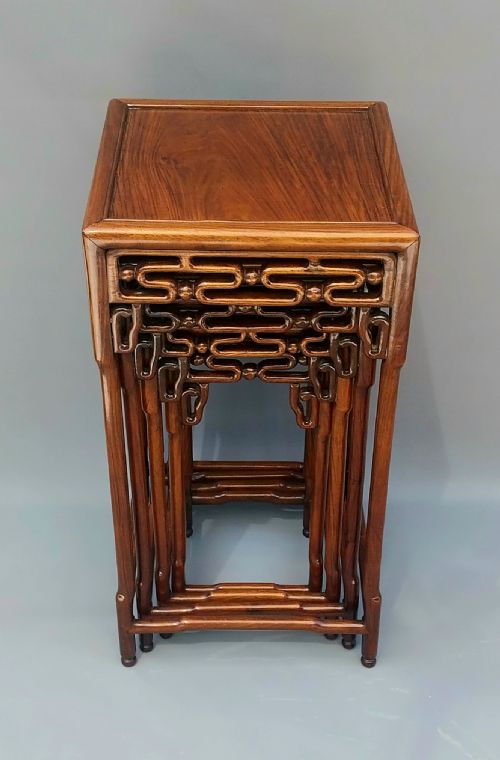
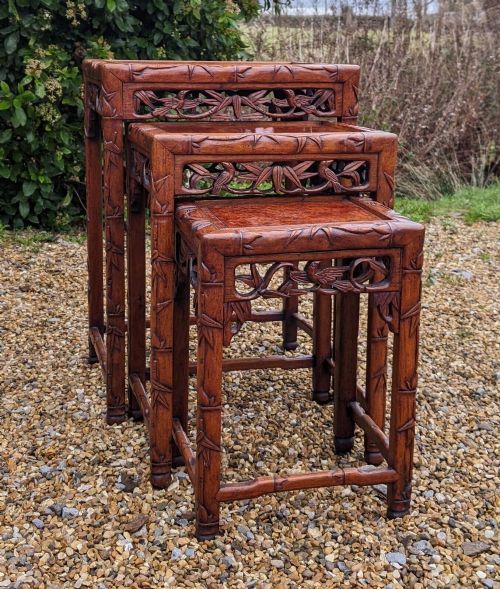
When searching for a qing dynasty hardwood table, buyers encounter low kang or opium tables, tiered plant stands, nesting sets, and rectangular altar or console tables. These pieces originate predominantly from the nineteenth century and the turn of the twentieth century, reflecting traditional Chinese domestic and scholarly interiors.
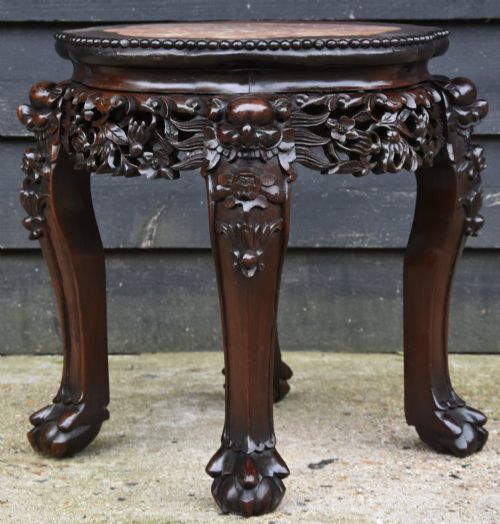
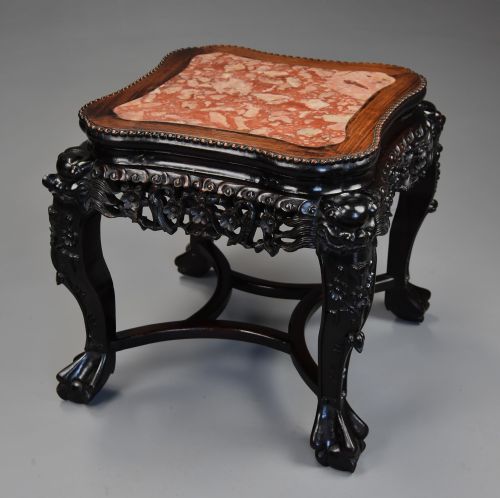
Lower forms such as low tables and jardiniere stands often feature inset marble panels or shaped aprons. Larger centre tables and nesting tables provide sturdy surfaces suited to modern living spaces while retaining distinct traditional silhouettes.
Materials and Construction
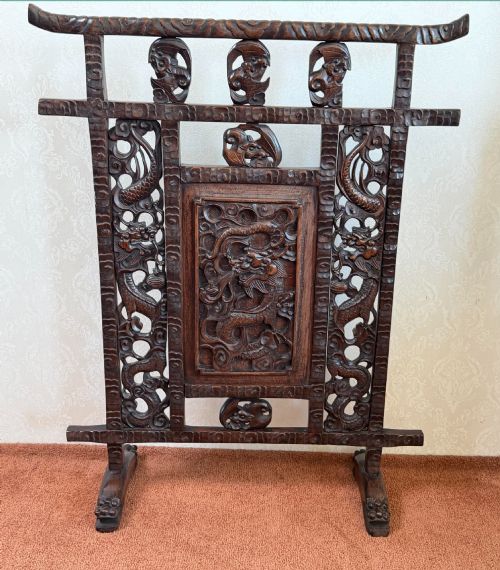
Joinery relies on dense timbers including rosewood, hongmu, huanghuali and padouk, selected for their deep colour and strong grain. These heavy hardwoods are often carved with intricate floral or geometric motifs and assembled without metal fixings.
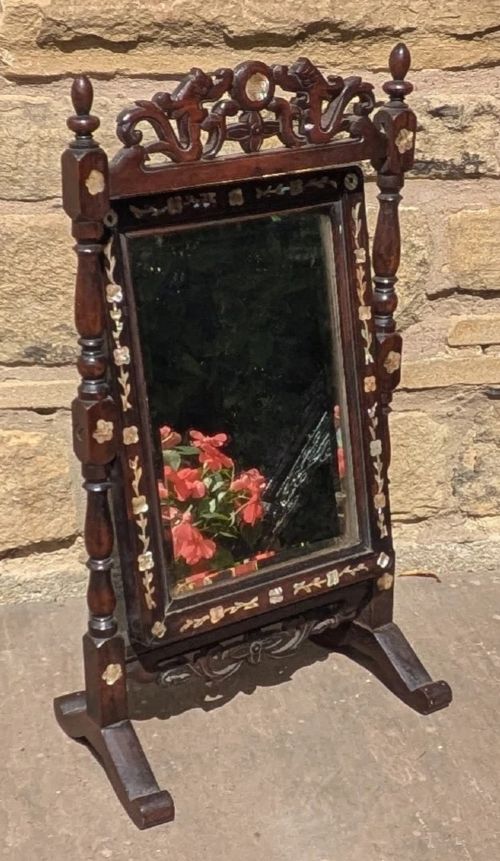
Many examples incorporate contrasting materials such as inlaid mother of pearl panels or smooth inset marble tops. The stone surfaces are fitted neatly into wooden frames to provide a cool, durable centrepiece.
Some tables double as botanical stages where miniature trees and heavy porcelain pots spent centuries judging local gossip.
Judging Quality and Execution
Superior examples show crisp, deep carving where edges remain sharp and details retain their definition. The choice of timber also dictates grade, with dense hongmu and well-figured huanghuali commanding attention for their natural grain.
Construction rigidity and the flush fit of inset marble panels or mother of pearl inlay separate standard production from master craftsmanship. Balance, proportion and symmetry across the legs and aprons define the finest items.
The Qing Dynasty Hardwood Table Glossary
- Hongmu
- A dense, heavy Chinese hardwood often translated as red wood. It encompasses several varieties of durable timber used for traditional furniture.
- Kang table
- A low table traditionally placed upon a heated brick bed for dining or writing. These surfaces sit close to the floor with shaped or scroll ends.
- Quartetto
- A matched set of four graduating nesting tables. They slide smoothly beneath one another when not in use.
- Jardiniere stand
- A tall or low pedestal designed to hold a plant pot or flower bowl. They frequently feature circular or square marble inserts to protect the wood from moisture.
- Padouk
- A heavy, durable tropical timber with a reddish hue. It takes fine carving exceptionally well.
Qing Dynasty Hardwood Table: Frequently Asked Questions
What is a kang table used for?
A kang table serves as a low surface originally designed for sitting upon a heated platform in traditional homes. Today, people use them as low coffee tables or display platforms in living spaces.
Their compact height and sturdy build make them practical for placing drinks or decorative items close to floor seating.
How do I care for a marble top?
The inset marble panels require simple dusting and occasional wiping with a damp cloth. Avoid harsh chemical cleaners that can dull the polished stone surface.
Using coasters helps protect both the marble and the surrounding hardwood frame from moisture rings and scratches.
Are nesting tables practical for daily use?
Nesting tables offer flexible surface space that expands when entertaining and tucks away neatly when not needed. The graduating sizes stack compactly into a single footprint.
Their solid hardwood construction ensures they remain stable during everyday placement of lamps or cups.
How do I identify hongmu wood?
Hongmu is characterised by its significant weight, dark reddish-brown tone and tight grain. It feels exceptionally heavy compared to standard timbers.
Over decades of handling, the wood develops a rich, deep patina that highlights its natural density.