






Qing Dynasty Export Pottery
Qing dynasty export pottery brings durable porcelain and vibrant enamels made for global markets directly into your home.
Qing Dynasty Export Pottery
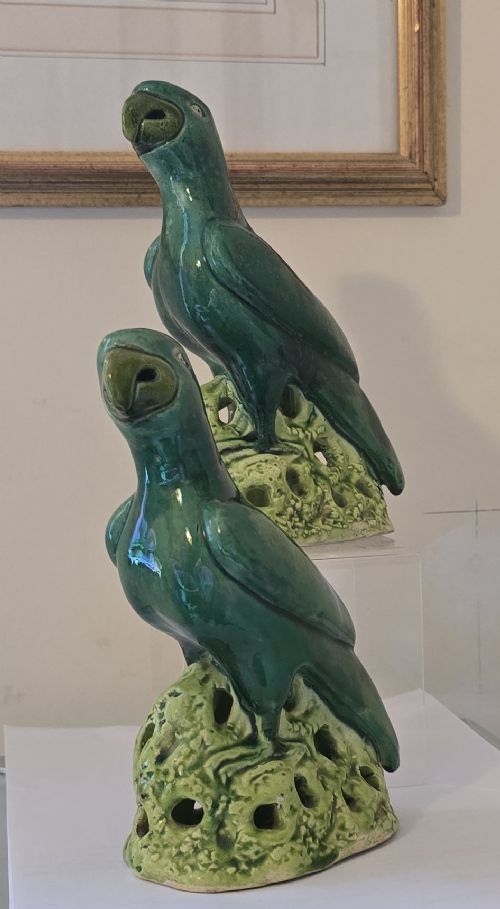
When you search for qing dynasty export pottery, you encounter items made in China during the Qing period for international trade. These objects span utilitarian vessels, decorative dishes, and sculptural figures.
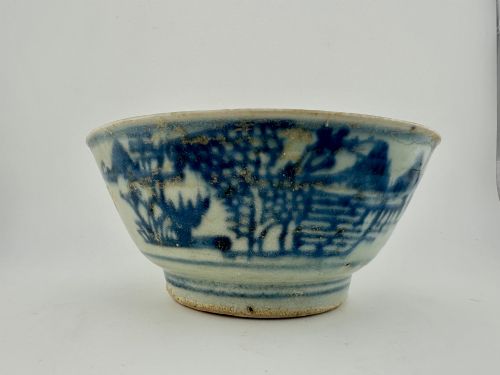
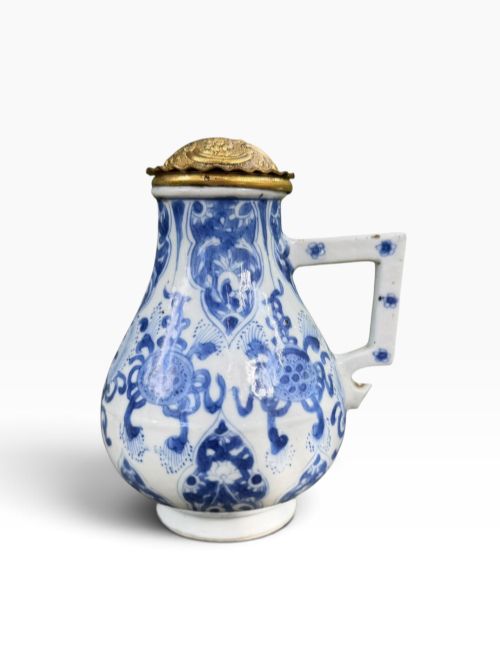
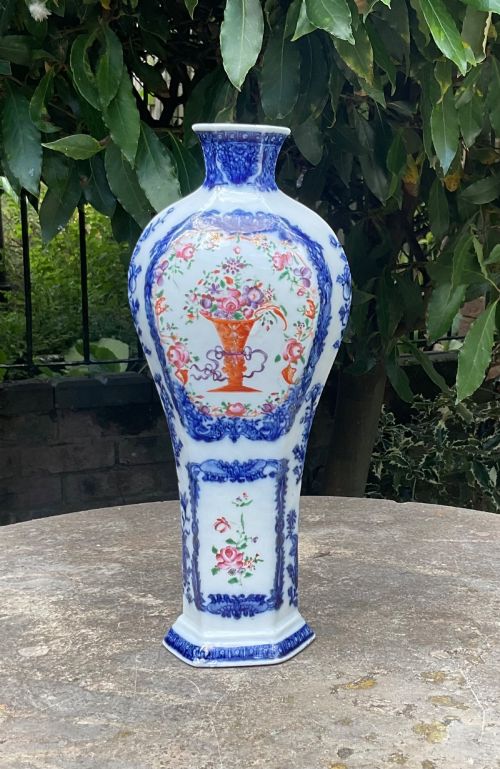
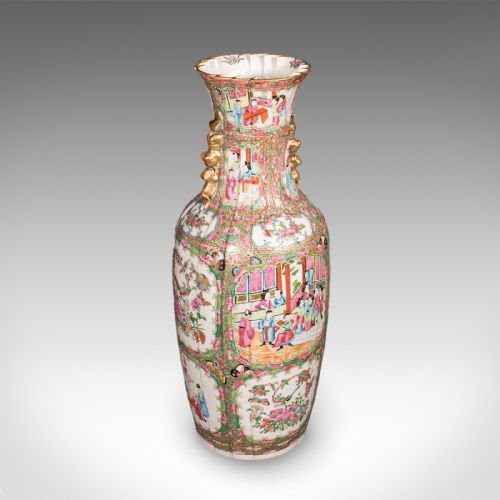
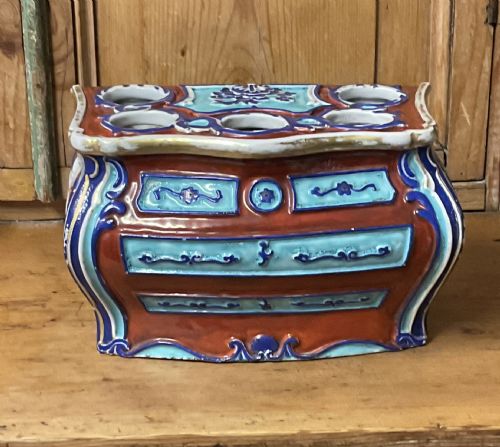
The pieces on this page are most commonly vessels and lamps originating from the eighteenth and nineteenth centuries. You find categories including vases, bowls, ginger jars, and bough pots reflecting both traditional Chinese forms and adaptations for Western interiors.
Materials and construction
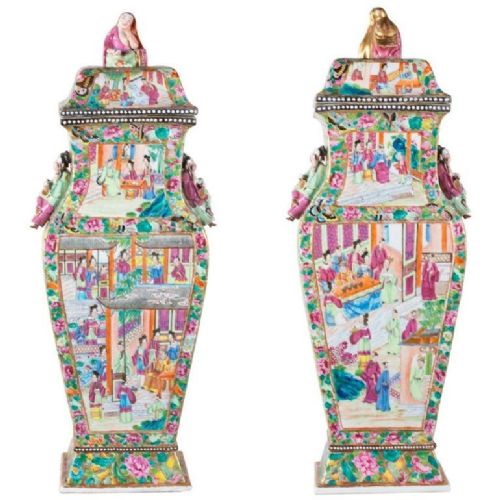
Potters built these items using porcelain clay, finishing them with cobalt underglaze or applied enamel colours. Artisans often added gilt metal mounts, gold leaf, and wooden elements to complete the decorative scheme.
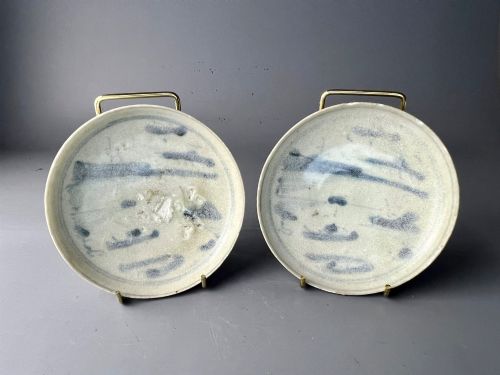
Techniques range from precise cobalt blue painting under the glaze to elaborate famille rose enamel work fired at lower temperatures. Some wares also bear the marks of long immersion following maritime cargo losses.
Qing Dynasty Export Pottery Retail Price Guide 2026
Typical asking prices for qing dynasty export pottery among the pieces listed under this phrase on Sellingantiques today, from the lower quarter to the upper quarter. They describe what is for sale here now, not the wider market.
Listings feature porcelain, enamel, cobalt glaze, and gold leaf applied to vases, bowls, and lamps dating from the seventeenth to the twentieth century.
Indicators of quality
The standard of qing dynasty export pottery depends on the fineness of the porcelain body and the precision of the brushwork. Superior examples display controlled enamel application and well-defined contours without blurring.
Scale and complexity also separate categories, with large matched pairs and gilt metal mounts commanding greater visual presence. Condition and provenance further distinguish individual vessels within the broader range.
The Qing Dynasty Export Pottery Glossary
- Famille rose
- A palette of opaque enamels dominated by pink or rose colours, introduced during the Qing dynasty. This technique allowed for nuanced shading and detailed pictorial scenes.
- Celadon
- A pale green jade-like glaze applied to porcelain bodies. The subtle colour results from iron oxide in the glaze interacting with the kiln atmosphere.
- Ginger jar
- A storage jar with a wide shoulders and a short neck, frequently adapted as a lamp base in later periods. These vessels often feature cobalt blue or enamelled designs.
- Bough pot
- A specialised vessel designed to hold cut branches or flower stems for interior decoration. Eighteenth-century examples often take distinctive bombé commode shapes.
- Cobalt underglaze
- A blue pigment applied directly to the raw clay before glazing and high-temperature firing. This method ensures the decoration remains permanent beneath the glassy surface.
Qing Dynasty Export Pottery: Frequently Asked Questions
What is qing dynasty export pottery?
Qing dynasty export pottery consists of ceramic goods manufactured in China during the Qing period specifically for overseas trade and foreign markets.
These objects include porcelain vases, bowls, jars, and figures that combine traditional Chinese craftsmanship with aesthetic preferences popular in Western markets.
How were these ceramics used originally?
Many of these vessels served as decorative centrepieces, display items, or functional containers within wealthy households across Europe and beyond.
Over time, some pieces such as ginger jars and vases were later converted into table lamps using brass or gilt metal mountings.
How do I identify the period?
Dating relies on stylistic markers, decorative palettes such as famille rose or cobalt blue, and manufacturing characteristics associated with the seventeenth, eighteenth, and nineteenth centuries.
Documentation such as cargo shipwreck provenance and specific reign associations also help determine the age of individual items.
How do I live with these pieces?
Integrating these ceramics into modern interiors involves placing them on stable surfaces away from high traffic areas to protect delicate glazes and metal mounts.
Routine care requires gentle dusting with a soft cloth and avoiding harsh chemical cleaning agents on the enamel and gilt surfaces.