



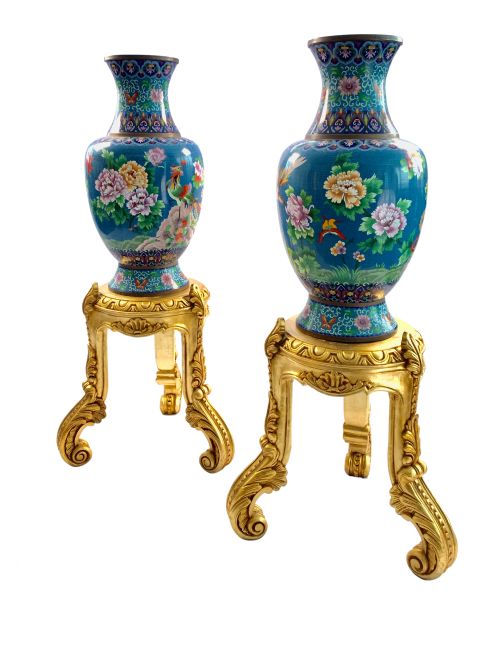
Gilded Chinese Vase
A gilded Chinese vase brings rich painted palettes and metallic highlights into a room, offering both traditional artistry and striking decorative presence.
Gilded Chinese Vase
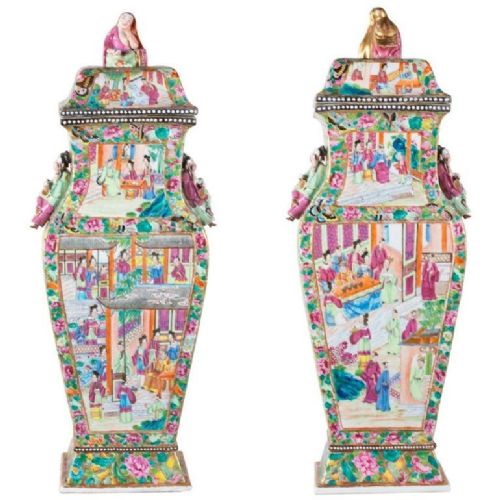
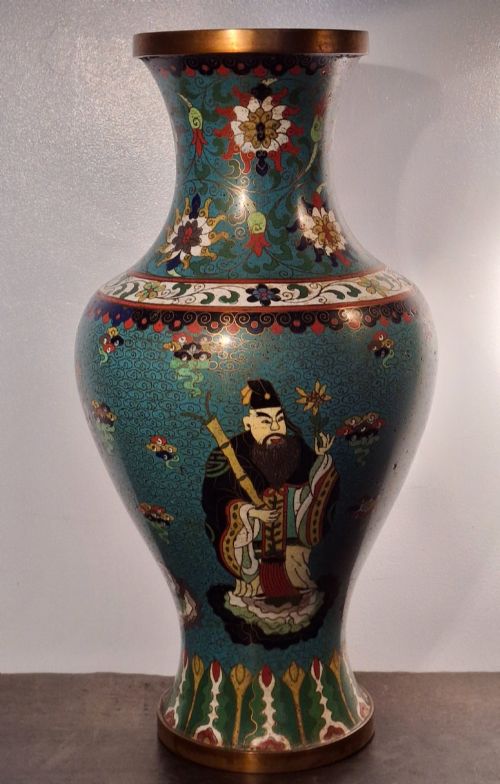
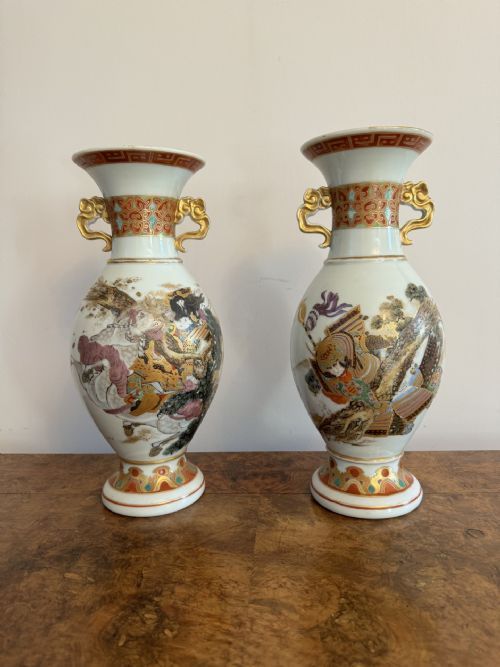
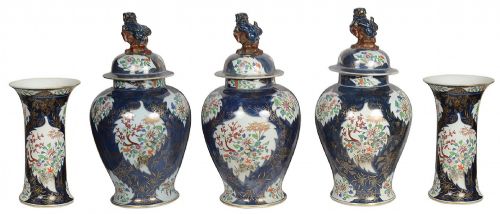
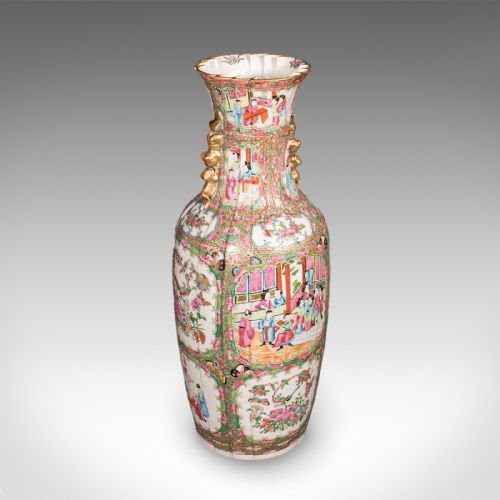
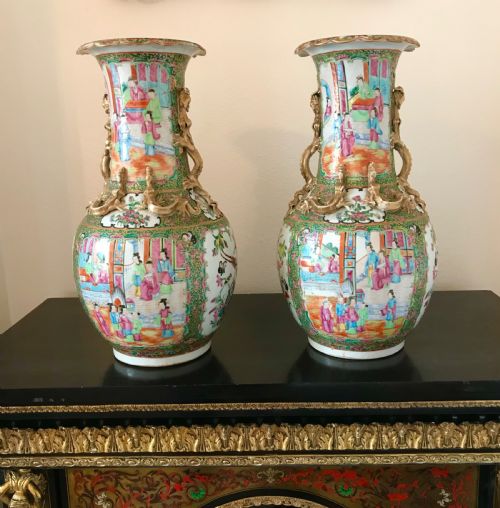
A gilded Chinese vase is a ceramic or metallic vessel finished with gold leaf, gilt, or brass accents, encompassing pieces designed for export as well as European interpretations in the Chinoiserie style. When searching for a gilded Chinese vase, buyers encounter a variety of forms ranging from large Rose Medallion and Canton vessels to cloisonné enamel and lacquer temple vases.
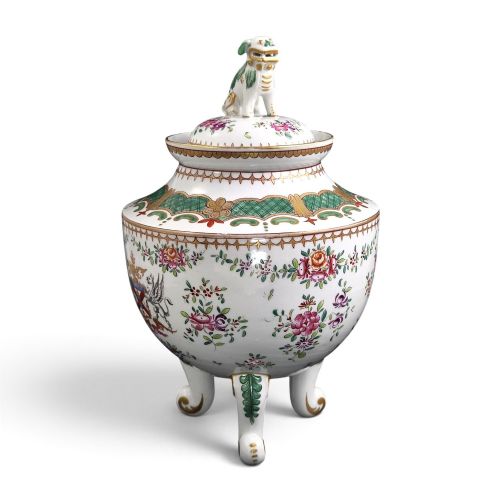
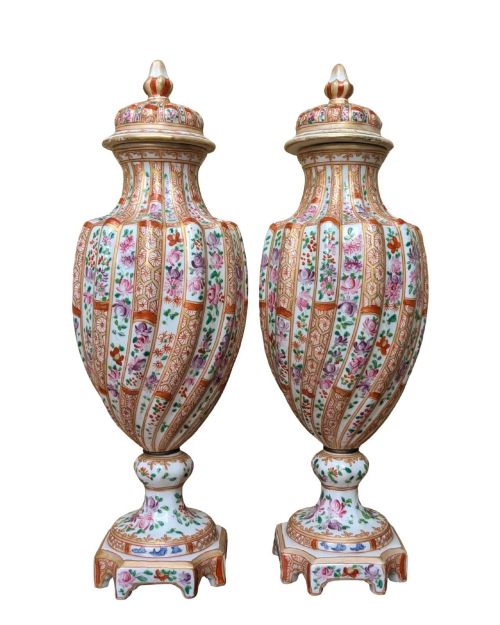
The pieces on this page span the nineteenth and twentieth centuries, including Victorian era adaptations and items created by European makers such as Samson of Paris. Common forms include lidded urns, ginger jars, floor vases, and vessels later converted into table lamps with silk or fabric shades.
How they were made
These items utilise porcelain, ceramic, copper, and brass as foundational bodies, shaped into jars, urns, and tall vessels. Surface decoration relies on enamel work, hand painting in famille rose or powder blue palettes, and the application of gold leaf or gilt details.
Many objects combine traditional Chinese motifs with European mounting techniques, such as ormolu mounts added during the nineteenth century. Cloisonné pieces involve soldered wire enclosures filled with enamel pastes and fired before final polishing and gilding.
Gilded Chinese Vase Retail Price Guide 2026
Typical asking prices for gilded chinese vase among the pieces listed under this phrase on Sellingantiques today, from the lower quarter to the upper quarter. They describe what is for sale here now, not the wider market.
Listings span the nineteenth and twentieth centuries, featuring materials such as porcelain, enamel, gold leaf, silk, and brass.
What varies in quality
Quality in these vessels depends upon the precision of the hand painting, the complexity of the enamel work, and the richness of the gilding. Finely rendered figures, distinct facial expressions, and crisp botanical details separate exceptional export pieces from standard decorative wares.
The weight and stability of the metal mounts, the clarity of the cloisonné wirework, and the preservation of the original gold leaf also determine the standing of an individual piece within the range.
Edme Samson
The Gilded Chinese Vase Glossary
- Famille rose
- A palette of opaque enamel colours dominated by pink or rose, introduced during the Qing dynasty and widely used on export porcelain.
- Cloisonné
- A metalwork technique where fine wires are soldered to a base to create compartments filled with enamel paste.
- Chinoiserie
- European artistic styles reflecting Chinese motifs and decorative techniques, popular across various periods.
- Rose Medallion
- A specific style of Cantonese porcelain decoration featuring distinct panels filled with figures, birds, and flowers, bordered by gilded and patterned backgrounds.
- Ormolu
- Gilded bronze or brass mounts applied to decorative objects and furniture, frequently seen on nineteenth-century pieces.
Gilded Chinese Vase: Frequently Asked Questions
How do I spot a reproduction?
Examine the weight of the ceramic or metal body and look closely at the application of the enamels and gilding. Hand-painted details show subtle brushwork variations that distinguish period items from modern machine prints.
Check the base and interior for signs of age, wear patterns, and the characteristics typical of nineteenth-century production methods.
Are these vases waterproof?
Many antique porcelain and cloisonné vessels are porous or feature delicate interior finishes that make them unsuitable for holding water. Using them dry or with a hidden inner container protects the antique material from damage.
Several pieces listed here have been adapted as lamps, meaning their bases may be drilled for electrical wiring.
What is Rose Medallion?
Rose Medallion is a distinct style of Cantonese export porcelain featuring alternating panels of figures and birds or flowers. These panels are surrounded by intricate borders incorporating copious amounts of gilding.
This style became immensely popular during the nineteenth century and remains a sought-after form for collectors of Chinese export art.
How should I clean my vase?
Dust the surface gently with a soft, dry cloth or a feather duster to remove loose particles without disturbing delicate gilding or enamel. Avoid using liquid cleaners, chemical sprays, or abrasive cloths that can strip the gold leaf or damage the ceramic body.
If the piece is mounted as a lamp, ensure it is unplugged before undertaking any careful maintenance.