






Canton Export China
Canton export china brings vibrant hand-painted porcelain and decorative objects created for Western markets into your home.
Canton Export China
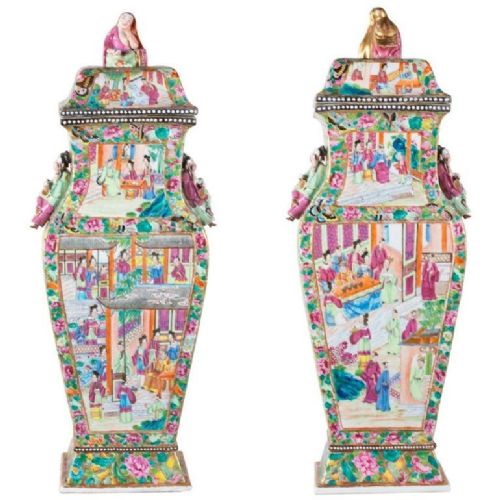
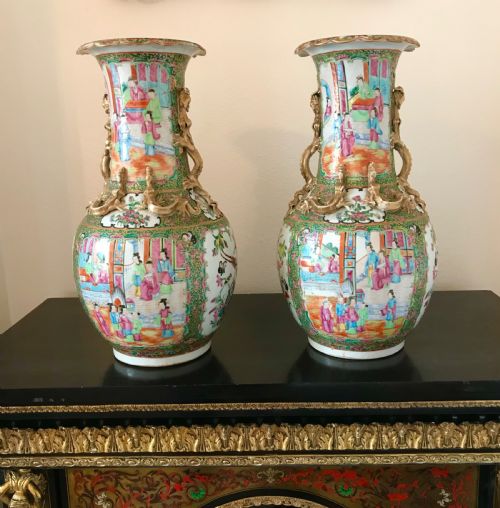
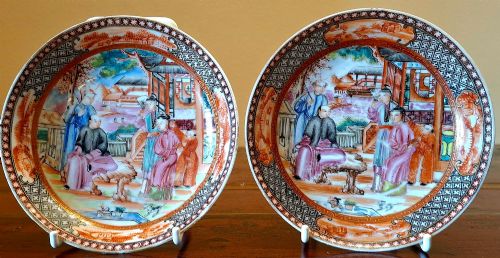
Canton export china comprises porcelain and related decorative pieces produced in China specifically for international trade, predominantly seen here in nineteenth-century forms. Buyers browsing this selection encounter an array of objects ranging from plates and punch bowls to lidded vases and travelling teapots.
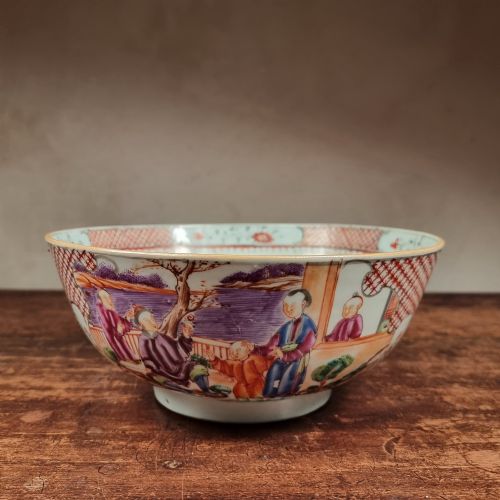
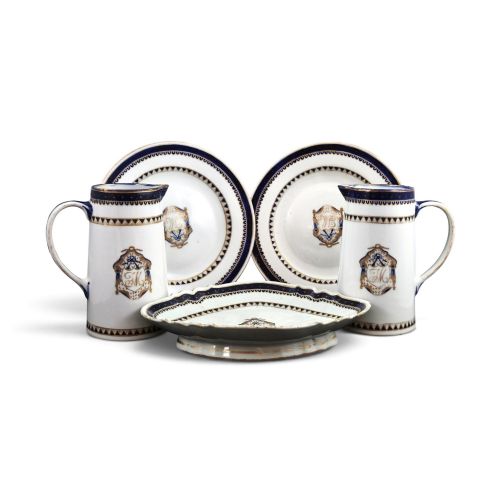
Vessels such as large punch bowls and decorative bowls dominate the inventory, accompanied by plates, saucers, and occasional trunks or oil paintings. These items capture the aesthetic exchange between traditional Chinese craftsmanship and Western decorative demands.
Materials and construction
Makers shaped these objects primarily from porcelain, utilising cobalt underglaze for foundational blue elements and rich overglaze enamel for detailed pictorial scenes. Gold leaf and gilt highlights frequently add luminous borders and accents to the painted surfaces.
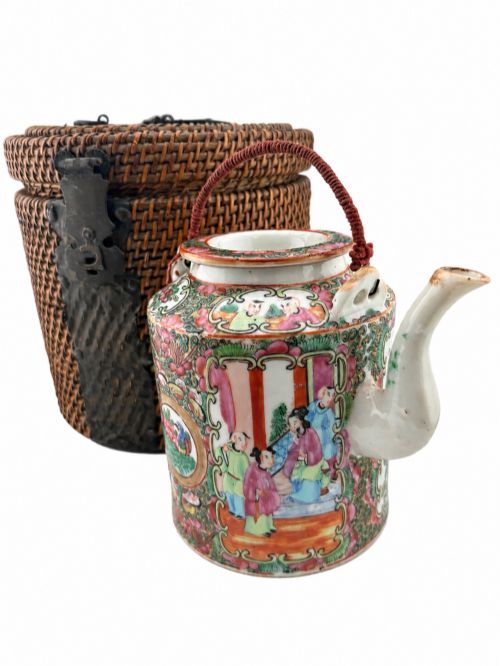
Specialist items incorporate supplementary materials to ensure utility and transport, such as original wicker cases paired with travelling teapots or metal components on trade trunks. Hand-painted execution remains standard across the porcelain body, executed with fine brushwork characteristic of the period.
Canton Export China Retail Price Guide 2026
Typical asking prices for canton export china among the pieces listed under this phrase on Sellingantiques today, from the lower quarter to the upper quarter. They describe what is for sale here now, not the wider market.
One surviving travelling teapot comes complete with its original protective wicker case for perilous eighteenth-century journeys.
Assessing quality and execution
The distinction between standard commercial pieces and superior examples lies in the precision and density of the hand-painted overglaze enamel work. Finely articulated figural scenes, complex floral borders, and generous application of gilt elevate the visual presence of individual items.
Object integrity, the crispness of the porcelain body, and the preservation of original elements like wicker housing or matching stands separate well-kept specimens from heavily handled counterparts.
The Canton Export China Glossary
- Famille rose
- A major palette of Chinese ceramic glazes introduced in the Qing dynasty, distinguished by opaque pink or rose enamels. It allows for subtle tonal gradations in painted floral and figural motifs.
- Rose medallion
- A specific decorative pattern featuring alternating panels of figures, birds, and flowers centred around a medallion. This layout is typical of nineteenth-century export porcelain.
- Qianlong
- An imperial reign period lasting from 1736 to 1795 associated with significant refinement in porcelain production. Pieces from this era often exhibit exceptional control of form and glaze.
- Cobalt underglaze
- A blue pigment applied to the raw porcelain body before glazing and high-firing. It provides a durable, permanent underlayer beneath the transparent glaze.
- Overglaze enamel
- Decorative pigments applied over the fired and glazed ceramic surface, then fixed with a second, lower-temperature firing. This technique permits a wide spectrum of non-ceramic colours.
Canton Export China: Frequently Asked Questions
What is canton export china?
Canton export china refers to porcelain and related decorative items made in China for export to Western buyers, particularly during the eighteenth and nineteenth centuries.
These pieces typically feature vibrant hand-painted motifs, such as famille rose and rose medallion patterns, designed to appeal to international tastes.
How were these porcelain pieces used?
Many items served practical domestic functions, including tableware, tea services, and large punch bowls used for entertaining guests.
Other forms, such as lidded vases and decorative baskets, were primarily intended for ornamental display in grand interiors.
How do I care for antique porcelain?
Wash antique export porcelain gently by hand using mild soap and lukewarm water, avoiding abrasive sponges or modern dishwashers.
Keep pieces away from direct heat sources and unstable shelving to protect the delicate overglaze enamels and gilt details.
How can I tell the age of these items?
Dating relies on stylistic markers, such as specific imperial reign periods, palette types like eighteenth-century underglaze styles versus nineteenth-century rose medallion designs, and the nature of the materials.
Examining the construction methods, such as the quality of the porcelain body and hand-painted brushwork, also helps establish the production era.