







Polychrome Ceramic Jars
Polychrome ceramic jars bring rich pigments and hand-painted glazes to domestic interiors.
Polychrome Ceramic Jars
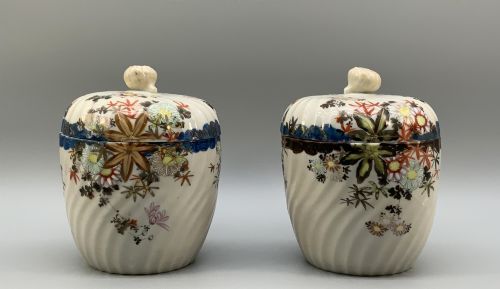
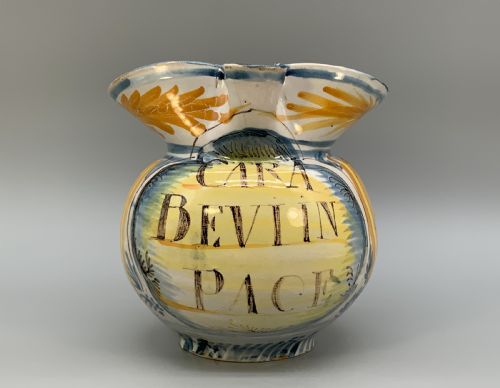
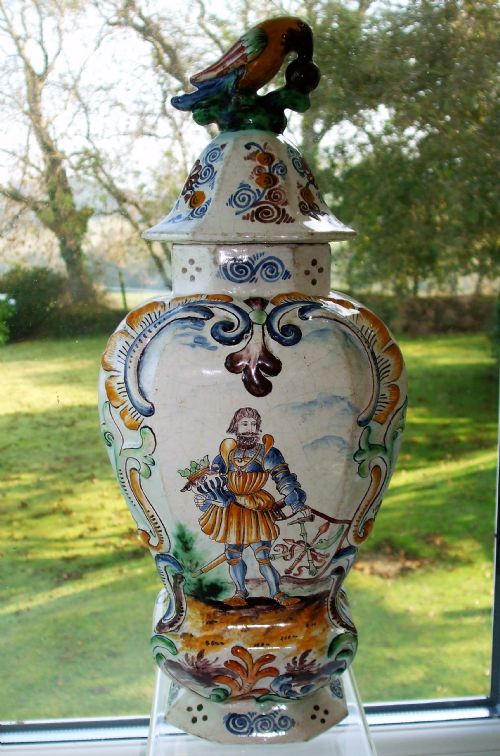
Polychrome ceramic jars encompass lidded vessels, ginger jars, and apothecary containers produced across Europe and Asia. These vessels served practical storage roles or stood as decorative centrepieces in period rooms.
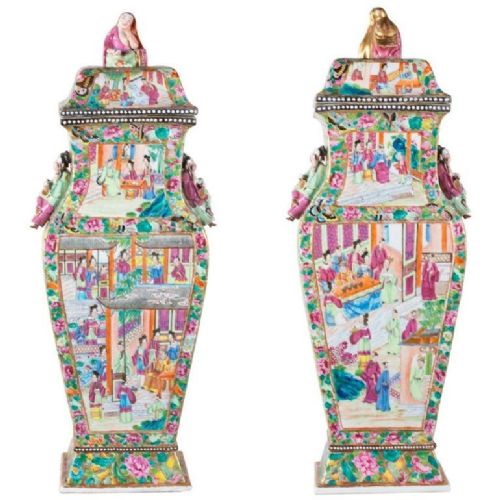
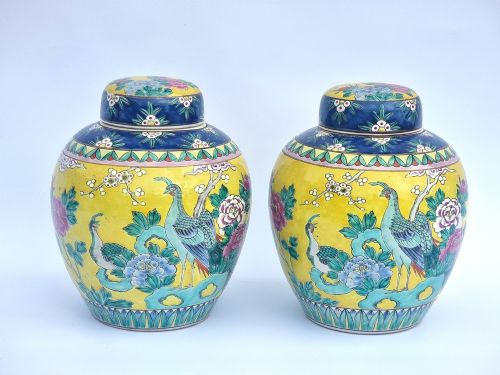
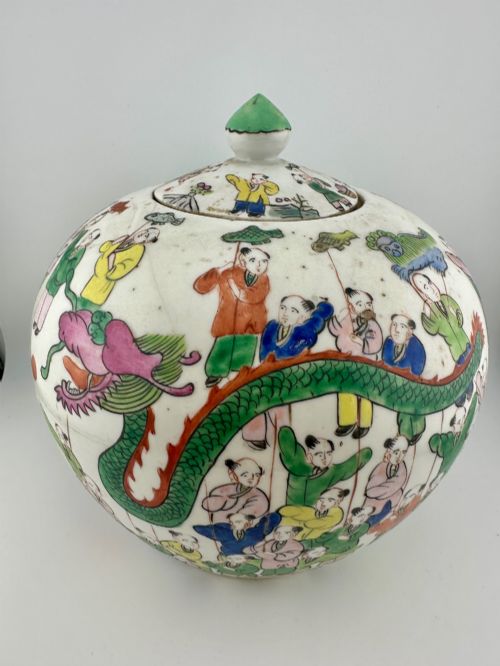
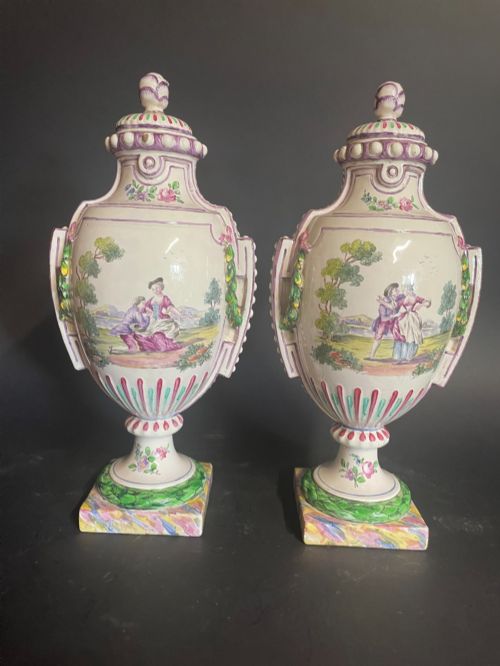
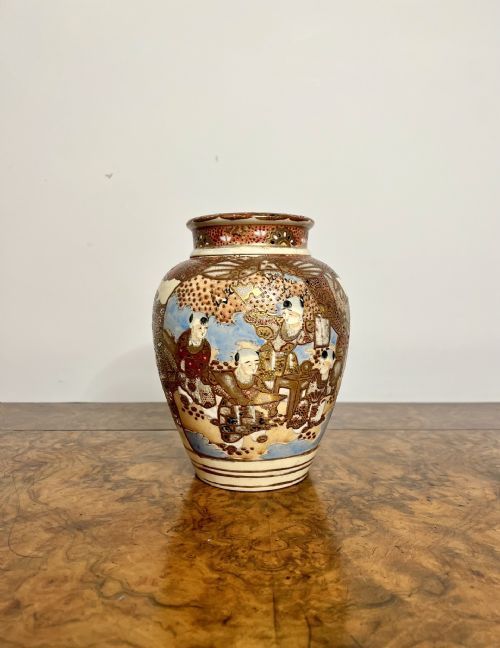
The selection ranges from eighteenth-century Dutch Delftware and Italian majolica to nineteenth-century Japanese Satsuma and Chinese Famille Rose wares. Lidded ginger jars and pharmacy albarelli appear frequently among these listings.
Origins span diverse workshops, from large European factories like Royal Worcester to regional Japanese kilns and Chinese export production centres. Collectors encounter both utilitarian drug jars and highly ornate decorative pieces.
How they were made
Potters shaped these vessels from ceramic, earthenware, or porcelain bodies before applying tin glaze, enamel, or tin-glazed earthenware surfaces. Artisans then painted intricate designs by hand using mineral pigments.
Many European and Asian pieces incorporated gold leaf detailing or vibrant manganese and yellow tones fired over multiple stages. Lids and covers were potted to match the contours of the main body.
Polychrome Ceramic Jars Retail Price Guide 2026
Typical asking prices for polychrome ceramic jars among the pieces listed under this phrase on Sellingantiques today, from the lower quarter to the upper quarter. They describe what is for sale here now, not the wider market.
Listings feature tin-glazed earthenware, porcelain, and earthenware alongside wood components.
What varies in quality
The precision and detail of the hand-painted brushwork dictate the standing of individual jars. Superior examples display crisp outlines, controlled enamel application, and harmonious colour palettes.
Finer pieces maintain crisp, well-defined kiln marks and retain original matching covers that fit the collar securely. The depth of the glaze and the complexity of the narrative or floral scenes separate standard production from masterwork output.
George Gordon Morison·Royal Worcester·Mason·Samson Paris
The Polychrome Ceramic Jars Glossary
- Albarello
- A cylindrical earthenware jar used in pharmacies for storing ointments and dry drugs. These vessels often feature waisted bodies for easy gripping on apothecary shelves.
- Famille Rose
- A Chinese porcelain palette introduced in the eighteenth century distinguished by opaque pink or rose enamel colours. This style commonly depicts floral compositions, figures, and birds.
- Majolica
- Tin-glazed earthenware produced in Italy and other European regions with bright polychrome decoration. Potters applied metallic oxides directly to an opaque white glaze before firing.
- Imari
- Japanese porcelain decorated in underglaze blue, iron red, and gold, named after the port of export. These pieces often exhibit dense panel designs featuring floral and samurai motifs.
- Koro
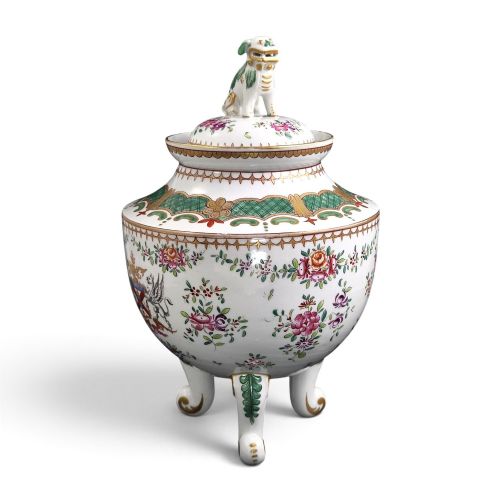
- A traditional Japanese incense burner typically supported on three legs and fitted with a pierced cover. These vessels appear in ceramic and porcelain finishes with hand-painted details.
Polychrome Ceramic Jars: Frequently Asked Questions
What were apothecary jars used for?
Apothecary jars held medicinal herbs, syrups, and dry drugs in historic dispensaries and pharmacies. Their labelled fronts allowed practitioners to identify ingredients quickly during compounding.
Over time, many of these utilitarian containers transitioned into decorative objects for domestic display due to their striking tin-glazed surfaces.
Where should I display lidded ginger jars?
Lidded ginger jars suit prominent display locations such as mantlepieces, sideboards, and entrance hall tables. Their vertical presence adds height and structure to interior arrangements.
Placing them away from direct heat sources helps preserve the stability of antique enamel and glaze surfaces over time.
What is the difference between porcelain and earthenware?
Porcelain is fired at higher temperatures using fine kaolin clay, resulting in a dense, vitrified body that rings when struck and does not absorb water. Earthenware is more porous and requires a surface glaze like tin-glaze to hold liquids.
Both materials support polychrome decoration, but porcelain offers a smoother, whiter ground for delicate enamel painting.