

Qing Dynasty Ceramic Dish
A qing dynasty ceramic dish brings centuries of imperial kiln mastery and vibrant painted enamel into your home.
Qing Dynasty Ceramic Dish
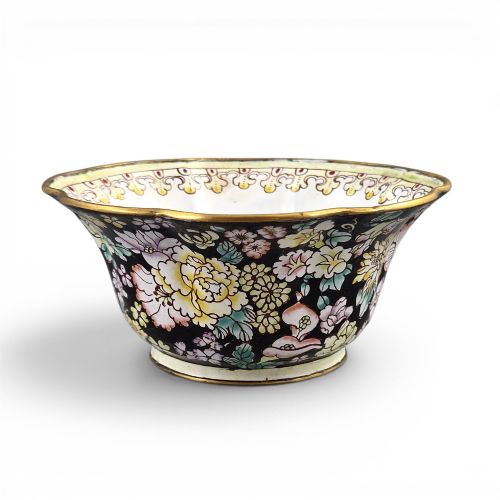
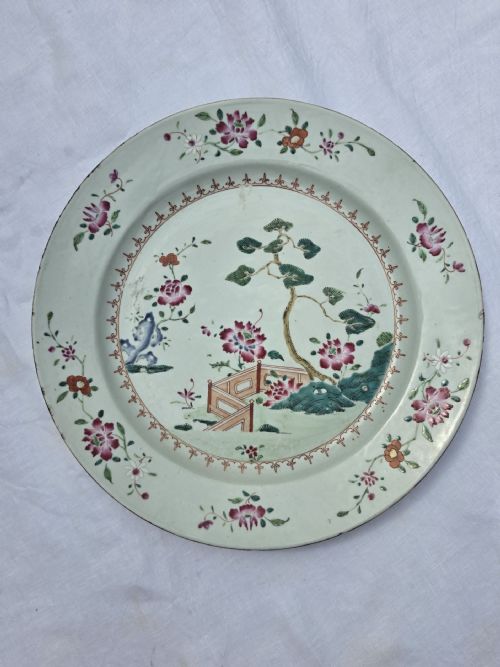
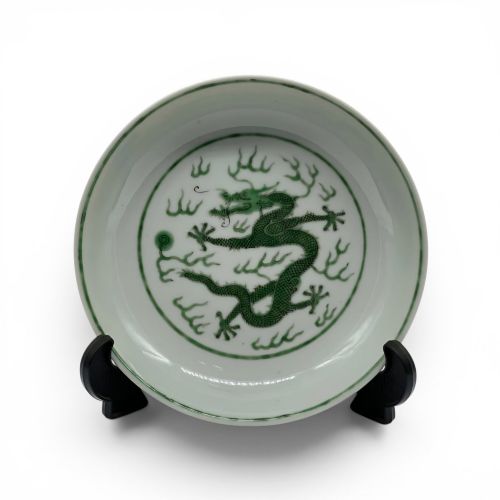
A qing dynasty ceramic dish encompasses shallow vessels, deep bowls, chargers, and platters created during the Qing period, predominantly from the eighteenth and nineteenth centuries. These pieces reflect the enduring reach of Chinese export porcelain and domestic imperial production alike.
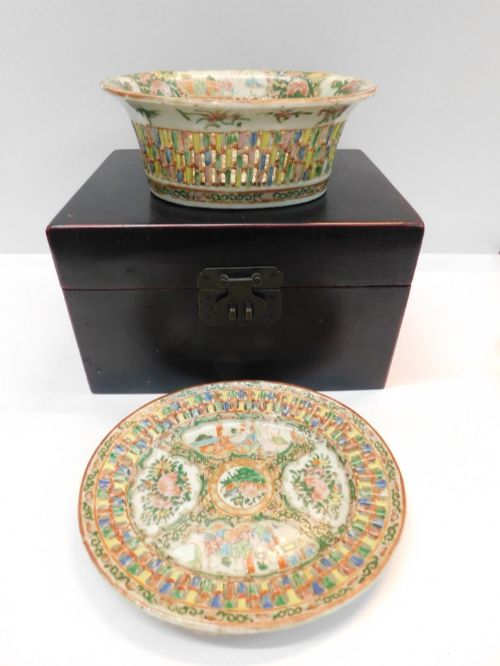
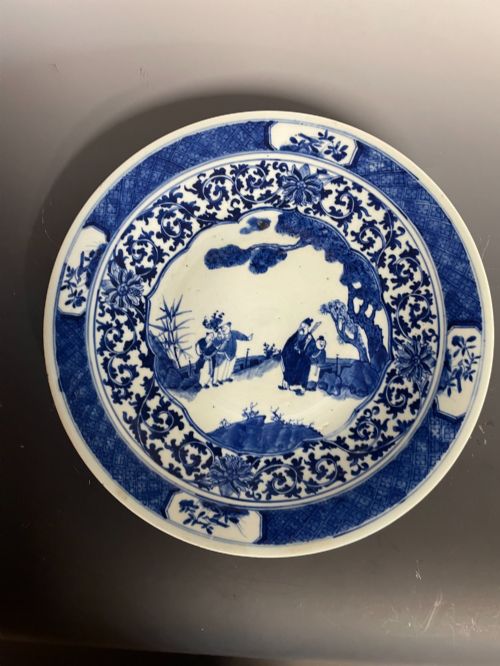
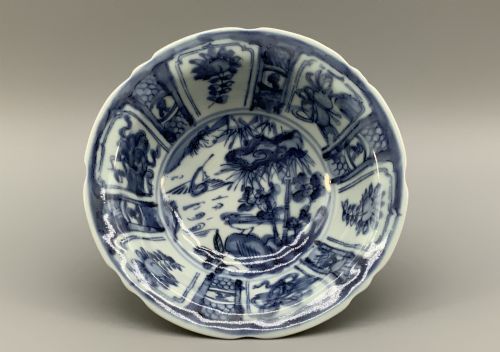
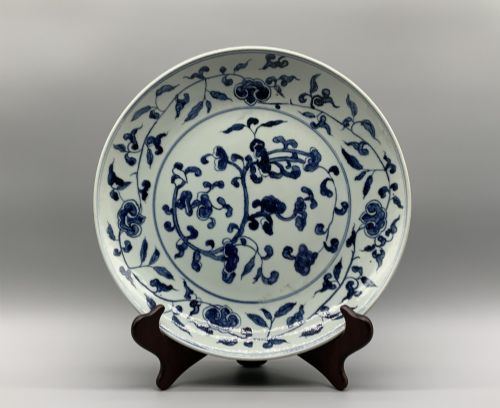
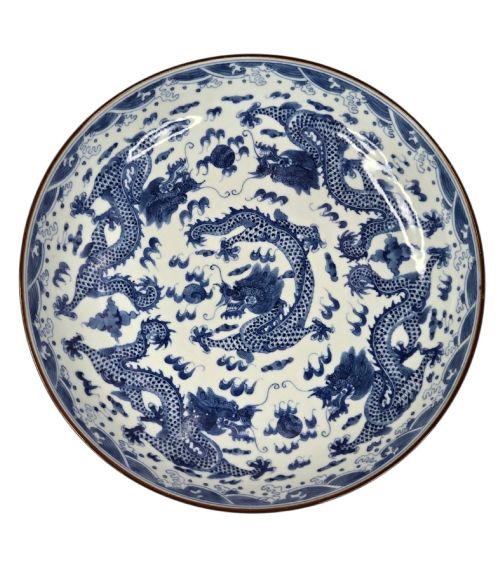
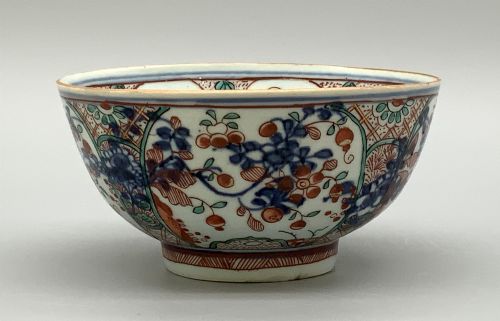
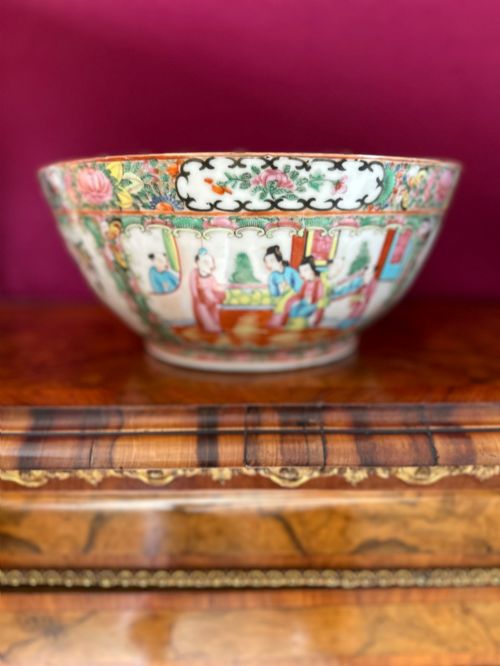
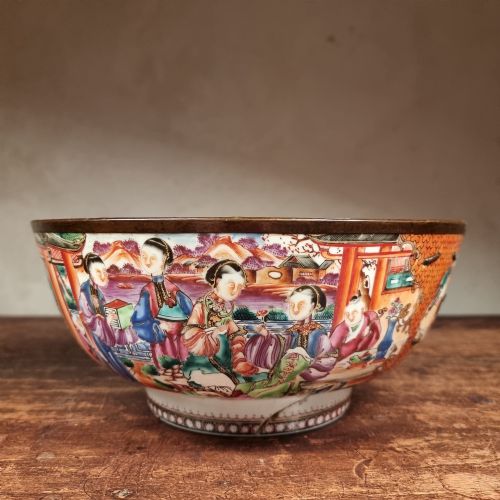
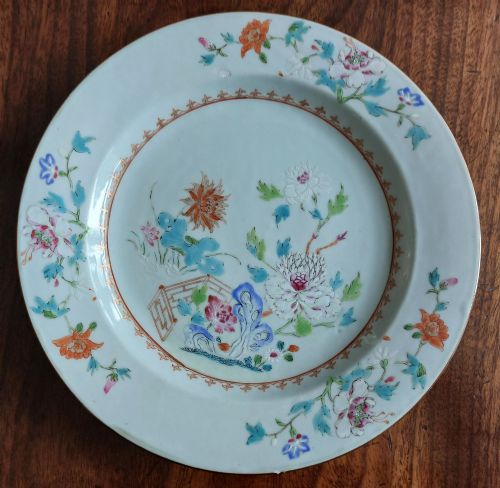
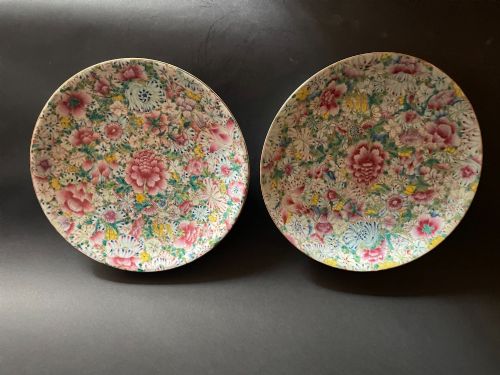
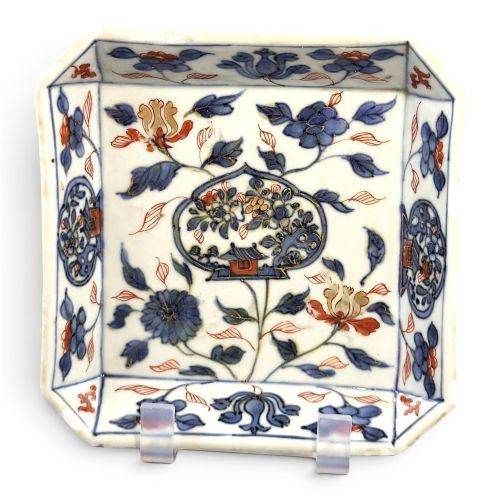
The buyer exploring this selection encounters plates decorated with cobalt underglaze, polychrome famille rose enamels, and imari palettes. Forms range from simple circular plates to lobed dishes, chamfered squares, and shamrock shapes.
Originating largely from kilns associated with historic periods such as the Kangxi, Qianlong, and Guangxu reigns, these ceramics show a mix of utilitarian serving pieces and highly decorative display items.
Materials and Techniques
Hard-paste porcelain forms the physical foundation of these pieces, fired at high temperatures to achieve a dense, vitrified body. Artisans then applied cobalt underglaze or painted directly over the glaze using intricate enamel colours.
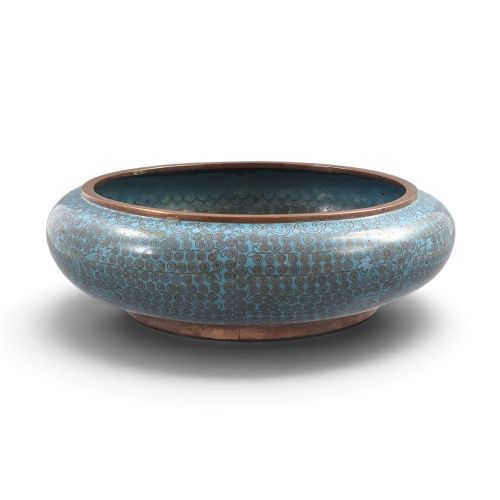
Gold leaf and gilt accents frequently highlight iron-red or famille rose motifs, applied with meticulous brushwork. Copper and bronze elements appear in specialised items like cloisonné enamel brush washers.
Glazes vary from clear and crackle-free surfaces to celadon finishes and opaque turquoise or coral-orange grounds.
Several dishes abandon traditional circles entirely, adopting shamrock shapes and chamfered squares to please overseas buyers.
Distinctions in Quality
The refinement of the painted detail separates ordinary production from superior examples. Master painters achieved nuanced shading in floral panels and rendered dragon scales with distinct precision.
Porcelain body preparation dictates weight and translucency, with finer dishes exhibiting thin, even walls alongside structural strength. Imperial-style pieces demonstrate superior symmetry and adherence to historical marks.
The richness and stability of the enamel palettes, from cobalt blue to iron-red and gilt, influence the visual impact of the piece.
The Qing Dynasty Ceramic Dish Glossary
- Famille rose
- A major palette of opaque enamel colours introduced in the eighteenth century, dominated by pink and rose shades. It allowed painters to achieve subtle tonal gradations.
- Cobalt underglaze
- Pigment applied to the unglazed porcelain body before glazing and firing, producing distinctive blue designs. This technique protects the decoration beneath a glossy protective layer.
- Charger
- A large decorative plate or dish utilised for ceremonial display or grand service. These pieces measure significantly wider than standard dining plates.
- Imari
- A style of ceramic decoration featuring cobalt blue, iron-red, and gilt highlights, originally inspired by Japanese wares but widely adopted in Chinese export porcelain. The contrasting colours create a rich decorative surface.
- Celadon
- A transparent green glaze over a pale grey or green clay body, often featuring subtle crackle patterns. It mimics the appearance of jade.
Qing Dynasty Ceramic Dish: Frequently Asked Questions
How do I date a qing dynasty dish?
Dating relies on stylistic markers, reign marks, and specific enamel palettes associated with periods like Kangxi or Qianlong. Examining the porcelain body and foot rim provides further clues to its age.
Changes in trade patterns and export styles across the eighteenth and nineteenth centuries also help narrow down the decade of production.
Were these dishes used for dining?
Many larger platters and chargers served practical roles at grand tables for presenting meats and course dishes. Smaller plates and bowls fulfilled both daily dining functions and decorative display.
Export wares were often ordered specifically for Western dining habits, while others remained within elite domestic contexts.
How should I display a porcelain dish?
Dishes can be mounted securely on specialised wall brackets or supported on cabinet stands to showcase the painted cavetto and rim. Proper lighting enhances the depth of underglaze blue and famille rose enamels.
Keep pieces away from high-traffic areas where accidental knocks might occur.
What is the difference between export and imperial wares?
Export wares were manufactured primarily for overseas markets in Europe and America, often incorporating Western shapes or commissioned coats of arms. Imperial wares were produced under direct court supervision for use in palaces.
Imperial pieces frequently display specific reign marks and intricate dragon motifs reserved for official court contexts.